 01Ancillary Services
When these services are needed
These supporting services come into play at every phase of a project, before and after the demolition itself:
Before demolition
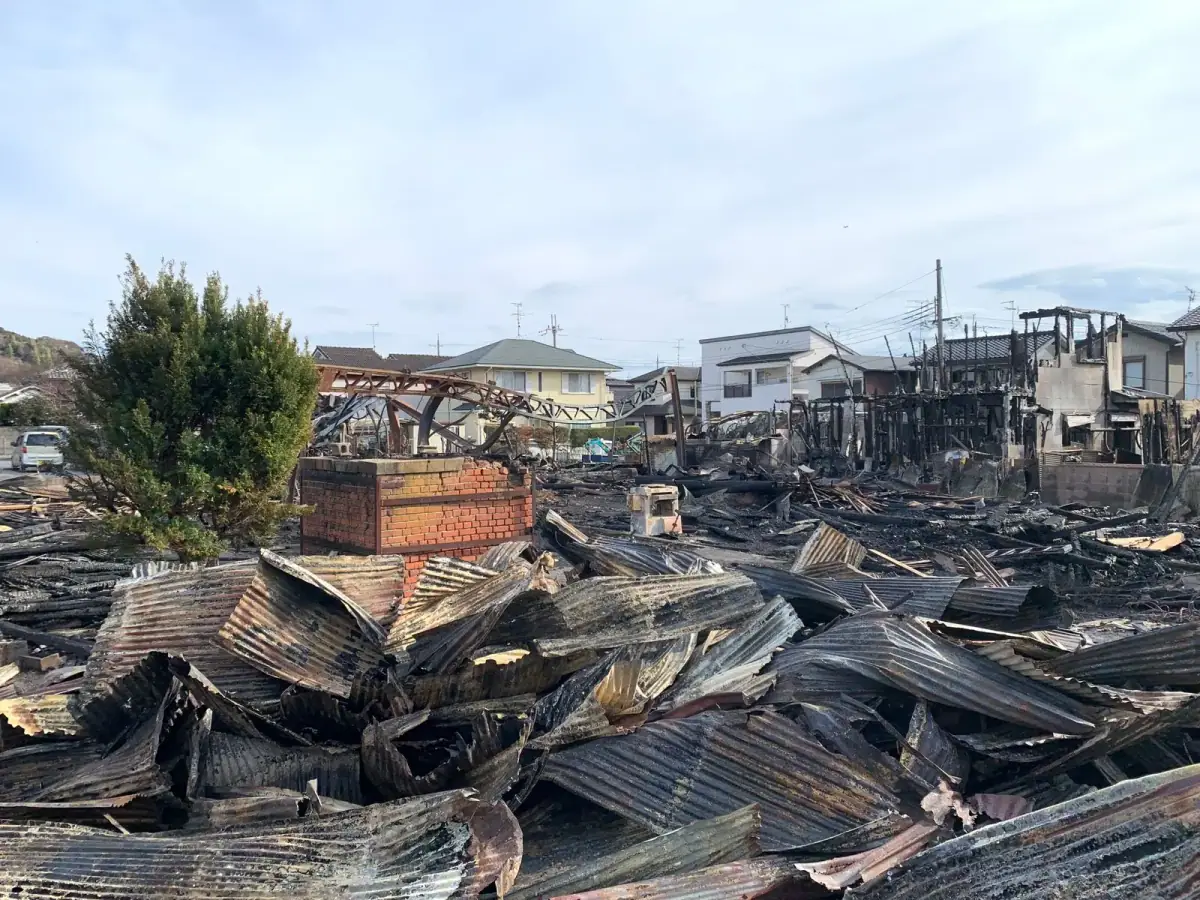
Fire and water damage needs the building secured, dried and stripped. Contents and furniture have to come out before a permit is issued or machines arrive.
After demolition
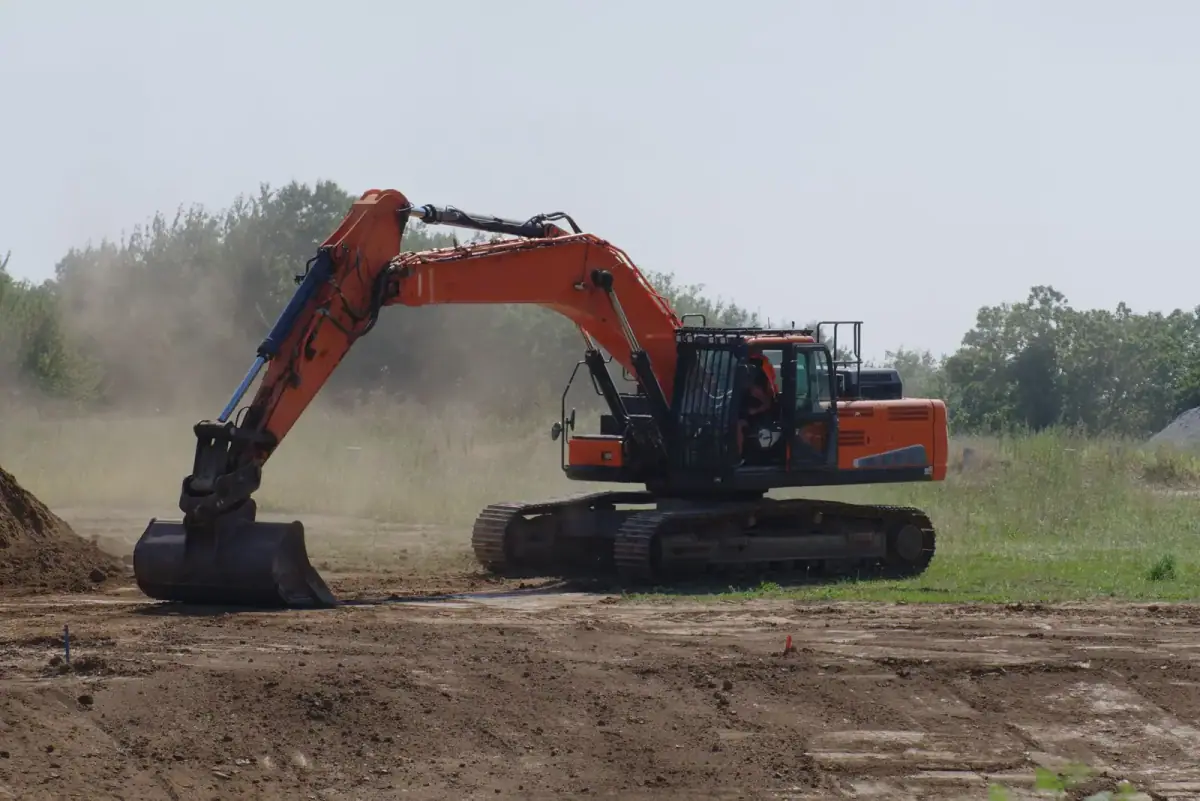
Foundations and utility trenches need excavating, the site needs grading for drainage, and exposed soil needs stabilizing before the next trade starts.
Contamination discovered
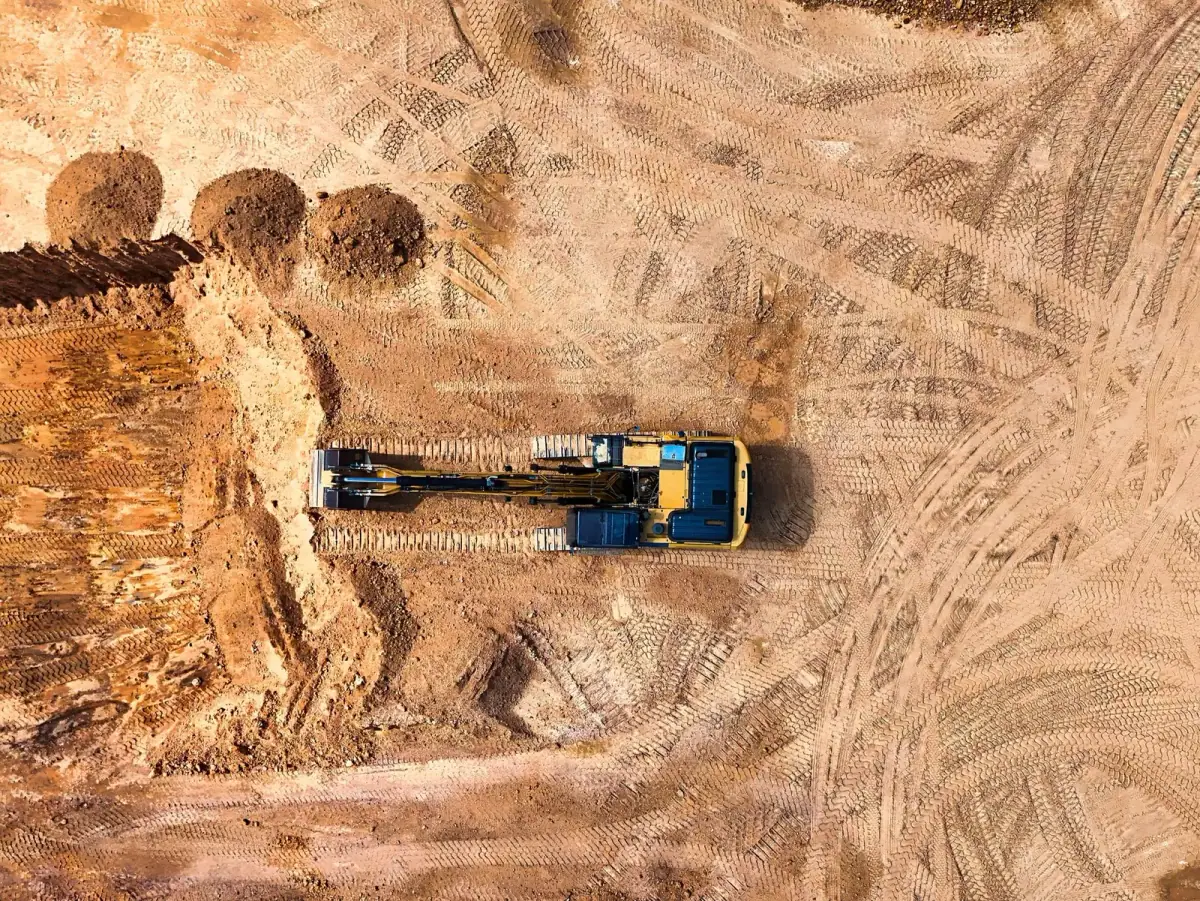
Demolition frequently uncovers buried tanks, fuel-stained soil, asbestos in the ground or fill nobody documented. That needs assessment and remediation, not covering over.
Property transactions
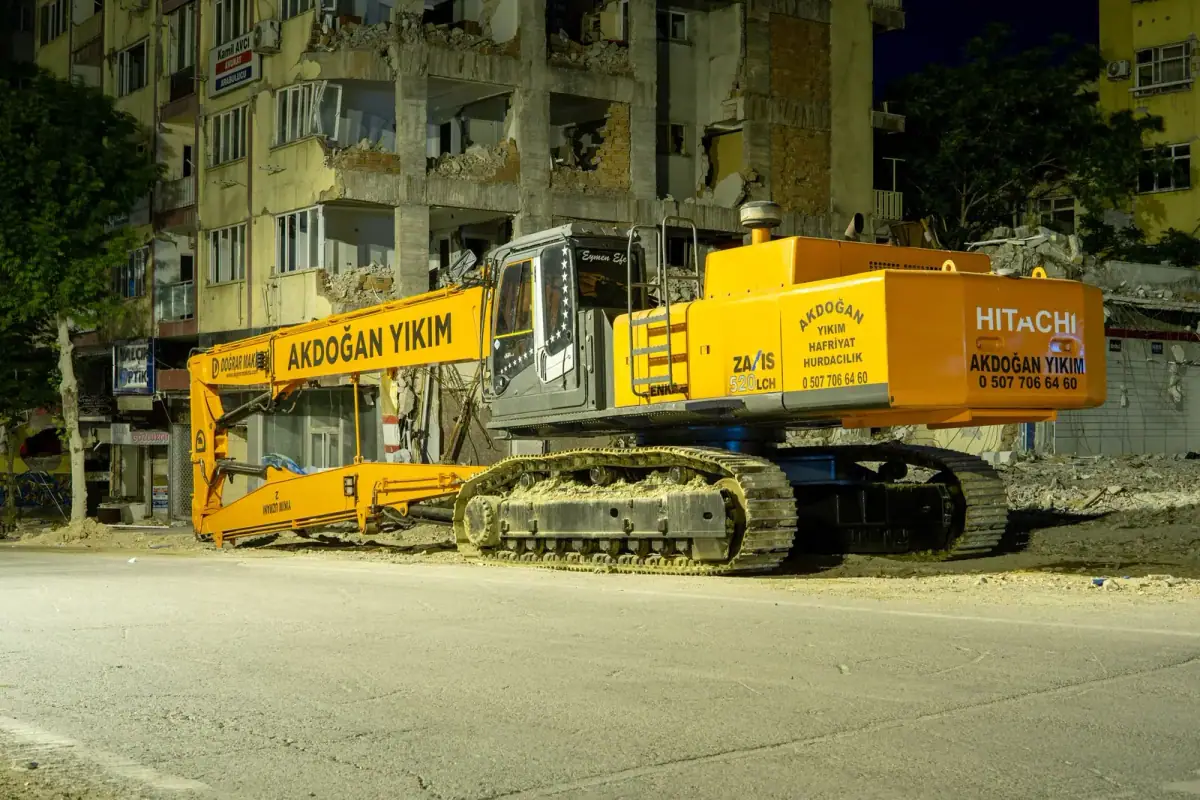
Phase I and II assessments during due diligence often identify issues that must be remediated and closed out before a sale or refinance completes.
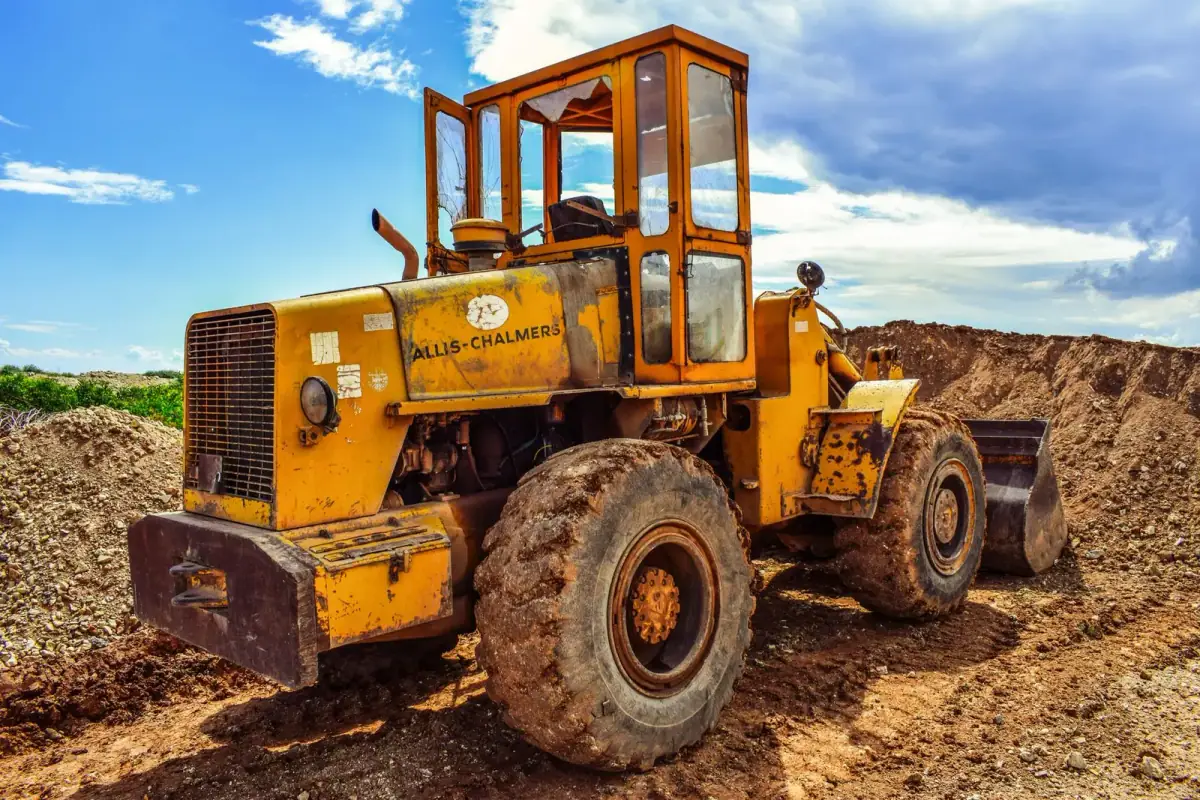
Drainage problems
Water pooling against a foundation, running toward a neighbour or eroding a slope is a grading problem, and it gets worse until the grades are corrected.
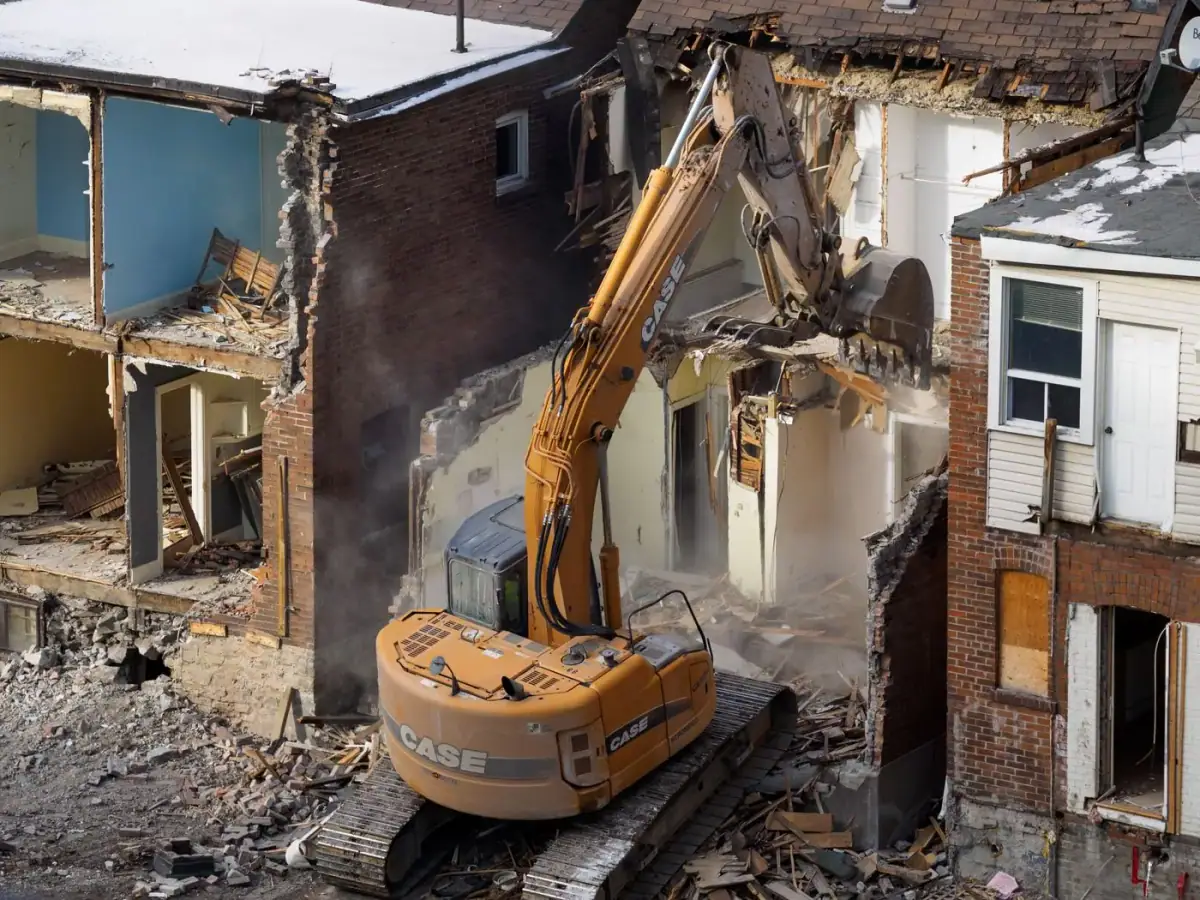
New construction
Building pads, basements, driveways and utility runs all need excavation to accurate depth and grade before anything gets built on them.
How these services fit around demolition
Sequencing is where single-contractor delivery actually saves money. These are the phases and where each service lands:
| Phase | Services involved |
|---|---|
| Emergency response | Fire and water restoration: board-up, securing, water extraction and drying to stop damage progressing. |
| Due diligence | Environmental remediation: Phase I and II assessment support, so what is in the ground is known before you commit. |
| Pre-demolition clear-out | Furniture removal: contents, furniture, equipment and stock removed so the building is empty for permitting and demolition. |
| Pre-demolition strip-out | Fire and water restoration: damaged materials removed, plus abatement of anything hazardous found in the survey. |
| Demolition | The core demolition scope, with utilities capped and debris sorted. |
| Post-demolition discovery | Environmental remediation: tanks, contaminated soil and undocumented fill dealt with once exposed. |
| Site preparation | Excavation: foundations, basements, utility trenches and drainage dug to depth and grade. |
| Final site works | Land grading: rough and finish grading, slope correction, compaction, topsoil and erosion control. |
Where the savings come from
One mobilization instead of four. Soil from an excavation reused as backfill on the same site instead of exported and re-imported. No week-long gaps waiting for the next contractor. And no argument about who was responsible for the condition at handover, because it is the same contractor throughout.
What these projects include
Scope is defined and priced before work starts, with the finished levels or condition agreed up front:
- 01Site assessment.
We establish the condition, soil type, drainage pattern, access and any known contamination before quoting, rather than pricing on assumptions.
- 02Written, itemized estimate.
A fixed-scope proposal defining the work, the finished levels or condition, and what happens to exported or imported material.
- 03NC 811 utility locates.
Requested before any excavation so buried lines are marked. This is a legal requirement, not a precaution.
- 04Permits and approvals.
Grading permits, erosion control plans, stormwater coverage, floodplain approvals and DEQ notifications as applicable.
- 05Survey and grade control.
GPS-guided machine control and survey verification so excavations and finished grades match the design.
- 06Erosion and sediment control.
Silt fence, inlet protection, construction entrances, seeding and matting installed and maintained through the works.
- 07Soil management.
Topsoil stripped and stockpiled for reuse, suitable fill reused on site, unsuitable or contaminated material tested and disposed of correctly.
- 08Compaction and testing.
Fill placed in compacted lifts with density testing to specification where a structure or pavement will bear on it.
- 09Drainage correction.
Grades set so water moves away from structures and toward designed discharge, with swales, French drains or piping where needed.
- 10Environmental testing and reporting.
Sampling, lab analysis, regulatory notifications and closure documentation on remediation work.
- 11Restoration finishing.
Drying verification with moisture readings, antimicrobial treatment and odour control on restoration projects.
- 12Documentation package.
Locate tickets, compaction results, survey records, disposal manifests, lab results, donation receipts and photographs.
How these projects run
Whichever service is involved, the sequence rests on data — testing, survey and locates — before any machine works.
01
Day 1
Site visit and assessment
We review conditions, soil, drainage, access and any known contamination, and for restoration work assess the extent of damage and moisture.
02
Pre-work
Testing and survey
Soil sampling, environmental testing or topographic survey as needed, so the design and the price rest on data.
03
Pre-work
Estimate and design
A written itemized estimate with defined finished levels or condition, plus grading design and erosion control plans where required.
04
Pre-work
Permits and locates
Grading and erosion permits filed, stormwater coverage obtained, NC 811 locates requested and marked before any digging.
05
Mobilize
Set-up and protection
Erosion control installed, construction entrance built, trees and adjacent property protected, topsoil stripped and stockpiled.
06
Execution
Execution
Excavation, grading, remediation or restoration carried out with GPS grade control, monitoring and daily records as applicable.
07
Verify
Testing and verification
Compaction density testing, survey verification of finished grades, moisture readings or confirmation soil sampling, depending on the service.
08
Handover
Stabilization and handover
Topsoil spread, seeding or matting installed, erosion control maintained until established, and the documentation package issued.
READY TO CLEAR THE SITE?
Tell us what needs to come down.
Send a few project details and our team will get back to you with the next steps.
North Carolina regulations
Earthwork, remediation and restoration each carry their own rules, several of which operate independently of the local building permit. We confirm the exact list for your site during the estimate.
- NC 811 before digging. State law requires notifying NC 811 at least three full working days before excavating. Hitting an unmarked line without a valid locate ticket puts liability on the excavator.
- Erosion and sedimentation control. Under the NC Sedimentation Pollution Control Act, land-disturbing activity of one acre or more requires an approved erosion control plan. Many cities and counties apply lower thresholds, and grading permits are commonly required regardless.
- Stormwater permits. Construction general permit coverage is typically needed for sites over one acre, with inspection records maintained throughout.
- Grading permits. Most jurisdictions require a grading or land-disturbance permit before earthwork, with submitted plans showing existing and proposed contours.
- Floodplain and buffer rules. Work in a mapped floodplain needs floodplain development approval. Riparian buffer rules in the Neuse, Tar-Pamlico and Catawba basins restrict disturbance near watercourses.
- Wetlands. Excavation or fill in wetlands requires Army Corps authorization and NC DEQ certification. Wetland delineation should be done before any earthwork is priced.
- Underground storage tanks. Tank removal and closure is regulated by the NC DEQ UST Section, with notification, closure sampling and reporting required. Discovering a tank mid-project triggers this immediately.
- Contaminated soil and brownfields. Soil contamination triggers DEQ reporting. Remediation may proceed under the Inactive Hazardous Sites or Brownfields programmes, the latter often being how a redevelopment becomes financeable.
- Lead and mould. Lead paint work in pre-1978 housing is subject to EPA RRP rules requiring certified renovators. Mould is not separately licensed in North Carolina, but containment and disposal practices still apply.
- Water withdrawal and discharge. Dewatering an excavation may require authorization, and discharge must be settled and sediment-controlled before leaving the site.
- Landfill bans. Furniture and contents removal must route banned items — appliances, electronics, tyres, batteries — to dedicated recycling streams rather than landfill.
Contamination changes the project
If excavation exposes contaminated soil or a buried tank, there are reporting obligations and the scope changes immediately. We advise stopping, testing and notifying rather than continuing — covering it over transfers a much larger liability to the property owner.
What these services cost
Pricing varies widely by service. As broad guidance: excavation is commonly priced per cubic yard moved or as a fixed price per foundation; grading is priced per acre or as a fixed job; remediation is priced on the volume of contaminated material and its disposal classification; restoration is priced per affected area plus drying equipment time; and furniture removal is priced by volume and labour. Every project is quoted after assessment.
| Cost factor | Why it matters |
|---|---|
| Volume of material moved | The primary driver on excavation and grading. Cut-and-fill balance matters more than total volume. |
| Soil and rock conditions | Rock, hardpan and the Piedmont’s red clay all slow excavation. Rock may need hammering or blasting, which changes the price category entirely. |
| Haul and import requirements | Exporting surplus soil and importing engineered fill are both expensive. Balancing cut and fill on site is the biggest available saving. |
| Groundwater | A high water table means dewatering, shoring and sometimes authorization to discharge. |
| Contamination classification | Disposal cost depends on how the material classifies. Hazardous classification can multiply disposal rates several times over. |
| Extent of damage | On restoration, how far water or smoke travelled through the structure determines removal scope and drying duration. |
| Drying equipment and duration | Dehumidifiers and air movers are charged by unit and day, so drying time directly drives cost. |
| Access and working room | Tight sites need smaller machines and more handling, which reduces productivity substantially. |
| Compaction specification | Higher density requirements mean thinner lifts, more passes and more testing. |
| Erosion control extent | Larger disturbed areas and steeper slopes need more measures, maintained for longer. |
| Permitting and professional input | Grading plans, wetland delineation, environmental consultants and surveys are real project costs. |
| Emergency response | After-hours mobilization for fire and flood carries premium rates, but limits the total damage. |
Where we also handle the demolition, these services are usually priced lower as part of the combined contract, because equipment is already mobilized and site soil can be reused rather than exported and re-imported.
How long these services take
Grading permits and erosion control approvals typically add two to six weeks before earthwork can start. Emergency restoration response is same-day.
| Project | Typical duration |
|---|---|
| Emergency board-up and securing | Same day |
| Water extraction and structural drying | 3–7 days of drying, longer for saturated structures |
| Fire damage strip-out | 3 days to 3 weeks by extent |
| Furniture and contents removal | A few hours to 2 days |
| Residential foundation excavation | 1–3 days |
| Basement excavation | 2–5 days |
| Utility and drainage trenching | 1 day to 2 weeks by length |
| Rough grading of a building pad | 1–4 days |
| Finish grading and seeding | 1–3 days |
| Underground storage tank removal and closure | 1–2 weeks including sampling and reporting |
| Contaminated soil excavation and disposal | 1 week to several months by volume |
| Environmental regulatory closure | 2 months to 2 years depending on programme |
Getting drainage right
Grading for drainage
Most grading callbacks are drainage callbacks, and they are almost always avoidable. We grade to move water where it should go.
- Ground slopes away from foundations — about 6 in. over the first 10 ft
- Water directed to a designed discharge, not toward a boundary
- Runoff not concentrated onto neighbouring property
- Swales and features graded to positive fall with no low spots
- Downspouts and sump discharge carried clear of the backfill
- Driveways and walkways pitched to shed water, not pond or ice
- Existing drainage patterns and easements identified first
- Grades set to a design, not judged by eye
Backfill, stabilization and verification
What holds the drainage together is compaction, stabilization and verification against the design.
- Backfill against foundations compacted in lifts so it will not settle
- Fill placed in compacted lifts with density testing where it bears load
- Disturbed soil stabilized with seed, straw or matting before rain
- Erosion and sediment control maintained until vegetation establishes
- Finished grades survey-verified against the design
- Cut and fill balanced on site to reuse suitable soil
- Unsuitable or contaminated material tested and disposed of correctly
- General liability and workers’ compensation insurance
PLANNING A PROJECT?
Let’s handle the whole site, not just the demolition
Tell us about the project and a specialist will scope the excavation, grading, remediation or restoration around it, on one schedule — no commitment needed.
Site services areas
Alpha Demolish works throughout North Carolina, from the mountains to the coast, including:
Charlotte metro
Charlotte • Concord • Gastonia • Huntersville • Matthews • Mint Hill • Mooresville • Cornelius • Indian Trail • Monroe
Research Triangle
Raleigh • Durham • Cary • Chapel Hill • Apex • Wake Forest • Holly Springs • Garner • Morrisville • Fuquay-Varina
Piedmont Triad
Greensboro • Winston-Salem • High Point • Burlington • Kernersville • Thomasville
Coastal North Carolina
Wilmington • Jacksonville • New Bern • Morehead City • Greenville • Outer Banks
Western North Carolina
Asheville • Hendersonville • Hickory • Boone • Morganton • Waynesville
Sandhills & Eastern NC
Fayetteville • Southern Pines • Pinehurst • Sanford • Goldsboro • Rocky Mount • Wilson
Don’t see your town? We work across the state. Contact us and we’ll confirm availability for your address.
Why clients bundle these with demolition
No gap between trades
Excavation starts when demolition finishes, because it is the same crew and the same schedule. No week lost waiting for the next contractor to mobilize.
No disputed handover
When one contractor does demolition, excavation and grading, there is no argument about who left the site in what condition.
Soil reused, not replaced
Material from an excavation gets used as backfill on the same site instead of being exported and re-imported at cost twice over.
Knowledge carries forward
The crew already knows where the utilities ran, what the soil does and where water collects, instead of re-discovering it.
Single point of contact
One project manager, one contract, one insurance certificate and one invoice across every phase of the work.
Emergency response
Fire and flood response available out of hours, which limits how far the damage — and the eventual scope — spreads.