Foundation removal across North Carolina
When a house comes down, the foundation often stays behind, either on purpose or because an earlier demolition stopped at the floor. Before you can build again, the old footings, walls, slabs, piers and pilings usually need to go. Leftover foundation pieces get in the way of new footings, hide voids and trap water, and they are a common cause of delays when builders start digging.
Alpha Demolish removes residential foundations of every type across North Carolina. We break out and haul away the concrete and masonry, clear buried debris, find and deal with old tanks and utilities, and backfill and compact the site so your builder starts on solid ground.
This page explains what our foundation removal service includes, what we often find underground, how we backfill and compact for new construction, what affects the cost and how to prepare.
When is foundation removal needed?
Builders, owners and developers across North Carolina call us to remove a foundation for many reasons. The most common are:
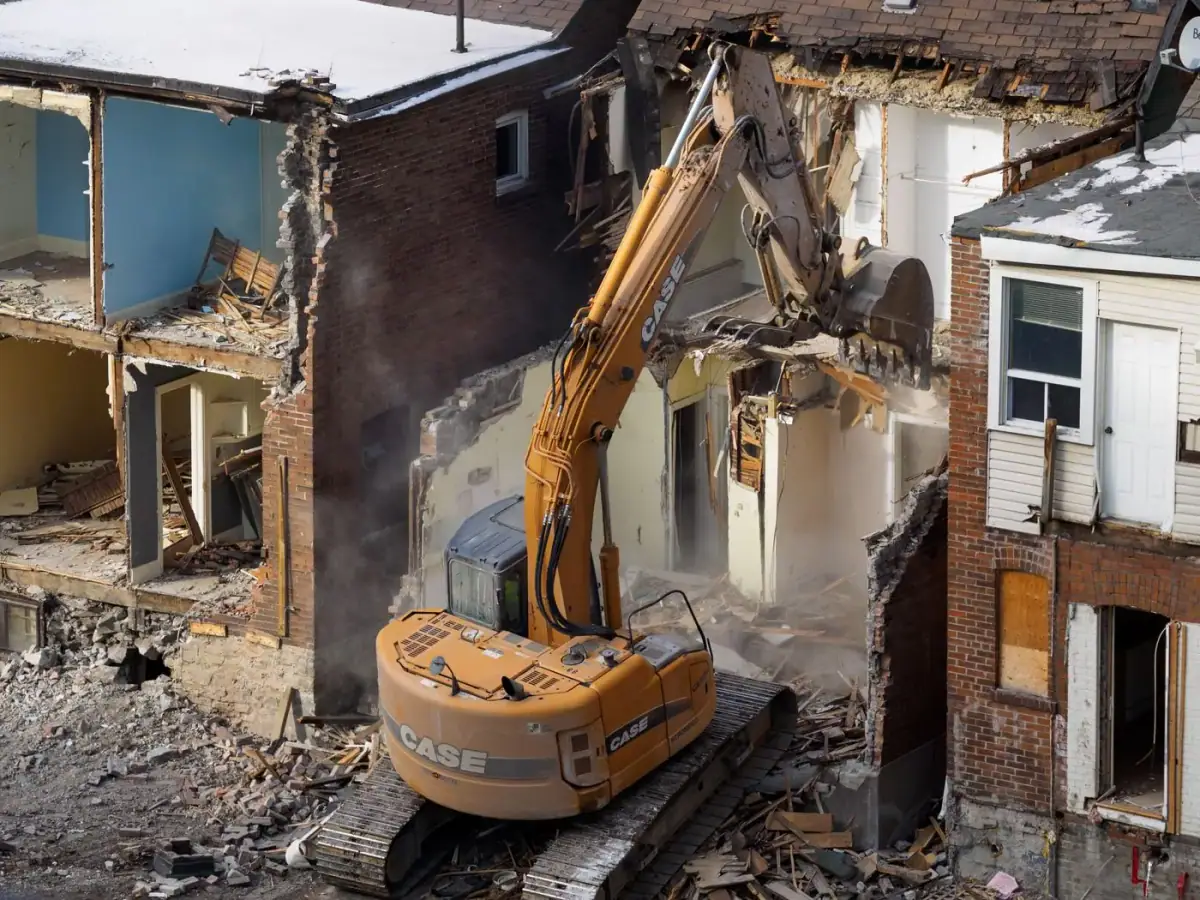
After a house demolition
Most rebuilds need the old foundation removed so new footings can be placed where the new design needs them.
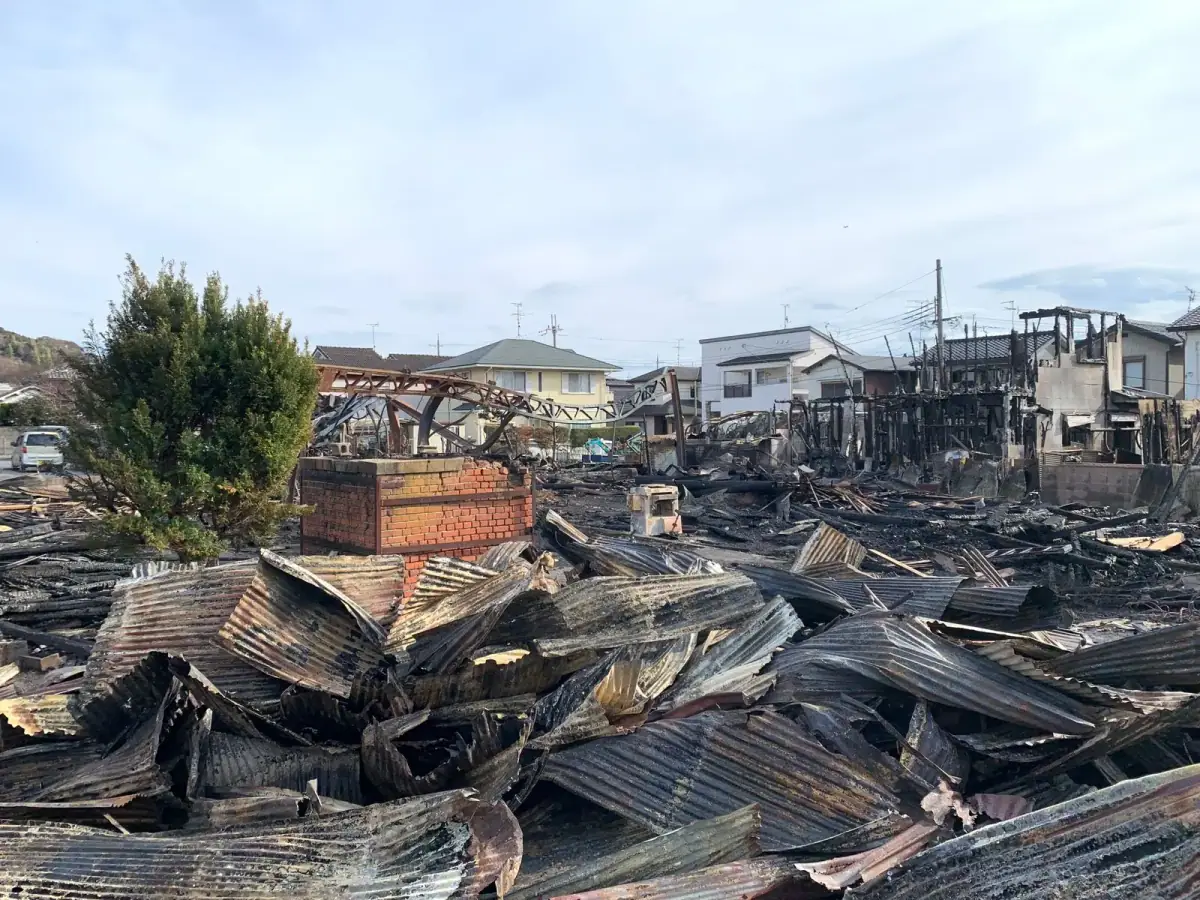
Fire- and storm-damaged homes
When a house is lost to fire, flooding or a hurricane, the foundation left behind is often damaged and not reusable.
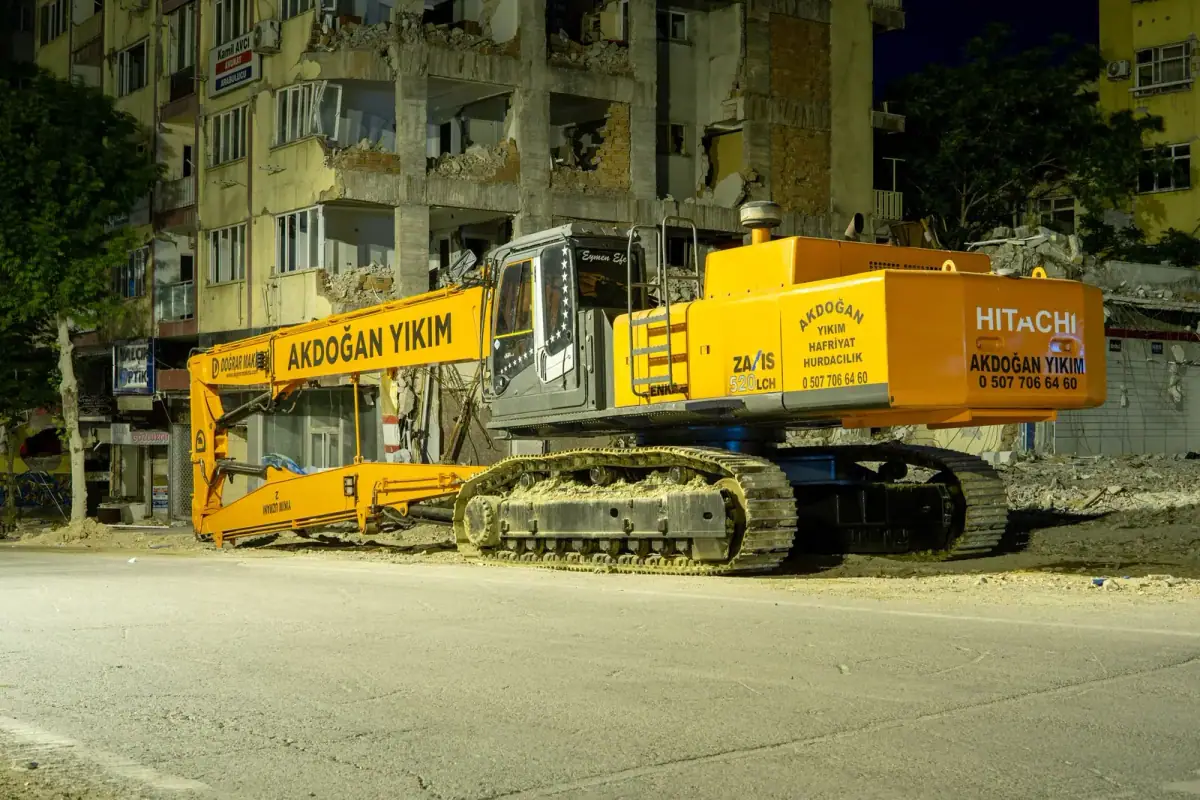
Infill lots with old foundations
Lots in older parts of Charlotte, Raleigh, Durham and other cities sometimes hide the foundations of houses removed decades ago.
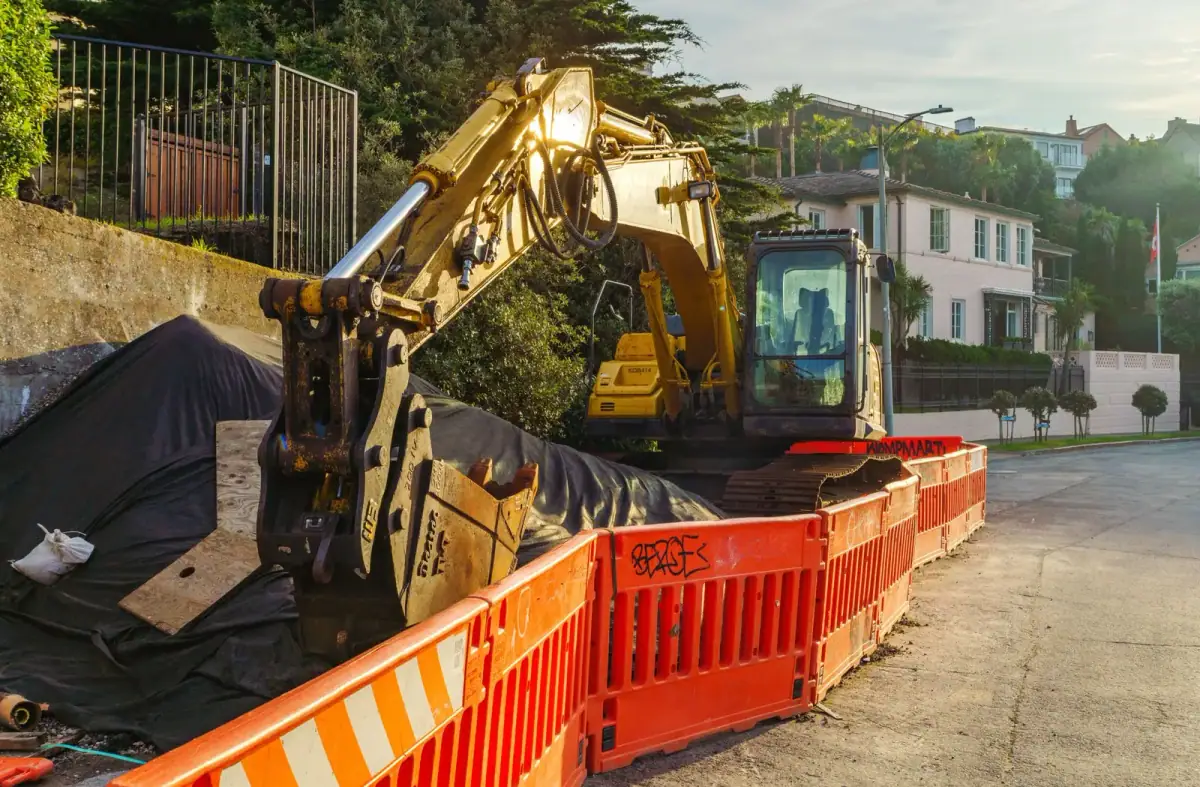
Failed foundations
Settled, cracked or undermined foundations that an engineer says are not worth repairing.
Coastal rebuilding
Rebuilding to current flood elevations often means removing old slabs or short piers and installing new, taller pilings.
A new design
A new home with a different footprint or foundation type than the one that stood before.
What’s included in our foundation removal service
A foundation removal has to leave the ground ready to build on, not just clear the concrete. Every Alpha Demolish foundation removal in North Carolina includes:
- 01Assessment.
We identify the foundation type, depth and reinforcement, and review your builder’s plans.
- 02Locates and utilities.
NC 811 marks buried lines; abandoned water, sewer, septic and gas lines are identified and capped.
- 03Break-out and removal.
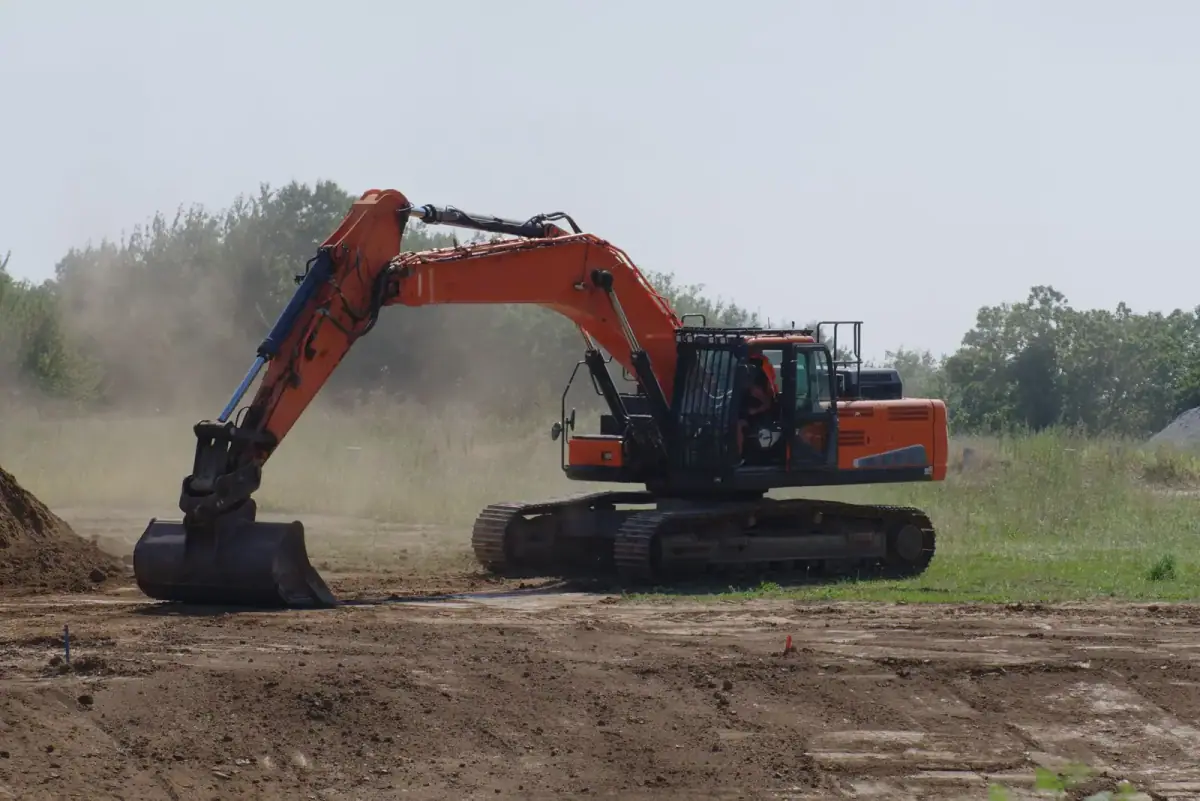
Walls, piers, slabs and footings are broken and removed with excavators and breakers.
- 04Post-tension handling.
Where a slab foundation is post-tensioned, tendons are located and de-tensioned by specialists first.
- 05Hidden items.
Buried debris, oil tanks and old wells are dealt with correctly as they are found.
- 06Debris sorting.
Wood and trash are hauled to permitted facilities; concrete and steel are recycled.
- 07Backfill and compaction.
Excavations are filled with suitable soil in compacted layers, with moisture controlled in clay.
- 08Grading and documentation.
The site is rough-graded to drain, and you receive photos, disposal records and any test results.
Our foundation removal process, step by step
Every foundation removal follows the same proven sequence, documented so your builder and inspector can trust the ground.
Day 1
Assessment
We identify the foundation type, depth and reinforcement, and review your builder’s plans.
Pre-demo
Locates and utilities
NC 811 marks buried lines, and abandoned utilities are identified and capped.
Demo
Break-out
Walls, piers, slabs and footings are broken and removed with excavators and breakers.
Demo
Hidden items
Buried debris, tanks and old wells are dealt with as they are found.
1–2 days
Backfill
Excavations are filled in compacted layers with suitable soil.
Handover
Grade, document and handover
The site is rough-graded, you receive photos, disposal records and test results, and we walk it with you.
READY TO CLEAR THE SITE?
Tell us what needs to come down.
Send a few project details and our team will get back to you with the next steps.
What we remove and what we find
Types of foundations we remove
From a crawl-space curtain wall to deep coastal pilings, we remove every residential foundation type in North Carolina.
- Crawl space brick and block curtain walls
- Interior piers and continuous footings
- Slab-on-grade and stem-wall slabs
- Post-tension slabs (de-tensioned first)
- Poured and block basement foundations
- Pier-and-beam foundations
- Coastal wood and concrete pilings
- Chimney and porch footings
What we find and handle underground
Old foundations hide more than concrete, and each find has to be handled the right way.
- Buried brick, concrete, wood and trash
- Heating oil tanks, emptied, cleaned and removed
- Leaks reported to NC DEQ as required
- Abandoned water, sewer, septic and gas lines
- Old wells and cisterns closed to state rules
- Termite-damaged sills and form boards
- Soft, organic or debris-filled soil removed
- General liability and workers’ comp insurance
Foundation removal cost in North Carolina
Foundation removal is priced by type, depth and size, plus backfill and anything found underground. You receive a fixed, itemized quote after a site visit.
| Cost factor | Why it matters |
|---|---|
| Type and size | Slabs, crawl spaces, basements and pilings each take different effort. |
| Depth | Deep footings and basement walls mean more excavation and fill. |
| Reinforcement | Heavily reinforced concrete takes longer to break. |
| Pilings | Pulling or cutting pilings needs specialized equipment. |
| Buried debris and tanks | Unknown buried material and oil tanks add separate steps. |
| Backfill volume | Imported soil is often a large part of the cost. |
| Testing | Optional compaction testing by an independent lab. |
How long does foundation removal take?
Most residential foundations are removed in one to three days. Basements, deep footings and coastal pilings take longer, as does handling oil tanks or heavy buried debris.
| Stage | Typical duration |
|---|---|
| Site visit and estimate | A few business days |
| NC 811 utility locate | 3 working days before digging |
| Oil tank / well handling (if found) | A few days to 2 weeks |
| Crawl space or slab foundation removal | 1–2 days |
| Basement or piling removal | 2–4 days |
| Backfill, compaction and grading | 1–2 days |
Full removal, partial removal, or reuse?
How much comes out depends on the new design and the condition of the old foundation. We scope the removal to match your builder’s plans.
Full foundation removal
All footings, walls, slabs and piers are removed and the site is backfilled and compacted, ready for a new foundation of any type.
Partial removal
We remove the sections that conflict with the new design and leave sound portions your engineer wants to keep.
Coastal and flood-zone rebuild
Old slabs and short piers are removed so new, taller pilings or elevated piers can meet current flood elevation requirements.
A sound foundation in the right place can sometimes be reused, but condition, footprint, flood elevation and code loads all have to line up, and a structural engineer should sign off first. Where old footings were deep, your engineer may prefer new footings to extend down to undisturbed soil rather than bear on new fill.
North Carolina rules, tanks and documentation
Foundation removal touches several North Carolina rules, and good documentation matters to your builder and inspector. We confirm what applies to your site:
- Footing bearing. The NC Residential Code generally requires footings to bear on undisturbed soil or on properly placed and compacted fill, so documentation of the fill matters to your inspector.
- Beneficial fill rules. Clean, inert concrete and brick may be used as fill under North Carolina’s beneficial fill conditions, broken small and compacted, but wood and trash always have to be removed, and your engineer may not allow fill under new footings.
- Oil tanks and NC DEQ. Buried heating oil tanks are emptied, cleaned and removed, and any signs of a leak are assessed and reported to the NC Department of Environmental Quality.
- Wells and septic. Abandoned wells are permanently closed under NC well rules, and old septic components are handled with the county environmental health department.
- NC 811 before digging. A locate is requested before excavation so buried utilities are marked and protected.
- Coastal (CAMA) areas. In coastal areas, we follow any Coastal Area Management Act permit conditions that apply to the site.
Photos, disposal manifests, fill records and, when ordered, compaction test results protect your build, satisfy the inspector and give your builder confidence in the ground.
How to prepare for foundation removal
A little preparation keeps the project on schedule and gives your builder what they need:
NOT SURE YET?
Let’s get your lot ready to build
Share your builder’s plans and a specialist will walk you through the removal, backfill, testing, timing and a ballpark cost — no commitment needed.
Debris removal and recycling
Foundation concrete is highly recyclable, and everything that cannot go back in the ground is sorted for the right facility:
- Concrete and masonry. Footings, walls and slabs are crushed and recycled as aggregate; clean, inert pieces may be reused as fill where allowed.
- Steel. Rebar, mesh and structural steel are separated and recycled as scrap.
- Wood and trash. Termite-damaged wood, form boards and buried trash go to permitted facilities, never back into the fill.
- Hazardous materials. Oil tank residue and any asbestos are handled and documented under the relevant NC rules.
We keep disposal manifests and fill records so your build has a clear paper trail from the first breaker to the final grade.