Land grading across North Carolina
Grading decides how water moves across your property. Get it right, and rain drains away from buildings, driveways and neighbors. Get it wrong, and you get wet crawl spaces, flooded garages, eroded yards and settling slabs. North Carolina’s heavy summer storms and tropical rainfall test every grade.
Alpha Demolish grades land across North Carolina for builders, developers and homeowners. We shape building pads and lots to plan, correct drainage on existing properties, grade driveways and parking areas, and finish yards ready for sod or seed, with properly compacted fill and erosion control throughout.
This page explains what our grading service includes, how we grade for drainage, how fill and compaction work in red clay, the permits that apply, what affects the cost and how to prepare.
Grading services
We handle grading of every kind for construction, drainage and landscaping across North Carolina:

Rough grading
Moving soil to establish the general shape of the site according to the civil or plot plan.
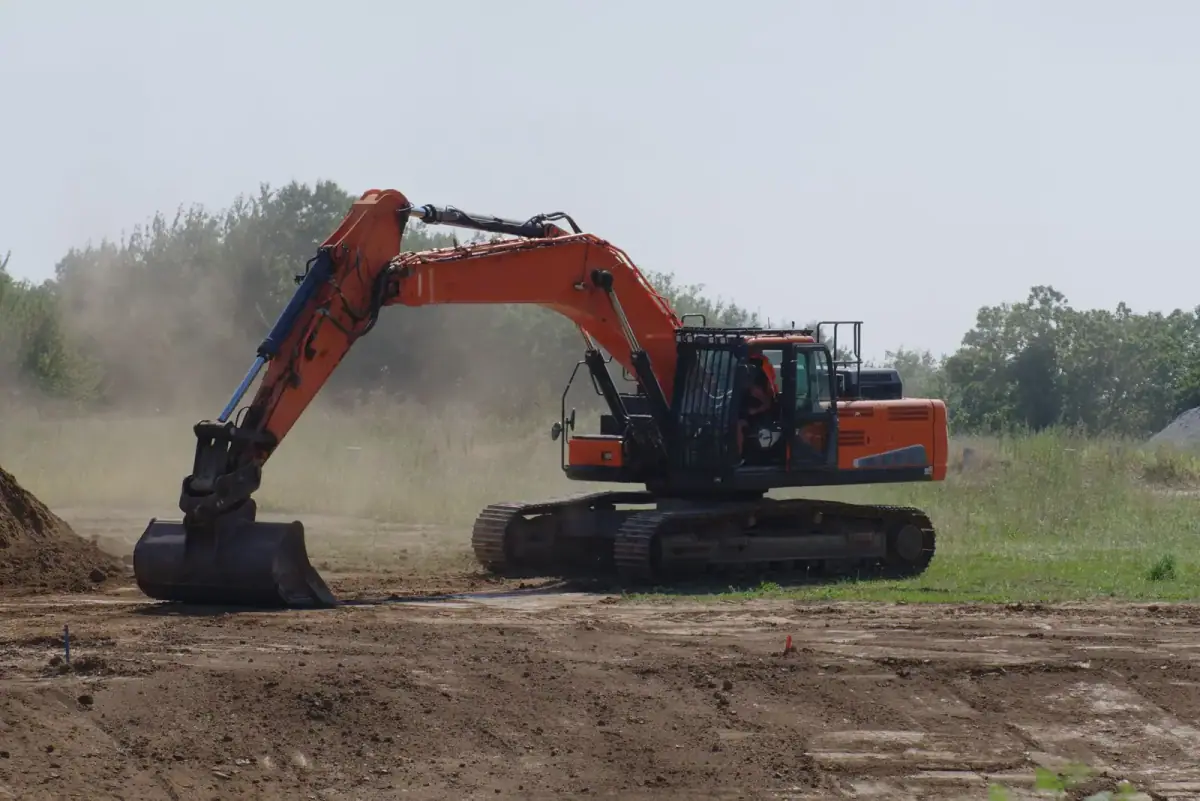
Building pads
Level, compacted pads for homes, additions, garages and commercial buildings.
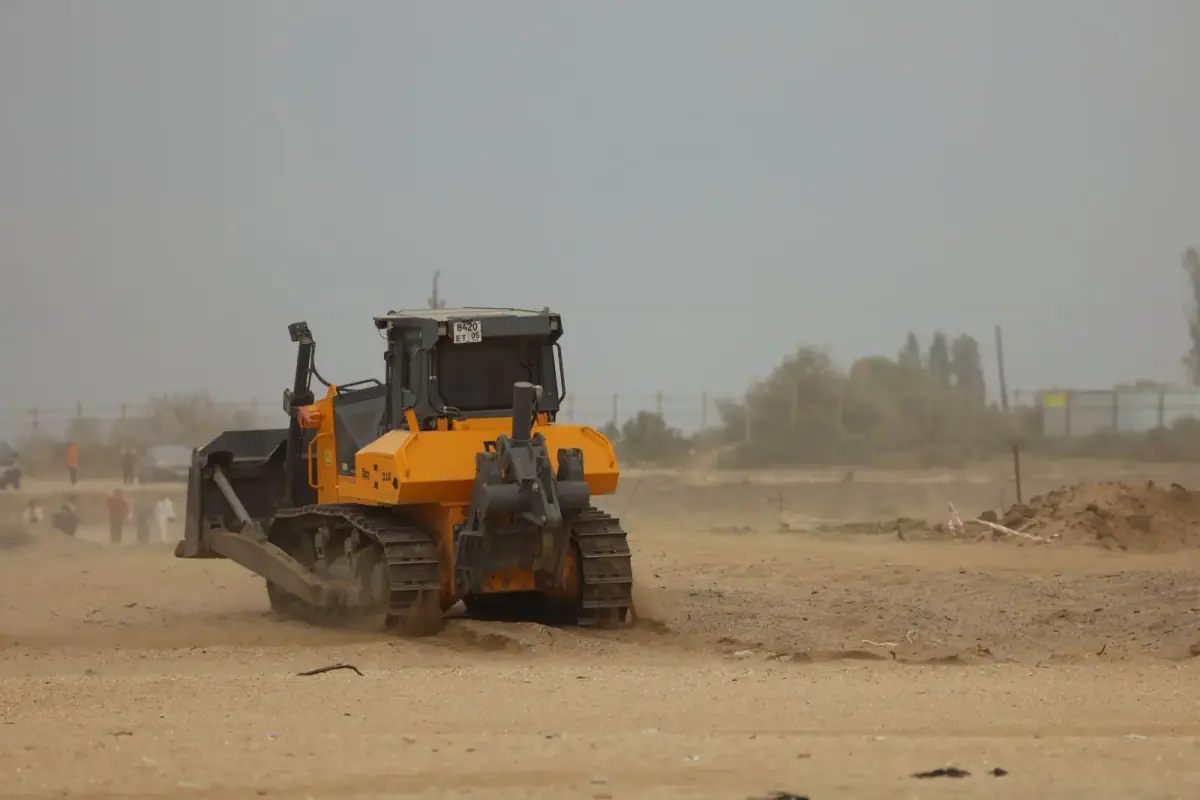
Finish grading
Final shaping and smoothing before topsoil, sod, seed or paving.
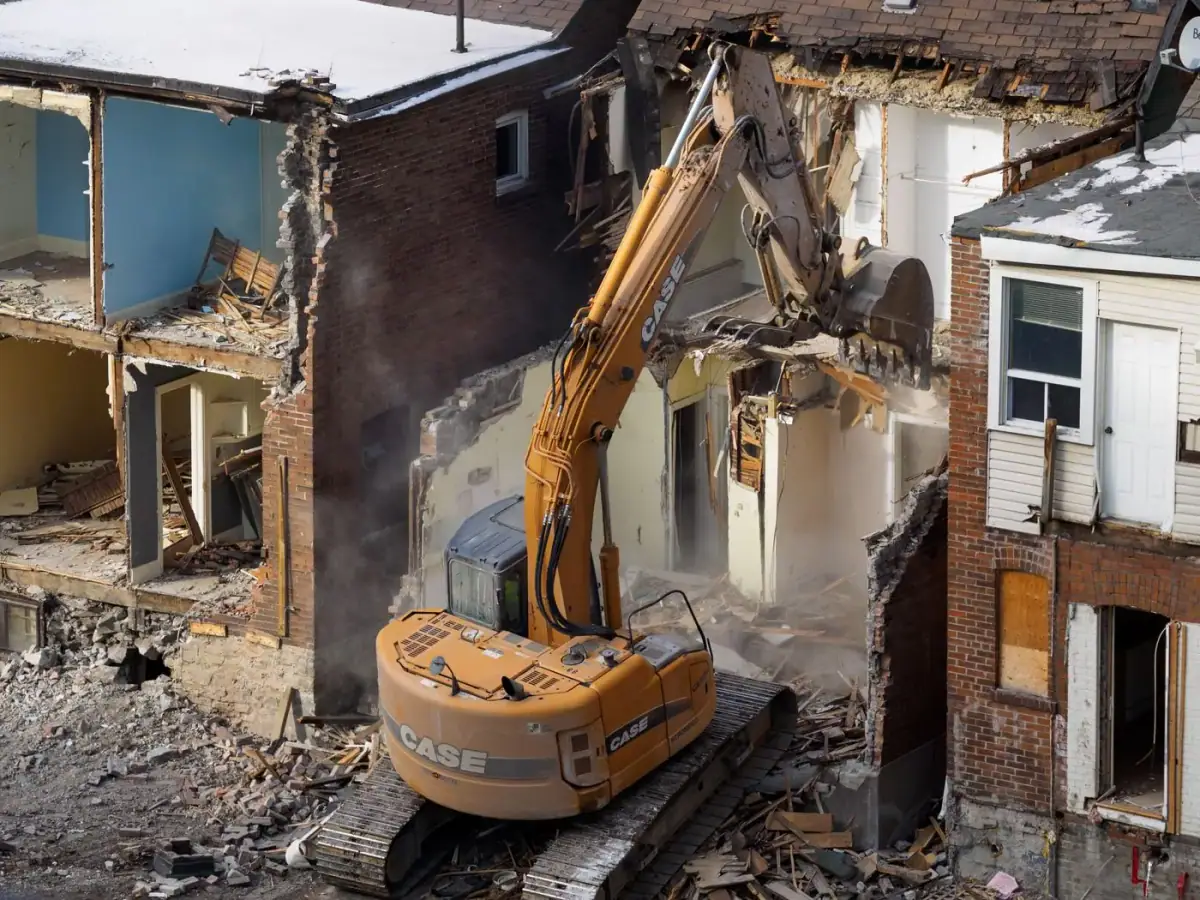
Drainage correction
Regrading yards, adding swales and fixing low spots that hold water.

Driveway and parking grading
Subgrade shaped and compacted for gravel, asphalt or concrete.
Slope work
Cutting, filling and stabilizing slopes, including on mountain lots.
What’s included in our grading service
We take a site from existing grades to a shaped, stabilized surface ready for what comes next. Every Alpha Demolish grading project in North Carolina includes:
- 01Survey and plan review.
Existing grades, drainage paths and your civil plan or goals reviewed.
- 02Erosion control.
Silt fence and perimeter protection installed first.
- 03Topsoil stripping.
Topsoil removed and stockpiled for reuse.
- 04Cut and fill.
Soil moved and compacted to grade with laser or GPS control.
- 05Drainage shaping.
Slopes and swales that carry water away from buildings and off the lot correctly.
- 06Compaction.
Fill placed in layers and compacted, with density testing available.
- 07Finish grading.
Surfaces shaped and smoothed, and topsoil spread.
- 08Stabilization.
Seed, straw or sod to lock the soil in place within required timeframes.
Our grading process, step by step
Every grading project follows the same sequence, with erosion control down before soil is moved.
Pre-grade
Survey and plan
Existing grades, drainage paths and your plan or goals.
Mobilize
Erosion control
Silt fence and protection installed first.
Start
Strip topsoil
Topsoil removed and stockpiled.
Grading
Cut and fill
Soil moved and compacted to grade.
Finish
Finish grade
Surfaces shaped and topsoil spread.
Handover
Stabilize
Seed, straw or sod to lock the soil in place.
READY TO CLEAR THE SITE?
Tell us what needs to come down.
Send a few project details and our team will get back to you with the next steps.
Grading for drainage and compaction
Grading for drainage
The NC Residential Code calls for the ground next to a house to slope away, typically 6 inches of fall in the first 10 feet, or swales where lots are tight.
- Roof and surface water sent to swales, drains or the street
- Water kept away from crawl spaces and basements
- Runoff not pushed onto neighboring properties
- No ponding on driveways and patios
- Gentle slopes that can be mowed and maintained
- Subdivision lots graded to the approved plan
- City or HOA approval where drainage changes
- Downspout drainage carried away from the foundation
Fill, compaction and red clay
Fill for pads, driveways and slabs must be compacted in layers, not simply spread, and Piedmont clay is sensitive to moisture.
- Fill placed and compacted in layers
- Moisture managed so clay reaches density
- Work paused when clay is too wet to compact
- Density testing when a builder or engineer requires it
- Structural pads compacted to spec
- Proof-rolling to find soft spots
- Laser and GPS grade control for accuracy
- General liability and workers’ comp insurance
What affects grading cost
Grading is priced by how much soil must be moved and whether material is imported. The main factors are:
| Cost factor | Why it matters |
|---|---|
| Area and volume moved | How much soil must be cut, filled or hauled. |
| Imported fill or topsoil | Bringing in material adds cost. |
| Slopes | Steep sites need more equipment time and stabilization. |
| Compaction and testing | Structural pads need controlled compaction. |
| Erosion control | Plan requirements and maintenance. |
| Drainage work | Swales, drains and downspout tie-ins add scope. |
How a grading project unfolds
Grading timing depends on area, weather and whether an erosion control plan is required — clay cannot be compacted well when saturated, so heavy rain can pause work. A typical project runs like this:
| Stage | Typical timing |
|---|---|
| Survey and plan review | A few days |
| Erosion control plan (if 1 acre+) | Often a few weeks |
| Perimeter controls and topsoil strip | 1–3 days |
| Cut, fill and compaction | Days to weeks, by area |
| Finish grading and topsoil | Days |
| Seeding, straw or sod | Within the plan timeframes |
Common drainage problems we fix
Most grading calls we get on existing properties come down to water in the wrong place. The usual culprits are:
Water toward the house
Settled backfill around foundations creates negative slopes over time, sending water at the crawl space or basement — we regrade it away.
Low spots and ponding
Yards that hold water for days, and downspouts dumping right at the foundation, corrected with regrading and swales.
Erosion and blocked swales
Bare slopes cutting gullies during storms, and flat or filled-in swales, reshaped and stabilized to carry water safely.
Changing how water leaves your lot can affect neighbors and public drainage, so on subdivision lots grading usually must follow the approved plan, and changes may need city or HOA approval.
Permits and erosion control
Grading is governed by erosion, stormwater and drainage rules that scale with the size of the disturbance. We handle them:
- Erosion control plan. Land disturbance of one acre or more needs an approved plan under the North Carolina Sedimentation Pollution Control Act, and many local programs apply lower thresholds.
- Stormwater. Larger projects need construction stormwater permit coverage, and some cities regulate changes to drainage on smaller lots.
- Buffers and floodplains. Grading near streams or in floodplains may be restricted or need additional permits.
- Foundation slope. The NC Residential Code calls for the ground to slope away from the foundation, typically 6 inches in the first 10 feet.
- Neighbor drainage. North Carolina applies a “reasonable use” rule to surface water; grading should not simply push runoff onto a neighbor.
- Stabilization. Disturbed areas are seeded, mulched or covered within required timeframes.
Good grading is mostly about drainage. We shape the ground so water leaves the site the way the plan and code intend, and stabilize it so it stays that way.
What we need to grade your site
A few details let us plan the cut, fill and drainage. Helpful items include:
DRAINAGE OR GRADING ISSUE?
Let’s get your grade right
Send your plan or describe the drainage problem and a specialist will plan the grading, compaction and drainage, and give you a price — no commitment needed.
Topsoil, stabilization and new-home lots
We reuse soil, protect the finished grade and get new-home lots ready to close:
- Topsoil reuse. Stripped topsoil is stockpiled and respread on the finished grade for landscaping.
- Compacted fill. Structural fill is compacted in layers and can be density-tested for builders and engineers.
- Stabilization. Seed, straw or sod locks the soil in place and satisfies erosion requirements.
- New-home final grading. Lots graded to the approved plan and stabilized so builders pass final inspection and close on schedule.
Final grading and stabilization are usually required before a new home can be closed, and we grade to plan so the schedule holds.