Trailer and camper removal across North Carolina
Old travel trailers and campers have a way of staying put. A camper parked behind the house for a few seasons becomes a leaky, moldy shell. A trailer left on hunting land or a lake lot slowly sinks into the ground. Construction and office trailers linger long after a project ends. In North Carolina’s humid climate, a trailer that is not maintained deteriorates quickly.
Alpha Demolish removes trailers of every kind across North Carolina, whether they can be towed or not. If the trailer is roadworthy, we tow it away for recycling or disposal. If it is damaged, sunk, missing tires or too far gone to move, we demolish it where it sits and haul away the pieces. Either way, we handle the propane, holding tanks and contents so the job is clean and safe.
This page explains what our trailer removal service includes, how ownership and titles work in North Carolina, how the process runs, what affects the cost and how to prepare.
When do you need a trailer removed?
People across North Carolina call us to remove a trailer for many reasons. The most common are:
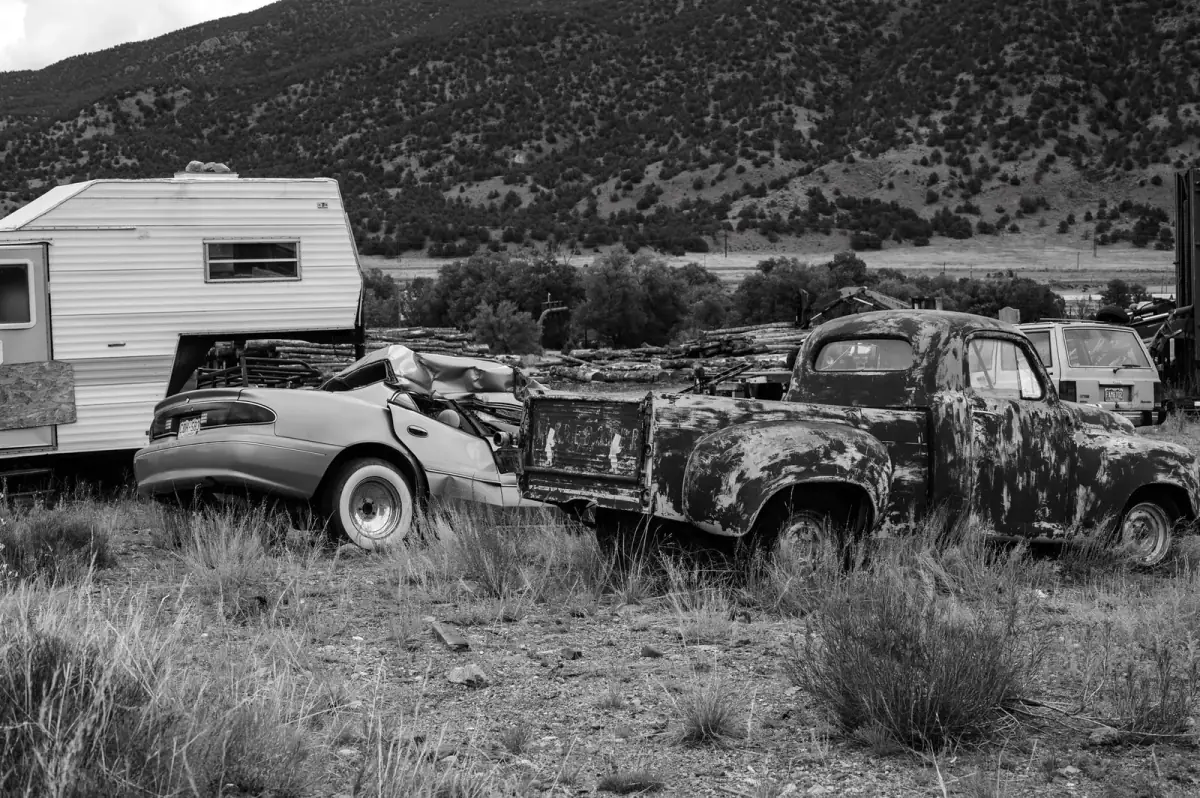
A camper past its life
A travel trailer or pop-up that has become a leaky, moldy shell after years parked behind the house or at a campsite.
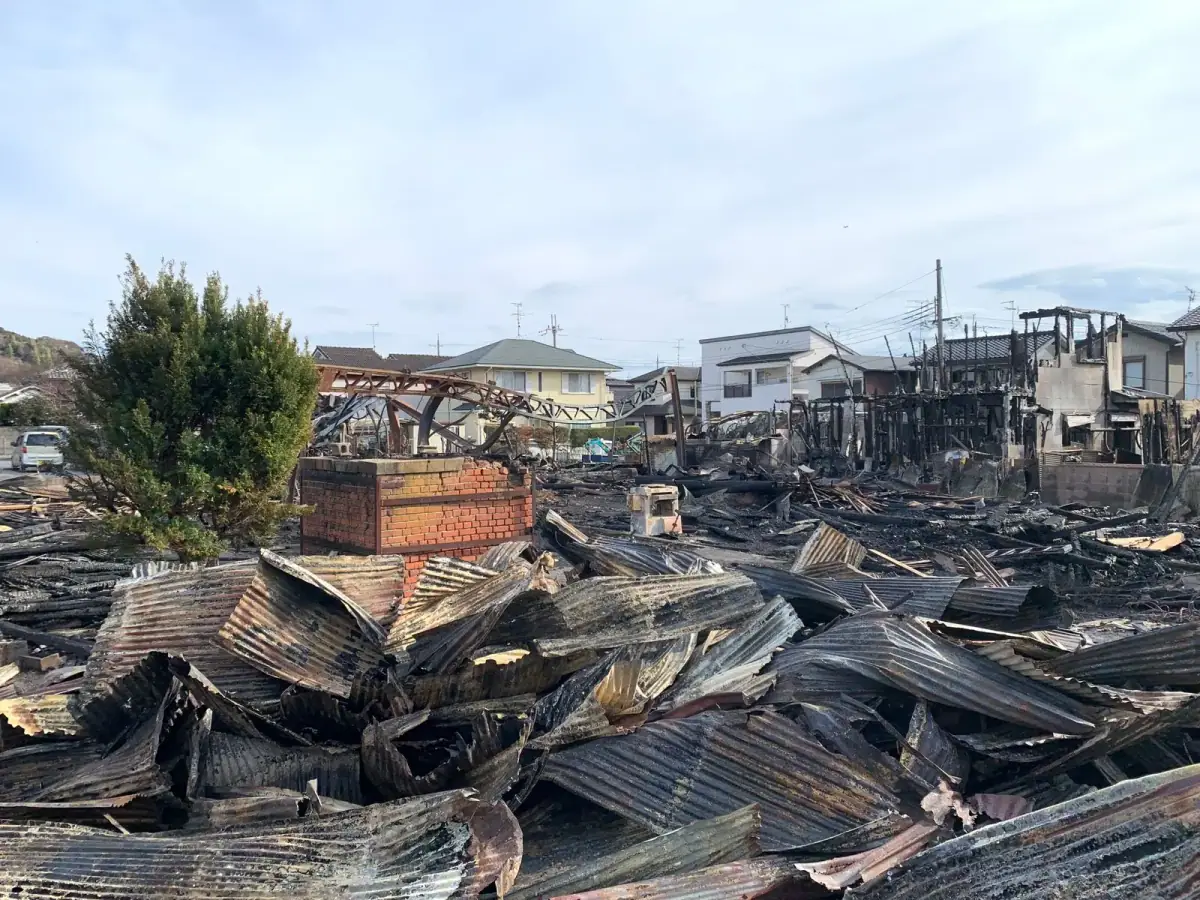
Storm and flood damage
Hurricanes and flooding regularly destroy campers across coastal and mountain North Carolina. Flood-damaged units are usually a total loss.

Sunk or immovable units
Trailers with flat or missing tires, rusted frames or sunken wheels that can no longer be towed and must be demolished on site.
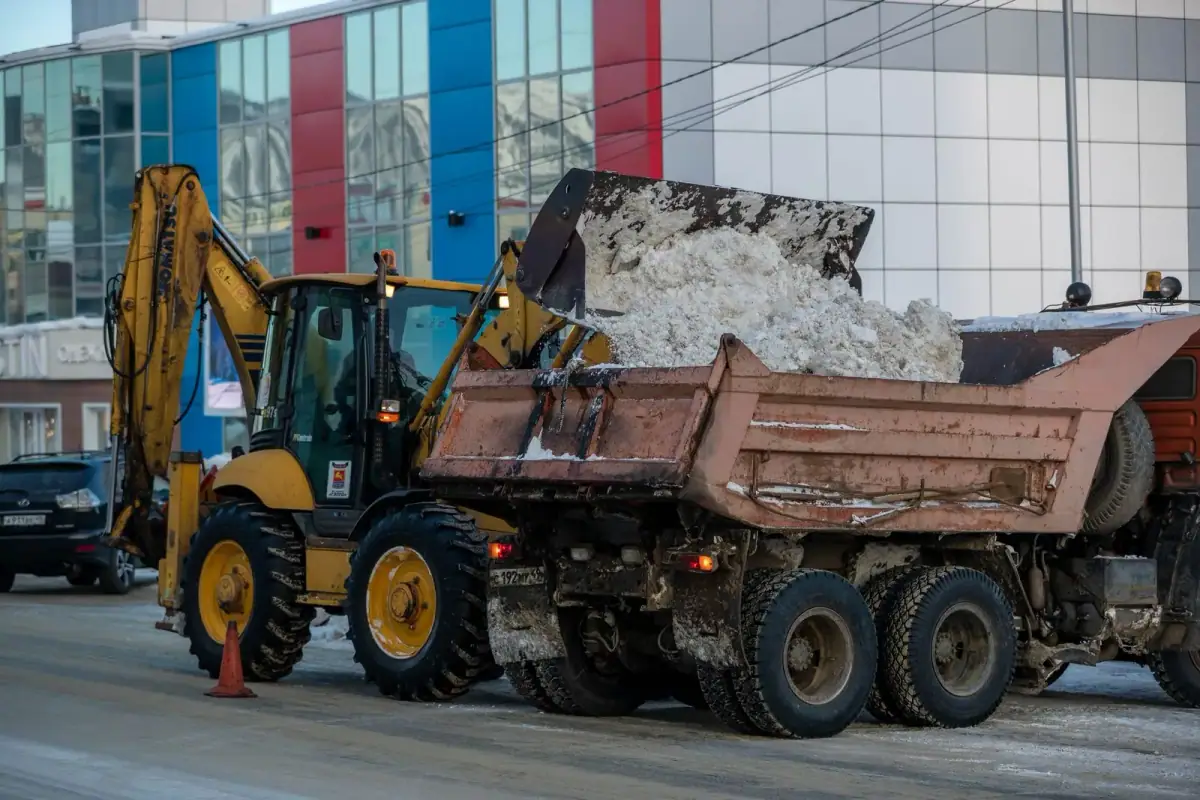
Clearing land or an estate
Old trailers on farms, hunting land and inherited property that need to go before the land is used or sold.
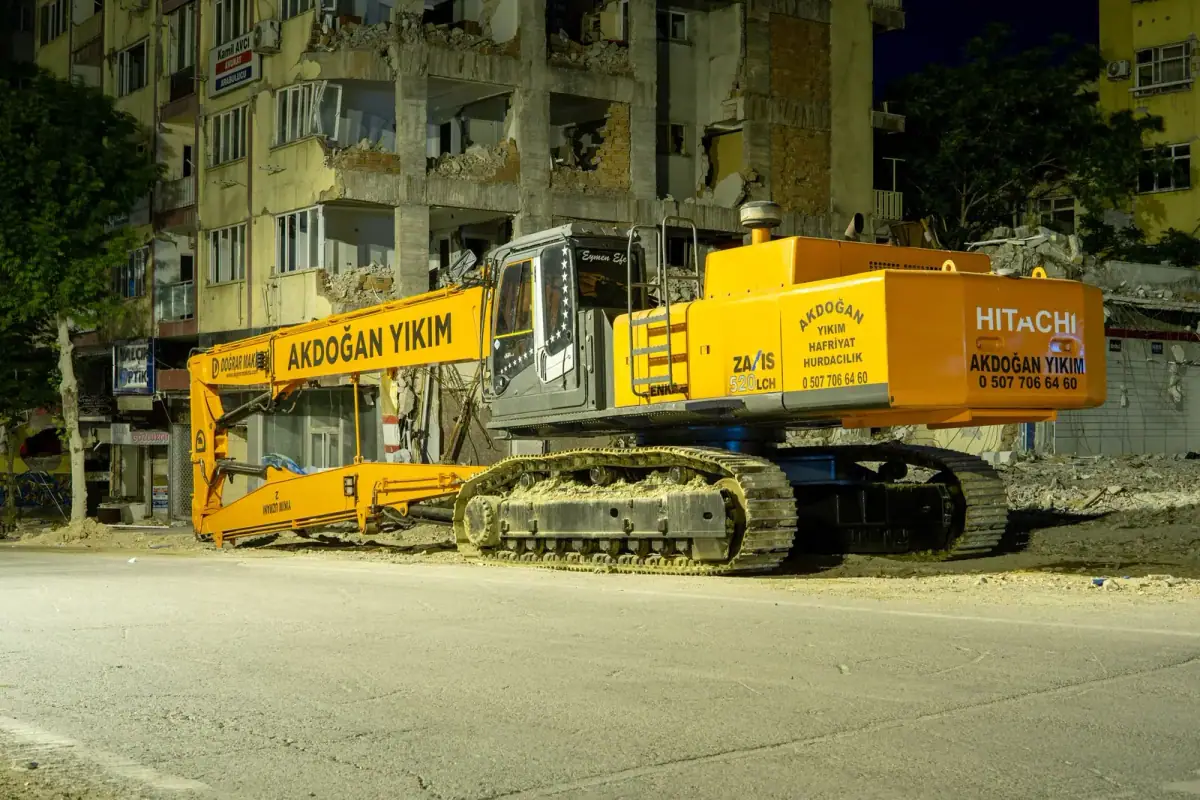
Office and construction trailers
Job-site offices and storage trailers removed at project close-out across the state.
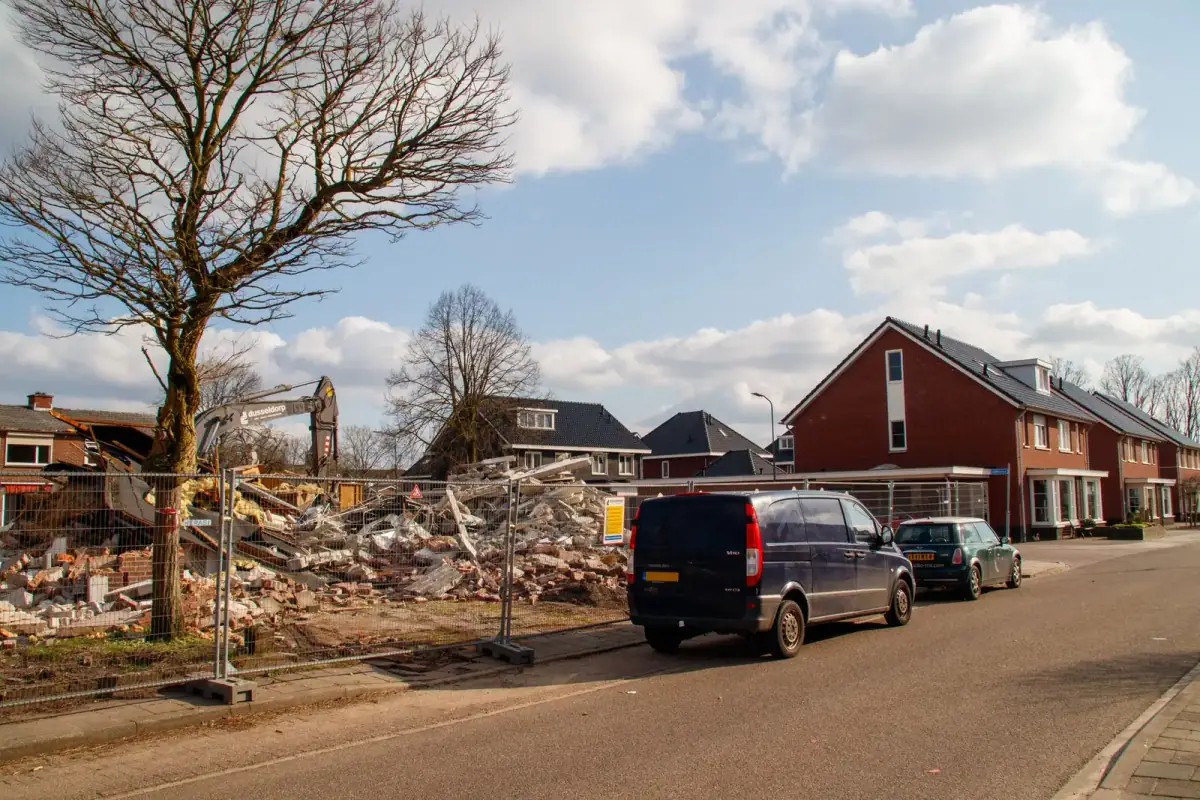
Campground and park turnover
Park models and seasonal units removed from campgrounds and lake lots between tenants.
What’s included in our trailer removal service
A complete trailer removal covers more than hauling the unit away. Every Alpha Demolish trailer removal in North Carolina includes:
- 01Quote from photos or a visit.
Many trailers can be quoted from photos and a location; others need a quick site visit.
- 02Ownership and title check.
We confirm the title or other proof of ownership before anything is scrapped.
- 03Contents removal.
Remaining furniture, belongings and trash are cleared out.
- 04Propane and tank handling.
LP cylinders, black and gray water tanks, batteries and fluids are removed and handled safely.
- 05Tow-away or on-site demolition.
Roadworthy trailers are towed; damaged or immovable units are demolished where they sit.
- 06Metal recycling.
Aluminum siding, steel frames, axles and copper are separated for recycling.
- 07Blocks, jacks and skirting.
Concrete blocks, jack stands, steps and skirting left behind are removed.
- 08Ground clean-up.
Debris and trash under and around the trailer are removed and ruts are filled.
Our trailer removal process, step by step
Trailer removal is usually quick once ownership is confirmed. Every job follows the same sequence:
Day 1
Quote
Send photos and the location. Many trailers can be quoted from photos alone; others need a quick visit.
Pre-removal
Ownership check
We confirm the title or other proof of ownership before anything is scrapped.
Removal day
Safety prep
Propane, holding tanks, batteries and contents are removed and handled correctly.
Removal day
Removal
The trailer is towed away or demolished and loaded on site, depending on its condition.
Handover
Clean-up and handover
Debris, blocks and trash are removed, ruts are filled, and we tidy the ground.
READY TO CLEAR THE SITE?
Tell us what needs to come down.
Send a few project details and our team will get back to you with the next steps.
What we remove and how we keep it safe
Trailers we remove
From small campers to large office trailers, towable or not, we remove them all.
- Travel trailers, pop-ups and teardrops
- Fifth-wheels and large RVs
- Park models and seasonal trailers
- Office, sales and construction trailers
- Cargo, utility and flatbed trailers
- Storm- and flood-damaged units
- Trailers with rotted floors or broken frames
- Attached decks, steps, awnings and skirting
Propane, tanks and other hazards
Old and abandoned trailers hold hazards that must be dealt with before removal.
- LP cylinders removed, capped and returned or recycled
- Black and gray water tanks emptied at approved sites
- House batteries and generator fuel recycled
- Refrigerant recovered from fridges and AC units
- Mold, rodents and wasps handled with protective gear
- Fluids kept off the ground and out of storm drains
- Contents cleared before demolition
- General liability and workers’ comp insurance
Trailer removal cost in North Carolina
Trailer removal is priced per unit, based mostly on size and whether it can be towed. We give a fixed quote from photos or after a quick visit.
| Cost factor | Why it matters |
|---|---|
| Size and weight | Small campers cost far less to remove than large fifth-wheels or office trailers. |
| Towable or not | Towing is usually cheaper than on-site demolition. |
| Location and access | Wooded lots, lake lots and soft ground may need smaller equipment. |
| Contents | Full trailers take longer to clear. |
| Distance | Remote sites add travel and hauling time. |
| Scrap value | Aluminum and steel can offset part of the cost. |
Removing several units in one visit, common on farms, hunting land and campgrounds, lowers the cost per unit.
How long does trailer removal take?
The removal itself usually takes a few hours. Most of the lead time is confirming ownership and scheduling the truck or equipment.
| Stage | Typical duration |
|---|---|
| Quote from photos or visit | Same day to a few days |
| Ownership / title confirmation | A few days to 2 weeks |
| Duplicate title (if needed) | Varies by NC DMV processing |
| Tow-away removal | A few hours |
| On-site demolition | A few hours to 1 day |
| Ground clean-up | Same day |
Tow away, demolish on site, or salvage?
How we remove a trailer depends on its condition and where it sits. We recommend the fastest, most cost-effective option on our visit.
Tow-away
If the frame, axles, hitch and tires are sound and the path is clear, towing is usually fastest and cheapest. The trailer goes to a recycler or disposal facility.
On-site demolition
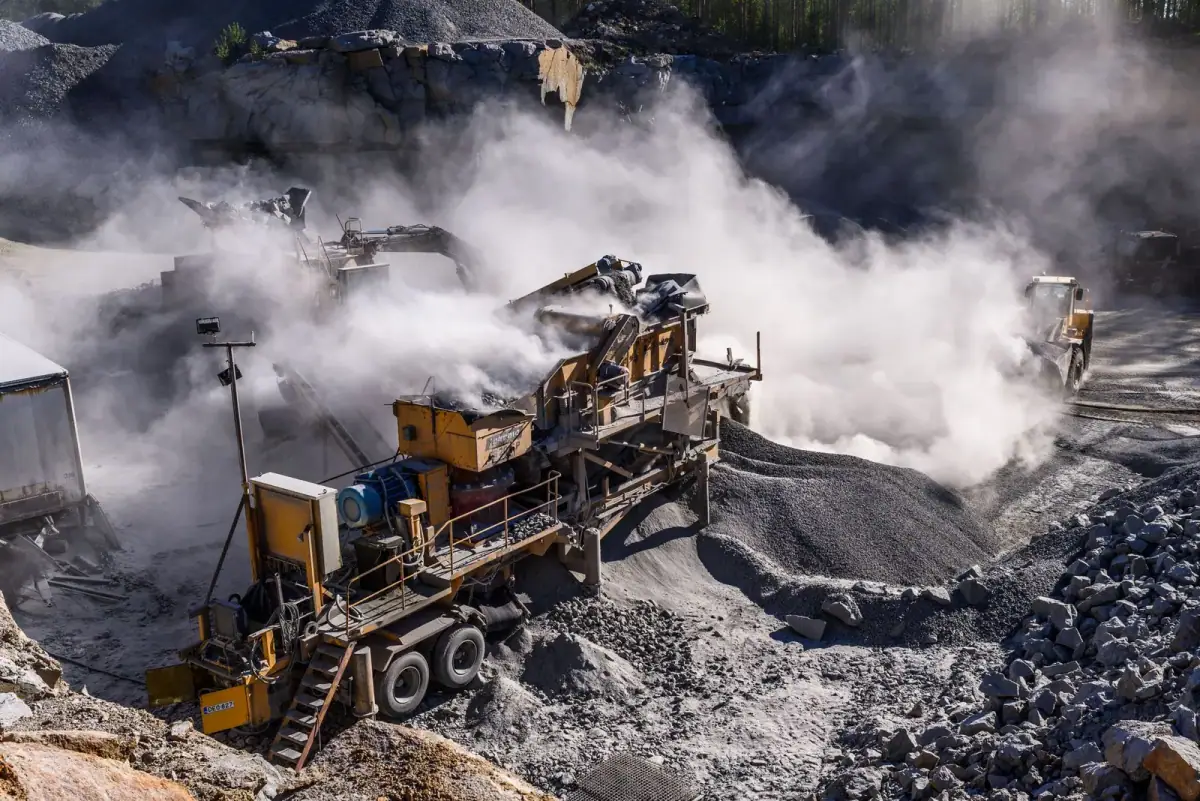
Flat or missing tires, a rusted frame, sunken wheels or no road access mean we take the trailer apart where it sits and load the pieces.
Salvage and recycling
Aluminum siding, steel frames, axles and appliances are recycled, and units in fair condition can sometimes be sold for parts.
Trailers that sat for years usually leave ruts, dead grass, blocks and hidden trash behind. We remove the debris, fill ruts, and can spread topsoil and seed so the spot recovers.
Titles, ownership and paperwork in North Carolina
Most travel trailers and campers in North Carolina are titled and registered through the NC Division of Motor Vehicles, just like a vehicle. Before a trailer is scrapped, ownership has to be clear. We confirm what applies to your situation:
- Your own trailer. Have the title ready. When a titled trailer is scrapped, the title is typically signed over to the recycler or surrendered so it is no longer registered to you. Cancel the registration and insurance as well.
- Lost titles. If you own the trailer but lost the title, you can usually apply for a duplicate from the NC DMV before disposal.
- Trailers left on your property. You cannot simply scrap a trailer you do not own. North Carolina has procedures for abandoned and derelict vehicles on private property, which usually involve law enforcement or the DMV before removal.
- Office and construction trailers. Rented units go back to the rental company. Owned units follow the same title steps as other trailers.
- Insurance documentation. For storm- and flood-damaged units, we provide photos and itemized invoices for your claim.
We only scrap or demolish a trailer once ownership is clear. It protects you, and it protects us. When ownership is unclear, confirm your rights with the NC DMV or an attorney before disposal.
How to prepare for trailer removal
A little preparation makes removal day quick. Before we arrive:
NOT SURE YET?
Let’s talk through your trailer removal
Send a few photos and the location and a specialist will confirm whether it can be towed or needs on-site demolition, plus a ballpark cost — no commitment needed.
Debris removal and recycling
Most of a trailer can be recycled rather than landfilled. We separate materials as we remove them:
- Aluminum and steel. Siding, frames, axles and structural steel go to scrap recyclers, often offsetting part of the cost.
- Copper and wiring. Copper wiring and plumbing are separated for recycling.
- Appliances. Refrigerators and AC units have refrigerant recovered before the metal is recycled.
- Propane cylinders. Returned to a supplier or recycled — never crushed or landfilled.
Remaining mixed debris goes to permitted facilities, and we provide disposal records for insurance or estate files on request.