Garage demolition across North Carolina
Old garages are some of the most common structures we remove in North Carolina. Many were built decades ago with shallow footings, untreated framing and single-layer roofs that have not aged well in our humid climate. Termites, wood rot, roof leaks and storm damage eventually make them unsafe or not worth repairing.
Alpha Demolish removes detached garages, attached garages, carports and garage additions for homeowners, builders and investors across the state. We take the structure down, break out the slab and footings, disconnect and make safe any electrical service, haul away the debris, and leave the area graded and ready for a new garage, an accessory dwelling unit (ADU), a wider driveway or lawn.
Garage demolition looks simple, but attached garages share walls, roof framing and sometimes foundations with the house. Detached garages often hide buried electrical feeds, old fuel containers or asbestos-containing materials. Planning for those details is what keeps the job safe and on budget. This page explains what our garage demolition service includes, the permits and rules that apply in North Carolina, how the process works, what affects the cost and how to prepare.
When do you need garage demolition?
Homeowners across North Carolina call us to remove a garage for many different reasons. The most common are:
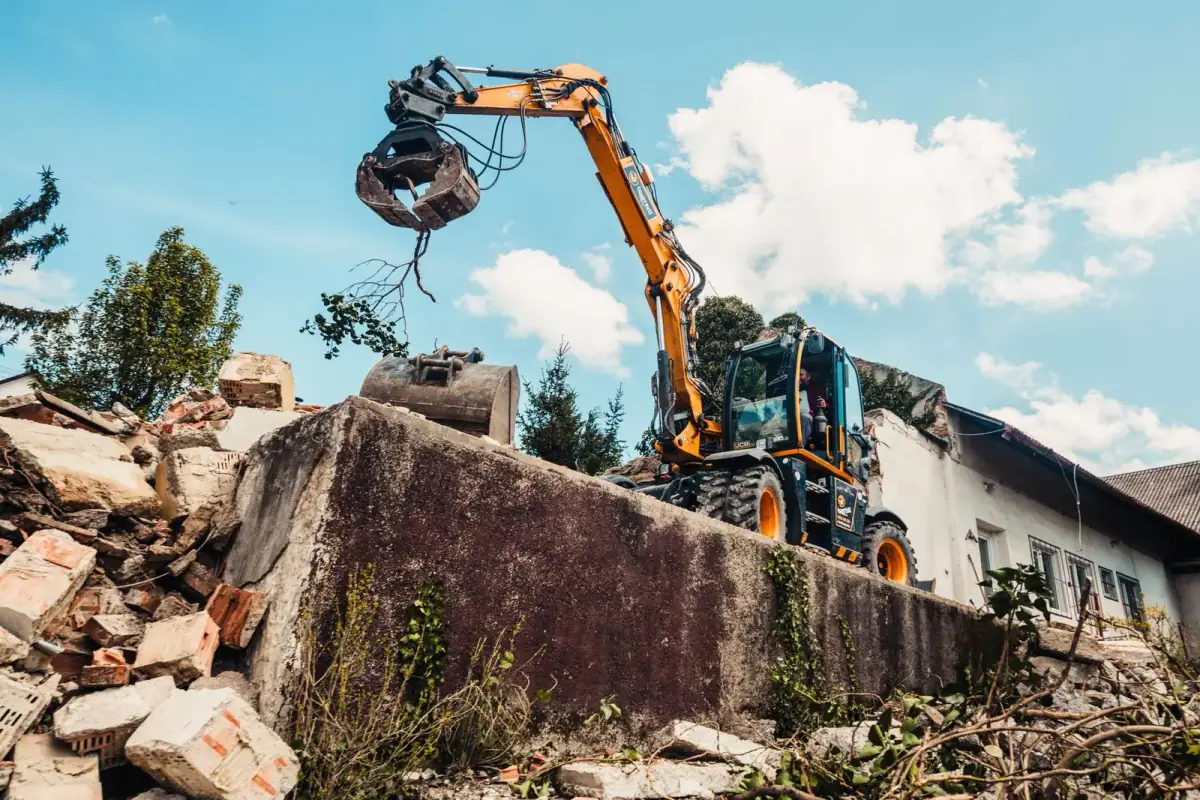
Rebuilding bigger or better
Many older North Carolina garages were built for one small car. Replacing them with a modern two-car garage, a workshop or a garage with living space above starts with removing the old structure.
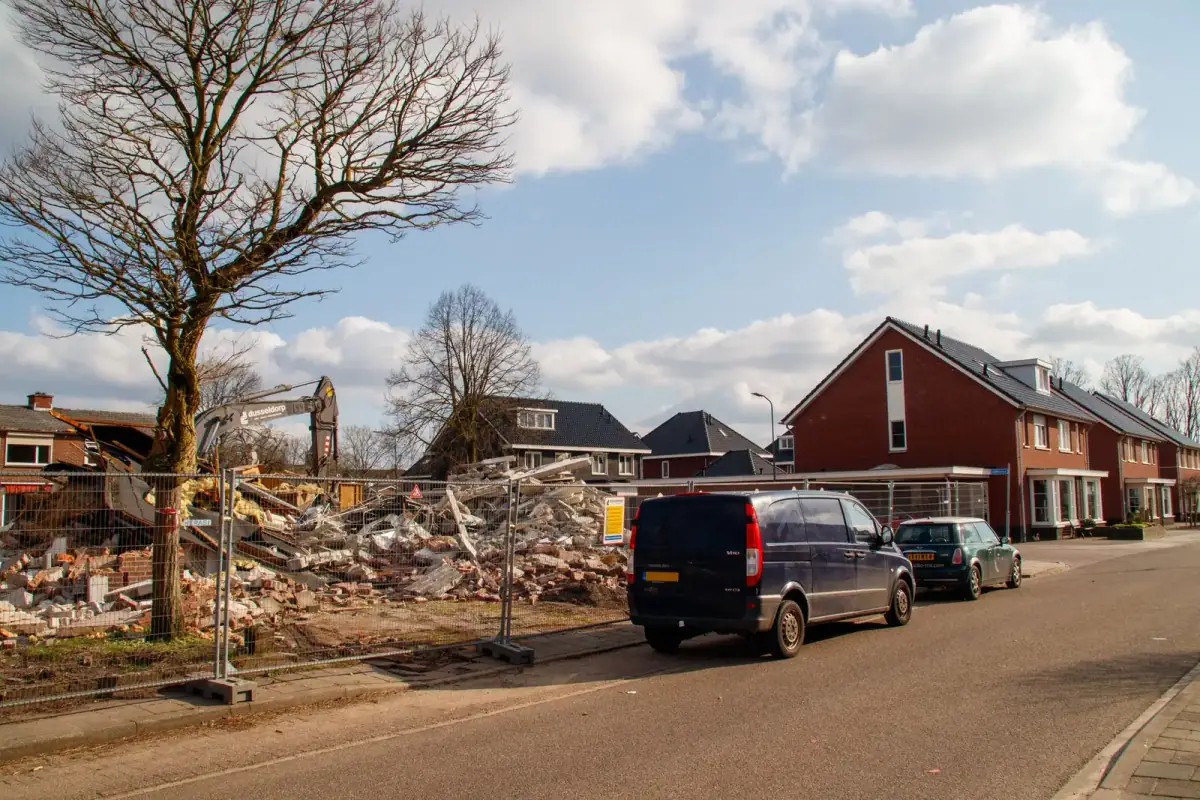
Making room for an ADU
Cities including Raleigh, Durham and Charlotte now allow accessory dwelling units on many residential lots. An aging detached garage is often the ideal spot for a backyard cottage or garage apartment.
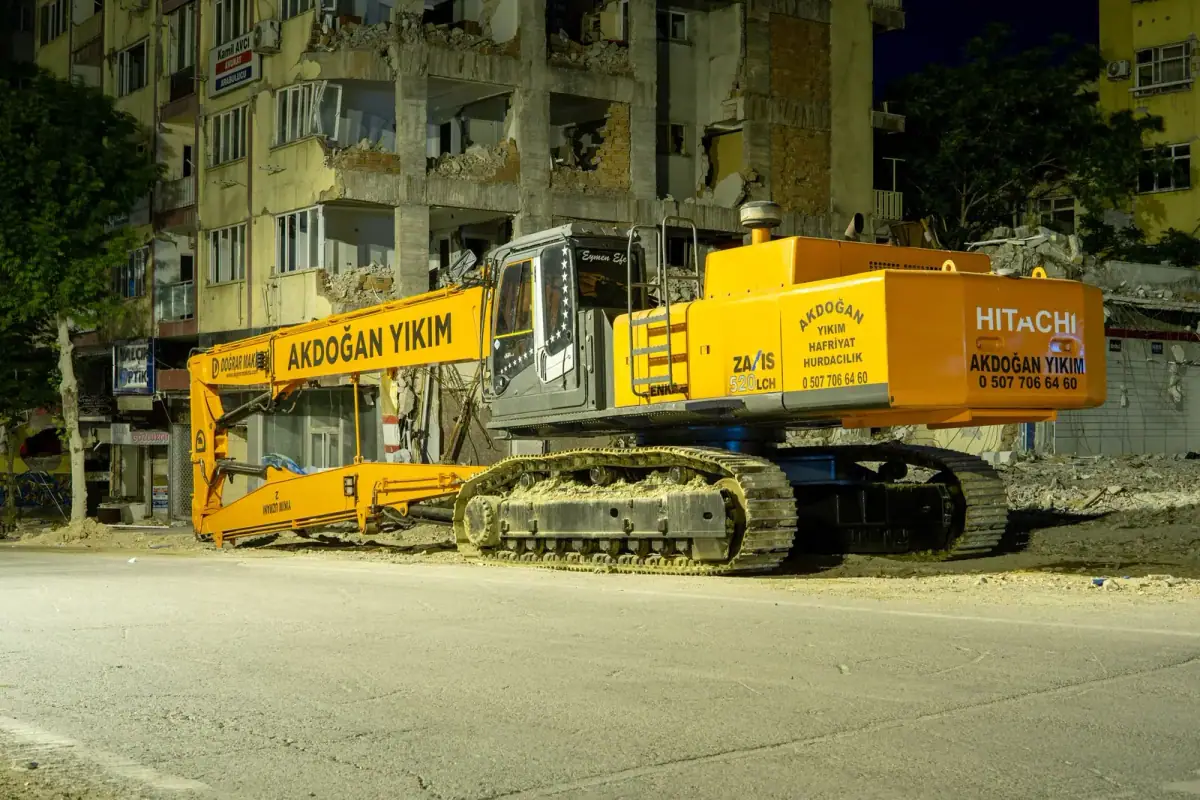
Termite, rot and moisture damage
Subterranean termites are active across North Carolina, and garages with wood sills near the soil are especially vulnerable. Once the framing is compromised, replacement is usually safer than repair.
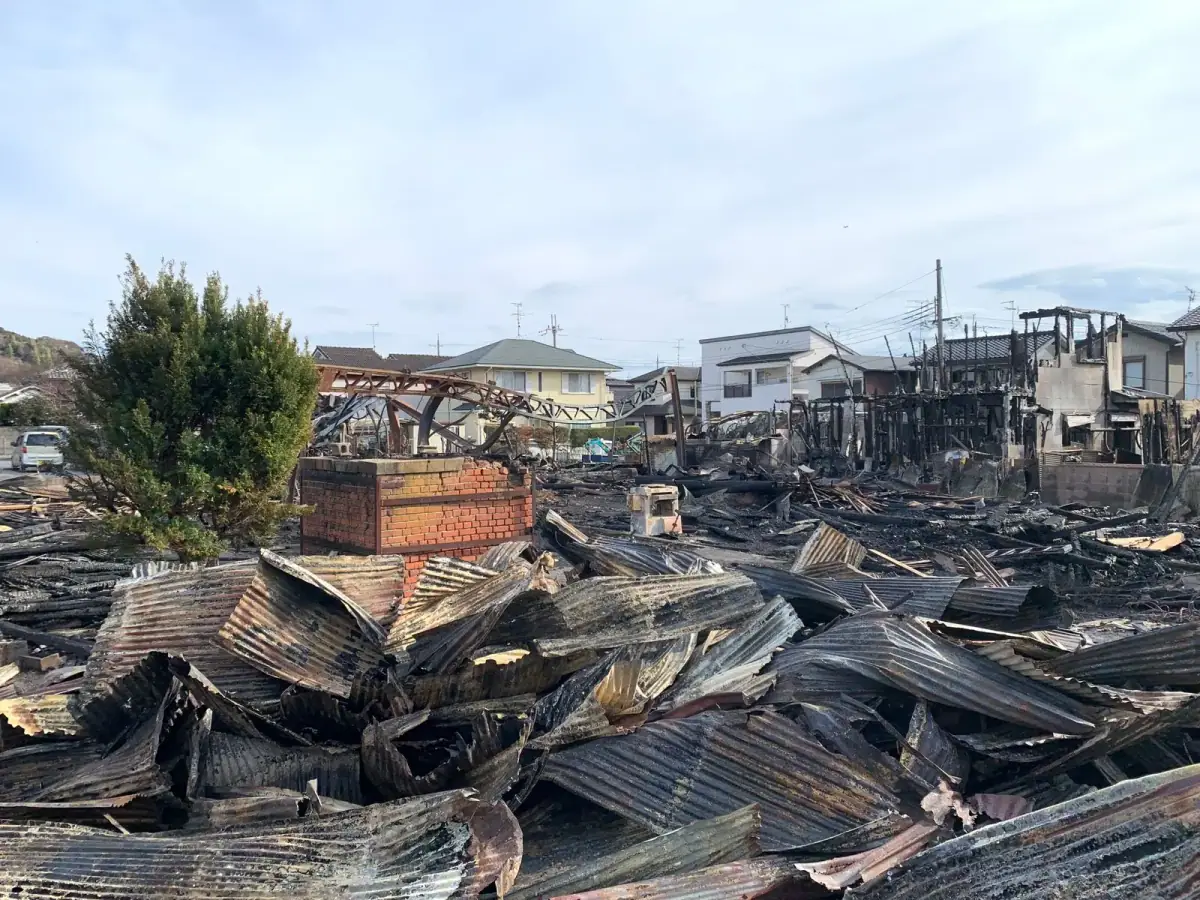
Storm and tree damage
Hurricanes, tropical storms and falling trees regularly damage garages and carports, from the coast to the mountains. We remove damaged structures safely and document the work for insurance.

More yard or driveway space
Removing an unused garage can open up the backyard, create room for a pool or patio, or allow a wider driveway and parking area.
Preparing to sell
A leaning or leaking garage can hurt a home inspection and the sale price. Removing it gives buyers a clean slate.
What’s included in our garage demolition service
A complete garage removal is more than pulling down four walls. Every Alpha Demolish garage demolition in North Carolina includes the following scope, planned and priced up front so there are no surprises:
- 01Site visit and fixed estimate.
We measure the garage, check equipment access, and identify trees, fences, driveways and utilities that need protection.
- 02Permit and asbestos coordination.
We file the demolition permit and arrange an asbestos inspection where required.
- 03Utility disconnects.
Electrical, water, gas and communications lines to the garage are disconnected and capped by the right parties.
- 04Contents and hazardous items.
Old paint, fuel, oil, pesticides, tires, batteries and appliances are removed and disposed of properly. North Carolina bans tires, lead-acid batteries, used oil and major appliances from landfills.
- 05Garage door spring release.
Torsion and extension springs store a large amount of energy. We release them safely before removing doors and tracks.
- 06Structural demolition.
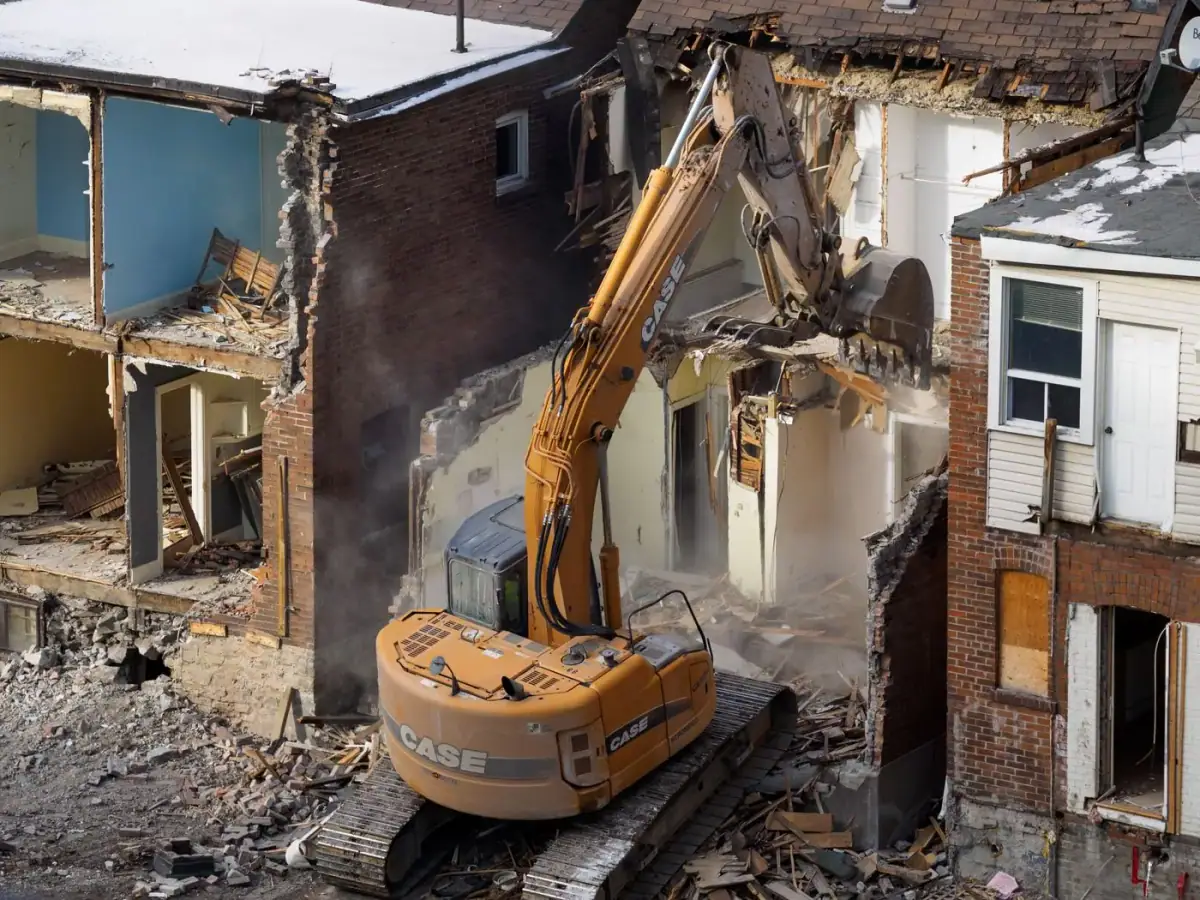
Roof, walls and doors are removed with an excavator, or by hand in tight spaces.
- 07Slab and footing removal.
The slab, apron and footings are saw-cut where they meet a driveway or the house, broken out and hauled away.
- 08Driveway protection.
We use ground mats and plan truck routes to avoid cracking your driveway.
- 09Debris sorting and recycling.
Concrete, metal and clean wood are separated for recycling, and the rest goes to a permitted C&D facility.
- 10Backfill and grading.
The footprint is filled, compacted and rough-graded to drain away from the house.
Our garage removal process, step by step
Every garage demolition follows the same proven sequence. Each step is scheduled in advance, and you always know what is happening next.
Day 1
Assessment and estimate
We inspect the garage, talk through your plans for the space, and send a written, itemized estimate, usually within a few business days.
Week 1–2
Permits and asbestos
We file the demolition permit and arrange an asbestos inspection where the older garage or your permit office requires one.
Week 1–2
Utility disconnects
Circuits fed from the house panel are terminated by a licensed electrician; a separate garage service is disconnected by your utility.
Pre-demo
Site preparation
Contents are cleared, doors and springs are made safe, and fencing and driveway protection go down.
Demo day
Demolition
The structure is taken down and loaded. A typical detached garage comes down in a few hours; attached garages are cut free from the house by hand.
1 day
Slab and footing removal
The slab, apron and footings are broken out, with saw cuts wherever concrete stays, and hauled to recycling.
Handover
Backfill, grading and handover
We backfill and compact the footprint, rough-grade to drain away from the house, and walk the site with you.
READY TO CLEAR THE SITE?
Tell us what needs to come down.
Send a few project details and our team will get back to you with the next steps.
What we demolish and how we keep it safe
Types of garages we demolish
From single-car frame garages to two-story structures with a bonus room, we remove them all.
- Detached wood-frame garages on slabs
- Detached block and brick garages
- Attached garages sharing a wall with the house
- Garages with apartments or storage above
- Carports and rural pole barns
- Prefabricated metal garages and steel buildings
- Storm-, fire- and termite-damaged garages
- Garages with attached workshops or lean-tos
Safety and protecting your home
Garage work often happens right beside the house, the driveway and the neighbor’s fence. Our crews plan for that on every job.
- Shared walls and roof framing identified first
- Garage cut free from the house by hand
- Exposed house wall closed in and weather-tight
- Ground mats to protect the driveway from equipment
- Garage door springs released before removal
- Dust control and a fenced work zone
- Structural engineer brought in when loads are shared
- General liability and workers’ comp insurance
Garage demolition cost in North Carolina
The cost of garage demolition depends mostly on size, construction and how much is being removed. Removing a small detached wood garage is a much smaller job than removing an attached two-car garage with a bonus room. We give every customer a fixed, itemized price after a free site visit.
| Cost factor | Why it matters |
|---|---|
| Size and height | One-, two- and three-car garages, and garages with a second story, produce very different debris volumes. |
| Construction type | Block and brick weigh more and take longer to remove than wood framing. |
| Attached or detached | Attached garages need hand work, separation and weatherproofing of the house wall. |
| Slab and footings | A thick or reinforced slab adds time and disposal weight. |
| Asbestos and hazardous materials | Abatement adds cost if asbestos-containing siding, roofing or flooring is found. |
| Site access | Backyard garages with no truck access need smaller equipment and more labor. |
| Contents and hazards | A garage full of belongings or hazardous items takes longer to clear. |
Steel from metal garages and carports is recycled for scrap value, which helps reduce the price. Insurance claims often need an itemized quote, and we provide one on request.
How long does garage demolition take?
The demolition itself is quick: most detached garages are down and hauled away in a single day, and attached garages take two to three days because of the hand work needed to separate them from the house. As with any demolition, the preparation, permits and utility disconnects take longer than the physical work.
| Stage | Typical duration |
|---|---|
| Site visit and estimate | A few business days |
| Asbestos inspection (if required) | About 1–2 weeks |
| Permit approval | A few days to 2 weeks, by jurisdiction |
| Electrical and utility disconnects | 1–2 weeks, depending on providers |
| Detached garage demolition | Usually 1 day, including the slab |
| Attached garage demolition | 2–3 days with house separation |
| Backfill and grading | Same day to 1 extra day |
Full removal, slab-only or partial garage demolition?
Most garage jobs are full removals, but depending on your plans it can make sense to keep the slab or remove only part of the structure.
Full garage removal
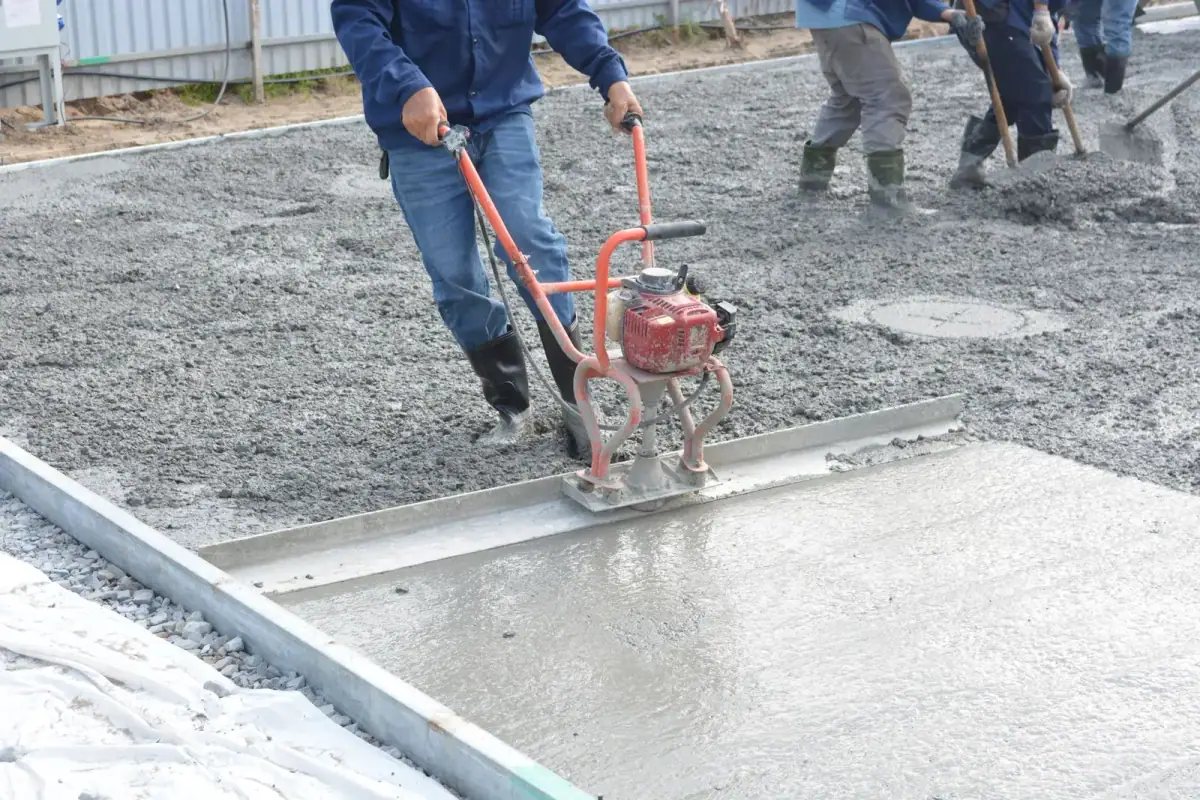
Structure, slab and footings are removed and the footprint is backfilled and graded. Best for a new lawn, driveway or a garage of a different size and position.
Remove structure, keep the slab
The garage comes down but a sound slab stays in place for your builder to reuse for a new garage or ADU. This can reduce cost when the slab suits the new design.
Partial demolition
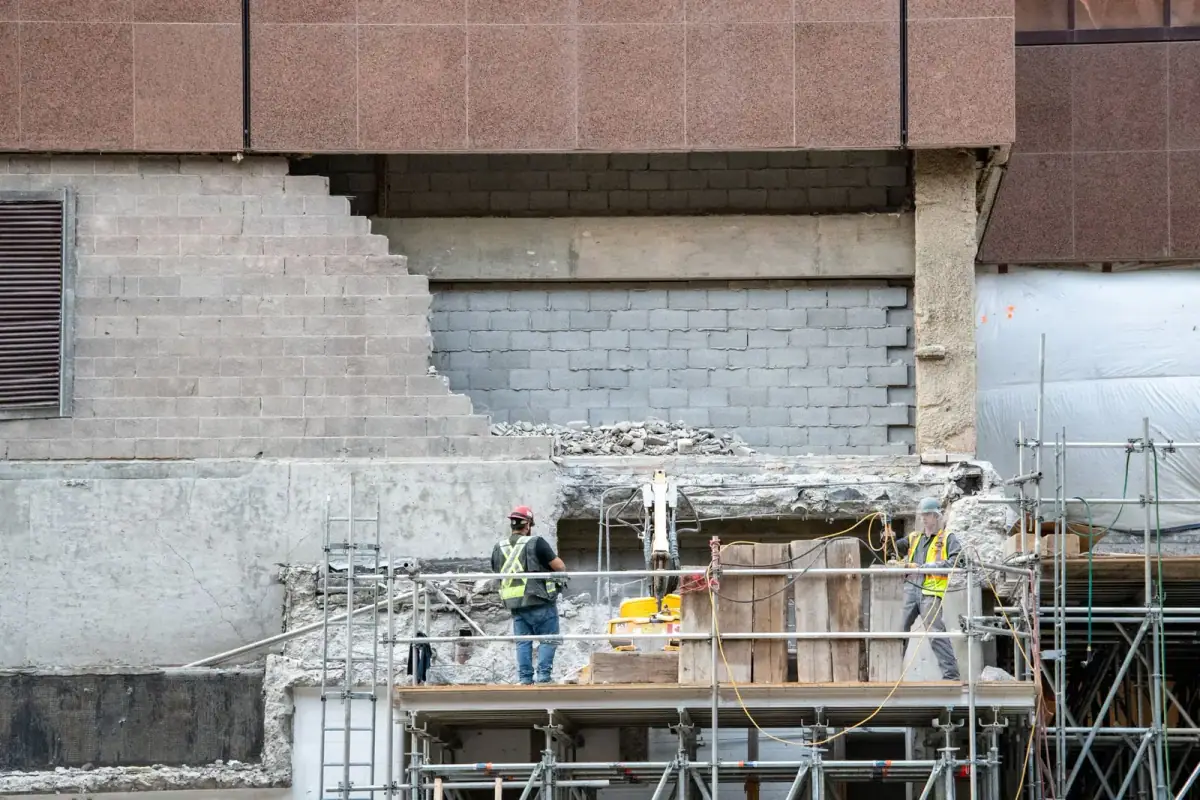
A failing addition, carport, roof or lean-to is removed while the rest of the garage stays. This needs careful separation and weatherproofing of what remains.
We help you weigh the options for your property, and your builder’s plans, before you commit to a scope.
Garage demolition permits and rules in North Carolina
Permit requirements for garage demolition vary by city and county in North Carolina. We confirm the exact list for your address during the estimate. In general:
- Demolition permit. Most local inspections departments require a demolition permit to remove a garage, especially an attached garage or one with electrical service. Very small detached accessory buildings may be exempt, but it is always worth confirming before work starts.
- Asbestos inspection. Many permit offices ask for an asbestos inspection by an NC-accredited inspector before demolition. Older garages can contain asbestos in cement siding, roof shingles, floor tiles, window glazing and pipe insulation.
- Electrical disconnect. Power to the garage must be disconnected and made safe. Circuits fed from the house panel are terminated by a licensed electrician; a separate electric service is disconnected by your utility.
- NC 811 before digging. Before we break out the slab or footings, we request an NC 811 locate so buried utilities running to the garage are marked and protected.
- Historic districts. In a local historic district, removing a garage or outbuilding may need a certificate of appropriateness from the historic preservation commission.
- HOA approval. Many North Carolina neighborhoods require HOA architectural approval before an exterior structure is removed or replaced.
- Zoning for what comes next. If you plan a new garage or ADU, local zoning sets setbacks, size and height limits. We can leave the slab for your builder or clear the site completely, depending on your plans.
Permit applications, asbestos coordination, electrical disconnect scheduling and NC 811 requests are all part of our garage demolition service. You approve the plan; we manage the process.
How to prepare for garage demolition
A little preparation keeps your project on schedule. Before demolition day:
You do not need to be home on demolition day. We send photos when the garage is down and again when the site is graded.
NOT SURE YET?
Let’s talk through your garage project
Every garage is different. Call us or send a few details and a project specialist will walk you through options, timing and a ballpark cost — no commitment needed.
Debris removal and recycling
A garage produces a surprising amount of debris. Instead of sending everything to a landfill, we sort materials on site so they can be reused or recycled:
- Concrete and masonry. Slabs, footings, block and brick are crushed and reused as aggregate, base and fill.
- Metals. Steel garage frames, doors, tracks and wiring go to scrap recyclers, often offsetting part of the cost.
- Clean wood. Untreated framing and sheathing are diverted for mulch, fuel or reuse where facilities accept it.
- Hazardous items. Paint, fuel, batteries, tires and appliances are recycled or disposed of separately, as North Carolina rules require.
Remaining mixed debris goes to permitted construction and demolition facilities. We keep disposal records, which are useful for lenders, insurers and green building programs.