Residential concrete removal in North Carolina
Concrete lasts a long time, but not forever. Across North Carolina, walkways crack as clay soils swell and shrink, pads settle, tree roots lift slabs, and old footings get in the way of new projects. Sometimes concrete simply has to go to make room for something new.
Alpha Demolish removes all kinds of residential concrete across North Carolina. We handle small jobs, like a cracked walkway or an old AC pad, and larger ones, like clearing several pads, footings and curbs ahead of a renovation. Every job gets clean saw-cut edges where concrete stays, controlled dust, and recycling instead of landfill.
This page explains what our concrete removal service includes, how we control silica dust and protect your property, the permit and stormwater rules that apply, what affects the cost and how to prepare.
When do you need concrete removed?
Homeowners across North Carolina call us to remove concrete for many reasons. The most common are:
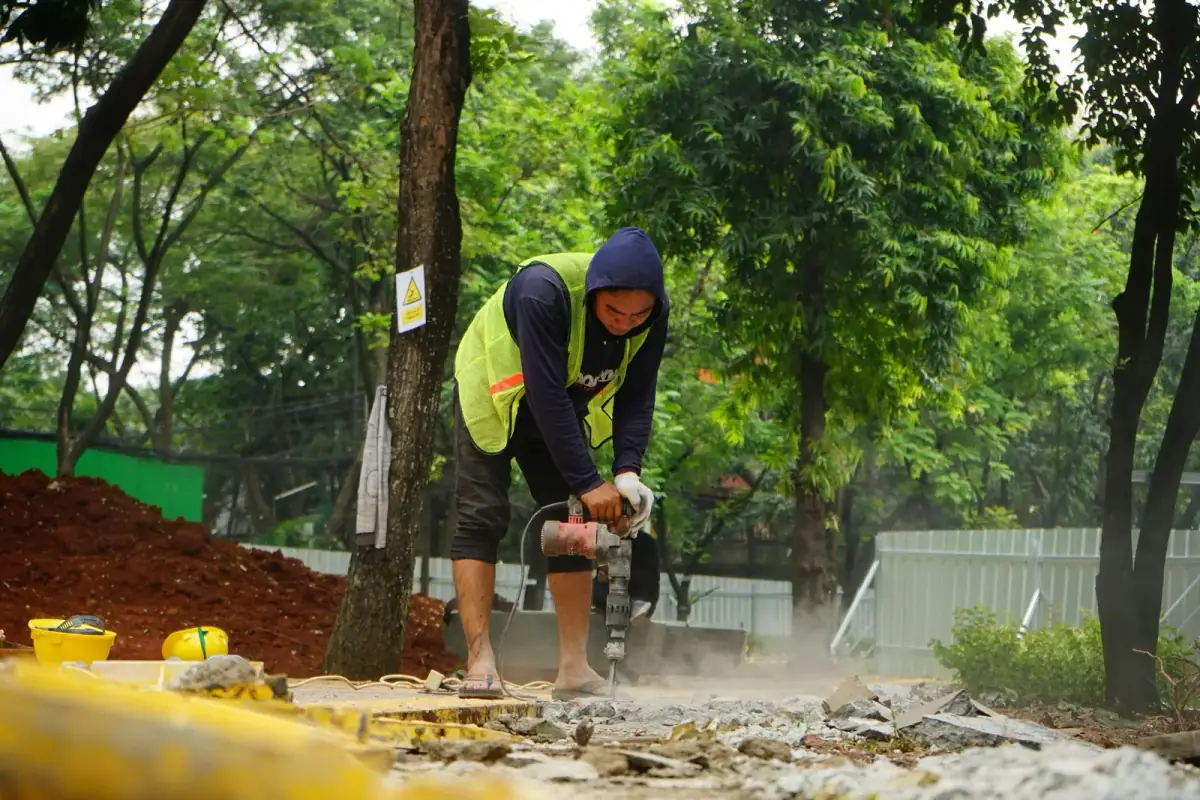
Cracked walkways and paths
Walkways and garden paths that crack as clay soils swell and shrink, becoming trip hazards that patching no longer fixes.
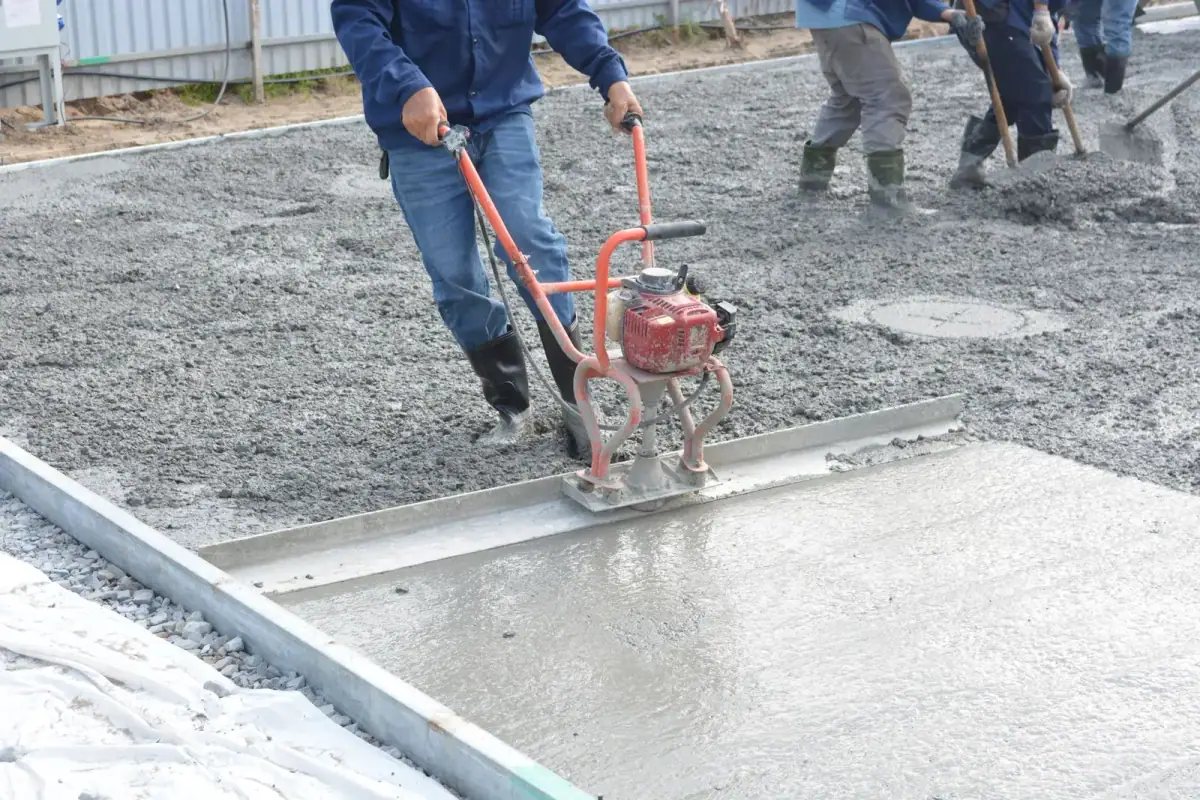
Settled or lifted pads
AC, generator, trash-can and equipment pads that have settled, or slabs lifted by tree roots.
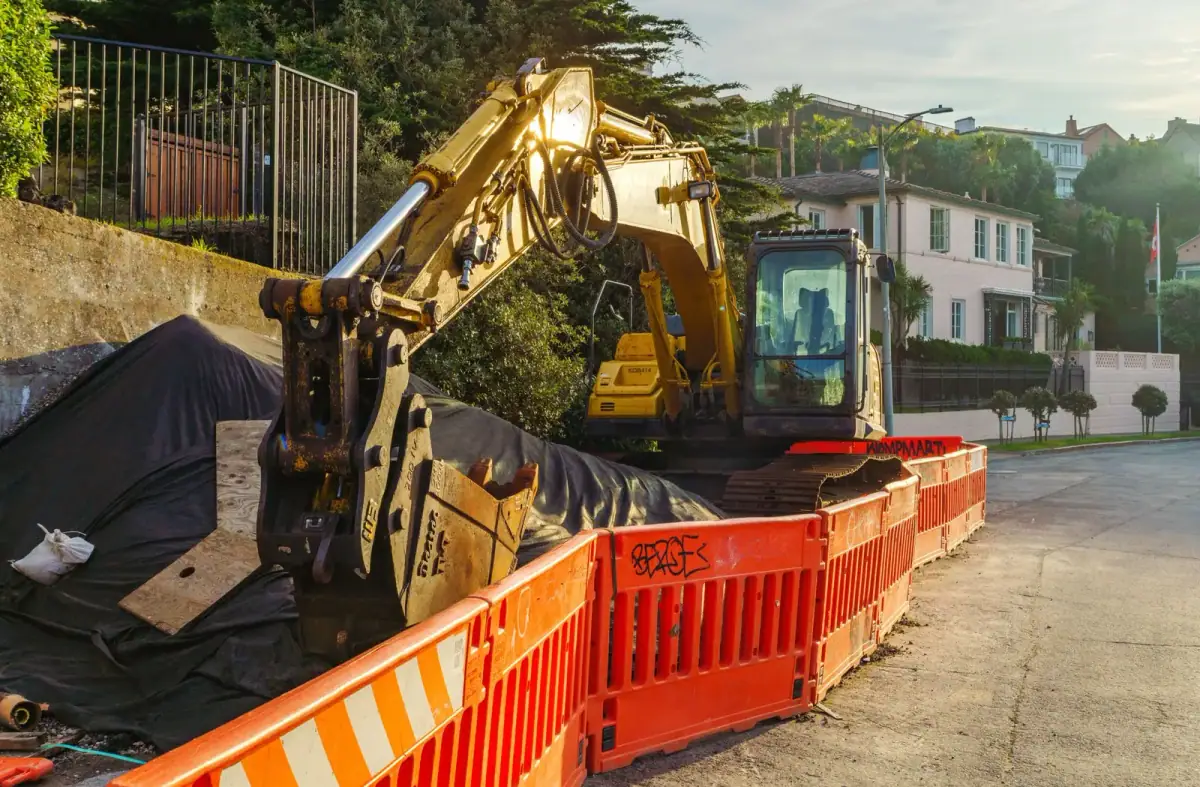
Old footings in the way
Footings, piers, post bases and fence or mailbox bases that block a new project.
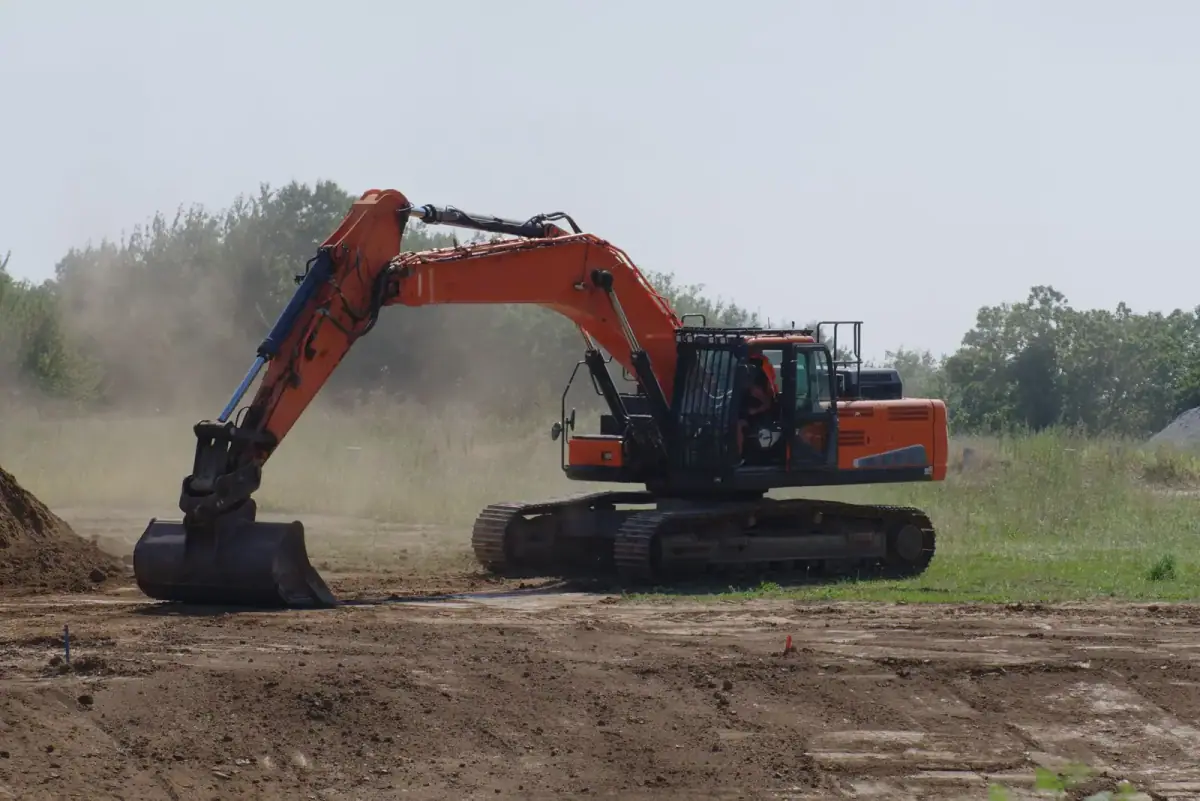
Making room for new work
Clearing pads, curbs and edging ahead of a patio, addition, garden or hardscape install.
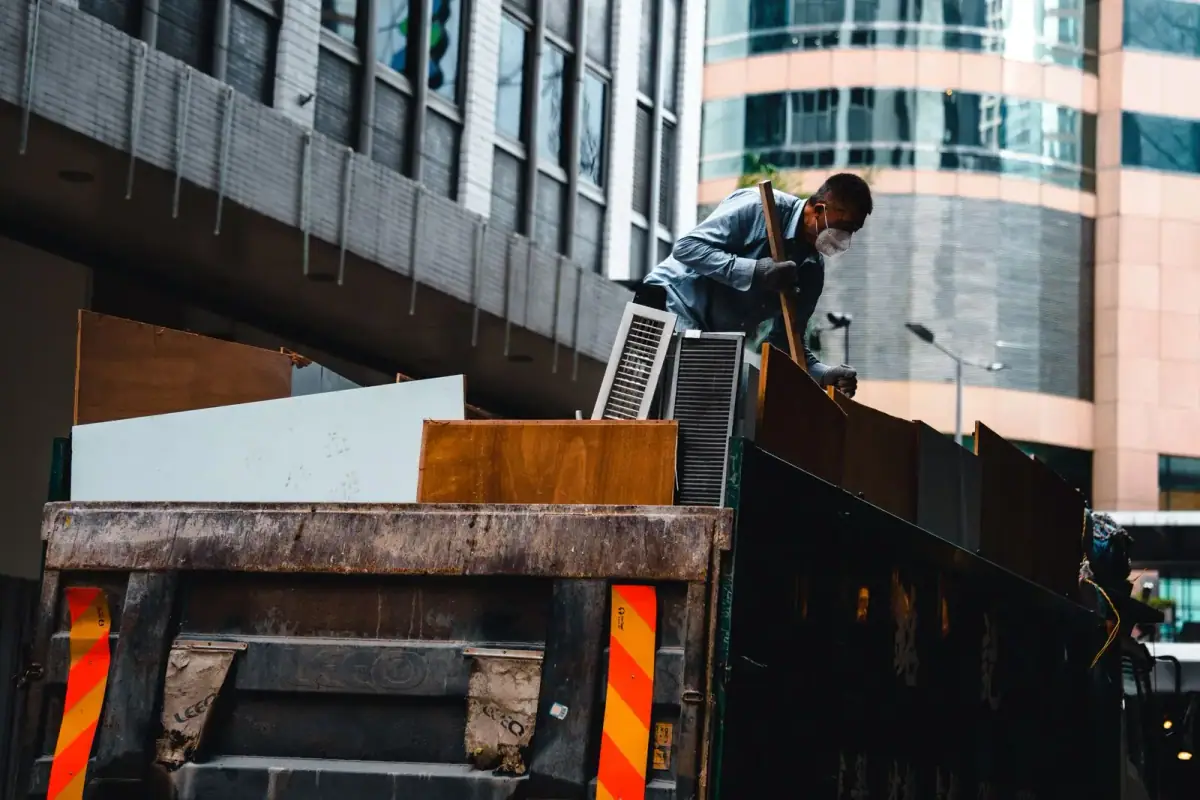
Buried concrete
Old slabs, footings and rubble found while digging for a garden, fence or foundation on an older lot.
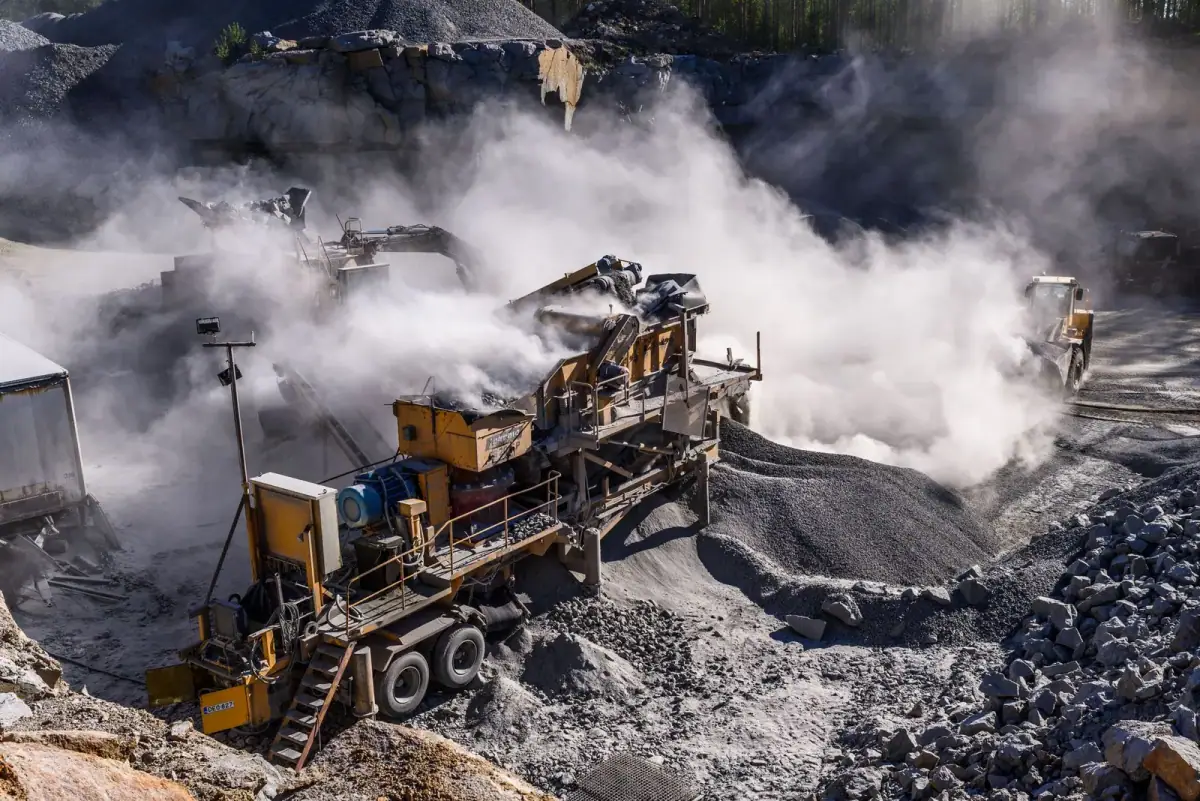
Leftover demolition debris
Concrete debris left behind from earlier projects that needs to be cleared and recycled.
What’s included in our concrete removal service
A clean concrete removal is more than swinging a breaker. Every Alpha Demolish concrete removal in North Carolina includes:
- 01Visit and fixed quote.
We measure the area, check thickness and reinforcement, and give you a fixed price.
- 02NC 811 locate.
We request a utility locate for any work below grade.
- 03Saw-cutting.
Diamond saws cut clean, straight lines where old concrete meets concrete that stays, so remaining edges do not crack or chip.
- 04Dust control.
Water-fed saws and wet methods keep silica dust down and away from windows, vents and neighbors.
- 05Breaking.
Hand breakers for tight spaces and near foundations; skid steers and mini excavators for larger areas.
- 06Rebar and mesh separation.
Steel reinforcement is cut free and recycled as scrap.
- 07Loading, hauling and recycling.
Broken concrete is loaded and taken to a recycler to be crushed into aggregate.
- 08Grading and clean-up.
The ground is leveled to the depth your next project needs, and the area is swept or washed down.
Our concrete removal process, step by step
Every concrete removal follows the same sequence, with the least disruptive method chosen for each job:
Day 1
Visit and quote
We measure the area, check thickness and reinforcement, and give you a fixed price.
Pre-work
Locate utilities
We request an NC 811 locate for any work below grade.
Work day
Protect the site
Ground mats, plastic and barriers go down around the work area to protect lawns, plants and AC units.
Work day
Cut
Saw cuts separate the concrete coming out from anything that stays.
Work day
Break and load
Concrete is broken, steel is separated, and the material is loaded and taken to a recycler.
Handover
Grade, clean and handover
The ground is leveled, the area is swept or washed down, and we walk it with you.
READY TO CLEAR THE SITE?
Tell us what needs to come down.
Send a few project details and our team will get back to you with the next steps.
What we remove and how we keep it safe
Concrete we remove
From a single walkway to footings and buried rubble, we remove residential concrete of every kind.
- Walkways, garden paths and private sidewalks
- AC, generator and equipment pads
- Trash-can, dog-run and shed pads
- Old footings, piers and post bases
- Curbs, borders and edging
- Fence, mailbox and sign bases
- Basketball and sport-court slabs
- Buried concrete and old debris
Dust, noise and safety
Cutting and breaking concrete releases crystalline silica dust, which is harmful to breathe and controlled under OSHA rules.
- Wet cutting and water spray for dust control
- Dust kept away from windows, vents and neighbors
- Ground mats to protect lawns and driveways
- Protection for windows, doors, AC units and plants
- Hand work near foundations, pools and utilities
- Work hours that follow local noise ordinances
- NC 811 locates before digging below grade
- General liability and workers’ comp insurance
Concrete removal cost in North Carolina
Concrete removal is typically priced by area and thickness, adjusted for reinforcement and access. You get a fixed quote before we start.
| Cost factor | Why it matters |
|---|---|
| Area and thickness | More square footage and thicker concrete mean more breaking and hauling. |
| Reinforcement | Rebar and mesh take longer to break and separate. |
| Site access | Backyards without equipment access need hand breakers and carrying. |
| Saw-cutting | Long or deep cuts add time. |
| Base removal | Digging out stone or soil below the concrete adds labor. |
| Disposal | Clean concrete is cheaper to recycle than mixed debris. |
| Proximity to structures | Work next to foundations and pools needs slower hand methods. |
How long does concrete removal take?
Small areas are often done in a few hours; larger projects with reinforcement or tight access run one to two days. Work in the public right-of-way can add permit lead time.
| Stage | Typical duration |
|---|---|
| Site visit and estimate | Same day to a few days |
| NC 811 utility locate | 3 working days before digging |
| Right-of-way permit (if needed) | A few days to 2 weeks |
| Small pad or walkway removal | A few hours |
| Larger or reinforced areas | 1–2 days |
| Grading and clean-up | Same day |
What happens after the concrete is gone
We finish the ground ready for whatever comes next, and remove buried concrete completely so it will not interfere later.
Ready for new concrete
We leave the subgrade graded and compacted for your concrete contractor, or excavate to the depth a paver or hardscape base needs.
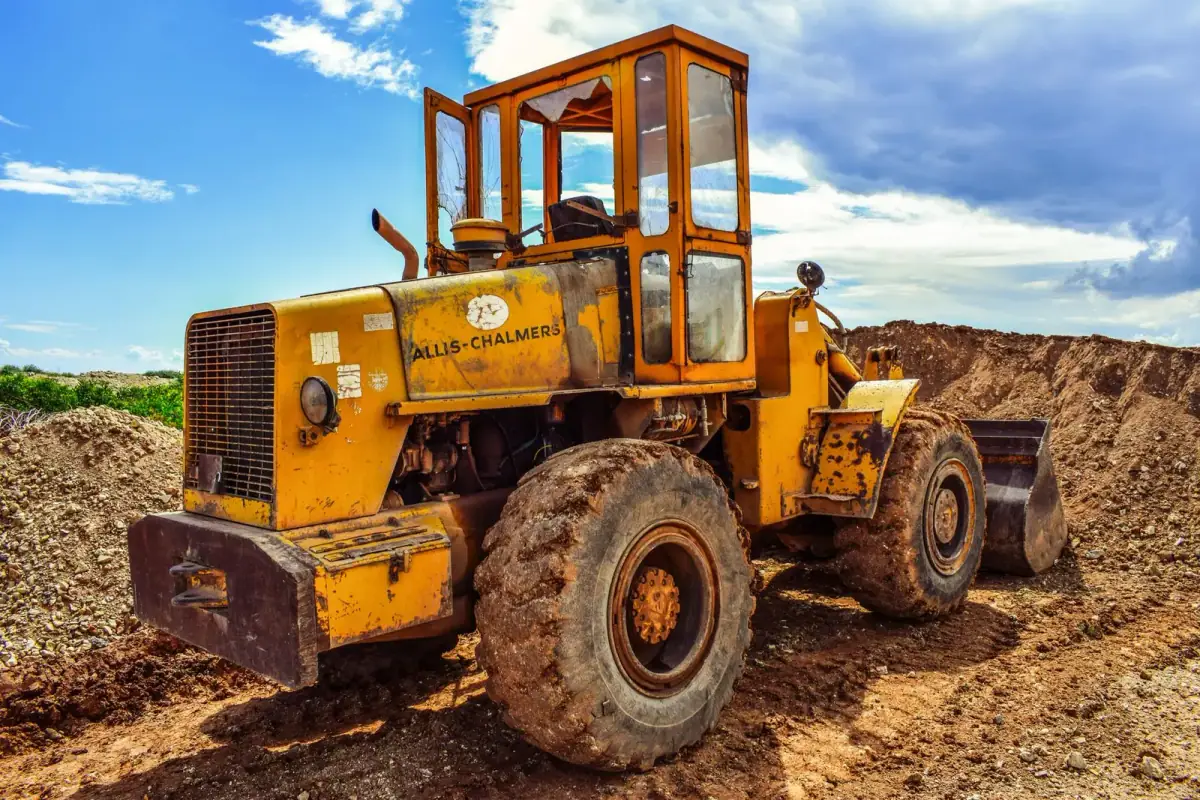
Back to lawn or garden
We remove the stone base, loosen compacted clay and spread topsoil so the area returns to grass or planting.
Buried concrete dug out
Old slabs, footings and rubble on infill lots are located, dug out and hauled away, and the hole is backfilled with clean soil.
Permits, right-of-way and stormwater rules
Removing concrete on your own property usually does not need a permit, but the rules change near the street and around drainage. We confirm what applies to your address:
- On your property. Removing concrete on your own lot usually does not need a permit.
- Public sidewalks and curbs. Sidewalks and curbs in the public right-of-way belong to your city or NCDOT. Removing or replacing them usually needs a permit.
- Stormwater protection. Concrete slurry and saw-cutting water must be kept out of storm drains. Many North Carolina cities enforce rules against non-stormwater discharges.
- NC 811 before digging. Concrete over or near gas, water, electric and communication lines is removed with extra hand work after an NC 811 locate.
- Erosion control. Where removal exposes soil, we stabilize it so sediment stays on your property.
Right-of-way permits, NC 811 locates and stormwater protection are all part of our service. You approve the plan; we manage the process.
How to prepare for concrete removal
A little preparation keeps the job quick and protects your property:
NOT SURE YET?
Let’s talk through your concrete removal
From a single cracked walkway to footings and buried rubble, send a few details and a specialist will give you a fixed price and a plan — no commitment needed.
Concrete recycling in North Carolina
Concrete is one of the easiest demolition materials to recycle, and recycling usually costs less than landfill disposal. We sort as we remove:
- Clean concrete. Broken slabs are crushed and screened into recycled aggregate used as road base, fill and drainage stone.
- Steel reinforcement. Rebar and wire mesh are separated and recycled as scrap.
- Mixed or coated concrete. Painted, oil-soaked or mixed concrete is sorted on site and handled at the right facility.
- Base stone and soil. Clean stone is reused where possible; unsuitable material is hauled to a permitted facility.
Recycling facilities operate in and around most North Carolina metro areas, and we can provide disposal records on request.