Excavation across North Carolina
Every construction project depends on the ground beneath it. North Carolina’s ground varies widely: stiff red clay across the Piedmont, rock that can appear just a few feet down in parts of the Piedmont and mountains, and sandy soils with shallow groundwater in the coastal plain. A good excavator plans for these conditions instead of discovering them halfway through.
Alpha Demolish provides excavation across North Carolina for builders, contractors and property owners. We dig foundations and basements, trench for utilities and drainage, excavate for pools and ponds, and manage the soil we remove, with safe trenching and accurate grade control on every job.
This page explains what our excavation service includes, how we handle North Carolina’s ground conditions and groundwater, the utility-locate and trench-safety rules that apply, what affects the cost and how to prepare.
Excavation services
We handle excavation of every kind for construction and site work across North Carolina:
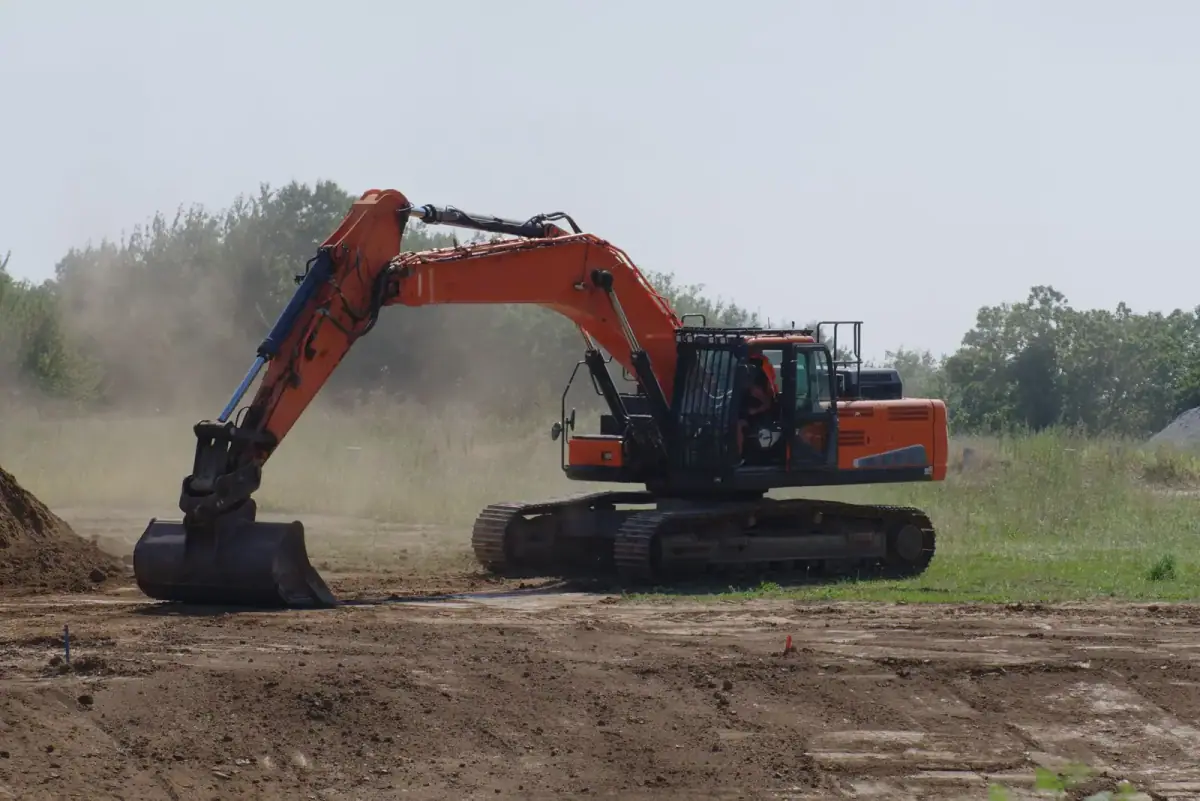
Foundations and footings
Footings and crawl space foundations excavated to plan depth and bearing soil.
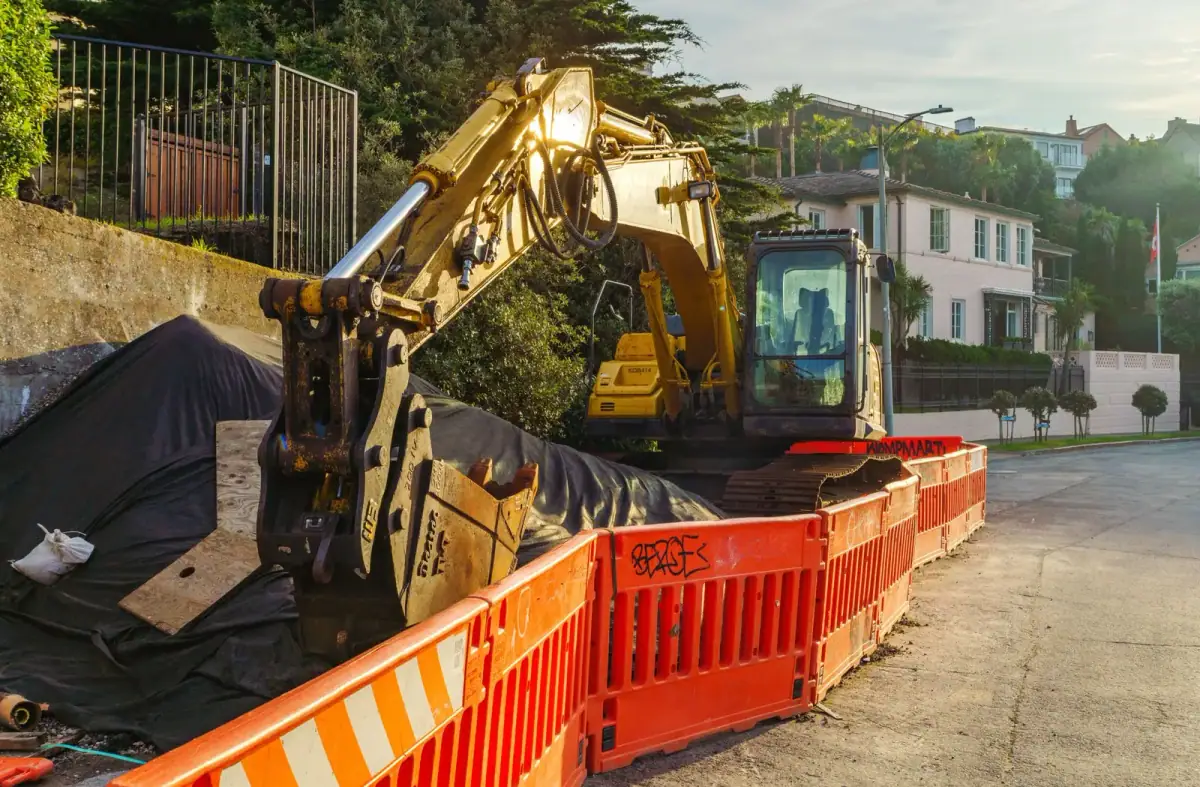
Basements
Full and walk-out basements, including on sloped mountain and Piedmont lots.
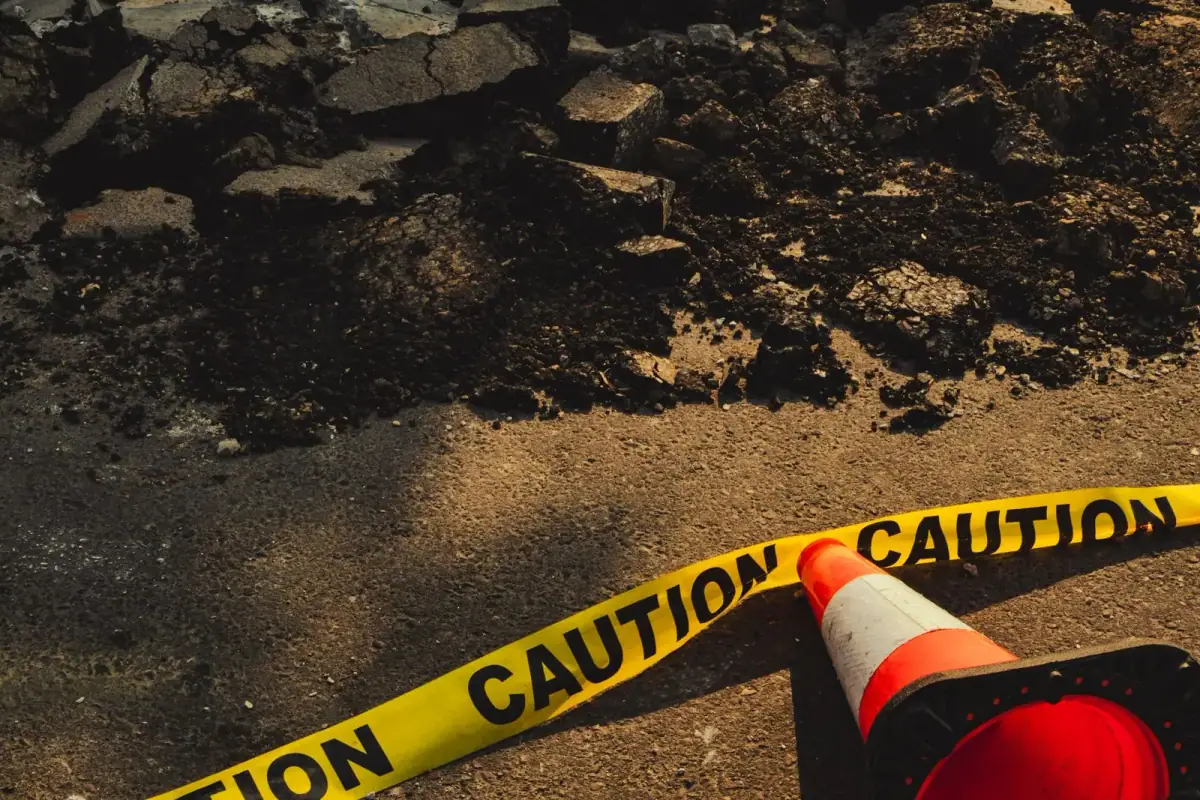
Utility trenching
Water, sewer, storm, electrical and gas trenches with bedding and backfill.
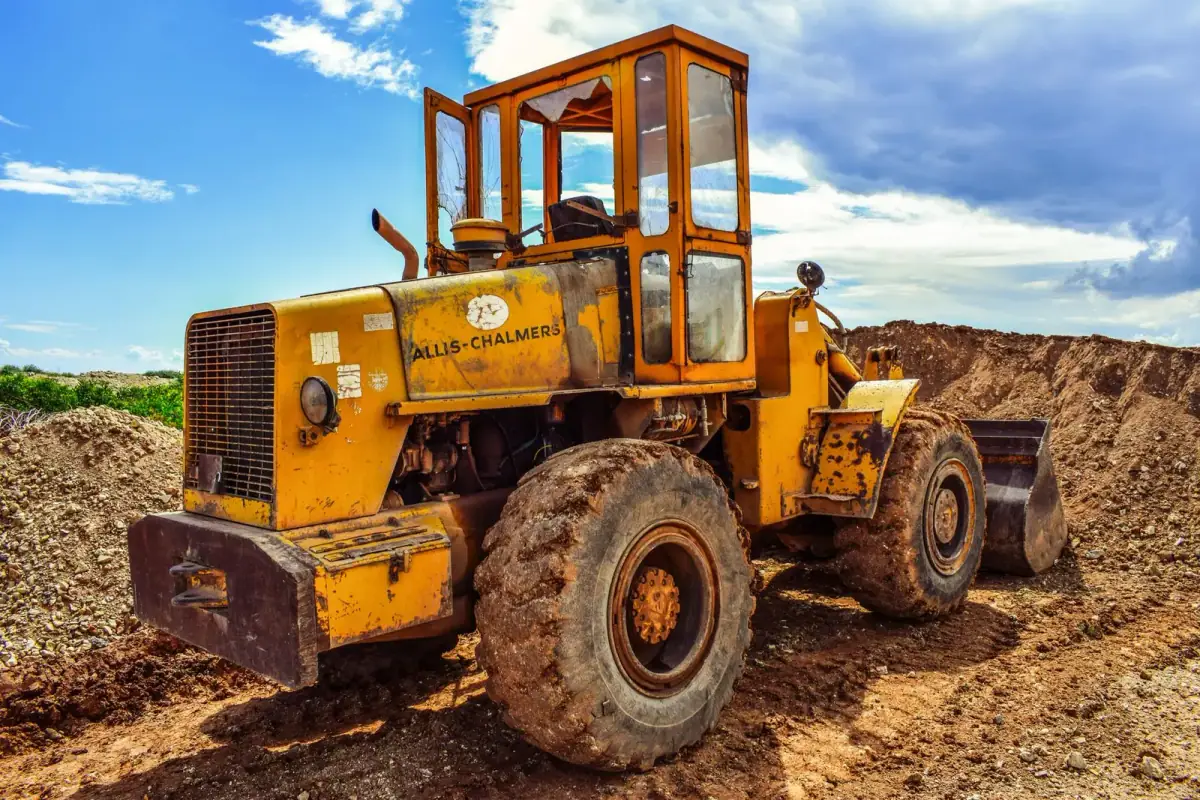
Drainage
French drains, curtain drains, swales and storm pipe.
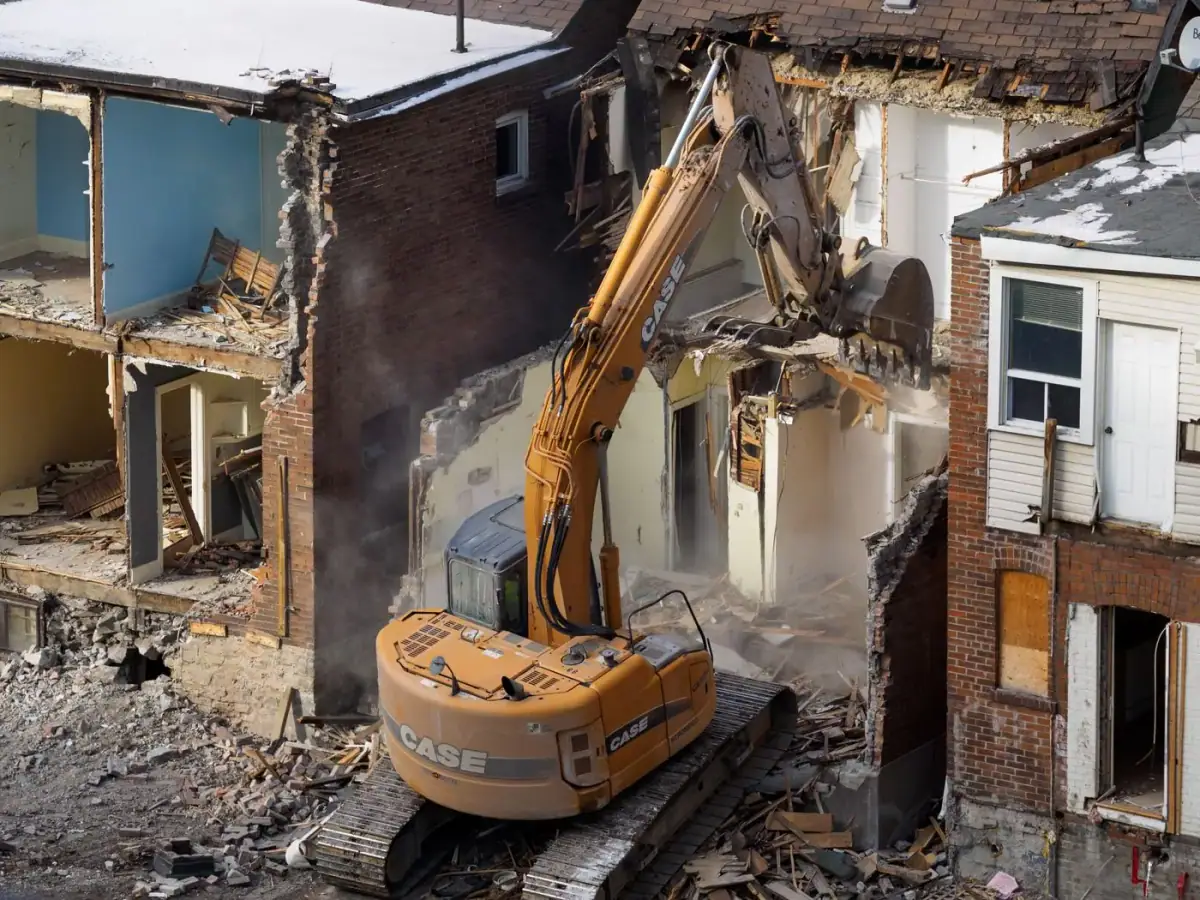
Pools and ponds
Pool excavation and farm or stormwater ponds.
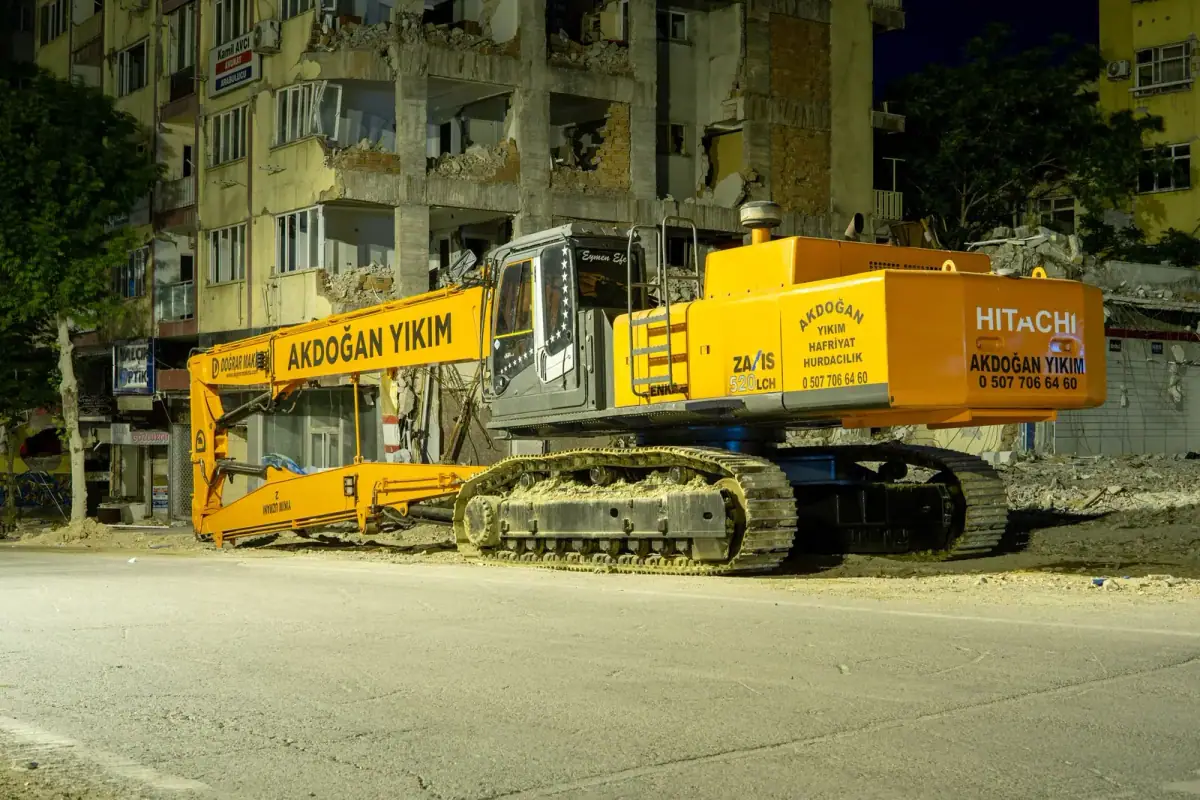
Over-excavation and undercut
Removing unsuitable soil and replacing it with engineered fill.
What’s included in our excavation service
We take a dig from plans and locates to a checked, backfilled excavation. Every Alpha Demolish excavation in North Carolina includes:
- 01Plan review.
Foundation plans, site plans, geotechnical reports and utility drawings reviewed first.
- 02Utility locates.
NC 811 locates on every job, plus private locates for lines to wells, septic and outbuildings.
- 03Layout and grade control.
Excavation limits and grades set with laser or GPS machine control.
- 04Excavation to grade.
Digging to plan depth and bearing soil, with trench protection where required.
- 05Rock and water handling.
Rippers or breakers for rock, and pumps or well points for groundwater.
- 06Bottom inspection.
The excavation bottom checked and prepared for the next trade.
- 07Backfill and compaction.
Compacted backfill and grading once the work is complete.
- 08Soil and erosion management.
Topsoil stockpiled, spoil managed, and exposed soil protected with erosion control.
Our excavation process, step by step
Every excavation follows the same sequence, built on plans and locates before the first bucket.
Pre-dig
Review plans
Foundation plans, site plans, geotechnical reports and utility drawings.
Pre-dig
Locate
NC 811 and private locates before any digging.
Mobilize
Lay out
Excavation limits and grades set with laser or GPS.
Dig
Excavate
Digging to grade, with trench protection where required.
Verify
Check
Bottom inspected and prepared for the next trade.
Handover
Backfill
Compacted backfill and grading once work is complete.
READY TO CLEAR THE SITE?
Tell us what needs to come down.
Send a few project details and our team will get back to you with the next steps.
Ground conditions and trench safety
North Carolina ground conditions
The ground varies across the state, and we plan for it rather than discover it halfway through.
- Piedmont red clay: firm dry, soft and slick when wet
- Partially weathered rock needing rippers or larger machines
- Mountain rock and steep slopes needing benching
- Coastal plain sands that cave, with shallow groundwater
- Bearing surfaces checked before concrete
- Excavations protected from rain
- Geotechnical reports followed where they exist
- Early warning if soil, rock or water affects the plan
Utility locates and trench safety
Digging safely starts with locates and protective systems, under OSHA excavation standards enforced by the NC Department of Labor.
- NC 811 locate on every job
- Private locates for wells, septic and outbuildings
- Hand digging near marked utilities
- Sloping, benching, trench boxes or shoring at 5 ft+
- Spoil piles kept back from the trench edge
- Safe access ladders in deep excavations
- Daily inspection by a competent person
- General liability and workers’ comp insurance
What affects excavation cost
Excavation is priced by volume, depth and what is in the ground. The main factors are:
| Cost factor | Why it matters |
|---|---|
| Volume and depth | Deeper and larger excavations take more time. |
| Rock | Partially weathered rock and bedrock need larger equipment or breaking. |
| Water | Dewatering adds pumps and time. |
| Trench protection | Trench boxes and shoring for deep trenches. |
| Soil export | Hauling surplus soil off site. |
| Site access | Tight lots need smaller equipment. |
How an excavation project unfolds
The NC 811 locate sets the earliest dig date; after that, timing depends on volume, rock and water. A typical project runs like this:
| Stage | Typical timing |
|---|---|
| Plan review and layout | A few days |
| NC 811 utility locate | 3 full working days before digging |
| Private locates (if needed) | A few days |
| Excavation to grade | Days, by volume and conditions |
| Bottom inspection | Same day |
| Backfill and grading | Days, after the next trade |
Rock, water and soil
Three things most often complicate a North Carolina dig, and we plan for each.
Breaking rock
Partially weathered rock and bedrock are handled with larger excavators, rippers and breakers, and we flag it early if it affects cost.
Dewatering
Where excavations fill with water, we use pumps and well points, filtering pumped water through sediment bags or basins before it leaves the site.
Soil reuse and export
Excavated soil is reused on site for backfill or grading where possible; topsoil is kept separate, and surplus is hauled away.
In the coastal plain, groundwater can sit just a few feet down, and springs are common on mountain and Piedmont slopes, so we plan dewatering into the schedule where it is likely.
Locates, codes and erosion rules
Excavation is governed by utility-locate, trench-safety and erosion rules, all of which we handle:
- NC 811 before digging. North Carolina law requires notice to NC 811 at least three full working days before excavating so public utilities can be marked.
- Private locates. Lines to outbuildings, wells and septic systems are not marked by NC 811 and need a private locator.
- Trench safety. Trenches 5 feet or deeper need a protective system — sloping, benching, a trench box or shoring — under OSHA excavation standards.
- Footing depth. The NC Residential Code requires footings at least 12 inches below grade and below the frost line, deeper in colder mountain areas.
- Erosion control. Disturbing an acre or more needs an approved erosion control plan under the NC Sedimentation Pollution Control Act.
- Stormwater protection. Pumped water is filtered so muddy water never goes straight into streams or storm drains.
We call NC 811 on every job and arrange private locates for lines it does not cover, then hand dig near anything marked. It is the single most important step in safe excavation.
Before we dig
A little preparation keeps the dig safe and on grade. Helpful items include:
BREAKING GROUND?
Let’s plan your excavation
Send your plans and site details and a specialist will plan the locates, grade control and any rock or water handling, and give you a price — no commitment needed.
Soil management and erosion control
The soil we remove is managed, not just moved, and disturbed ground is protected:
- Topsoil. Kept separate and stockpiled for reuse in final landscaping.
- Backfill. Suitable soil reused on site for compacted backfill and grading.
- Surplus export. Excess or unsuitable soil hauled away to appropriate sites.
- Erosion control. Silt fence, stabilization and, on larger disturbances, an approved erosion control plan.
Managing spoil and protecting exposed soil keeps sediment on your property and out of streets, ditches and storm drains.