Asbestos abatement across North Carolina
Asbestos was used in thousands of building products until the 1980s, and it is still found in many North Carolina homes, schools, offices, mills and plants. Intact asbestos materials are often not dangerous, but renovation and demolition disturb them, releasing fibers that can cause serious lung diseases years later.
That is why asbestos must be identified and removed before renovation or demolition. Alpha Demolish provides asbestos abatement across North Carolina with NC-accredited supervisors and workers, handling notifications, containment, removal, air clearance and disposal so the rest of your project can proceed safely and legally.
This page explains what our abatement service includes, where asbestos is found, the North Carolina rules that apply, how removal is done safely, what affects the cost and how to prepare.
When you need asbestos abatement
Owners, contractors and developers across North Carolina call us for abatement before disturbing suspect materials. The common triggers are:
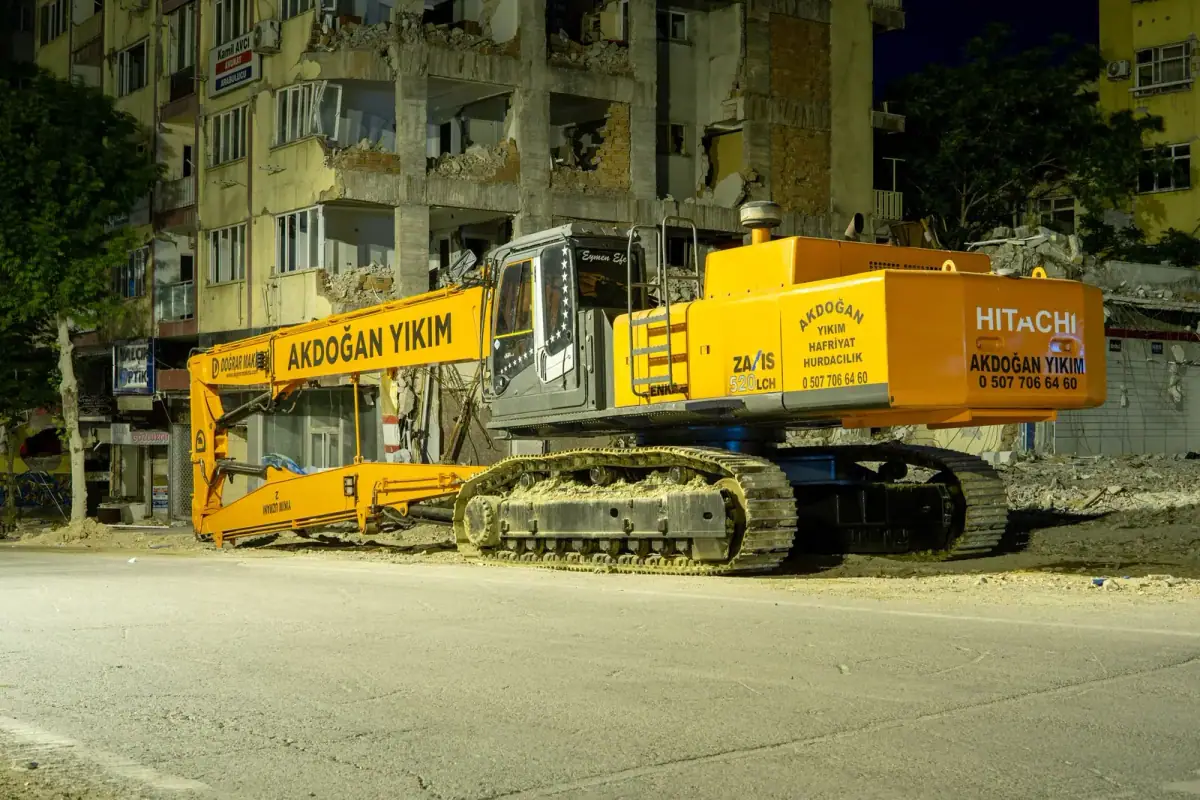
Pre-demolition abatement
Removal of regulated materials so buildings can be demolished legally.
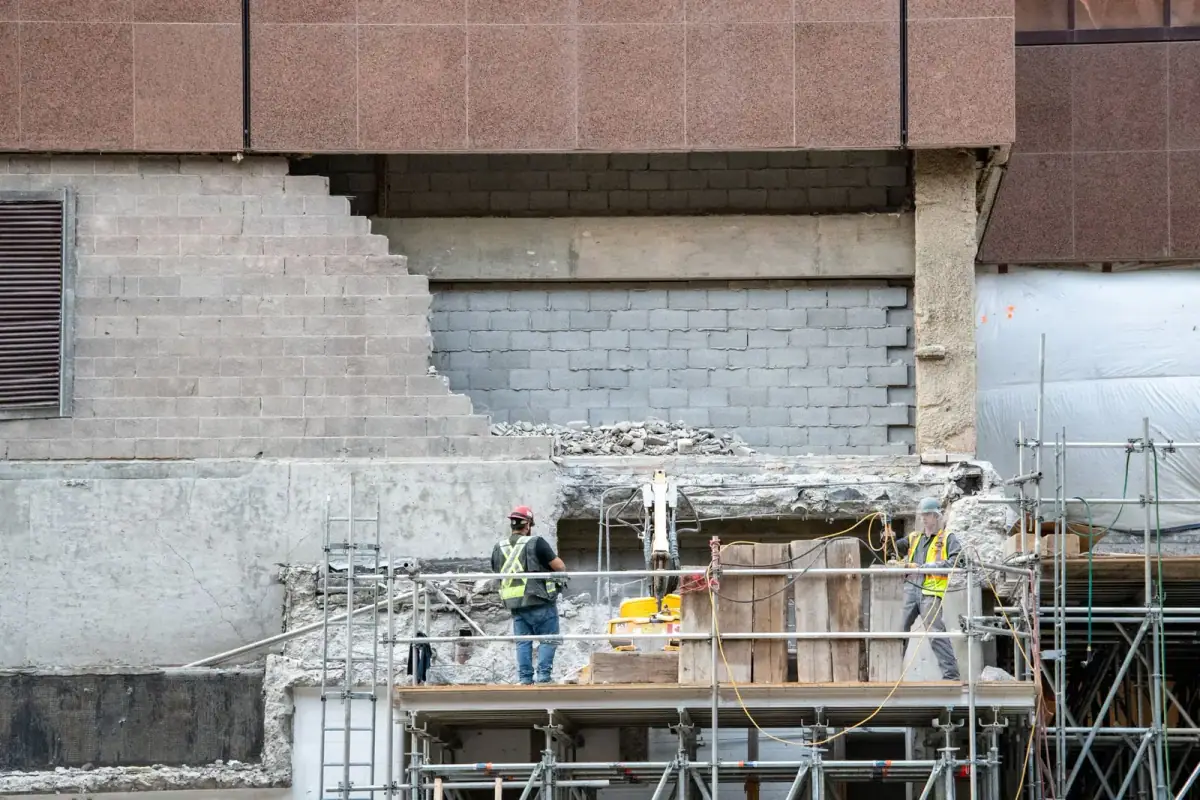
Renovation abatement
Targeted removal in the areas being renovated before they are disturbed.
Occupied buildings
Phased work in schools, offices and apartments, with containment and after-hours schedules.
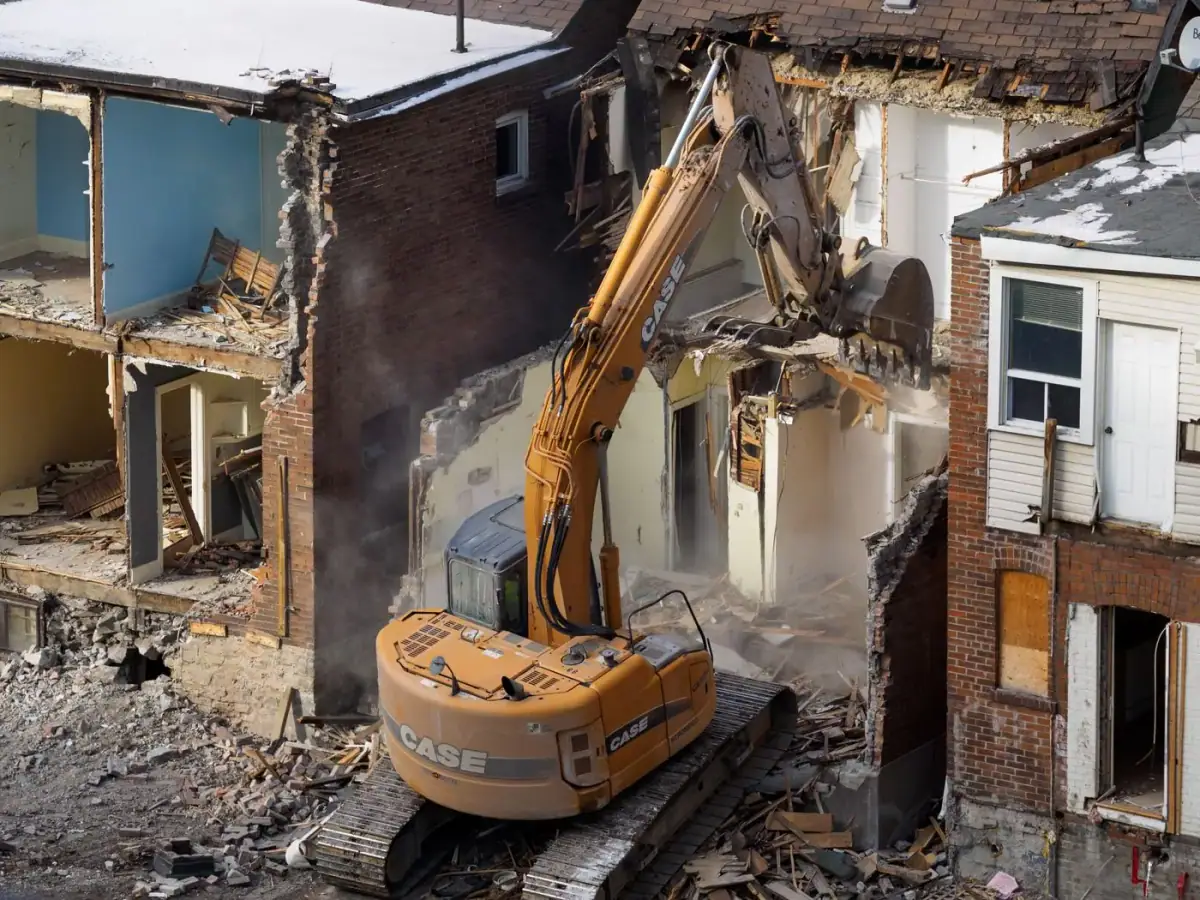
Older homes
Flooring, ceilings, siding, ductwork and pipe insulation in homes built before the 1980s.
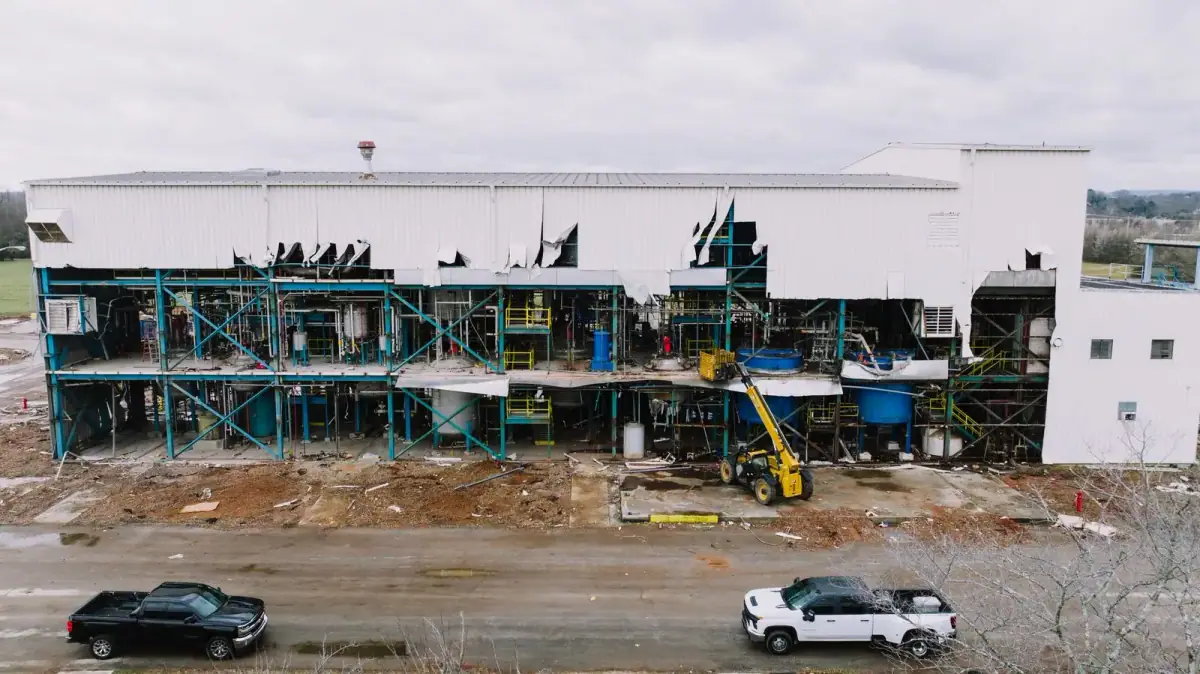
Industrial facilities
Pipe insulation, boilers, roofing and fireproofing in plants and mills.
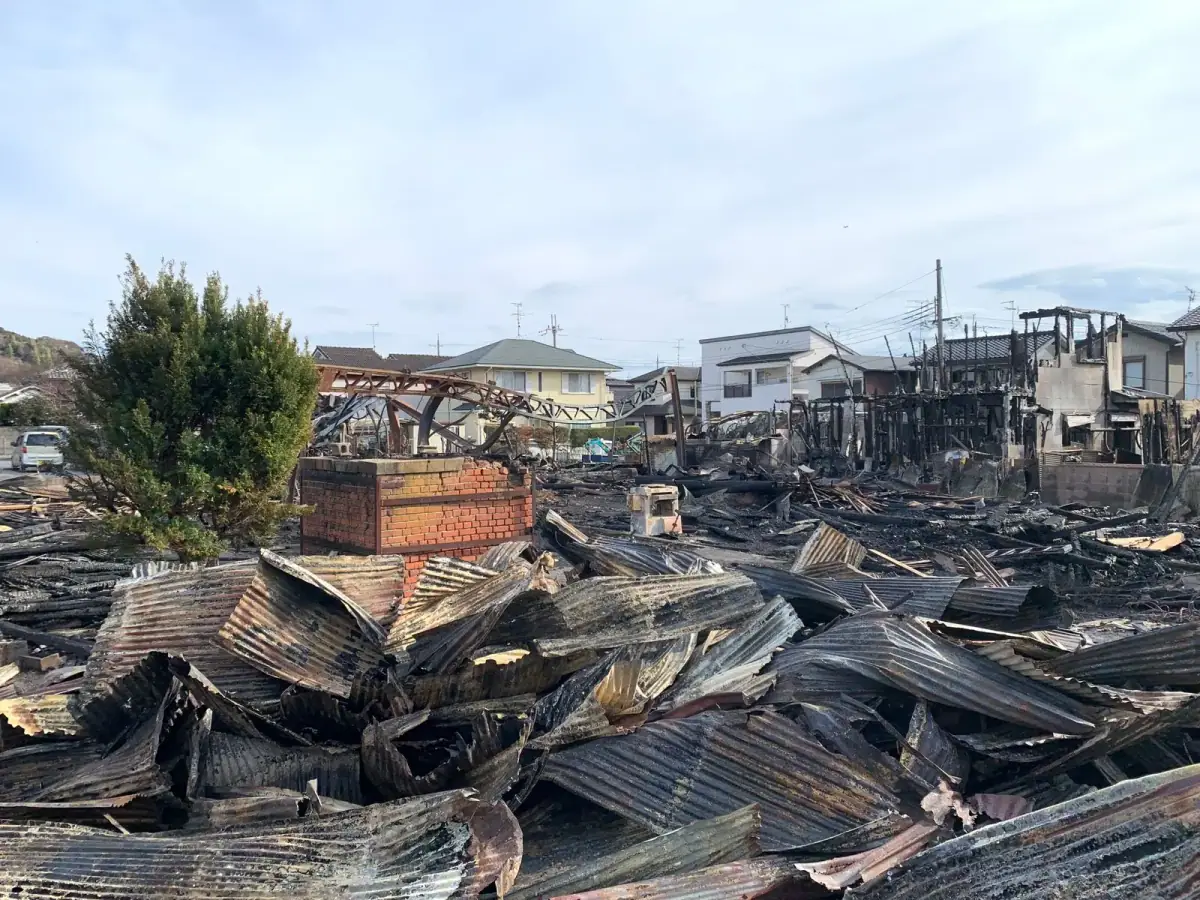
Emergency response
Damaged asbestos materials after fires, floods and storms.
What’s included in our abatement service
Abatement is a controlled, documented process from survey to clearance. Every Alpha Demolish asbestos abatement in North Carolina includes:
- 01Survey and project design.
An accredited inspector identifies asbestos materials, and the project is designed and permitted.
- 02Notifications.
Required state or local notifications filed at least 10 working days before regulated work.
- 03Sealed containment.
The work area sealed with plastic sheeting and a decontamination unit at the entrance.
- 04Negative air.
HEPA-filtered machines keep the containment under negative pressure so fibers cannot escape.
- 05Wet removal.
Materials wetted and removed carefully to minimize fiber release.
- 06Waste packaging.
Waste double-bagged or wrapped, sealed and labeled.
- 07Clearance testing.
The area cleaned, inspected and air-sampled; containment comes down only after clearance.
- 08Disposal and records.
Waste taken to a permitted landfill, with clearance results and shipment records for your files.
How asbestos is removed safely, step by step
Every abatement follows the same controlled sequence, and containment stays up until the air passes clearance.
Phase 1
Survey and design
An accredited inspector identifies asbestos materials; the project is designed and permitted.
Setup
Set up containment
The work area is sealed with plastic sheeting, with a decontamination unit at the entrance.
Setup
Negative air
HEPA-filtered air machines keep the containment under negative pressure so fibers cannot escape.
Removal
Wet removal
Materials are wetted and removed carefully to minimize fiber release.
Removal
Package waste
Waste is double-bagged or wrapped, sealed and labeled.
Handover
Clean, clear and dispose
The area is cleaned, inspected and air-sampled; containment comes down after clearance, and waste goes to a permitted landfill with records.
READY TO CLEAR THE SITE?
Tell us what needs to come down.
Send a few project details and our team will get back to you with the next steps.
Where asbestos is found and how to choose a contractor
Where asbestos is commonly found
The only way to know if a material contains asbestos is to have it sampled by an accredited inspector and analyzed by a laboratory. Common materials include:
- Vinyl floor tiles and black mastic adhesive
- Pipe and boiler insulation
- Popcorn and textured ceilings
- Drywall joint compound and plaster
- Cement siding, roofing shingles and panels
- Roofing felts, flashing cements and coatings
- Duct wrap, vermiculite insulation and fireproofing
- Window glazing and caulking
How to choose an abatement contractor
Asbestos work protects your health and your legal standing, so choose carefully.
- NC-accredited supervisors and workers on every job
- An independent inspector and air monitoring firm
- Permits and notifications filed before work starts
- A written scope of materials, quantities and methods
- Insurance that covers asbestos work
- Clearance criteria stated in writing
- Waste shipment records at the end
- OSHA asbestos standards followed throughout
What affects abatement cost
Abatement is priced by the material, quantity, access and containment required. The main factors are:
| Cost factor | Why it matters |
|---|---|
| Material type and quantity | Friable materials like pipe insulation need more controls than floor tile. |
| Access | Crawl spaces, attics and heights slow the work. |
| Occupancy | Occupied buildings need phasing and extra protection. |
| Containment size | Larger areas need more setup and air filtration. |
| Testing and disposal | Clearance sampling, transport and landfill fees. |
| Notification period | The 10-working-day notice sets the earliest start. |
How long abatement takes
Small residential jobs can take a day or two after the notification period; large commercial projects take weeks. The notification window is usually the earliest work can begin.
| Stage | Typical duration |
|---|---|
| Inspection and lab results | About 1–2 weeks |
| Project design and notification | At least 10 working days |
| Containment set-up | 1–2 days |
| Removal | Days for homes; weeks for large projects |
| Clearance air sampling | Same day to 1 day |
| Disposal and documentation | With the final close-out |
Abatement for every type of building
The scope and controls scale with the building and the project.
Homes
Flooring, popcorn ceilings, joint compound, siding, roofing and duct insulation in homes built before the 1980s — test before sanding, cutting or tearing out these materials.
Renovation and occupied buildings
Targeted, phased removal in schools, offices and apartments, with containment and after-hours schedules that keep occupants safe.
Demolition and industrial
Full removal of regulated materials before demolition, and pipe insulation, boilers and fireproofing in plants and mills.
Whatever the building, the same principle applies: identify asbestos first, remove it under proper controls, and confirm the air is clear before anyone else works in the space.
North Carolina asbestos rules
Asbestos work is tightly regulated at state, local and federal levels. We handle the accreditation, permits and notifications so your project stays legal:
- State program. The Health Hazards Control Unit of the NC Department of Health and Human Services administers accreditation, permits and notifications statewide. In Mecklenburg, Forsyth and Buncombe counties, local air quality agencies handle NESHAP-regulated projects.
- Accreditation. Asbestos inspectors, abatement supervisors, workers and project designers must hold North Carolina accreditation.
- Inspections first. Buildings covered by the federal NESHAP rules must be inspected before demolition or renovation, and regulated material removed before it is disturbed.
- Permits and notification. Regulated removal projects require state permits or notifications, generally submitted at least 10 working days before work begins.
- Worker protection. Abatement follows OSHA asbestos standards, enforced in North Carolina by the NC Department of Labor.
- Disposal. Asbestos waste is wetted, sealed and labeled, and taken to landfills permitted to accept it, with waste shipment records.
We recommend an inspector and air-monitoring firm independent of the abatement contractor, so you get an objective check on the scope and the clearance results.
Before abatement starts
A little preparation keeps the project on schedule and the notification clock running. Helpful items include:
FOUND ASBESTOS?
Let’s get it removed safely and legally
Send your inspection report or describe the materials and a specialist will scope the abatement, handle the notifications, and give you a price and schedule — no commitment needed.
Disposal, clearance and documentation
Asbestos is not recycled — it is contained, disposed of correctly and documented so your project has proof it was handled legally:
- Sealed waste. Materials are wetted, double-bagged or wrapped, sealed and labeled.
- Permitted landfills. Waste is taken only to landfills permitted to accept asbestos.
- Clearance air sampling. The area is air-tested after cleaning, and containment comes down only when results meet clearance criteria.
- Waste shipment records. You receive clearance results and shipment records for your files, lender, insurer or the next contractor.
With clearance passed and records in hand, your renovation or demolition can proceed safely and legally.