 01Specialized Demolition
When standard demolition is not the answer
A specialist method is warranted when conventional demolition would be unsafe, non-compliant or destructive:
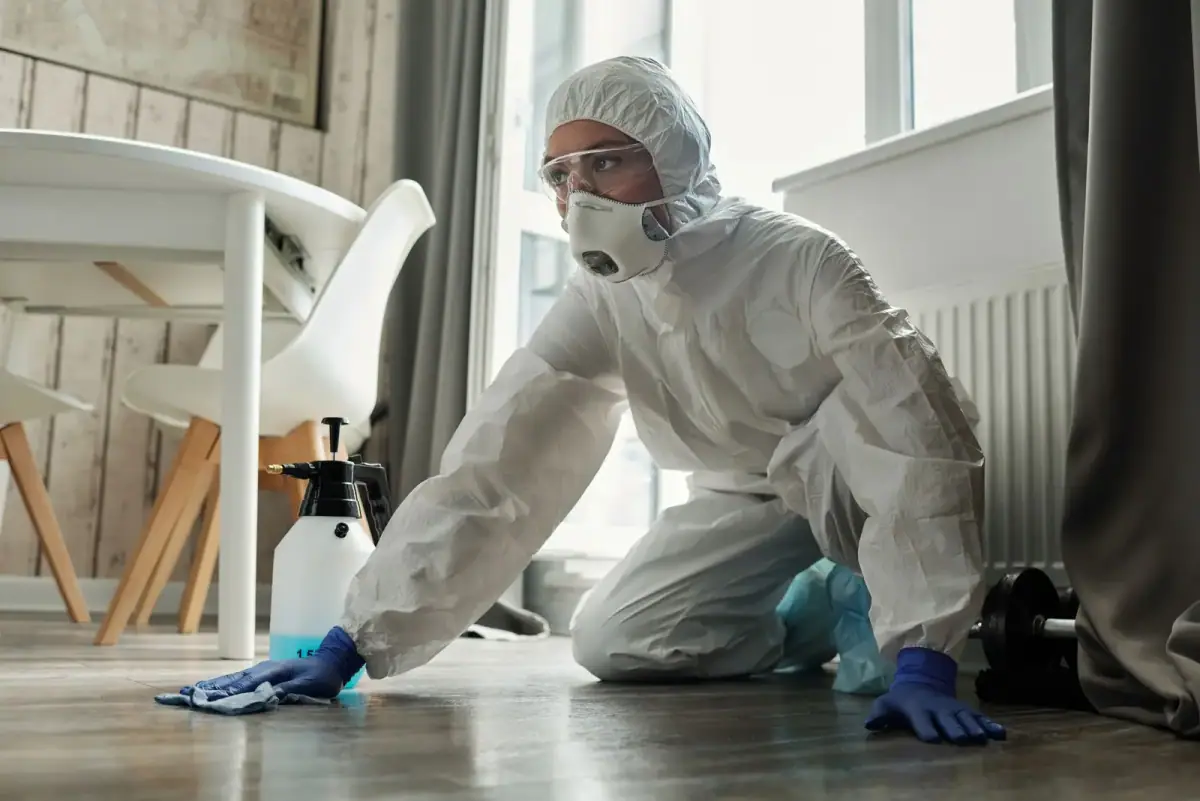
Hazardous materials present
Asbestos, lead and contaminated residues have to be removed under containment by accredited crews before any general demolition can legally begin.
Something has to survive
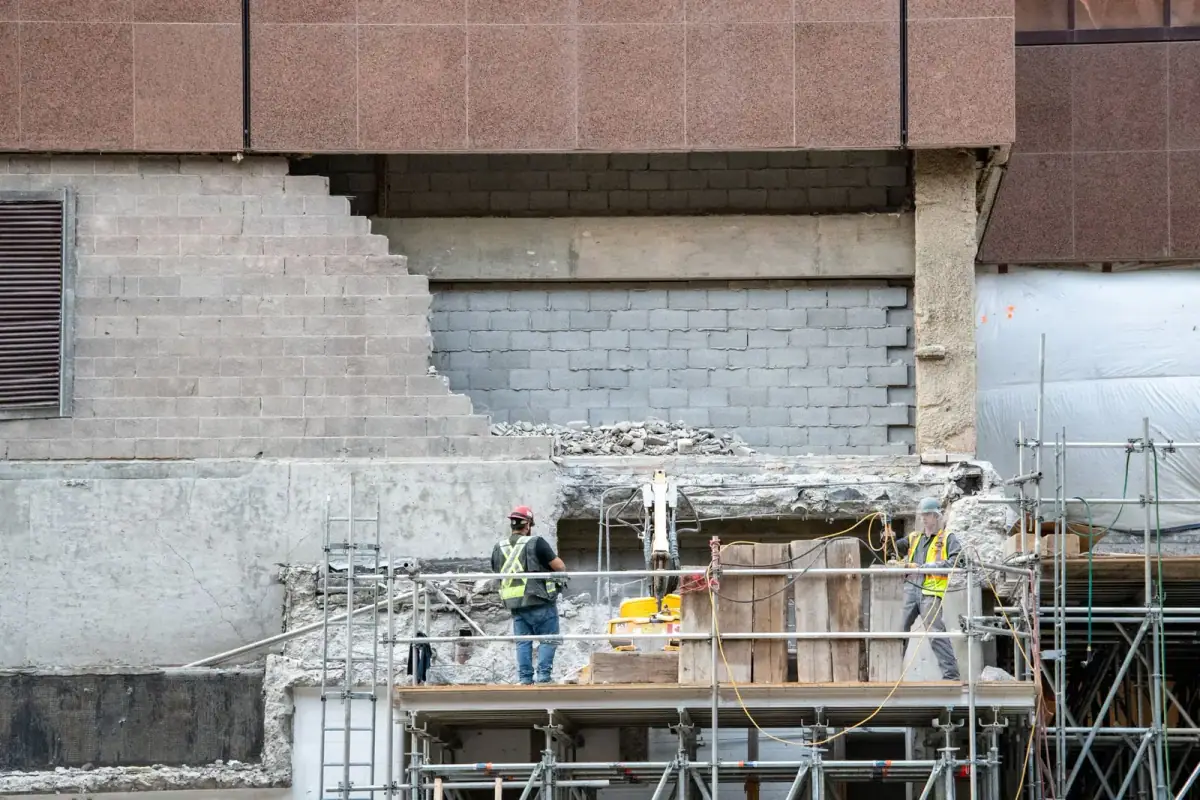
Concrete repair, facade retention and heritage salvage all mean removing material precisely while what remains stays sound and undamaged.
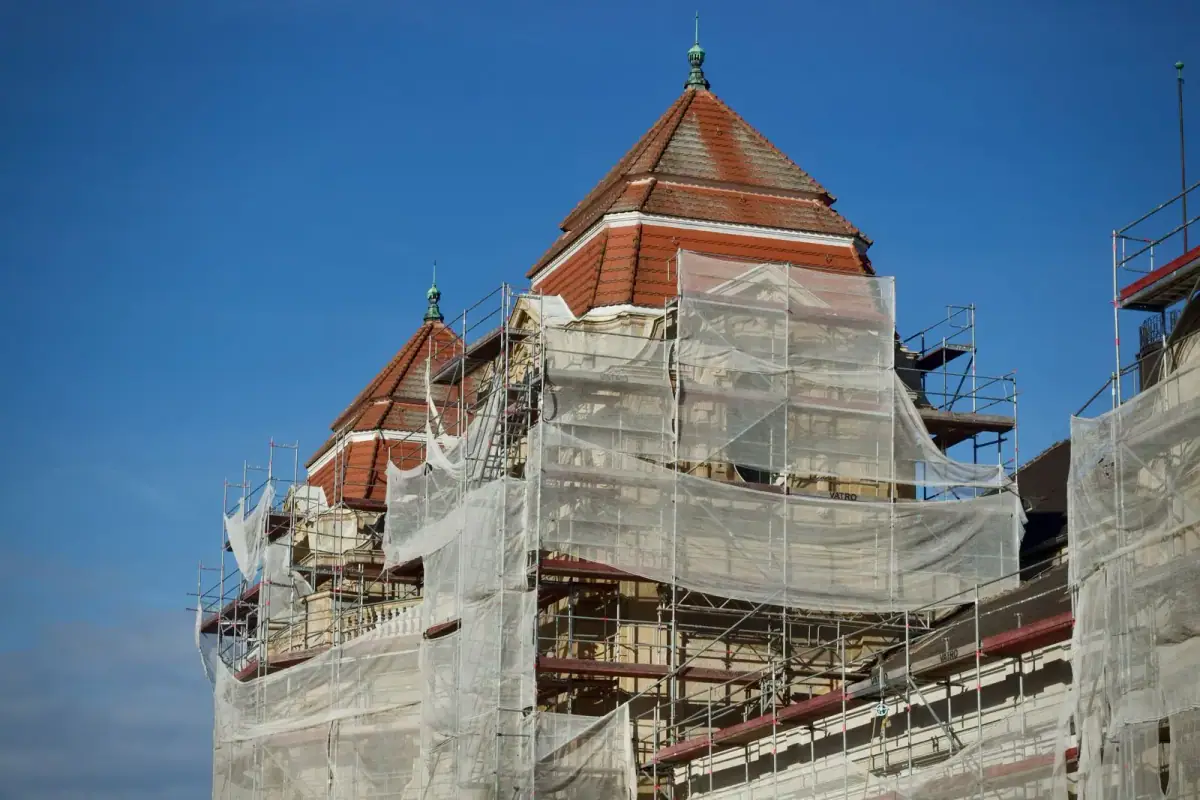
Impact methods would cause damage
Breakers induce micro-fractures and vibration. Near sensitive equipment, hospitals, historic fabric or structures being repaired, that rules them out.
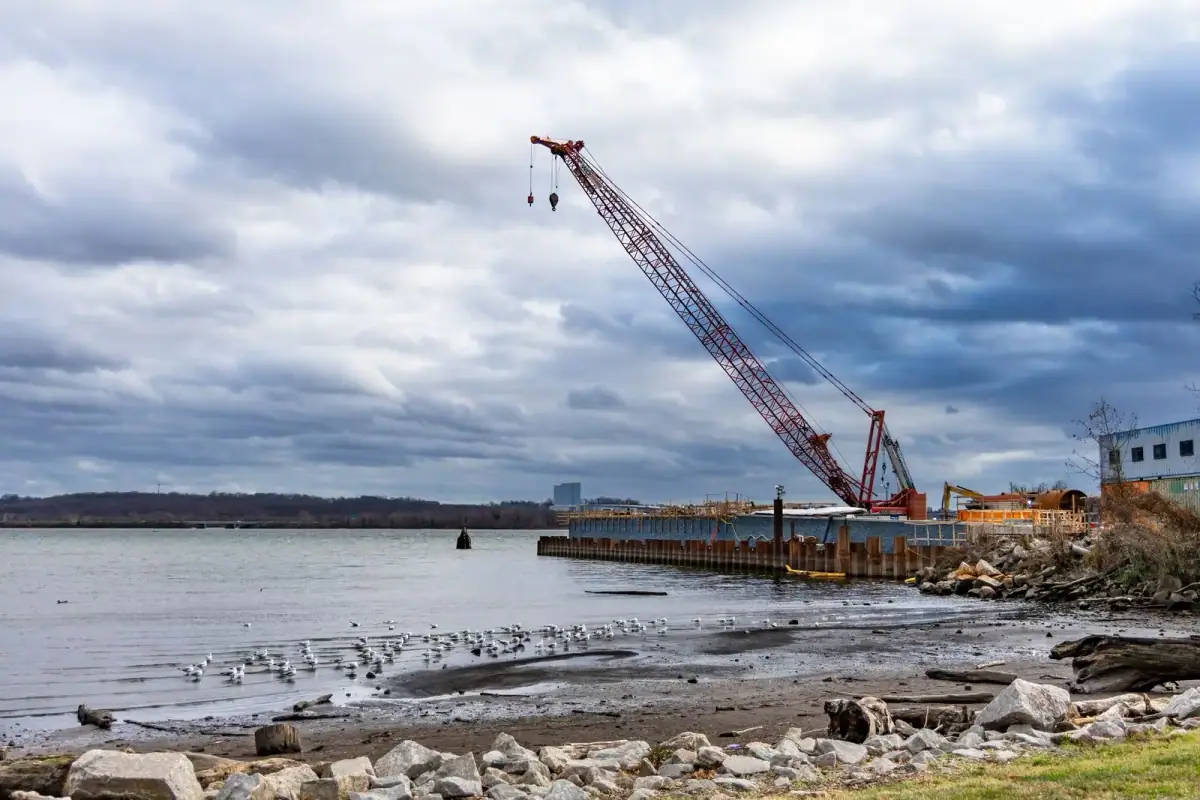
The structure is underwater
Piers, pilings, docks, intakes and bridge supports below the waterline need certified divers, marine plant and underwater cutting.
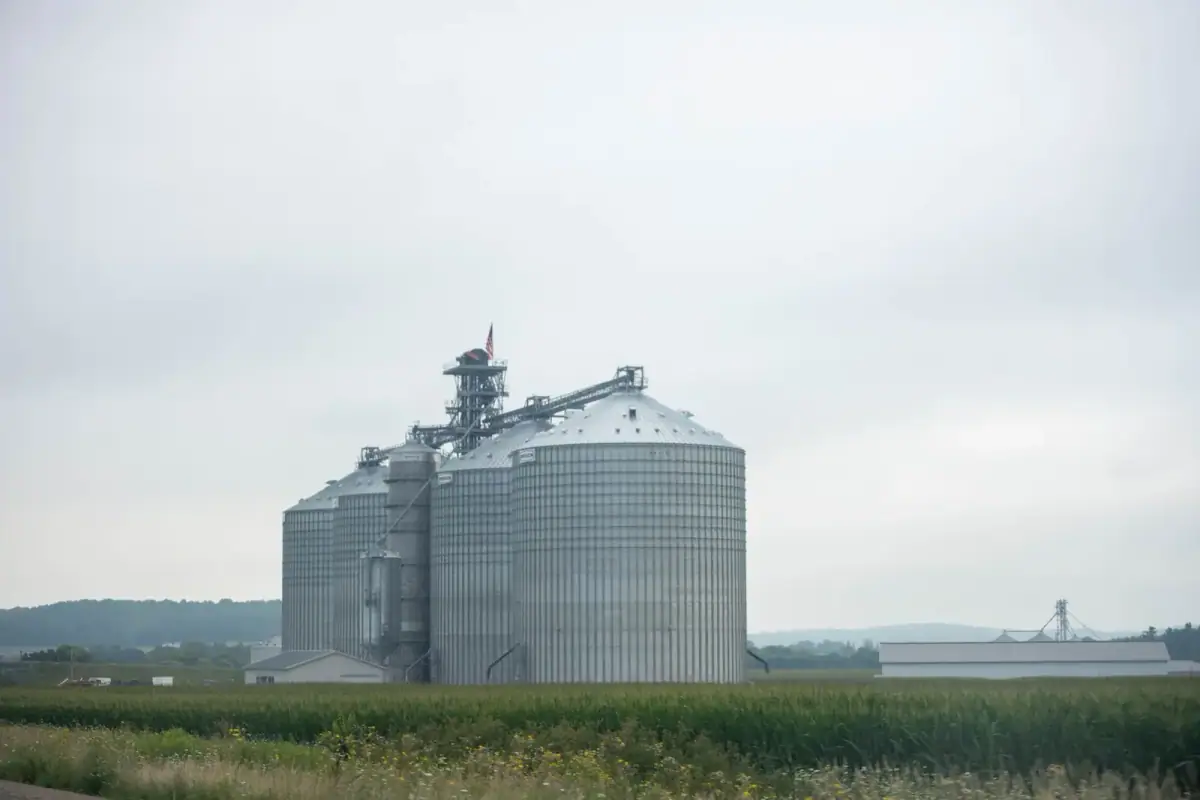
Access is the hazard
Silos, stacks and towers cannot be safely worked from the top. Controlled felling or high-reach demolition removes the need to put crews up there.
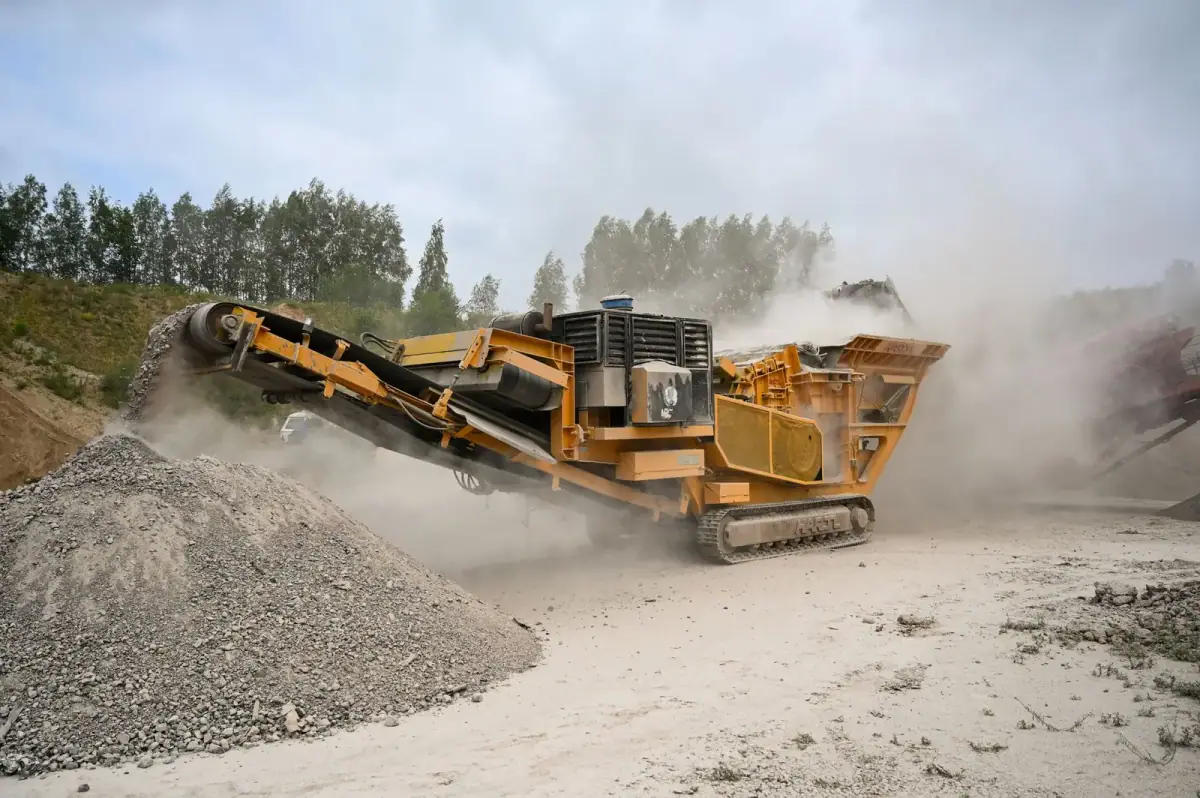
Haulage is the cost driver
On large concrete volumes, crushing on site and reusing the aggregate eliminates both the haul-out and the imported fill.
How each specialist method works
These are not variations on mechanical demolition. Each solves a different problem:
| Method | How it works and where it fits |
|---|---|
| Hydro demolition | Water at roughly 20,000–40,000 psi erodes deteriorated concrete while leaving sound concrete and reinforcement intact. No vibration, no micro-fracturing, no rebar damage. Standard for bridge decks, parking structures and dam repair. |
| Negative-air containment | Sealed enclosures held under negative pressure with HEPA filtration, so air flows inward only. The basis of compliant asbestos abatement, verified by air clearance testing before the enclosure comes down. |
| Underwater cutting and extraction | Certified divers using hydraulic tools, abrasive cutting and lifting plant to sever and recover submerged structures, with vibratory hammers or jetting to extract pilings. |
| Controlled-fall felling | A silo or stack is pre-weakened at calculated points so it falls along a designed path into a prepared drop zone, avoiding any need to work at height. |
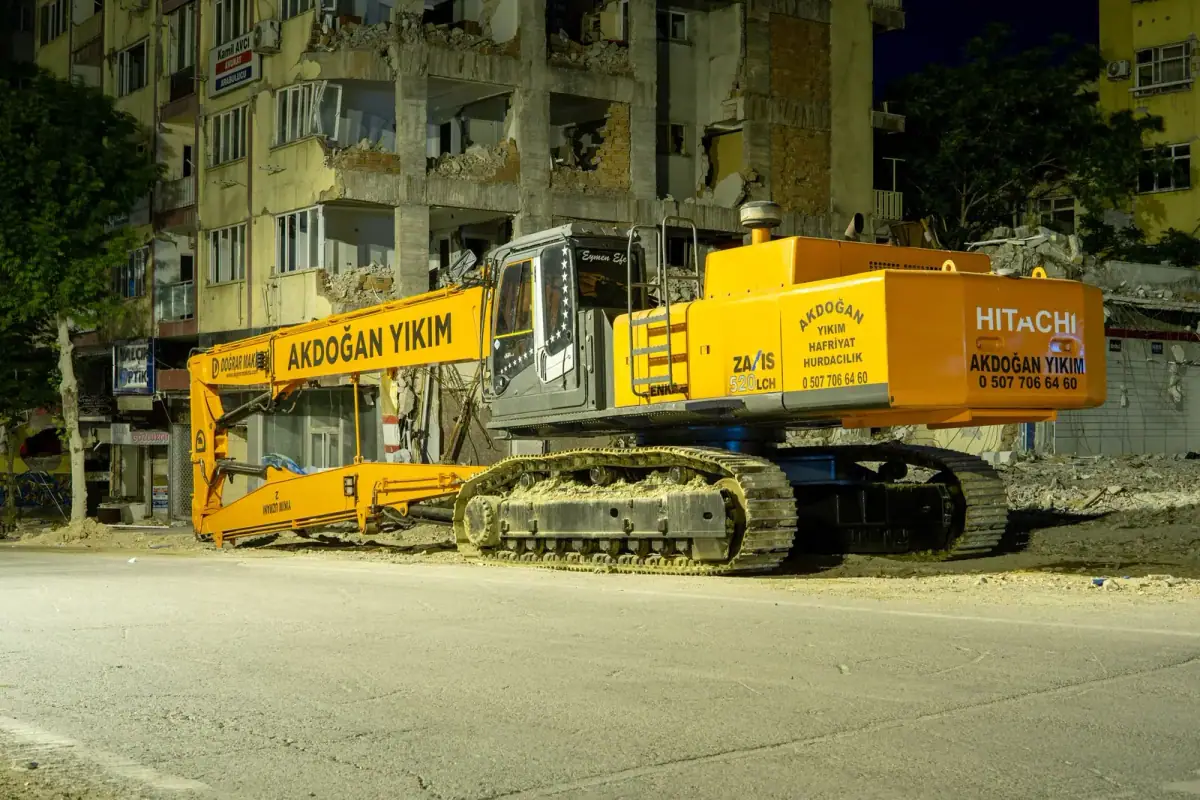
| High-reach demolition | Long-front excavators reach 100 feet or more from ground level, so tall structures come down without crews ever being on them. |
| Mobile crushing and screening | Jaw and impact crushers with magnetic separation process demolition concrete into graded aggregate on site, for immediate reuse as base, fill or backfill. |
| Hand dismantling and salvage | Heritage fabric taken apart in reverse construction order, with brick, timber, stone, ironwork and fixtures catalogued, cleaned and stored for reuse. |
| Facade retention | The street elevation is held on an engineered temporary steel frame while the structure behind it is demolished and rebuilt. |
Method statements are mandatory here
Every specialist service runs to a written method statement covering sequence, plant, containment, monitoring, exclusion zones and emergency procedures. On hydro, marine, blasting and facade work it goes for third-party engineering review before mobilization.
What specialist projects include
Scope varies by method, but every project in this division includes:
- 01Survey and assessment.
Structural, hazardous materials, heritage or underwater survey as applicable, establishing exactly what is there before a method is chosen.
- 02Accredited personnel.
NC-accredited asbestos inspectors and abatement workers, certified commercial divers, licensed blasters and trained hydro operators as the work requires.
- 03Written method statement.
Sequence, plant, containment, monitoring, exclusion zones and emergency procedures, issued for your engineer and the regulator.
- 04Engineering and temporary works.
Design for facade retention, shoring, drop zones and support, stamped where the jurisdiction or your engineer requires it.
- 05Permits and notifications.
Asbestos notifications, marine and environmental permits, blasting permits, right-of-way agreements and erosion control approvals.
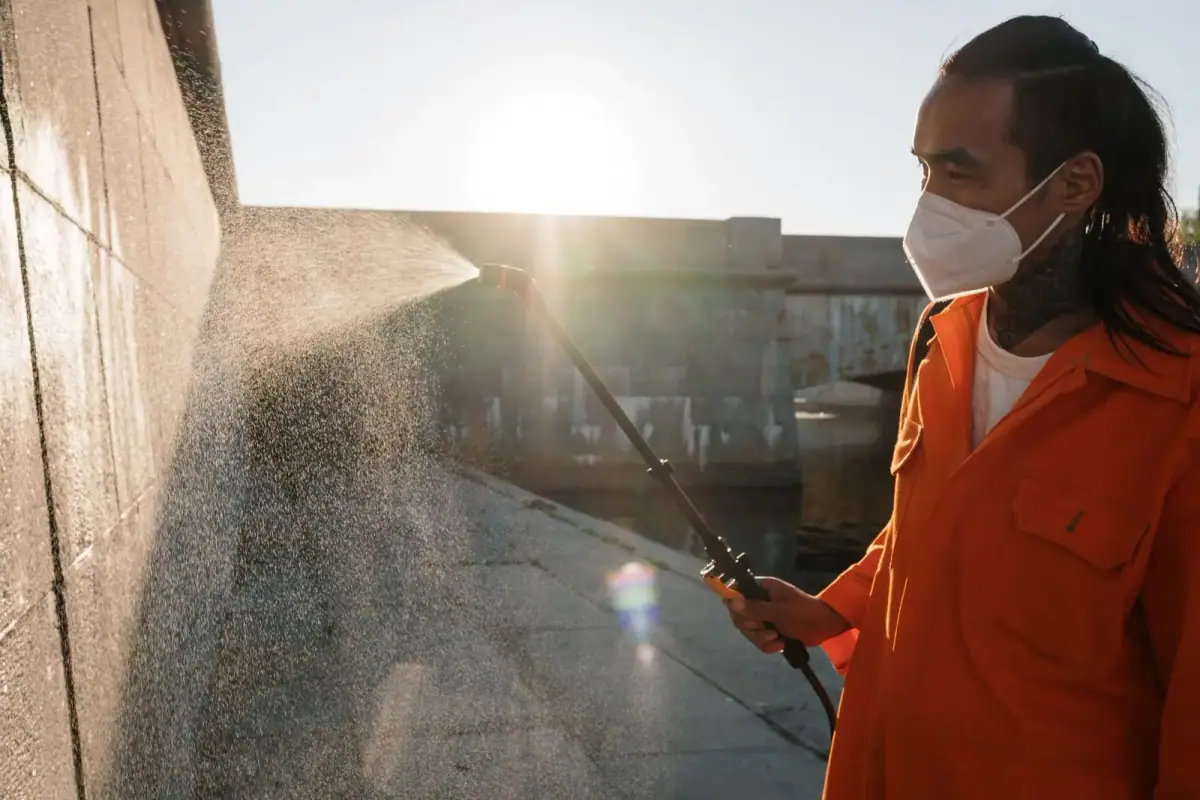
- 06Containment and environmental protection.
Negative-air enclosures, water capture and treatment, silt curtains, turbidity monitoring and dust suppression appropriate to the method.
- 07Monitoring and testing.
Air sampling and clearance testing, vibration and noise monitoring, turbidity readings and dive logs, recorded throughout.
- 08Specialist plant.
Robotic hydro units, mobile crushers and screens, marine plant and barges, high-reach excavators and vibratory extraction equipment.
- 09Material handling.
Salvage catalogued and stored, aggregate screened to specification, scrap recovered, hazardous streams manifested to licensed facilities.
- 10Site restoration.
Backfill, grading, bed restoration or surface preparation to the standard the following trade needs.
- 11Documentation package.
Method statements, air clearance certificates, dive logs, monitoring records, salvage inventories, diversion reports and photographs.
How a specialist project runs
Survey and permitting usually take longer than the physical work, so the sequence is planned end to end from the first consultation.
01
Phase 1
Consultation and feasibility
We review the problem, the constraints and what has to survive, and advise whether a specialist method is genuinely needed or whether a conventional approach will do.
02
Phase 1
Survey and testing
Structural, hazardous materials, heritage, geotechnical or underwater survey as applicable, including sampling and lab analysis.
03
Phase 2
Method statement and engineering
The method is designed and documented, with temporary works and monitoring regimes, then issued for your engineer and the regulator to review.
04
Phase 2
Permits and notifications
Asbestos notifications, Corps and CAMA authorizations, blasting permits, air permits and erosion approvals filed and confirmed.
05
Mobilize
Mobilization and containment
Specialist plant mobilized, containment or silt curtains installed, monitoring equipment set up and baseline readings taken.
06
Execution
Execution
The work proceeds to the method statement, with continuous monitoring and daily records. The plan is reviewed as conditions reveal themselves.
07
Verify
Verification
Air clearance testing, dive inspection, surface soundness testing or salvage inventory, depending on the service — the evidence the work met specification.
08
Handover
Restoration and handover
Site or surface restored to the agreed standard, and the documentation package issued.
READY TO CLEAR THE SITE?
Tell us what needs to come down.
Send a few project details and our team will get back to you with the next steps.
Regulations governing specialist work
Specialist demolition attracts more regulatory oversight than standard work, and several of these programmes operate independently of the local building permit.
- NC asbestos accreditation. The Health Hazards Control Unit of NC DHHS accredits inspectors, designers, supervisors and abatement workers. Survey and removal must be done by accredited personnel; using unaccredited labour invalidates the work.
- NESHAP notification. Federal regulation requires written notification before most commercial and industrial demolition and before asbestos abatement above threshold quantities, typically at least 10 working days in advance.
- Local air quality agencies. Mecklenburg, Forsyth and Buncombe counties operate their own air quality programmes with additional asbestos and demolition notification requirements beyond the state scheme.
- Air clearance testing. Abatement enclosures cannot be dismantled until air sampling confirms fibre levels meet clearance criteria. The certificate is the record that the area is safe to reoccupy.
- Commercial diving regulations. Underwater work falls under OSHA commercial diving standards, requiring certified divers, dive supervisors, standby divers, tended surface-supplied air on most jobs, and maintained dive logs.
- Marine and water permits. In-water work commonly needs US Army Corps of Engineers authorization, NC DEQ Division of Water Resources approval, and in the twenty coastal counties a CAMA permit from the Division of Coastal Management.
- Turbidity and in-water windows. Water quality standards limit turbidity, requiring silt curtains and monitoring. Environmental windows may restrict in-water work to certain months to protect fish spawning and migration.
- Hydro demolition water management. Process water must be captured, settled and treated before discharge. Discharge to storm drains or watercourses without authorization is a violation.
- Blasting licences. Controlled-fall and explosive work requires licensed blasters, state and local permits, public notification and seismograph monitoring.
- Historic review. Buildings in local historic districts or with landmark status may require preservation commission approval, which can delay demolition by up to 365 days. Federally funded projects may trigger Section 106 review.
- Erosion and sedimentation control. Site clearing disturbing one acre or more requires an approved plan under the NC Sedimentation Pollution Control Act, with stricter local thresholds in many jurisdictions.
- Crusher air permits. Mobile crushing plant may require an air permit or registration from NC DEQ Division of Air Quality, with dust suppression conditions attached.
Permitting drives the programme
On marine and heritage projects, approvals routinely take longer than the physical work. Corps and CAMA authorizations and historic review should be started months ahead, and we handle those applications as part of scope.
What specialized demolition costs
Specialist work is priced on engineering, accreditation and plant rather than volume, so per-unit rates vary widely by project. As broad guidance: asbestos abatement commonly runs about $10 to $30 per square foot depending on material and containment; hydro demolition is typically priced per cubic foot or per square foot of surface removed; underwater work is priced by dive day; and mobile crushing is priced per ton. Every project is quoted after survey.
| Cost factor | Why it matters |
|---|---|
| Accreditation requirements | Accredited abatement crews, certified divers and licensed blasters carry higher labour rates than general demolition labour. |
| Containment and set-up | Negative-air enclosures, silt curtains and water capture systems are significant costs before any material is removed. |
| Specialist plant mobilization | Robotic hydro units, crushers, barges and high-reach machines carry mobilization costs that favour larger scopes. |
| Monitoring and testing | Air sampling, clearance certificates, turbidity readings, vibration monitoring and lab analysis are recurring project costs. |
| Permitting lead time | Corps, CAMA, DEQ and historic approvals take time and professional input, and they gate the start date. |
| Water depth, current and visibility | Diving productivity drops sharply with depth, current and poor visibility, and deeper work brings decompression requirements. |
| Material and fixings | Friable asbestos, heavily reinforced concrete and stubborn heritage fixings all slow removal. |
| Salvage requirements | Hand dismantling for salvage is labour-intensive, though recovered material carries value that offsets it. |
| Access and working windows | Restricted hours, live facilities, tidal windows and environmental closures reduce productive time. |
| Waste classification | Asbestos and contaminated material carry premium disposal rates and manifesting requirements. |
| Volume for crushing | Crushing economics improve with volume; below a few thousand tons, mobilization can outweigh the haulage saving. |
Specialist methods often cost more per unit but less overall, because they avoid collateral damage. Hydro demolition costs more than breaking but saves replacing rebar. Crushing on site costs mobilization but removes both haulage and aggregate purchase. We set out that comparison in the estimate so you can see the whole-project position.
How long specialist work takes
Permitting and survey usually dominate the programme, particularly on marine and heritage projects.
| Stage or project | Typical duration |
|---|---|
| Asbestos survey and lab results | 1–2 weeks |
| NESHAP notification period | At least 10 working days |
| Corps / CAMA / DEQ marine permits | 2–6 months |
| Historic district review | 1–12 months, up to a 365-day delay |
| Residential asbestos abatement | 2 days to 2 weeks |
| Commercial asbestos abatement | 2 weeks to several months |
| Hydro demolition of a bridge deck | 1–4 weeks by area |
| Underwater pile or pier removal | 1–6 weeks by count and depth |
| Silo or stack demolition | 1–4 weeks including foundations |
| On-site concrete crushing | Continuous, by volume and crusher capacity |
| Site clearing and land preparation | 1–4 weeks by acreage and vegetation |
| Heritage hand dismantling | 2 weeks to several months |
Safety and environmental control
Method-specific safety
Specialist methods carry specialist hazards — fibre release, high-pressure water, submerged work, uncontrolled collapse — controlled by engineering, not assumption.
- Negative-air containment with HEPA filtration and pressure monitoring
- Air sampling throughout, with clearance testing before takedown
- Respiratory protection, decon units and medical surveillance
- High-pressure water exclusion zones and hose whip restraints
- Robotic operation keeping operators out of the jet path
- Dive plans with supervisors, standby divers and surface-supplied air
- Engineered drop zones and seismograph monitoring for felling
- Designed and stamped temporary works for facade retention
Environmental and public control
Every method protects the water, the air and the people around it, to the permit conditions.
- Process water captured, settled and treated before discharge
- Silt curtains and turbidity monitoring for in-water work
- Dust suppression and air monitoring during abatement
- Vibration and settlement monitoring near sensitive fabric
- Erosion and sediment control on cleared sites
- Daily briefings, competent-person inspections and induction
- Hazardous streams manifested to licensed facilities
- General liability and workers’ compensation insurance
A COMPLEX JOB?
Let’s find the right specialist method
Describe the problem and constraints and a specialist will advise on the right method — or tell you if a conventional one will do — with a plan and a price. No commitment needed.
Specialized demolition service areas
Alpha Demolish works throughout North Carolina, from the mountains to the coast, including:
Charlotte metro
Charlotte • Concord • Gastonia • Huntersville • Matthews • Mint Hill • Mooresville • Cornelius • Indian Trail • Monroe
Research Triangle
Raleigh • Durham • Cary • Chapel Hill • Apex • Wake Forest • Holly Springs • Garner • Morrisville • Fuquay-Varina
Piedmont Triad
Greensboro • Winston-Salem • High Point • Burlington • Kernersville • Thomasville
Coastal & marine
Wilmington • Morehead City • Beaufort • New Bern • Jacksonville • Outer Banks • Southport
Western North Carolina
Asheville • Hendersonville • Hickory • Boone • Morganton • Waynesville
Sandhills & Eastern NC
Fayetteville • Southern Pines • Pinehurst • Sanford • Goldsboro • Rocky Mount • Wilson
For specialist projects we also mobilize beyond North Carolina. Contact us to discuss scope and location.
Why engineers and contractors bring us in
Accredited and certified crews
NC-accredited asbestos inspectors and abatement workers, certified commercial divers, licensed blasters and trained hydro operators.
Method statements for review
Written, engineered and issued for your engineer and the regulator before mobilization, not produced after a query.
Permitting handled
Asbestos notifications, Corps and CAMA authorizations, DEQ approvals, blasting and air permits managed as part of scope.
Verification, not assurances
Air clearance certificates, dive logs, monitoring records and soundness testing — documented evidence the work met specification.
Honest method advice
If a conventional method will do the job, we will tell you. Specialist work is expensive and should only be used where it is warranted.
Whole-project economics
We show the comparison — hydro versus rebar replacement, crushing versus haulage and import — so the decision is made on total cost.