Waste hauling and disposal across North Carolina
Every demolition, renovation and clean-up project produces waste that has to go somewhere legal. In North Carolina, different waste types go to different kinds of permitted facilities, and taking a load to the wrong one, or dumping it where it does not belong, can lead to rejected loads, fines and liability for the property owner.
Alpha Demolish provides waste hauling and disposal across the state for contractors, property owners and businesses. We supply the right container or truck, classify the waste, take it to the right permitted facility and keep the paperwork, so you can prove where your waste went.
This page explains what our hauling service includes, where different waste goes, how special waste is handled, container placement and permits, what affects the cost and how to fill a container well.
Projects we haul for
We supply containers and trucks for projects of every size across North Carolina:
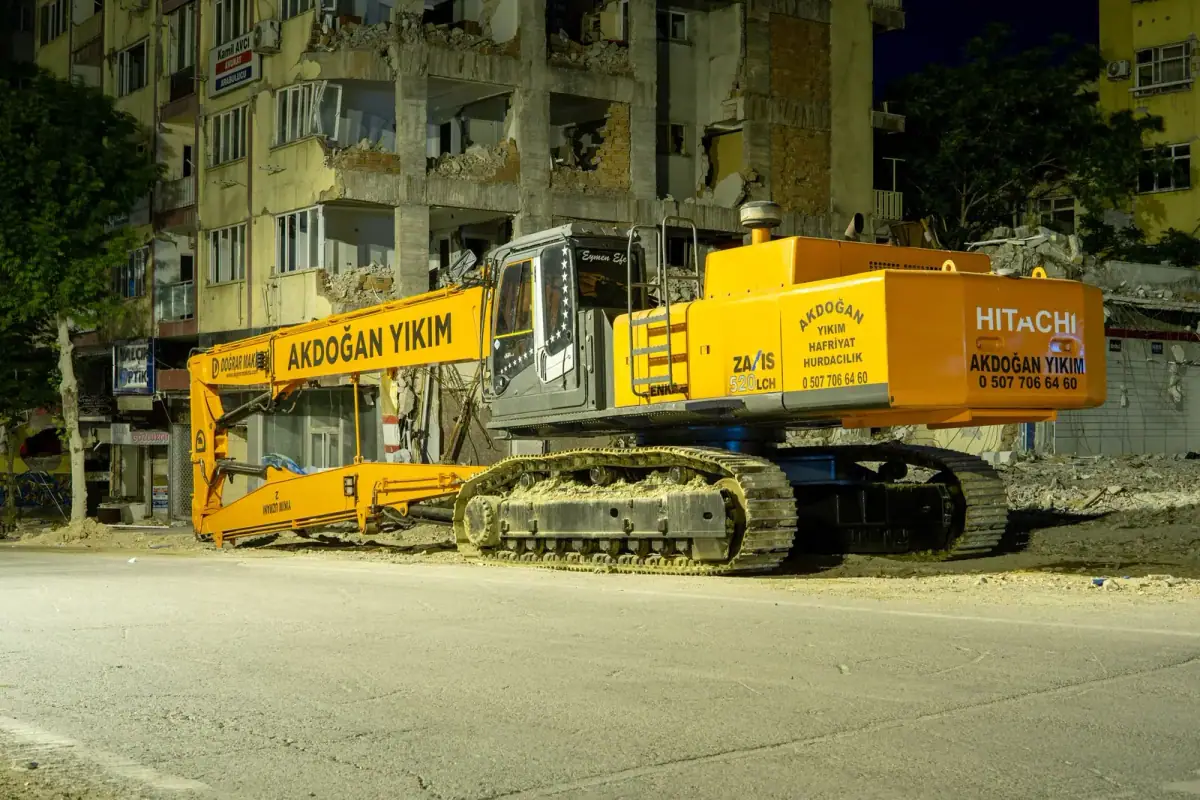
Demolition projects
Continuous truck hauling and roll-offs for tear-downs and site work.

Renovations and remodels
Roll-offs for kitchen, bath and whole-house renovation debris.
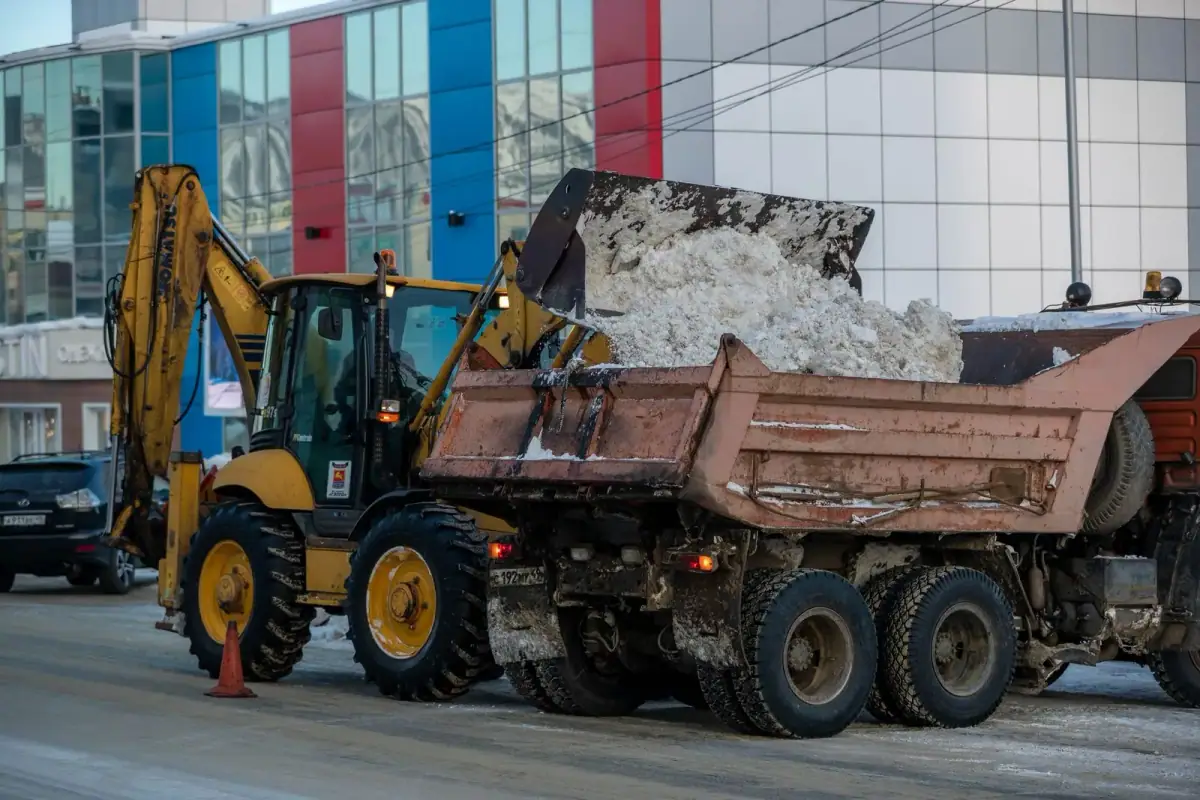
Clean-outs
Containers for garage, house, estate and commercial clean-outs.
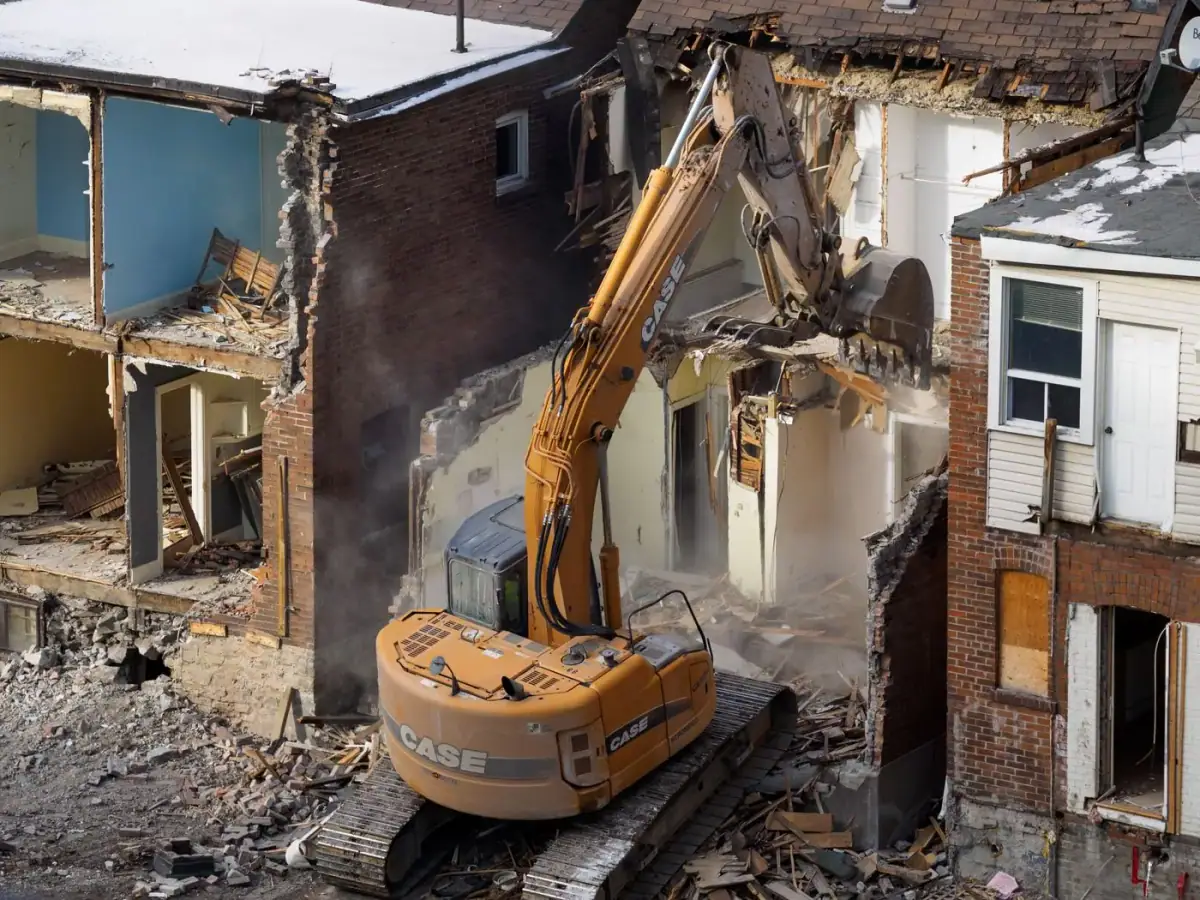
Roofing and siding
Sized containers for shingles and exterior tear-off.

Concrete and soil
Small, heavy-duty containers matched to weight limits.
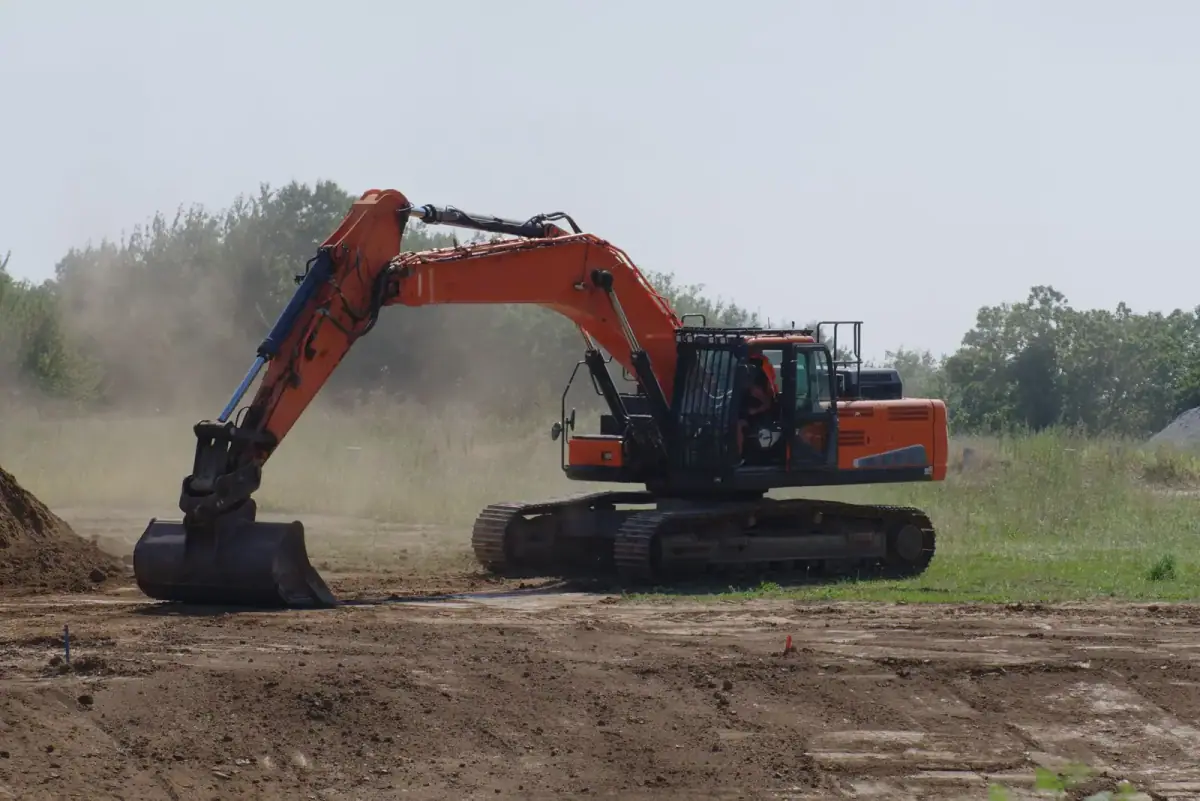
Storm debris
Hauling for private-property storm clean-up and recovery.
What’s included in our hauling service
We handle the whole chain from container to documented disposal. Every Alpha Demolish hauling job in North Carolina includes:
- 01Waste classification.
We classify the waste so it goes to the right kind of permitted facility.
- 02Right container or truck.
Roll-offs from 10 to 40 yards, dump trucks and trailers, matched to the material.
- 03Delivery and placement.
Containers placed on boards to protect driveways, with permits where needed.
- 04Swaps and hauling.
Full containers swapped and hauled on your schedule.
- 05Correct disposal.
Each load taken to the correct permitted facility.
- 06Recycling diversion.
Recyclable and inert loads separated to reduce cost.
- 07Special waste handling.
Asbestos, contaminated soil and hazardous waste routed to licensed facilities.
- 08Documentation.
Weight tickets, disposal receipts and manifests provided with your invoice.
How our hauling service works, step by step
From the first call to the final ticket, hauling follows the same simple sequence:
Day 1
Scope
Tell us the waste type, volume and schedule.
Delivery
Deliver
We place the right container or schedule trucks.
Ongoing
Swap and haul
Full containers are swapped and hauled on your schedule.
Ongoing
Dispose
Each load goes to the correct permitted facility.
Close-out
Document
Tickets and manifests are provided with your invoice.
READY TO CLEAR THE SITE?
Tell us what needs to come down.
Send a few project details and our team will get back to you with the next steps.
Where waste goes and how special waste is handled
Where different waste goes
North Carolina has several facility types, and classifying waste correctly keeps costs down and loads legal.
- C&D landfills for mixed building debris
- LCID facilities for stumps, brush, soil and clean concrete
- Recyclers for concrete, metal, wood and cardboard
- Municipal solid waste landfills for general waste
- Special waste facilities for regulated material
- Recyclable and inert loads diverted first
- Right facility chosen for each load
- Weight tickets kept for every load
Special waste handling
Some waste can only go to facilities licensed to accept it, with the right paperwork.
- Asbestos wrapped, sealed and taken to permitted landfills
- Contaminated soil characterized by sampling first
- Tires, oil, batteries and appliances separated
- Electronics kept out of the landfill
- Hazardous waste hauled by licensed haulers
- Federal manifests where required
- Waste shipment records kept
- General liability and workers’ comp insurance
What affects hauling and disposal cost
Hauling is priced by container size, rental period and, above all, weight, since most facilities charge tipping fees by the ton. The main factors are:
| Cost factor | Why it matters |
|---|---|
| Container size and rental period | Larger containers and longer rentals cost more. |
| Weight | Tipping fees are charged by the ton at most facilities. |
| Waste type | Recyclable and inert loads cost less than mixed or special waste. |
| Distance | Travel to the nearest suitable facility. |
| Special handling | Asbestos, contaminated soil and hazardous waste add cost. |
| Right-of-way | Street placement can add a city permit. |
Choosing the right container
Heavy materials like concrete and soil hit a container’s weight limit long before its volume, so we match container size to the material — overloaded containers cannot be hauled safely.
| Size | Typical use |
|---|---|
| 10-yard | Concrete, brick, dirt and other heavy material; small clean-outs |
| 20-yard | Kitchen and bath remodels, roofing, garage clean-outs |
| 30-yard | Larger renovations, house clean-outs and small demolitions |
| 40-yard | Commercial clean-outs and bulky, lightweight debris |
| Dump trucks and trailers | Continuous hauling on demolition and site work projects |
Roll-offs, dump trucks, or scheduled hauling
We match the equipment and schedule to the project, from a single container to continuous hauling.
Roll-off containers
Delivered, swapped and hauled on your schedule, sized to the material and the space you have.
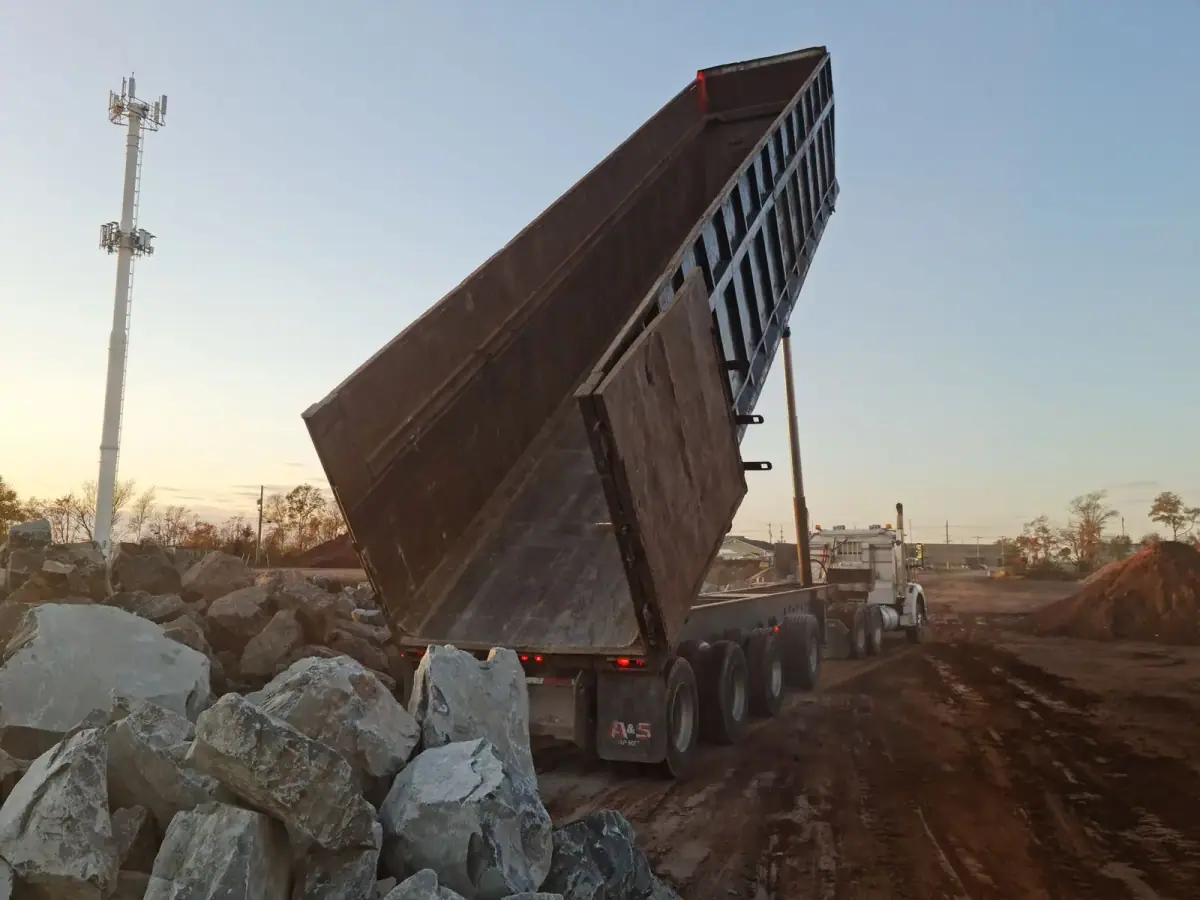
Dump trucks and trailers
Continuous hauling for demolition and site work where a container would fill too fast.
Scheduled and on-call swaps
Recurring swaps for builders, plus same- or next-day swaps when a site fills faster than expected.
Builders and contractors often set up recurring swaps so a full container never holds up the job.
Container placement, permits and your liability
Where a container sits, and where its contents end up, both carry rules that protect you. We handle both:
- Driveway placement. A container in your driveway usually needs no permit; we place it on boards to protect the surface.
- Street and sidewalk placement. A container on a public street or sidewalk often needs a right-of-way permit from the city, with rules on placement, reflectors and time limits.
- HOA rules. HOAs may restrict container placement and duration; we confirm before delivery.
- Generator liability. Under environmental law, the generator of waste can remain responsible for it after it leaves the site, so illegally dumped waste can be traced back to the owner.
- Permitted facilities only. Every load goes to a facility permitted to accept that waste type, which protects you from that liability.
- Documentation. Weight tickets and disposal receipts prove where each load went, and manifests are provided for special or hazardous waste.
Every load we haul has a weight ticket or disposal receipt from the receiving facility, and we include them with your final invoice — your proof of proper disposal.
Tips for filling a roll-off container
A little care filling the container keeps the job safe, legal and cost-effective:
NEED A CONTAINER?
Let’s get your waste hauled
Tell us the waste type, volume and schedule and a specialist will recommend the right container or trucks and a documented disposal plan — no commitment needed.
Sorting for recycling and diversion
We divert recyclable and inert loads before they reach a landfill, which also keeps your cost down:
- Inert loads to LCID. Clean concrete, brick and soil go to land-clearing and inert debris facilities, often cheaper than a C&D landfill.
- Concrete and metal recyclers. Concrete is crushed into aggregate and metals go to scrap yards.
- Wood and cardboard. Clean wood and cardboard are processed where facilities accept them.
- Banned items separated. Tires, batteries, appliances and electronics are routed to recyclers as NC rules require.
Only what cannot be recycled goes to a landfill, and we keep the tickets for every load.