Retaining wall removal across North Carolina
Retaining walls hold back soil that would otherwise slide or erode. North Carolina’s rolling Piedmont and steep mountain lots mean retaining walls are everywhere, from small landscape borders to tall walls supporting driveways, patios and homes. When a wall starts to fail, it rarely stabilizes on its own. Leaning, bulging and cracking usually get worse with each heavy rain.
Alpha Demolish removes residential retaining walls across the state. The wall itself is often the easy part. The real work is controlling the soil behind it, managing water, and leaving the slope stable, whether that means regrading, temporary support, or preparing the site for a new engineered wall.
This page explains what our retaining wall removal service includes, how we remove walls safely, the North Carolina code and permit rules that apply, what affects the cost and how to prepare your property.
When does a retaining wall need to come out?
Most retaining wall failures in North Carolina come down to water: clay soils hold water and become very heavy when saturated, and heavy rainfall builds pressure behind walls built without proper drainage. The signs it is time to remove a wall are usually clear:
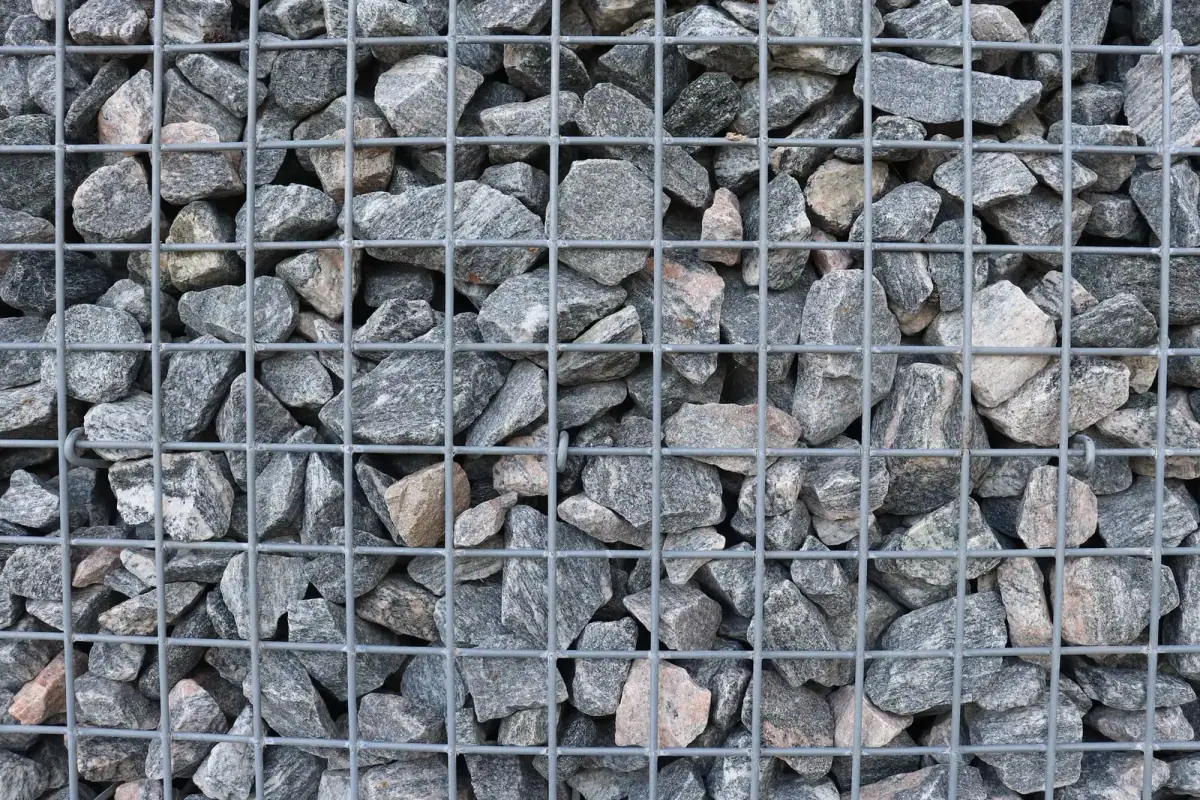
Leaning or tilting
A wall tilting forward at the top is losing the battle against the soil behind it and will keep moving with each storm.
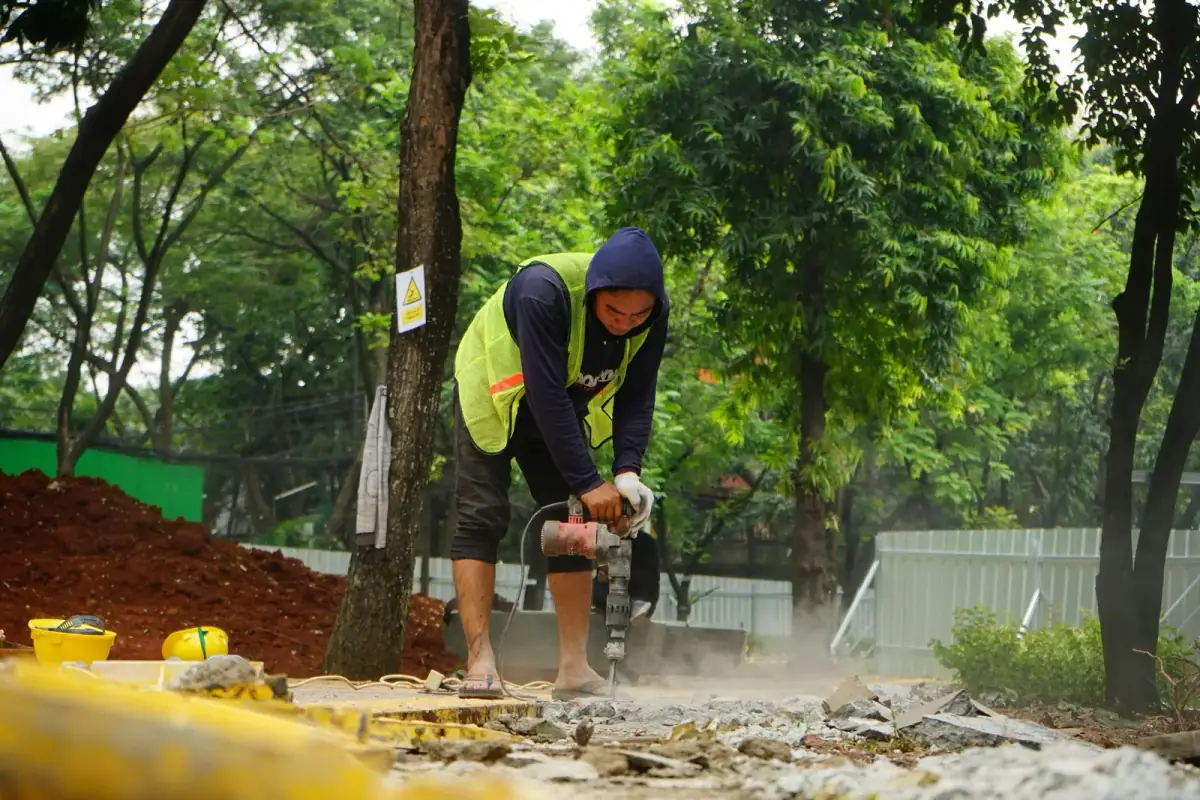
Bulging or bowing
A wall bulging in the middle is under more pressure than it was built for, often from saturated clay and failed drainage.
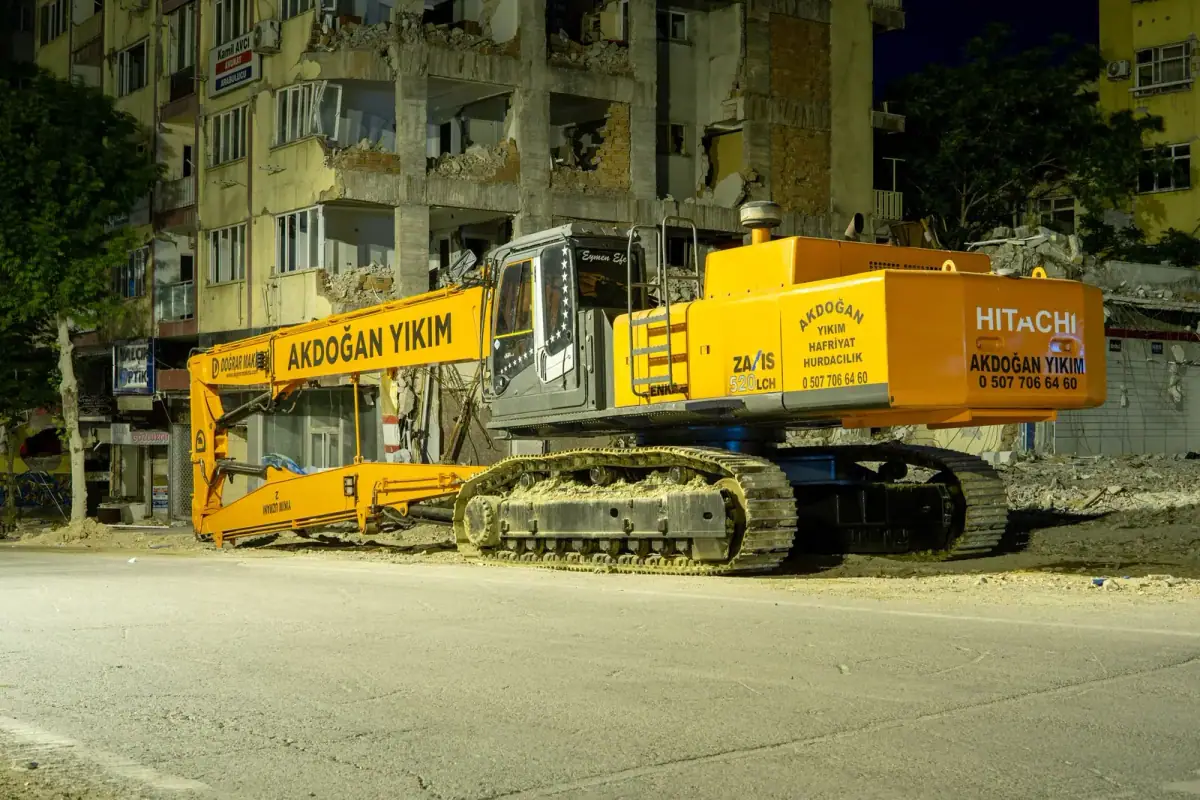
Cracking
Wide cracks, especially stair-step cracks in block or brick, mean the wall has lost its structural integrity.

Rotted timbers
Split, crushed or rotted timbers and railroad ties can no longer hold their load and should be removed and disposed of properly.

Soil and water escaping
Soil washing out through gaps, or water pooling behind and seeping through the wall, signals a drainage failure behind it.
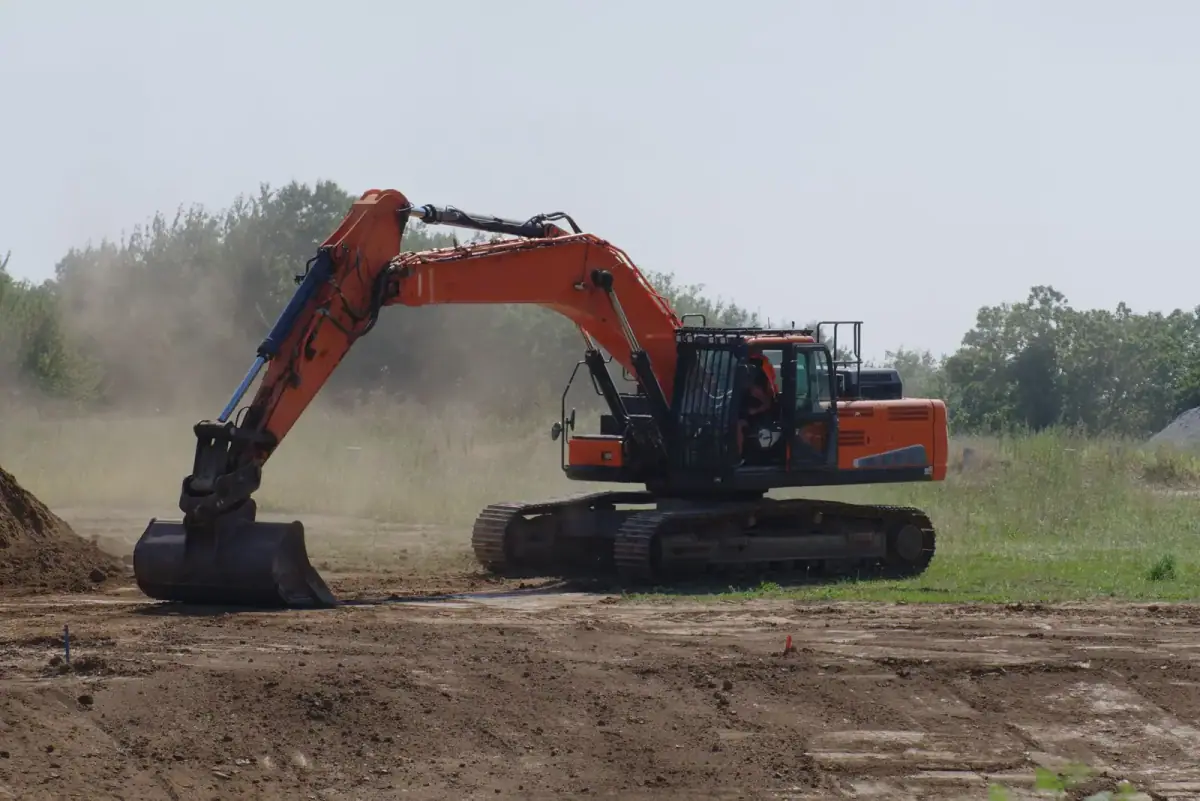
Movement above the wall
Settlement or cracks in the driveway, patio or lawn above the wall show the ground it supports is already shifting.
What’s included in our retaining wall removal service
Removing a retaining wall safely takes more than knocking it down. Every Alpha Demolish retaining wall removal in North Carolina includes the following scope, planned and priced up front:
- 01Site assessment and removal plan.
A written plan for sequencing, soil control and what the finished slope will look like.
- 02NC 811 locate.
Buried utilities are marked before excavation, as lines often run behind or under walls.
- 03Staged wall removal.
Top-down removal in sections, with the soil managed at every stage.
- 04Footing and geogrid removal.
Concrete footings, leveling pads and reinforcement grid are removed.
- 05Old drainage removal.
Clogged drain pipe and contaminated gravel behind the wall are dug out.
- 06Recycling and disposal.
Concrete, block and stone are recycled; treated timbers go to permitted facilities.
- 07Stone salvage.
Natural stone is set aside for reuse on request.
- 08Regrading and stabilization.
The slope is regraded to a stable angle and protected with seed, straw or erosion matting.
- 09Preparation for a new wall.
Excavation to the depth and width your wall contractor or engineer specifies.
Our retaining wall removal process, step by step
A retaining wall is holding back a load, so every removal follows a careful, staged sequence planned in advance.
Day 1
Assessment and plan
We measure the wall, review the slope, drainage and what sits above it, and send a written plan and fixed estimate.
Pre-demo
Locates and permits
We request an NC 811 locate and confirm any permits for the removal or the replacement wall.
Pre-demo
Site protection
We protect features above and below the wall and set up erosion control before soil is disturbed.
Demo
Staged removal
The wall is removed from the top down in sections, cutting back or sloping the soil so it never stands unsupported.
1–2 days
Footing and drainage removal
Footings, leveling pads, geogrid and old drain pipe are dug out.
Handover
Regrade and handover
The slope is regraded and stabilized, or prepared for a new wall, and we walk the site with you.
READY TO CLEAR THE SITE?
Tell us what needs to come down.
Send a few project details and our team will get back to you with the next steps.
What we remove and how we keep it safe
Types of walls we remove
We remove every residential retaining wall type common in North Carolina, and recycle or salvage what we can.
- Timber and railroad tie walls
- Segmental (interlocking) block walls
- Walls with geogrid reinforcement
- Natural stone and boulder walls
- Brick and mortared masonry walls
- Poured, reinforced concrete walls
- Failed footings and leveling pads
- Old drainage pipe and gravel behind the wall
How we remove them safely
Removing a wall without a plan can send soil into your yard, a neighbor’s property or onto workers. We plan for the load first.
- Wall height and retained soil assessed first
- What sits above (driveways, pools, trees) reviewed
- Property lines confirmed, survey recommended
- Top-down removal so soil is never unsupported
- Temporary shoring where soil must stay vertical
- Water sources identified and redirected
- Slope stabilized with seed, straw or matting
- General liability and workers’ comp insurance
Retaining wall removal cost in North Carolina
Every wall is priced after a site visit, because height, access and the slope behind the wall matter as much as the wall itself. You receive a fixed, itemized quote.
| Cost factor | Why it matters |
|---|---|
| Height and length | Taller and longer walls mean more material and more soil to manage. |
| Material | Poured concrete and reinforced block take longer to remove than timber. |
| Site access | Backyard walls without equipment access need more hand labor. |
| Soil control | Shoring or staged removal adds time on steep slopes. |
| Disposal | Treated timber and heavy concrete affect disposal costs. |
| Regrading | Importing or exporting soil to reshape the slope adds cost. |
| Replacement prep | Excavating to an engineer’s spec for a new wall is extra scope. |
How long does retaining wall removal take?
Most residential retaining walls are removed in one to three days. Tall walls on steep slopes, walls needing shoring, or projects that flow straight into a new engineered wall take longer to plan and stage.
| Stage | Typical duration |
|---|---|
| Site visit and estimate | A few business days |
| NC 811 utility locate | 3 working days before digging |
| Permit (if replacement wall needs one) | A few days to several weeks |
| Staged wall removal | 1–3 days on site |
| Footing and drainage removal | Same day to 1 extra day |
| Regrading and stabilization | 1 day |
What happens after the wall comes out?
Removing the wall is only half the decision. What replaces it depends on how much space you have and what the wall was holding back.
Regrade to a natural slope
If there is enough room, grading the soil to a stable slope and planting it is often the simplest and cheapest long-term option.
Build a new engineered wall
For taller slopes or tight spaces, a new wall designed with proper drainage and reinforcement will outlast the old one by decades.
Terrace the slope
Two or more shorter walls can replace one tall wall and may avoid the need for a single large engineered wall.
When we take a failed wall apart, we almost always find clay packed against the back of it with no way for water to escape. Whatever replaces it, good drainage — clean gravel backfill, perforated pipe with a working outlet, filter fabric and surface water directed away — is what stops the problem coming back.
North Carolina code, permits and site rules
Removal on its own may not need a permit, but the replacement wall often will. We confirm the requirements for your address during the estimate:
- Wall height and engineering. Under the North Carolina Residential Code, retaining walls that are not supported at the top and retain more than 48 inches of unbalanced soil must be designed to resist sliding and overturning. Replacement walls of that size, and walls supporting driveways or buildings, generally need an engineer’s design.
- Permits. Many NC jurisdictions require a permit to build a retaining wall over a certain height. Removal on its own may not need one, but the replacement wall often will.
- NC 811 before digging. North Carolina law requires an NC 811 locate at least three full working days before excavating, so buried utilities are marked and protected.
- Stream buffers. Parts of North Carolina, including the Neuse, Tar-Pamlico and Jordan Lake watersheds, have protected riparian buffers along streams. Work close to streams may be restricted.
- Coastal areas. Near the coast, walls and bulkheads in areas regulated under the Coastal Area Management Act (CAMA) may need a CAMA permit.
- Erosion control. Exposed slopes must be stabilized so sediment stays on your property and out of storm drains and streams.
Permits, NC 811 locates, erosion control and coordination with your engineer or wall contractor are all part of our service. You approve the plan; we manage the process.
How to prepare for retaining wall removal
A little preparation keeps your project on schedule and safe. Before removal day:
NOT SURE YET?
Let’s talk through your retaining wall
Every wall and slope is different. Call us or send a few details and a project specialist will walk you through options, engineering, timing and a ballpark cost — no commitment needed.
Debris removal and recycling
Retaining wall materials are mostly recyclable, and good stone can even be reused on your own property. We sort as we remove:
- Concrete and block. Poured concrete, footings and segmental block are crushed and reused as aggregate and fill.
- Natural stone. Sound stone and boulders are set aside for reuse in your new wall or landscaping.
- Treated timber. Creosote railroad ties and treated lumber go to permitted facilities. They should never be burned or reused in gardens.
- Metals and geogrid. Steel reinforcement and metals are recycled; geogrid and old drainage pipe are disposed of properly.
We keep disposal records on request, which is useful where treated timber or erosion control needs to be documented.