 01Core Demolition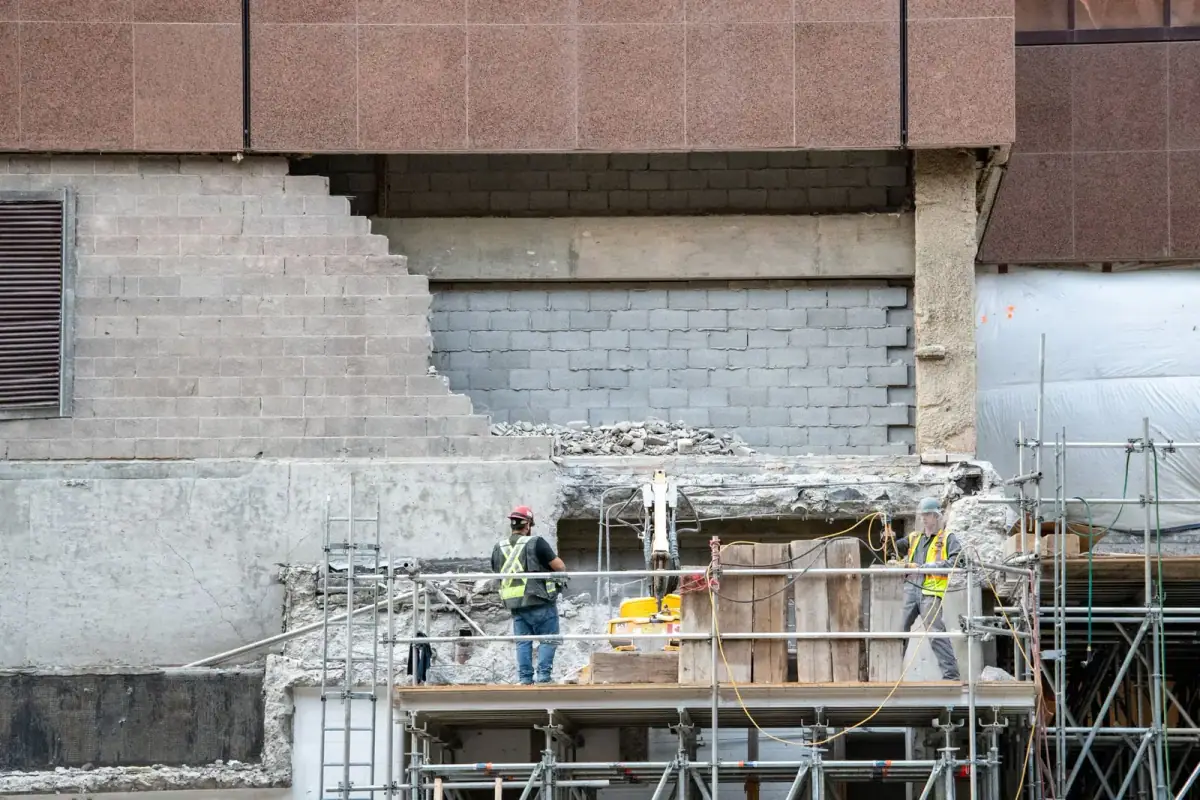
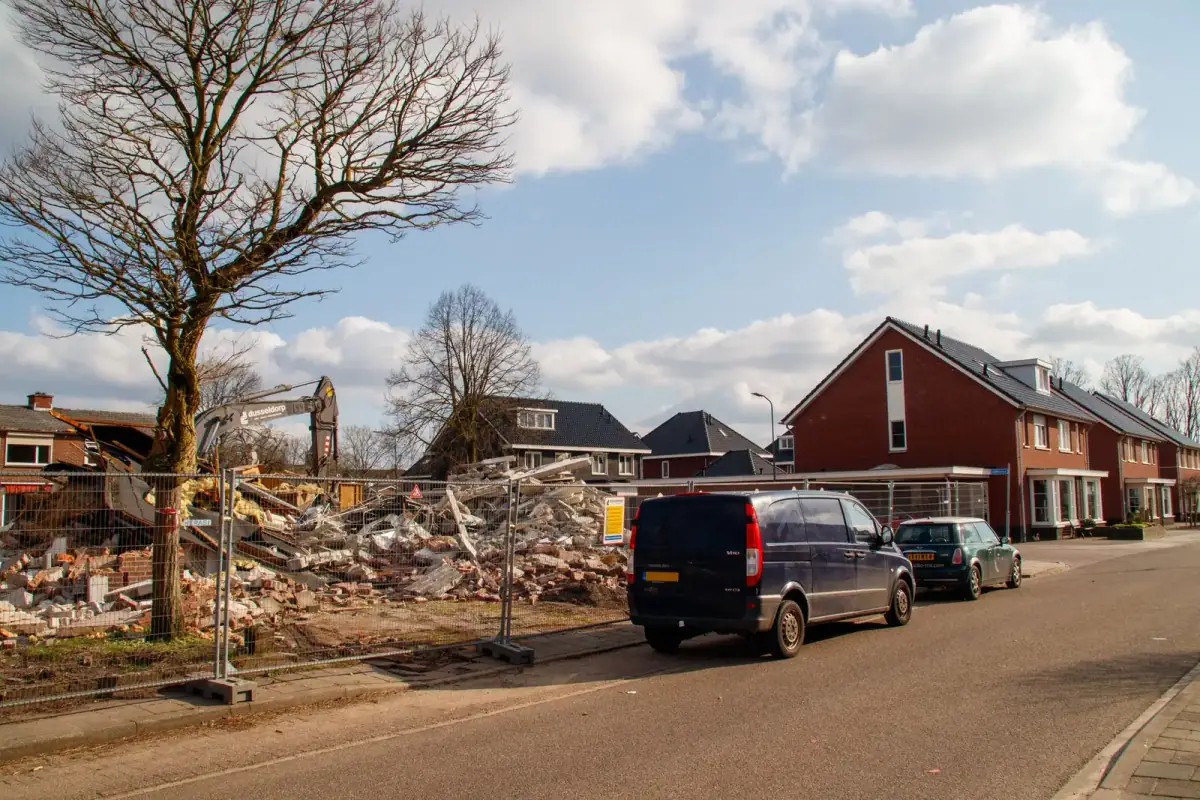
When core demolition is the right call
Full structural demolition usually comes down to one of these situations:
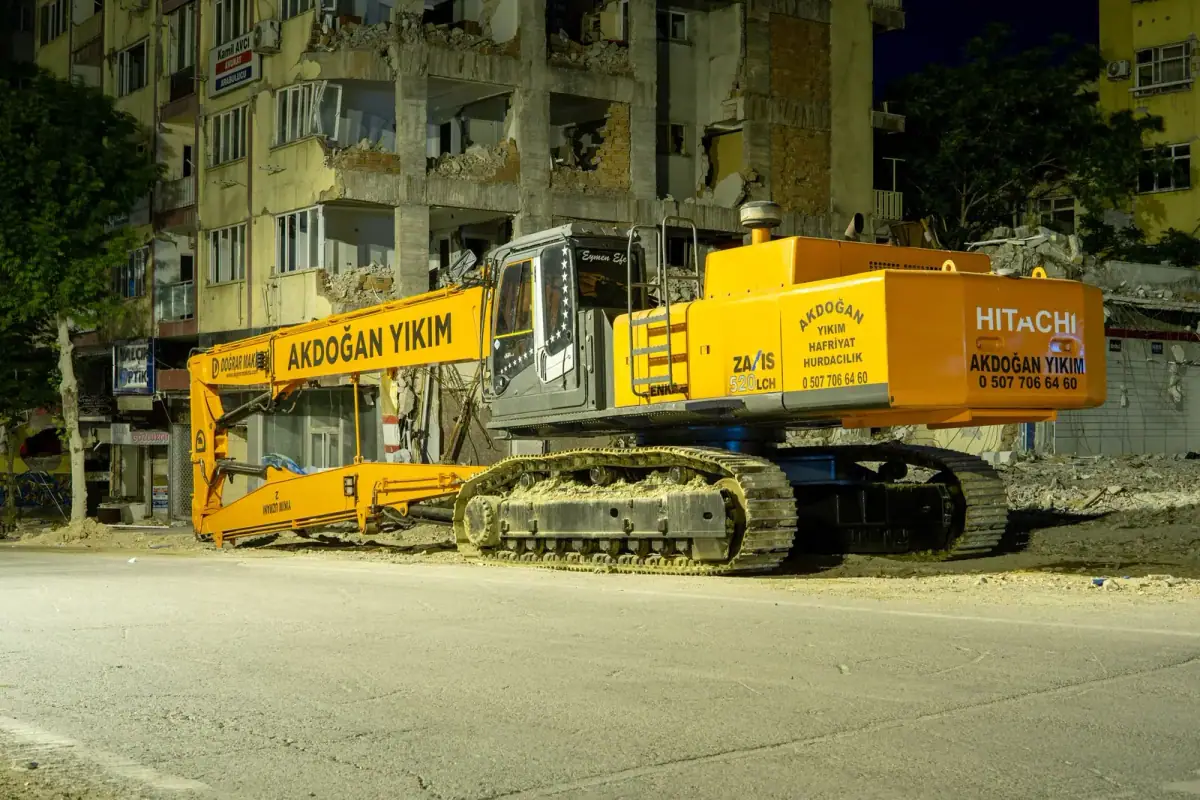
Redevelopment
The existing building no longer matches the value of the land. Clearing the site entirely gives an architect and a builder a blank sheet instead of a set of constraints.
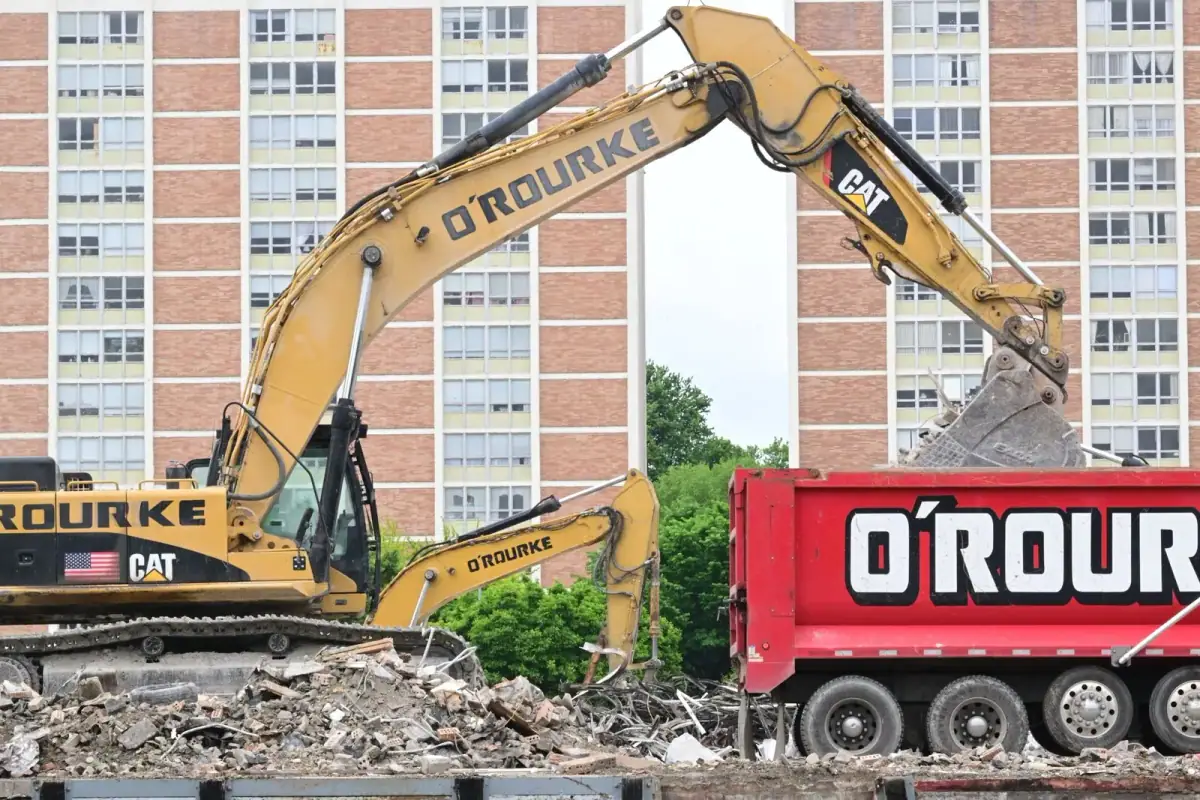
Obsolete building stock
Older commercial and industrial buildings with low ceilings, poor floor loading, failing envelopes or no route to code compliance often cost more to adapt than to replace.
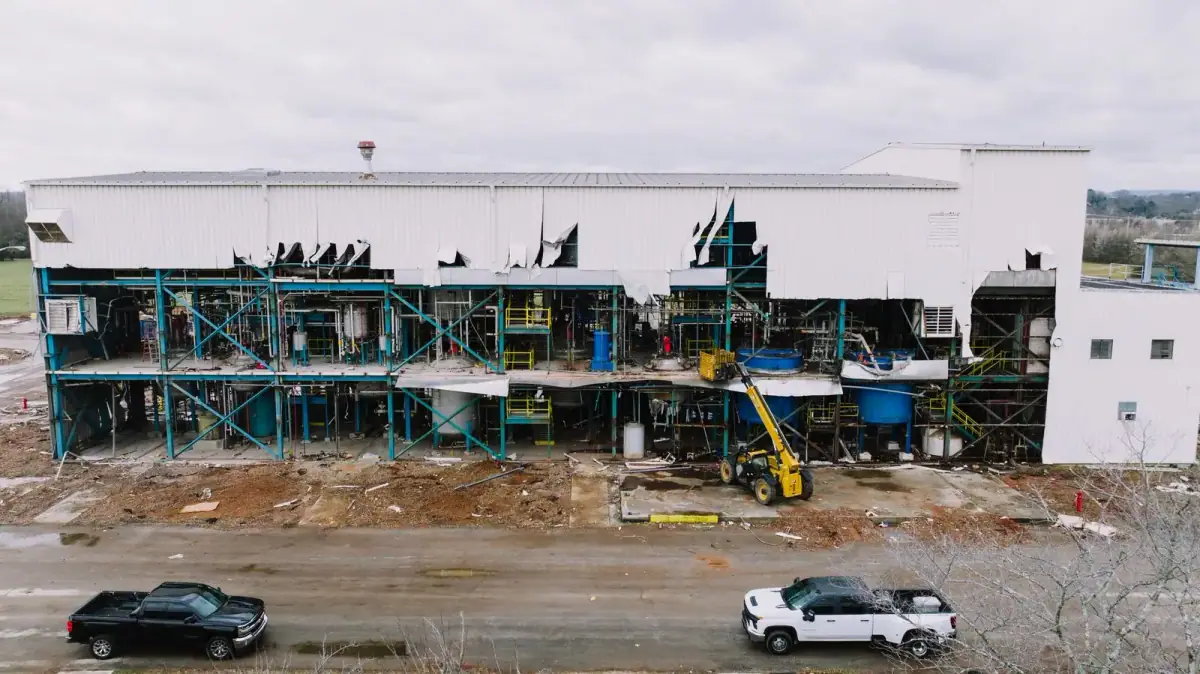
Plant closure and relocation
When manufacturing moves, the buildings, machinery, tanks and pipework have to be decommissioned and removed before the site can be sold or repurposed.
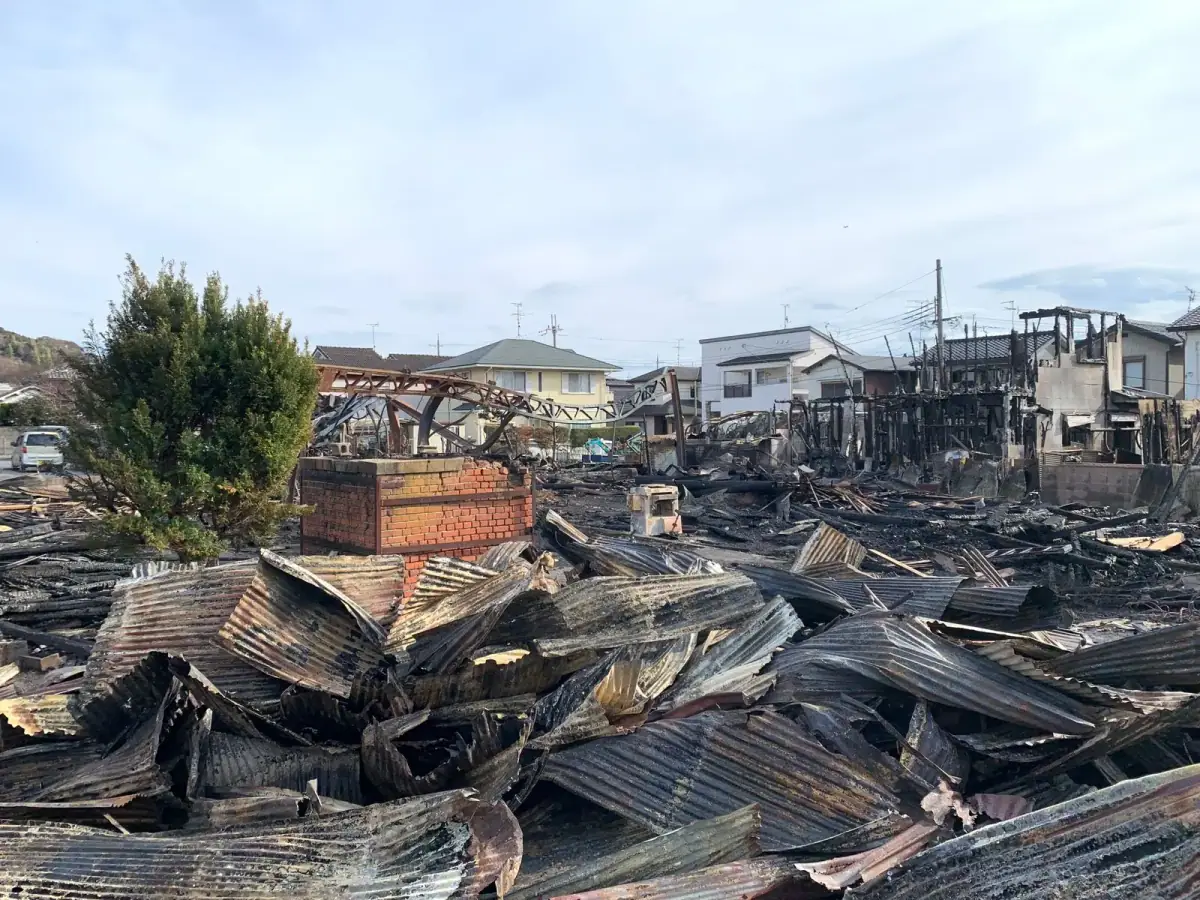
Structural failure and unsafe buildings
Fire, collapse, subsidence, severe corrosion or storm damage can leave a structure that has to come down under a local order, sometimes urgently.
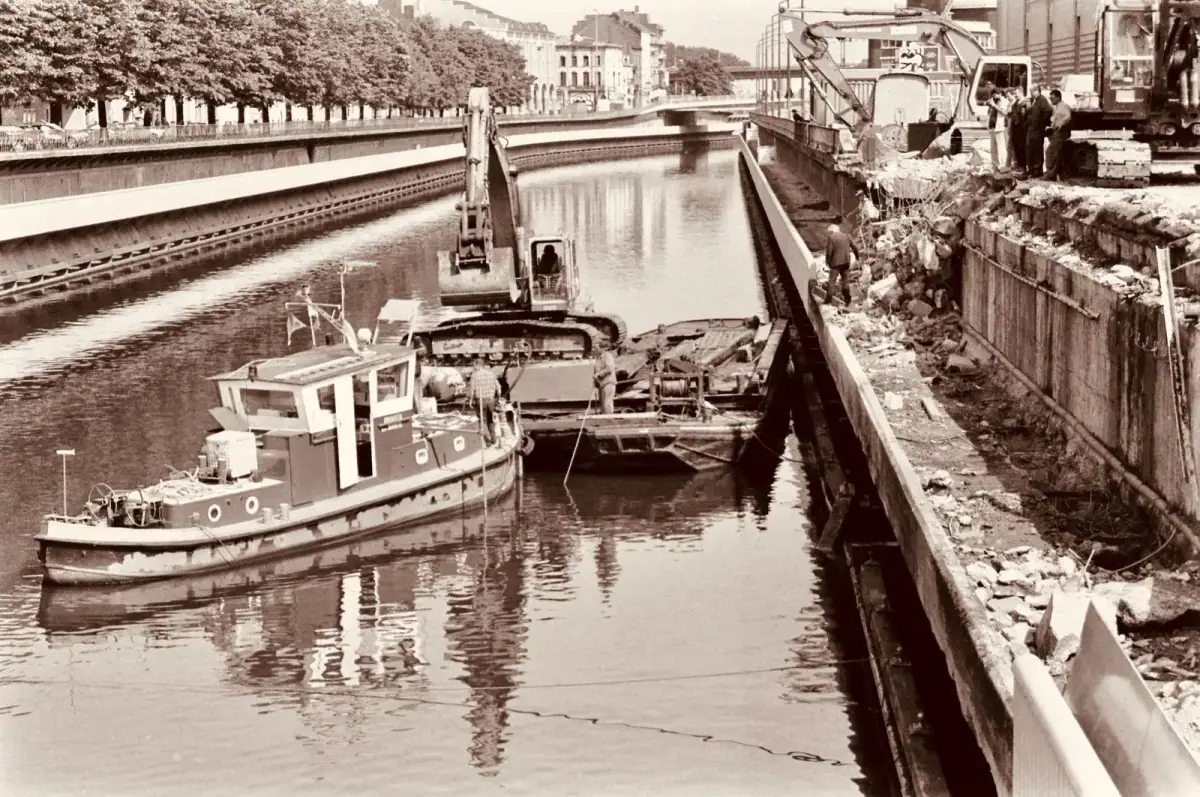
Infrastructure renewal
Bridges, culverts, parking decks and roadways reach the end of their service life and must be removed before replacements are built, usually while traffic keeps moving.
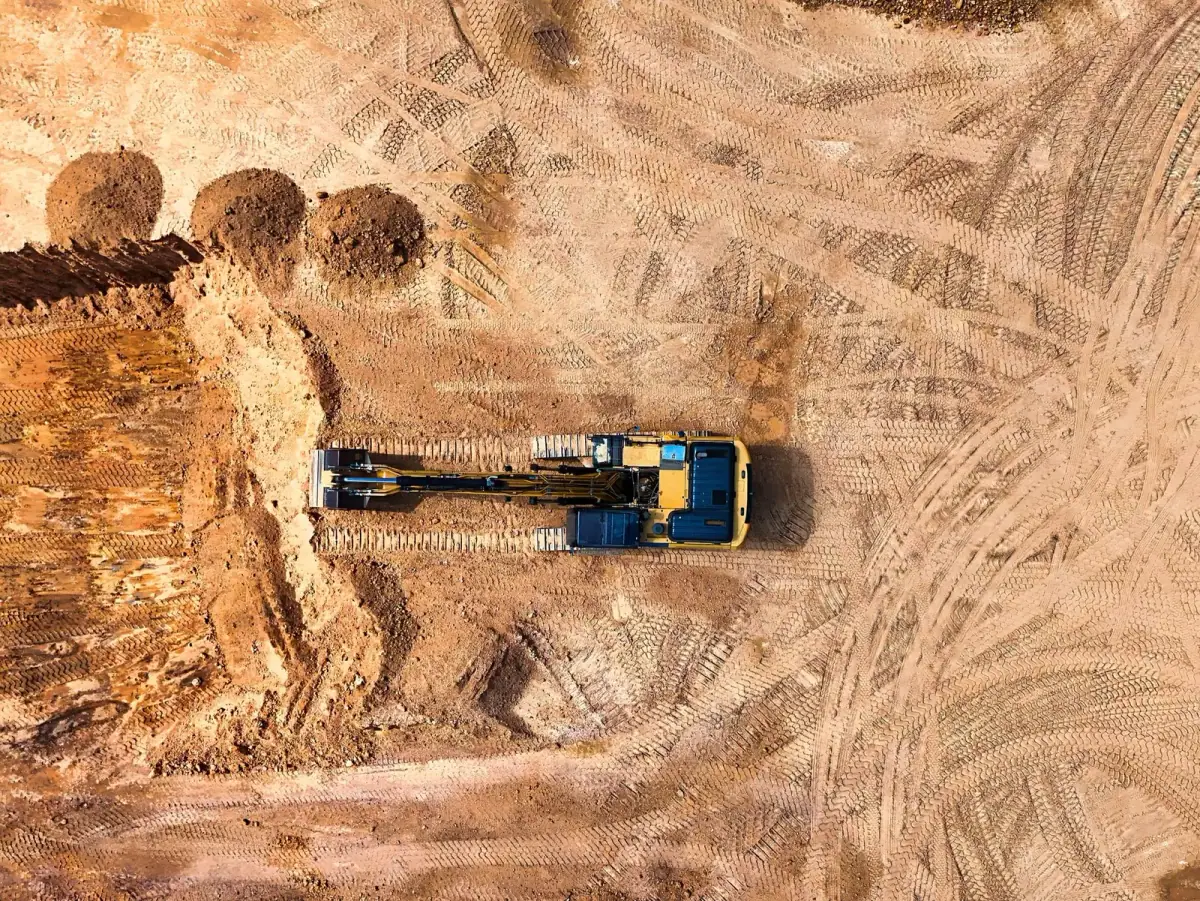
Brownfield remediation
Contaminated industrial sites need structures removed before soil and groundwater work can begin, with the demolition itself controlled to avoid spreading contamination.
Demolition methods and how we choose
Method selection is an engineering decision driven by the structure, what surrounds it and how much room there is to work. The same building on two different sites can warrant two different approaches.
| Method | Where it fits |
|---|---|
| Mechanical demolition | The default for most structures. Excavators with hydraulic attachments work through the building in a planned sequence from a stable platform. |
| High-reach demolition | Buildings above roughly four storeys. A long-front excavator works from ground level, keeping crews out of the structure entirely. |
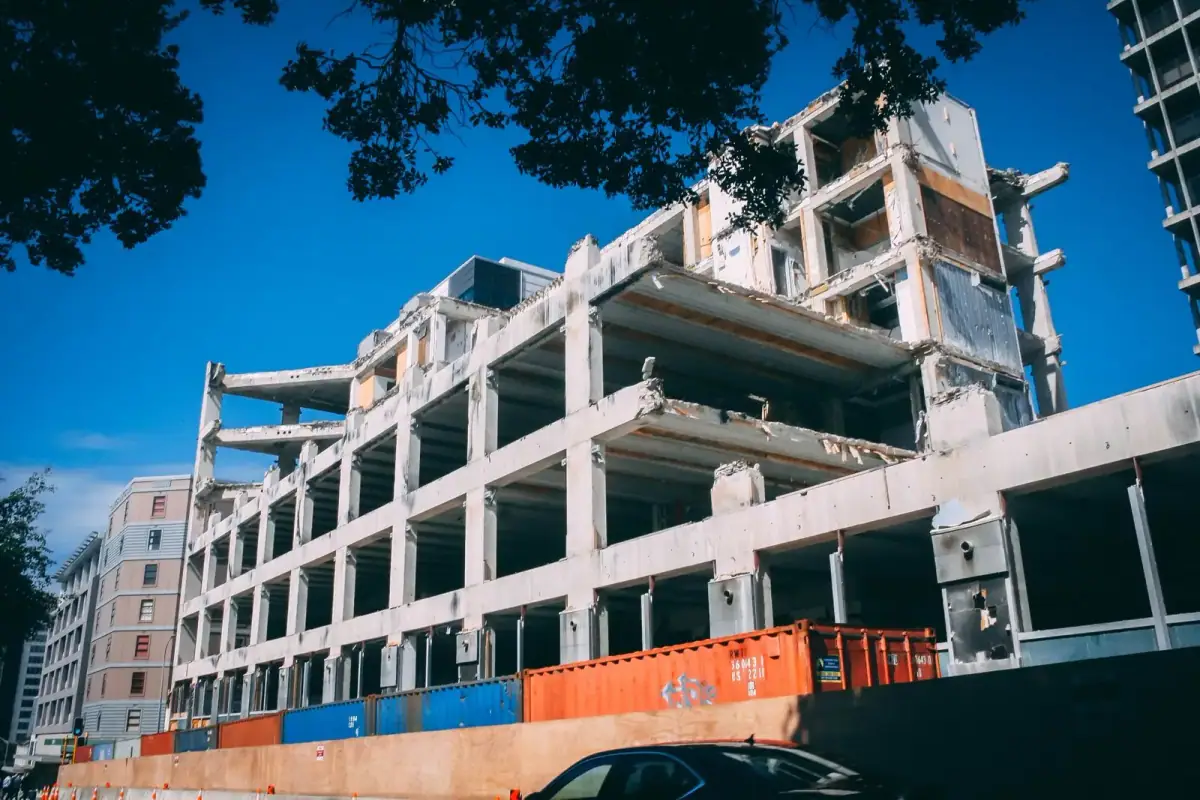
| Top-down dismantling | Tight urban sites with no room for exclusion zones. Smaller machines are craned to the roof and the building is removed floor by floor beneath them. |
| Deconstruction and soft strip | Where salvage value, recycling targets or heritage requirements justify removing materials by hand before the structure comes down. |
| Implosion | Tall, isolated concrete structures — stacks, silos, towers — where a controlled collapse by licensed blasters is safer and faster than reaching the top mechanically. |
| Selective and structural removal | Occupied buildings, where specific elements come out under engineered temporary support while the rest stays in service. |
| Hydraulic bursting and sawing | Where vibration or noise limits rule out impact breaking, such as near sensitive equipment, hospitals or historic fabric. |
The method statement comes first
Before mobilizing we issue a written method statement covering sequence, equipment, temporary works, exclusion zones, monitoring and emergency procedures. Your engineer, insurer and the permit office all get the same document.
What every core demolition project includes
Scope is defined and priced before work starts, so there are no mid-project surprises:
- 01Structural survey.
We establish the construction type, load paths, spans, materials and condition, and identify anything that must be supported or removed in a particular order.
- 02Hazardous materials survey.
Asbestos, lead paint, PCBs, mercury, refrigerants and contaminated residues are identified before demolition, not discovered during it.
- 03Engineered demolition plan.
A written method statement with sequence, equipment, temporary works, exclusion zones and monitoring, prepared for your engineer and the permit office.
- 04Permits and notifications.
We prepare and submit the demolition permit application, asbestos notifications and any right-of-way or road closure permits required.
- 05Utility disconnection and capping.
Coordinated with every provider — electric, gas, water, sewer, steam, telecoms — with written confirmation before demolition begins.
- 06Soft strip and salvage.
Fixtures, fittings, equipment and saleable materials removed first, which reduces disposal volume and can offset project cost.
- 07Site protection and hoarding.
Fencing, hoarding, scaffolding, netting, pedestrian routes and protection for adjacent structures, all installed before demolition starts.
- 08Traffic and pedestrian management.
Plans agreed with the local authority or NCDOT where work affects streets, sidewalks or highways.
- 09Dust, noise and vibration control.
Water suppression, screening and monitoring, with limits set to protect neighbours and adjacent structures.
- 10Structural demolition.
The building comes down in the planned sequence, with the exclusion zone maintained and the plan reviewed as conditions change.
- 11Foundation and slab removal.
Footings, slabs, pile caps, basements and below-ground structures broken out to the agreed depth.
- 12Debris processing and recycling.
Concrete crushed, steel and metals recovered for scrap, clean wood diverted. Remaining material to permitted C&D facilities.
- 13Backfill, compaction and grading.
Voids filled with suitable material in compacted lifts, rough-graded and stabilized so the site is safe and buildable.
- 14Documentation package.
Method statements, permits, waste tickets, diversion reports, monitoring records and photographic evidence for your files.
How a core demolition project runs
Larger projects follow every step below. The preparation phase, not the demolition, usually sets the overall programme.
01
Week 1
Site visit and estimate
We walk the structure, review drawings if they exist, assess access, neighbours and services, and issue a written itemized estimate.
02
Week 1–3
Surveys
Structural survey plus an asbestos and hazardous materials survey by accredited inspectors, establishing exactly what we are dealing with.
03
Week 2–4
Method statement and engineering
We produce the demolition plan, including temporary works design and exclusion zones, and issue it for your engineer and the permit office to review.
04
Week 3–6
Permits and notifications
Demolition permit, NESHAP notification, right-of-way agreements and utility disconnections are all filed and confirmed in writing.
05
Pre-demo
Abatement and soft strip
Asbestos and other hazardous materials are removed by accredited crews. Salvage, fixtures and equipment come out next.
06
Mobilize
Site set-up
Hoarding, fencing, netting, protection to adjacent structures, traffic management, dust suppression and monitoring all go in before demolition.
07
Demolition
Structural demolition
The structure comes down in the planned sequence, with daily briefings and the plan reviewed as conditions change.
08
Ongoing
Foundations and processing
Slabs, footings and below-ground structures removed. Concrete crushed and steel separated, on site where space allows.
09
Handover
Backfill, grading and handover
Voids backfilled and compacted, site graded and stabilized, final survey and documentation package issued.
READY TO CLEAR THE SITE?
Tell us what needs to come down.
Send a few project details and our team will get back to you with the next steps.
Safety, monitoring and the public
Structural and site safety
Core demolition puts heavy plant and falling material close to people, so every site runs to a written safety plan.
- Exclusion zones sized to structure height and method
- The demolition plan reviewed as conditions change
- Protection and, where needed, underpinning of adjacent structures
- Water suppression and screening for dust
- Air monitoring during asbestos abatement
- Competent-person inspections and daily toolbox talks
- Trained, OSHA-compliant operators on matched plant
- Emergency procedures, rescue plans and site induction
Protecting neighbors and the public
Most core demolition happens near occupied buildings, live roads and public sidewalks, so protection is planned first.
- Hoarding, fencing, netting and covered walkways
- Traffic management agreed with the authority or NCDOT
- Vibration and settlement monitoring near sensitive neighbours
- Monitoring limits set to protect adjacent structures
- Pedestrian routes kept safe past the site
- Advance notice to neighbours and businesses
- A named contact for questions or complaints
- General liability and workers’ compensation insurance
What core demolition costs in North Carolina
Commercial and industrial demolition is priced per project after a site visit, because the variables matter more than the floor area. As broad guidance, commercial demolition in North Carolina commonly runs about $5 to $20 per square foot, with asbestos abatement, structural complexity and restricted access pushing well beyond that. Salvage value and on-site concrete crushing can pull it back down.
| Cost factor | Why it matters |
|---|---|
| Structure type and height | Steel frames, post-tensioned concrete and buildings above four storeys need specialist plant and slower, more controlled sequences. |
| Site access and working room | A building you can surround with an exclusion zone is far cheaper than one wedged between two occupied neighbours. |
| Hazardous materials | Asbestos abatement, lead paint, PCBs and contaminated residues are often the single largest line item on older buildings. |
| Adjacent structures | Party walls, shared foundations and neighbours needing protection, monitoring or underpinning add engineering and time. |
| Below-ground structures | Basements, pile caps, tank pits and deep foundations mean more breaking, more backfill and sometimes dewatering. |
| Debris volume and disposal | Tipping fees and haul distances vary across the state. On-site crushing cuts both haulage and import costs. |
| Salvage and scrap value | Structural steel, copper, machinery and equipment can offset a meaningful share of the contract. |
| Traffic and hours restrictions | Night work, weekend-only windows, lane closures and pedestrian diversions all reduce productive hours. |
| Monitoring requirements | Vibration, noise, dust and settlement monitoring add cost where neighbours or historic fabric are sensitive. |
| Permits and compliance | Permit fees, erosion control, stormwater compliance and right-of-way agreements differ by jurisdiction. |
Every estimate is itemized so you can see what each element costs and make informed decisions about scope, salvage and phasing. Lenders, insurers and public clients generally require this level of breakdown, and we provide it as standard.
How long core demolition takes
Surveys, notifications and abatement usually take longer than the demolition itself. The 10-working-day NESHAP notification period and the asbestos abatement programme are the two items most likely to set your start date.
| Stage | Typical duration |
|---|---|
| Site visit and estimate | A few business days |
| Structural and hazardous materials surveys | 1–3 weeks including lab results |
| Method statement and engineering review | 1–3 weeks |
| Permits and NESHAP notification | 2–6 weeks, jurisdiction dependent |
| Asbestos abatement (if required) | 1 week to several months by extent |
| Soft strip and site set-up | 1–3 weeks |
| Small commercial building demolition | 1–3 weeks on site |
| Large commercial or industrial demolition | 1–6 months on site |
| Foundations, backfill and grading | 1–4 weeks |
North Carolina permits and regulations
North Carolina has no single statewide demolition permit. Demolition is permitted locally, with state and federal rules layered on top. Commercial and industrial work generally triggers more of them than residential. We confirm the exact list for your site during the estimate.
- Local demolition permit. Issued by the city or county building inspections office. Most jurisdictions require proof of utility disconnection and a completed asbestos survey before they will issue it.
- NESHAP asbestos notification. Federal regulation requires written notification before demolition of most commercial and industrial structures — typically at least 10 working days in advance — whether or not asbestos is present. Missing this is one of the most common causes of delay.
- NC asbestos accreditation. The Health Hazards Control Unit of NC DHHS runs the state program. Surveys must be by NC-accredited inspectors and removal by accredited abatement workers. Mecklenburg, Forsyth and Buncombe counties have local air quality agencies with their own requirements.
- NC 811 before digging. State law requires notifying NC 811 at least three full working days before excavating so underground utilities can be located and marked.
- Erosion and sedimentation control. Under the NC Sedimentation Pollution Control Act, disturbing one acre or more requires an approved erosion control plan. Most commercial demolition sites exceed that threshold.
- Stormwater permits. Construction general permit coverage is commonly required, with inspections and records kept for the duration of the work.
- Right-of-way and road closures. Work affecting streets, sidewalks or highways needs encroachment agreements from the local authority or NCDOT, often with agreed hours and detours.
- Historic review. Buildings in local historic districts or with landmark designation may need preservation commission approval, which can delay demolition by up to 365 days.
- Blasting licences. Explosive demolition requires licensed blasters, state and local permits, notification of authorities and neighbours, and seismograph monitoring.
- Environmental permits. Industrial sites may need RCRA waste determinations, tank closure permits, NPDES coverage for dewatering, or DEQ involvement where contamination is known.
We manage the approvals
Permit applications, NESHAP notifications, asbestos coordination, utility disconnect letters, NC 811 requests and right-of-way agreements are all part of our scope.
What we need to plan the project
The more we have up front, the faster and tighter the method statement and bid. Helpful items include:
PLANNING A PROJECT?
Let’s scope your structural demolition
Send your drawings, reports and target dates and a project manager will recommend the method and prepare an engineered plan, scope and price — no commitment needed.
Material recovery and recycling
A commercial demolition generates thousands of tons of material. Most of it has value if it is separated properly:
- Concrete and masonry. Crushed on site where space allows and reused as engineered fill, base or backfill, cutting both haulage out and aggregate in.
- Structural steel and metals. Beams, rebar, copper, aluminium, cable and machinery recovered for scrap, often a significant credit against the contract.
- Clean timber. Diverted for mulch, biomass or reuse where local facilities accept it.
- Equipment and fixtures. Machinery, HVAC plant, transformers, fittings and architectural features resold or redeployed rather than scrapped.
- Hazardous streams. Asbestos, PCB-containing equipment, refrigerants, lamps and contaminated material handled separately by licensed facilities.
We report diversion rates by weight with supporting tickets, which supports LEED and other green building targets and satisfies public-sector reporting requirements.
Core demolition service areas
Alpha Demolish works throughout North Carolina, from the mountains to the coast, including:
Charlotte metro
Charlotte • Concord • Gastonia • Huntersville • Matthews • Mint Hill • Mooresville • Cornelius • Indian Trail • Monroe
Research Triangle
Raleigh • Durham • Cary • Chapel Hill • Apex • Wake Forest • Holly Springs • Garner • Morrisville • Fuquay-Varina
Piedmont Triad
Greensboro • Winston-Salem • High Point • Burlington • Kernersville • Thomasville
Coastal North Carolina
Wilmington • Jacksonville • New Bern • Morehead City • Greenville • Outer Banks
Western North Carolina
Asheville • Hendersonville • Hickory • Boone • Morganton • Waynesville
Sandhills & Eastern NC
Fayetteville • Southern Pines • Pinehurst • Sanford • Goldsboro • Rocky Mount • Wilson
Don’t see your location? We work across the state and mobilize for larger projects nationally. Contact us to confirm availability.
Why contractors and owners choose Alpha Demolish
Engineered plans, not guesswork
Every structure gets a survey and a written method statement before demolition, reviewed by your engineer and the permit office.
Equipment matched to the job
High-reach excavators, processors, shears, crushers and specialist attachments, so the method suits the structure instead of the other way round.
Compliance managed
Permits, NESHAP notifications, asbestos accreditation, erosion control and right-of-way agreements handled as part of scope.
Fixed, itemized pricing
You see what each element costs, so you can make informed calls on scope, salvage and phasing.
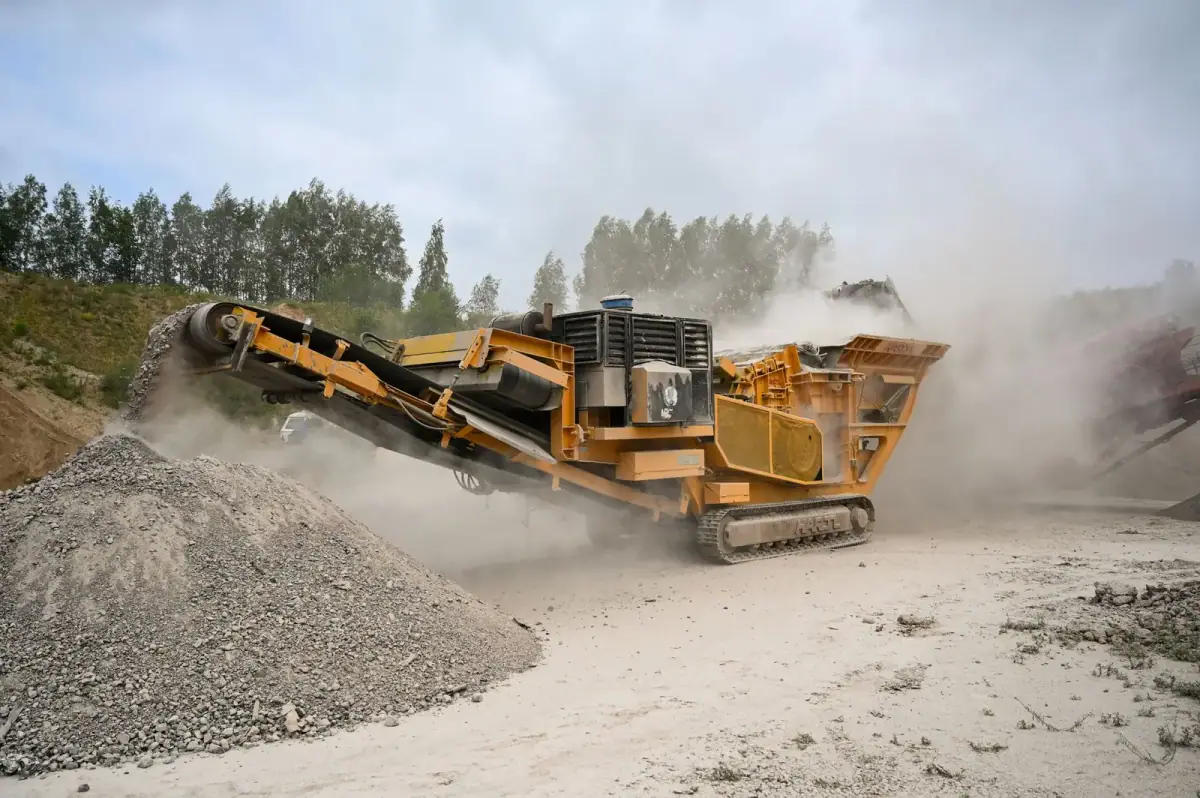
Material recovery
On-site crushing and scrap recovery reduce both disposal cost and imported fill, with diversion reported by weight.
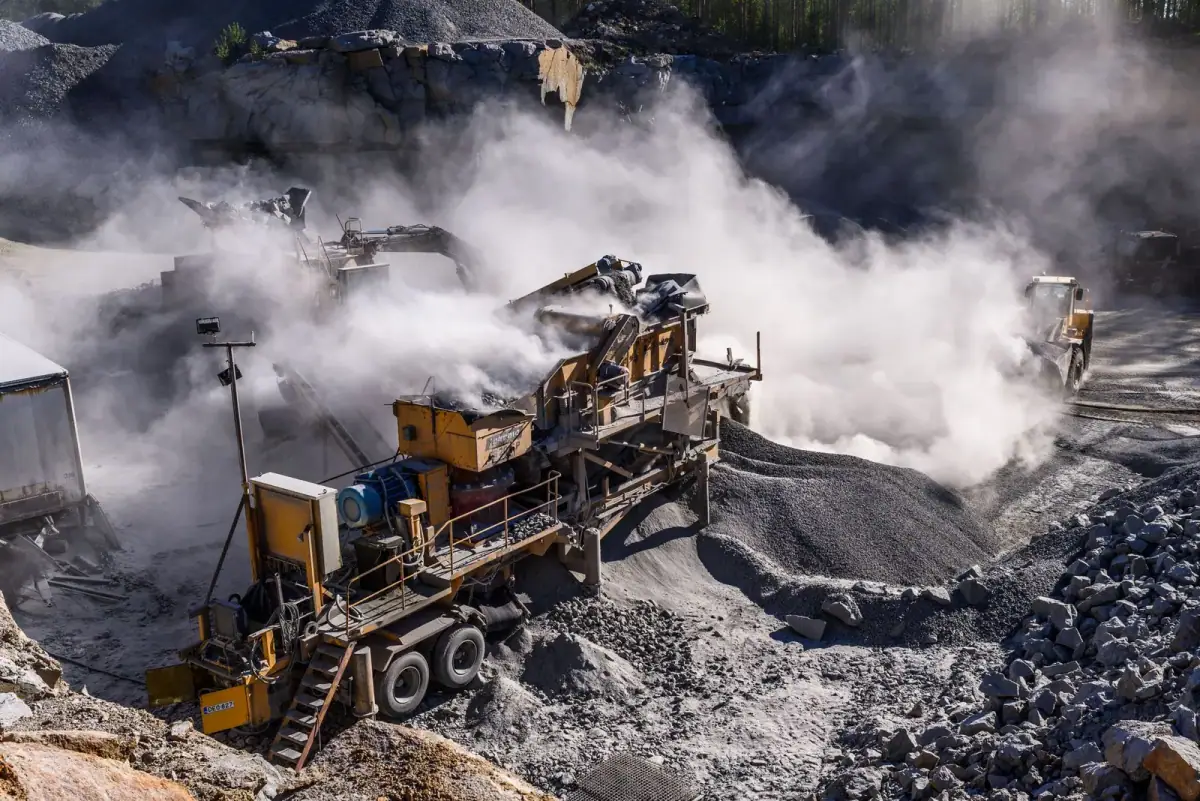
Documented handover
Method statements, permits, waste tickets, monitoring records and photos, packaged for your files, lender or insurer.