Concrete slab removal across North Carolina
Concrete slabs are everywhere around North Carolina homes: patios, garage floors, shed pads, sport courts, and the slab foundations many homes are built on. When a slab cracks, settles, heaves or simply needs to make way for a new project, removing it properly is the first step to a good result.
Alpha Demolish removes residential concrete slabs of every kind. Before we break anything, we check thickness, reinforcement and what lies under the slab, because that decides how we remove it safely and how the ground needs to be prepared for what comes next.
This page explains what our slab removal service includes, what we check before breaking a slab, how we protect your property, what affects the cost and how to prepare.
When do you need a slab removed?
Homeowners and builders across North Carolina call us to remove slabs for many reasons. The most common are:
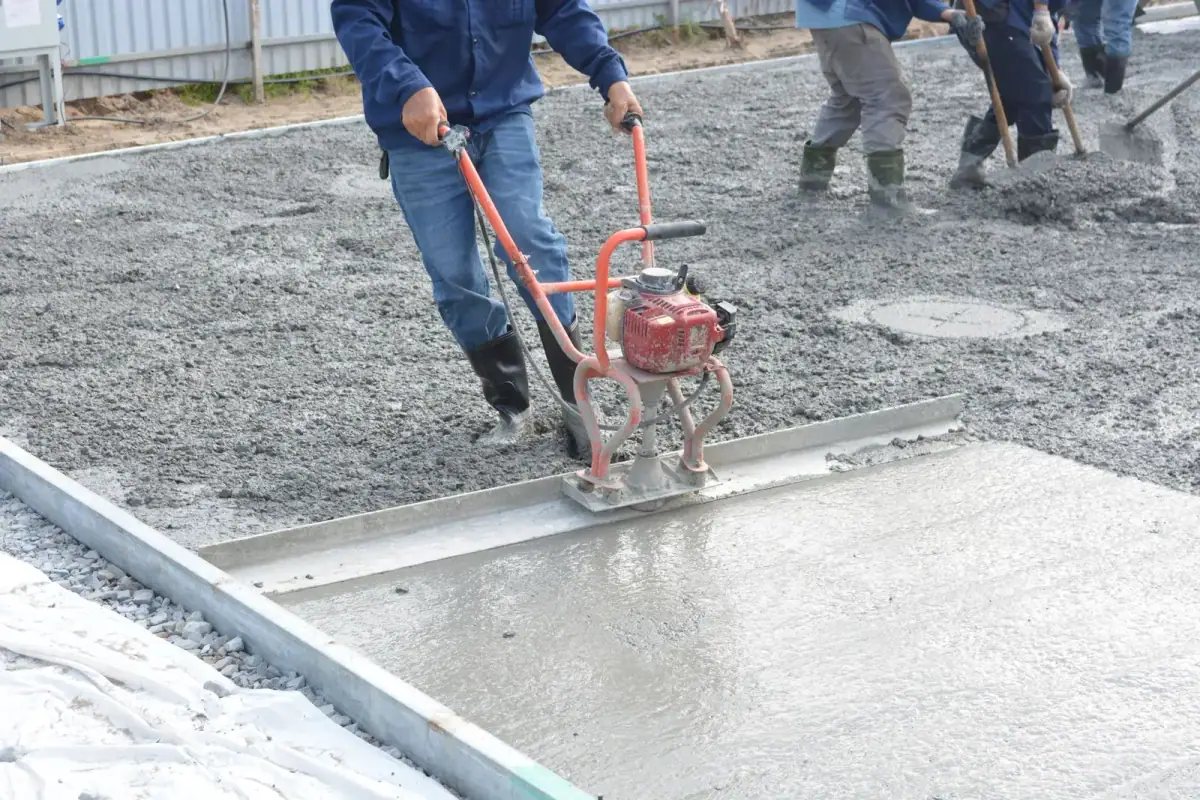
Cracked or settled patio
A patio or pool-deck slab that has cracked, settled or heaved as the soil beneath it moved.
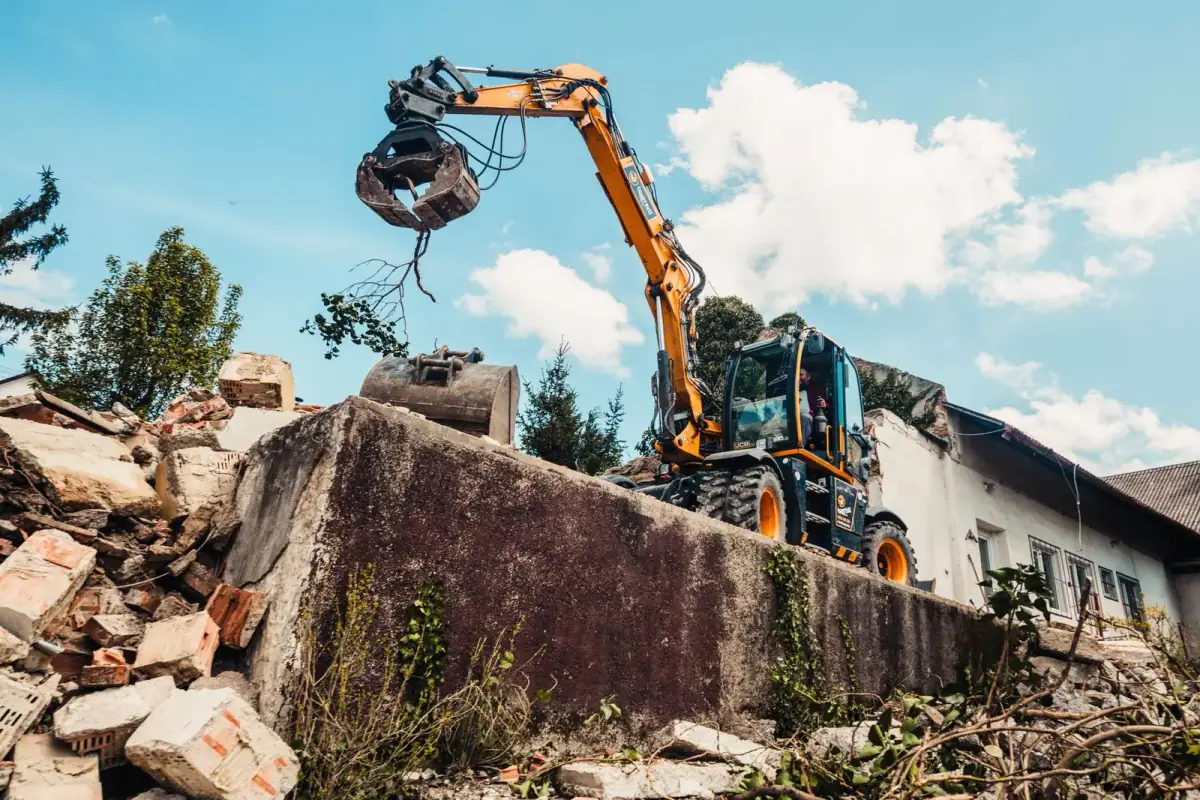
Replacing a garage floor
A garage floor that is spalling, sunken or cracked and needs to come out for a new pour.
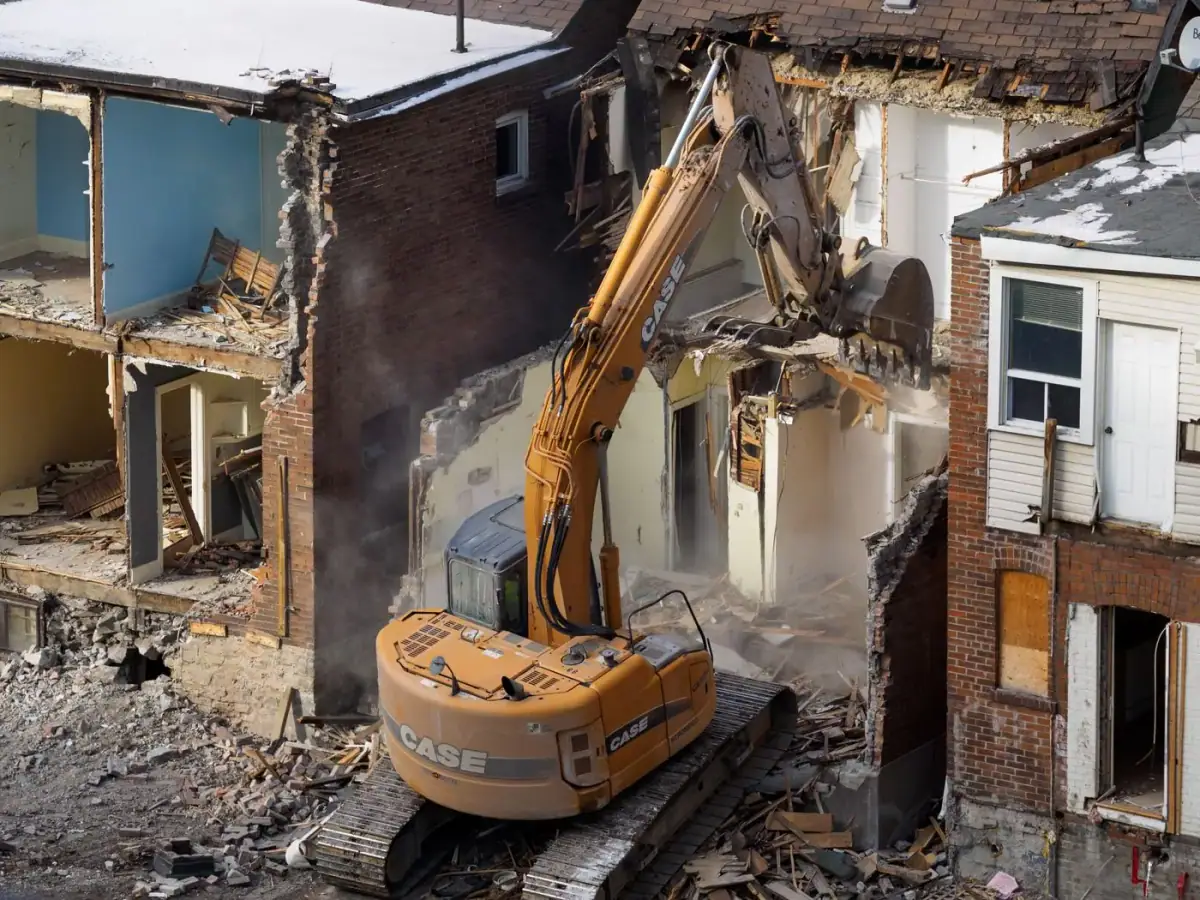
Removing an addition
The slab under a sunroom, addition or room being removed or rebuilt.
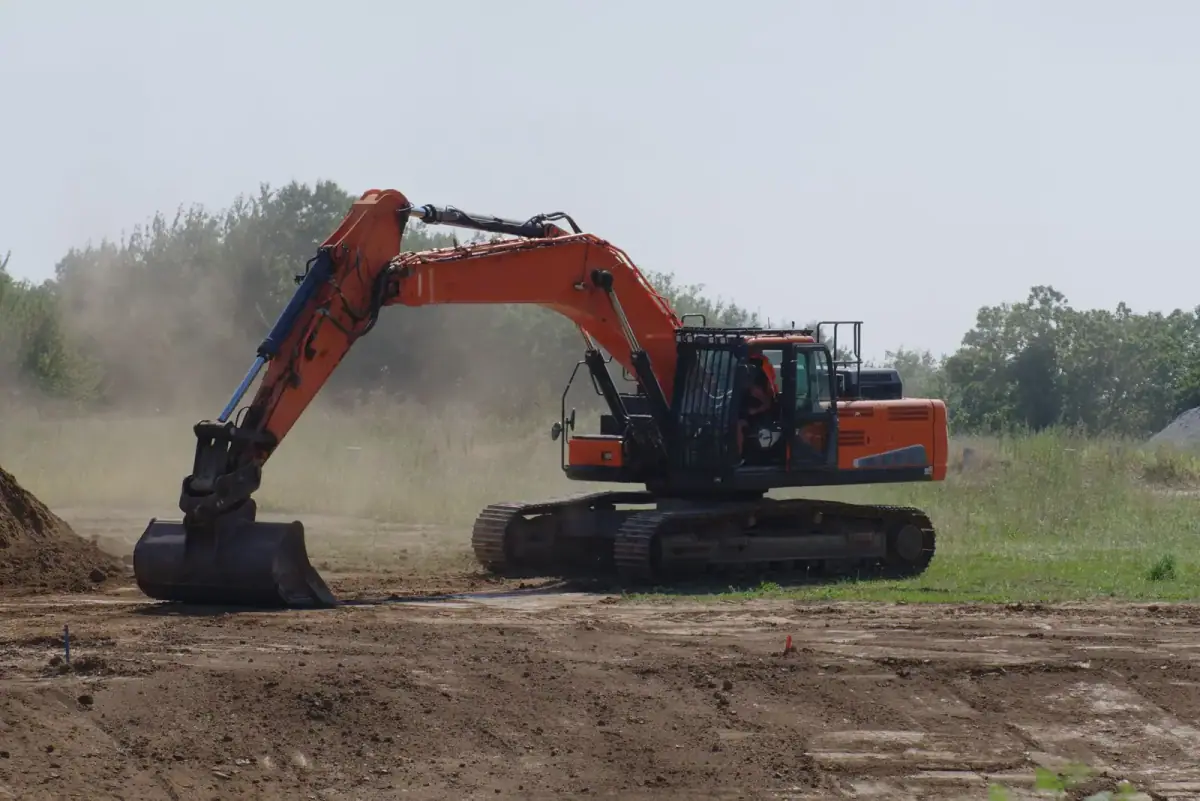
Making room for new work
Clearing old pads and slabs ahead of a patio, pavers, an addition or landscaping.
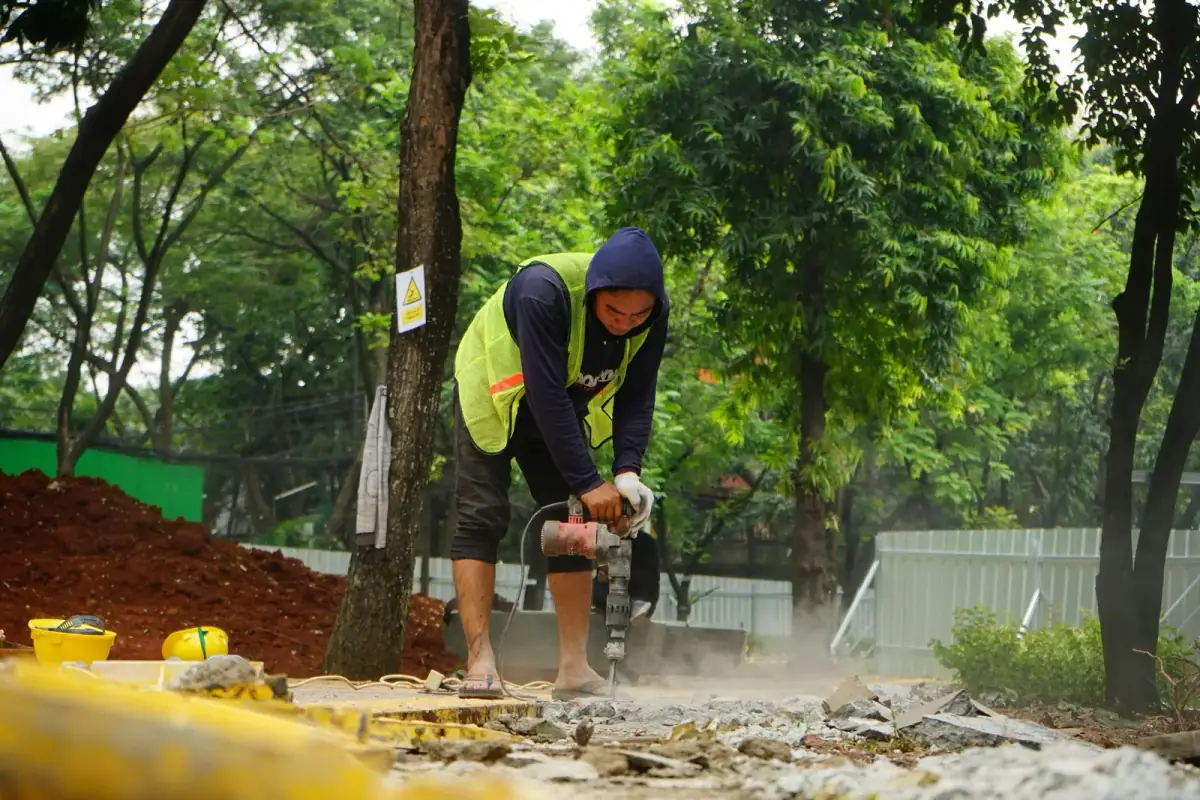
Sport court or large pad
A basketball or multi-sport slab, or a large equipment pad, that is no longer needed.

Buried or failed slabs
Old slabs found during landscaping, or slabs that keep cracking because the ground under them failed.
What’s included in our slab removal service
A safe slab removal starts long before the first breaker. Every Alpha Demolish slab removal in North Carolina includes:
- 01Assessment.
We measure the slab, check thickness and reinforcement, and look for post-tension markings and utilities.
- 02Utility checks and NC 811.
Plumbing, gas, conduit, radiant heat and radon pipes are made safe, and a locate is requested for any digging.
- 03Post-tension handling.
Where a slab is post-tensioned, qualified specialists locate and de-tension the tendons before any cutting.
- 04Saw-cutting.
Large slabs are cut into sections and cut cleanly where they meet concrete that stays.
- 05Breaking or lifting.
Sections are broken with skid-steer and excavator breakers, or lifted out whole to reduce noise and dust.
- 06Rebar separation.
Steel reinforcement is cut out and recycled; concrete is crushed into aggregate.
- 07Base removal.
Stone, sand and vapor barrier below the slab are removed as needed.
- 08Subgrade prep.
Soft or wet soil is dug out and the ground is graded and compacted, ready for a new pour or landscaping.
Our slab removal process, step by step
Every slab removal follows the same sequence, with the checks up front that keep it safe.
Day 1
Assessment
We measure the slab, check thickness and reinforcement, and look for post-tension markings and utilities.
Pre-work
Utilities and locates
Lines in or under the slab are made safe and NC 811 is called for any digging.
Pre-work
De-tension if needed
Post-tension tendons are located and de-tensioned by qualified specialists before cutting.
Work day
Cut
The slab is saw-cut into sections and separated from anything that stays.
Work day
Break and remove
Sections are broken or lifted, loaded and taken to a recycler.
Handover
Subgrade prep and handover
Base and soft soil are removed, the ground is graded and compacted, and we walk it with you.
READY TO CLEAR THE SITE?
Tell us what needs to come down.
Send a few project details and our team will get back to you with the next steps.
What we remove and what we check first
Slabs we remove
From a small AC pad to a full slab-on-grade foundation, we remove residential slabs of every kind.
- Patio and pool-deck slabs
- Garage floors with thickened edges
- Shed, AC and equipment pads
- Basketball and multi-sport court slabs
- House slabs (slab-on-grade)
- Addition and sunroom slabs
- Interior slabs in garages and homes
- Buried and failed slabs on older lots
What we check before breaking
What is inside and under a slab decides how we remove it safely. We never break blind.
- Thickness and thickened edges
- Wire mesh, rebar and fiber reinforcement
- Post-tension cables (never cut until de-tensioned)
- Plumbing, gas, conduit and radiant heat
- Radon pipes and floor drains
- Asbestos in old floor tile and mastic
- Vapor barrier, stone and sand below
- General liability and workers’ comp insurance
Concrete slab removal cost in North Carolina
Slab removal is priced mostly by volume of concrete, adjusted for reinforcement, access and whether the work is inside or out. You receive a fixed, itemized quote.
| Cost factor | Why it matters |
|---|---|
| Size and thickness | The volume of concrete drives most of the cost. |
| Reinforcement | Rebar and heavy mesh take longer to break and separate. |
| Post-tension | Tendon de-tensioning by specialists is an extra step. |
| Interior or exterior | Interior slabs need small equipment, hand work and dust control. |
| Site access | Backyard and tight-access slabs need smaller equipment. |
| Subgrade work | Removing base and unsuitable soil adds labor. |
| Asbestos | Abatement adds cost if old tile or mastic contains asbestos. |
How long does slab removal take?
Small pads are often done in a few hours; large, thick or reinforced slabs run one to three days. Post-tension de-tensioning and interior dust containment add setup time.
| Stage | Typical duration |
|---|---|
| Site visit and estimate | Same day to a few days |
| NC 811 utility locate | 3 working days before digging |
| Post-tension de-tensioning (if needed) | Scheduled before demolition |
| Small pad removal | A few hours |
| Large or thick slab removal | 1–3 days |
| Subgrade prep and clean-up | Same day to 1 extra day |
What replaces the slab?
We leave the ground ready for your next project, whether that is a new pour, a softer landscape, or work inside the home.
Ready for a new pour
We remove the old base, grade and compact the subgrade, ready for stone, vapor barrier and forms. New slabs attached to homes also need termite protection before the pour.
Interior slab removal
For garage floors and slabs inside the home, we seal the area with zip walls, run negative air, use electric equipment and carry debris out one protected route.
Pavers, lawn or garden
We excavate to the depth a paver base needs, or remove the base and spread topsoil so the area returns to lawn or planting.
Many slabs fail because the soil underneath was soft, wet or poorly compacted. In the Piedmont’s clay we keep the subgrade dry and compacted; on sandy coastal soils, confinement and compaction are the focus.
Safety rules, permits and hazards
Removing an exterior slab on your property usually does not need a permit, but several safety rules still apply. We confirm what your slab needs during the estimate:
- Post-tension slabs. Some slabs, more often in newer subdivisions, contain steel tendons under very high tension. Cutting one can make it whip out violently. They must be located and de-tensioned by qualified specialists first.
- NC 811 before digging. A locate is requested before any excavation so buried utilities are marked and protected.
- Asbestos in floor finishes. Old floor tiles and black mastic glued to interior slabs can contain asbestos and may need abatement by NC-accredited workers first.
- House slab permits. Removing an exterior slab on your property usually does not need a permit; removing a house slab or a slab tied to structural work is normally part of a permitted demolition or renovation.
- Stormwater and erosion. Saw-cutting water is kept out of storm drains, and exposed soil is stabilized after removal.
If you are not sure whether your slab is post-tensioned, don’t let anyone cut or core it until it has been checked. It is one of the most serious hazards in slab demolition.
How to prepare for slab removal
A little preparation keeps the job safe and on schedule:
NOT SURE YET?
Let’s talk through your slab removal
From a small pad to a garage floor or house slab, send a few details and a specialist will give you a fixed price and a safe plan — no commitment needed.
Concrete recycling in North Carolina
Slabs are almost entirely recyclable, and recycling usually costs less than landfill disposal. We sort as we remove:
- Clean concrete. Broken slab is crushed and screened into recycled aggregate for road base, fill and drainage stone.
- Steel reinforcement. Rebar, mesh and post-tension steel are separated and recycled as scrap.
- Base materials. Clean stone below the slab is reused where possible; unsuitable soil is hauled to a permitted facility.
- Hazardous finishes. Asbestos tile and mastic, where present, are abated and disposed of under NC rules.
Recycling facilities operate around most North Carolina metros, and we can provide disposal records on request.