Patio removal across North Carolina
North Carolina families use their patios from early spring to late fall. Over the years, though, concrete cracks and settles, pavers shift and fill with weeds, and many older patios slope the wrong way, sending water toward the house. Sometimes a patio is simply in the wrong place, or too small for the outdoor space you want.
Alpha Demolish removes patios of every material across North Carolina. We take out the surface and the base beneath it, save pavers and stone you want to keep, correct drainage with proper grading, and leave the space ready for a new patio, lawn or landscaping.
This page explains what our patio removal service includes, how we save pavers and fix drainage, the permit and HOA rules that apply, what affects the cost and how to prepare.
When do homeowners remove a patio?
Homeowners across North Carolina call us to remove a patio for many reasons. The most common are:
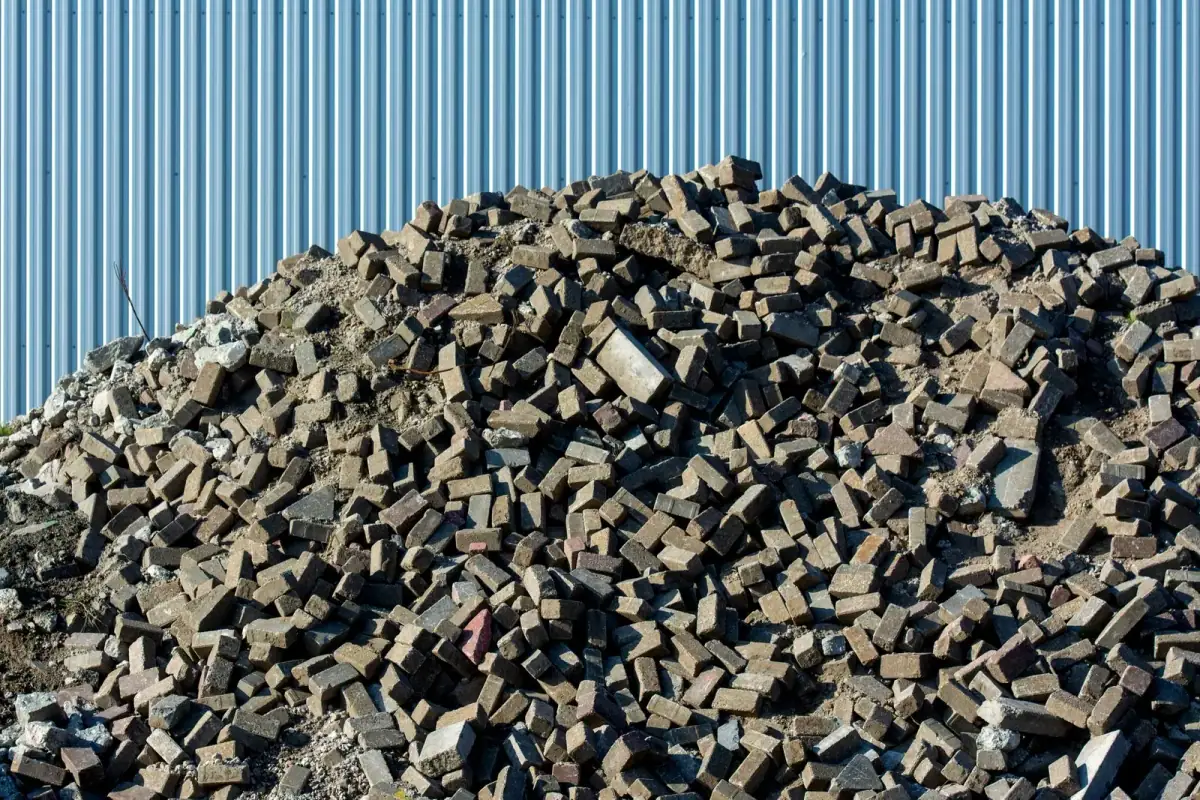
Cracked or sunken concrete
Concrete that has cracked, heaved or sunk as clay soils moved beneath it.
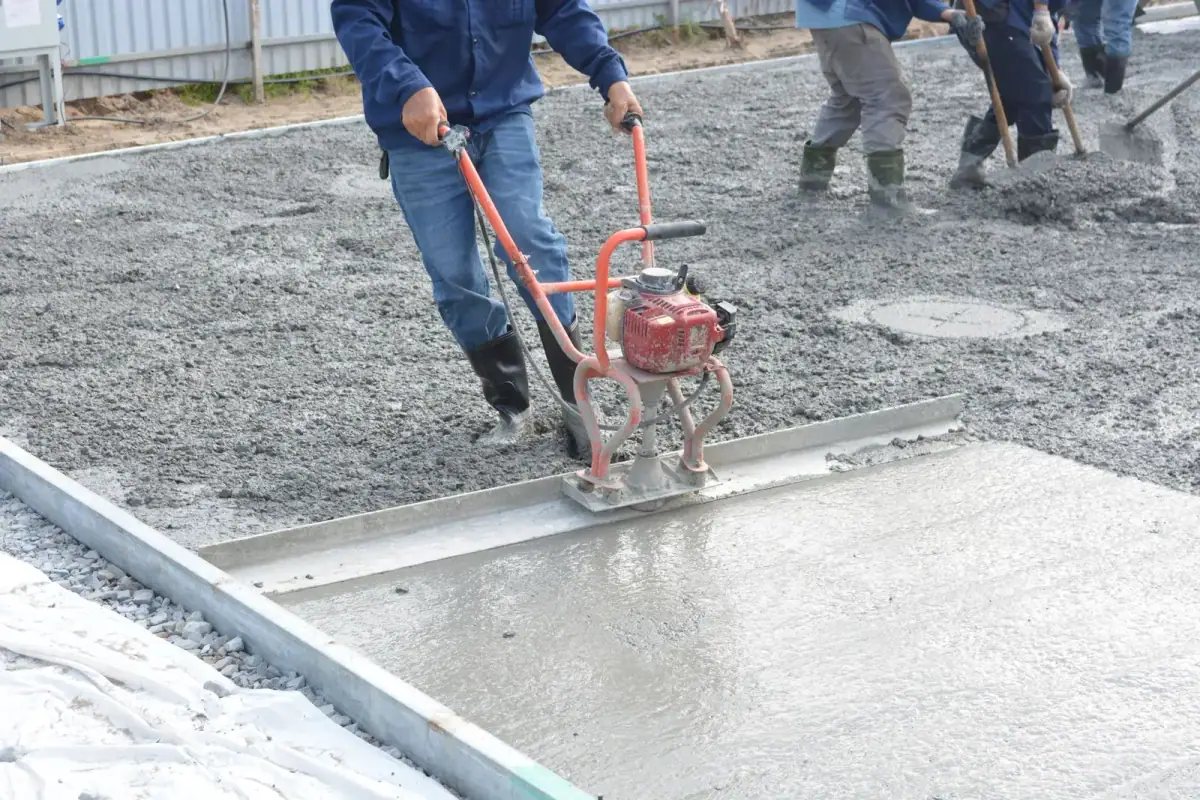
Shifting pavers
Pavers that rock, shift or sink, with weeds and ant hills taking over the joints.

Water toward the house
A patio that sends water toward the foundation or pools on the surface after every storm.
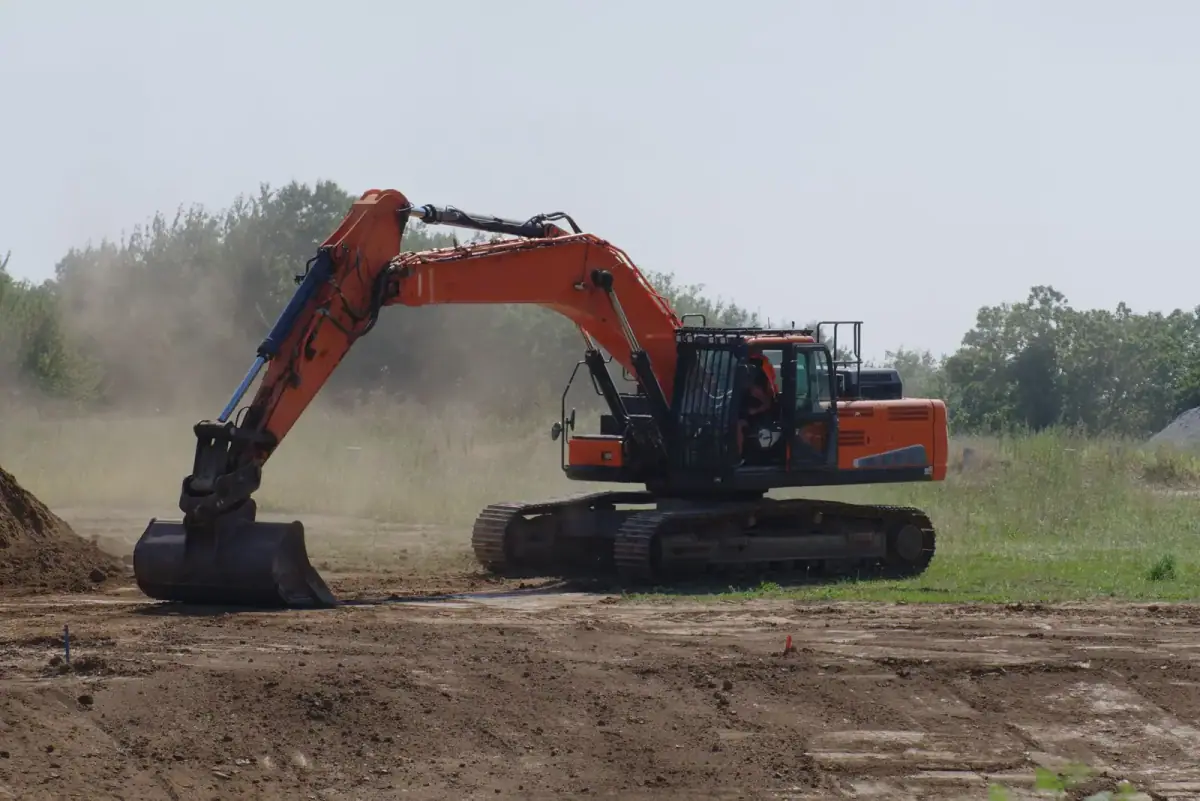
Wrong size or place
A patio that is too small, or in the wrong spot for the outdoor space you want.
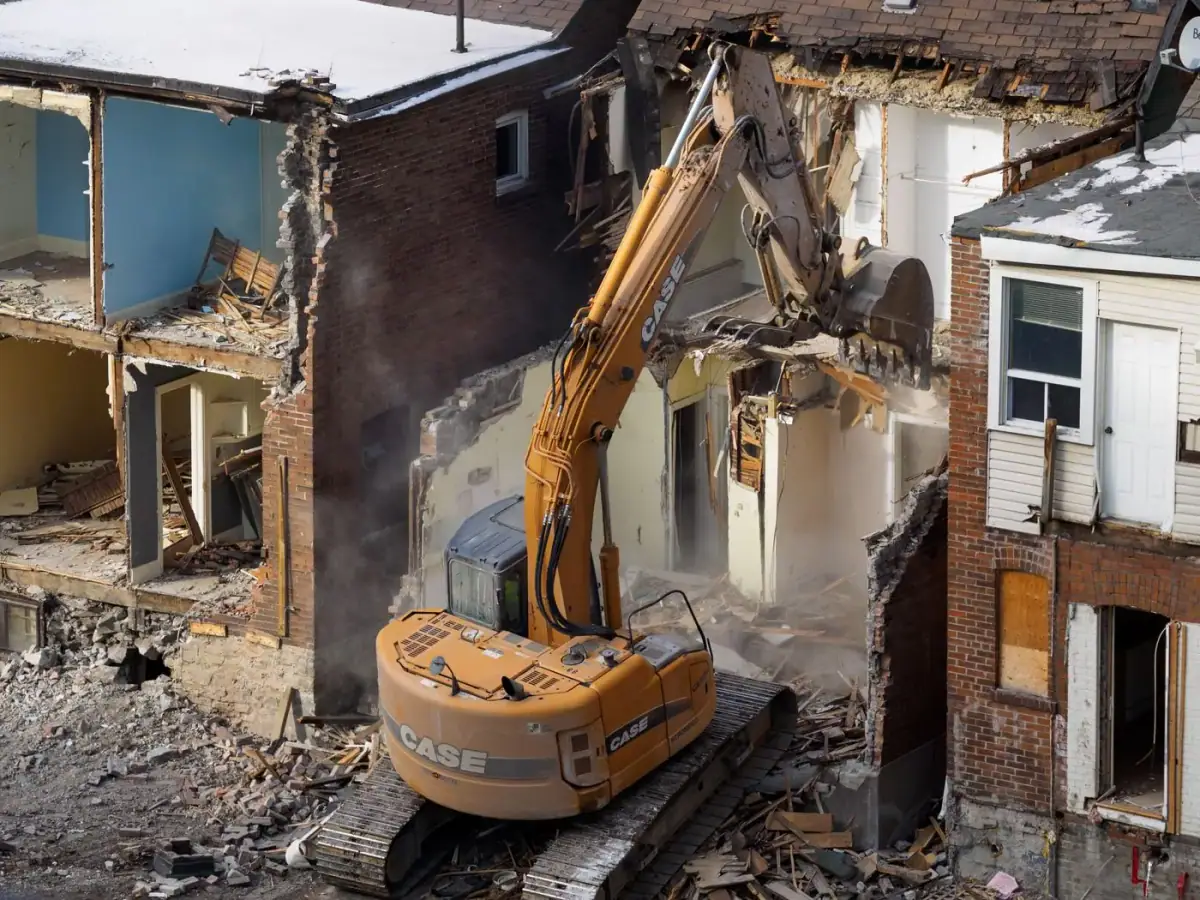
Room for an addition
Clearing the patio to make way for a screened porch, sunroom or addition.
Back to lawn or garden
Converting hardscape back to lawn or planting beds and lowering impervious surface.
What’s included in our patio removal service
A proper patio removal takes out the base as well as the surface and fixes the drainage the old patio got wrong. Every Alpha Demolish patio removal in North Carolina includes:
- 01Visit and fixed quote.
We check the material, thickness, base, drainage and access, and agree what will be saved.
- 02Property protection.
The house, doors, plants and lawn are protected and ground mats go down.
- 03Paver and stone salvage.
Good pavers and natural stone are lifted, cleaned of loose sand and mortar, and stacked on pallets for reuse.
- 04Saw-cutting.
Concrete is cut cleanly where the patio meets the house slab, walkways or steps you keep.
- 05Surface removal.
Concrete, brick, tile and stone are broken out, loaded and hauled to recyclers.
- 06Base removal.
Old gravel, stone and sand base is removed to the depth your next project needs.
- 07Regrading for drainage.
The ground is graded to slope away from the house, correcting the fall the old patio got wrong.
- 08Finish.
The subgrade is compacted for a new patio, or topsoiled and graded for lawn or garden.
Our patio removal process, step by step
Every patio removal follows the same sequence, with anything you want to keep lifted first.
Day 1
Visit and quote
We check the material, thickness, base, drainage and access, and agree what will be saved.
Work day
Protect
The house, doors, plants and lawn are protected and ground mats go down.
Work day
Salvage and cut
Pavers and stone are lifted; concrete is saw-cut where it meets anything that stays.
Work day
Remove surface
Concrete, brick, tile and stone are broken, loaded and hauled to recyclers.
Day 1–2
Remove base
Old base that has mixed with clay is dug out to the depth your next project needs.
Handover
Grade and handover
The ground is graded to drain away from the house and compacted or topsoiled, and we walk it with you.
READY TO CLEAR THE SITE?
Tell us what needs to come down.
Send a few project details and our team will get back to you with the next steps.
What we remove and how we protect your home
Patio materials we remove
We remove every patio surface common in North Carolina, saving what is worth reusing.
- Concrete and stamped or colored concrete
- Concrete pavers (lifted for reuse where sound)
- Sand-set and mortared brick
- Flagstone and natural stone
- Tile over concrete
- Gravel and pea-gravel patios
- Attached seat walls, borders and edging
- Old gravel, stone and sand base
Drainage and property protection
Many older patios were built flat or sloping toward the house, sending storm water at the foundation. We fix that and protect the property.
- Ground regraded to slope away from the house
- NC code fall of about 6 in. over 10 ft where possible
- Downspouts onto the patio flagged for redirect
- Saw cuts at the house so the slab separates cleanly
- Doors, siding, plants and lawn protected
- Ground mats over lawns and access routes
- Salvaged pavers and stone stacked safely
- General liability and workers’ comp insurance
Patio removal cost in North Carolina
Patio removal is priced by size and material, adjusted for salvage, base depth and access. You receive a fixed, itemized quote after a site visit.
| Cost factor | Why it matters |
|---|---|
| Size | Total square footage of the patio. |
| Material | Reinforced concrete and mortared stone take longer than sand-set pavers. |
| Salvage | Careful lifting and palletizing takes more time than breaking. |
| Base depth | Deep or contaminated base adds excavation and disposal. |
| Site access | Backyards without equipment access need smaller machines and more carrying. |
| Drainage work | Regrading and downspout changes add scope. |
| Finish | Topsoil and fine grading for lawn are added on request. |
How long does patio removal take?
Most patios are removed in one to two days, including the base and grading. Careful salvage of pavers or stone adds some time.
| Stage | Typical duration |
|---|---|
| Site visit and estimate | Same day to a few days |
| Salvage and saw-cutting | A few hours |
| Surface removal | 1 day |
| Base removal | Same day to 1 extra day |
| Regrading for drainage | Same day |
| Topsoil and finish (if lawn) | Same day to 1 extra day |
Choosing your next surface
We leave the ground ready for whatever replaces the patio, and can reuse stone or pavers we salvaged.
A new patio
Pavers, concrete or flagstone — we leave the subgrade graded and compacted, ready for your patio contractor’s new base and the correct slope away from the house.
A porch or addition
For a screened porch, sunroom or addition, we clear the area and grade for the footings your builder designs, and removing the patio lowers impervious surface.
Lawn or garden
We remove the base, spread screened topsoil and grade it smoothly so the area returns to grass or planting beds.
Leaving old base that has mixed with clay under a new patio is one of the most common reasons new patios fail, so we remove it to the depth your next project needs.
Permits, HOA rules and drainage code
Removing a patio in North Carolina usually does not need a permit, but a few local rules can apply. We confirm what applies to your property:
- Building permits. Removing a patio usually does not need a permit on its own. Building a porch, sunroom or addition in its place does.
- HOA rules. Many neighborhoods control backyard layouts and hardscape. Check your HOA before changing the design.
- Historic districts. Confirm with your city if the home is in a local historic district, where exterior changes may need approval.
- Impervious surface. Removing a patio reduces impervious surface, which can help if you plan an addition on a lot with impervious limits.
- Foundation drainage. The NC Residential Code calls for the ground next to a house to slope away from the foundation, typically at least 6 inches of fall within the first 10 feet where conditions allow.
Patio removal is the ideal time to correct drainage. We regrade so water flows away from your home and point out downspouts that should be redirected before the new surface goes in.
How to prepare for patio removal
A little preparation keeps the job quick and protects what you want to keep:
NOT SURE YET?
Let’s talk through your patio removal
Send a few photos and a specialist will give you a fixed price, tell you what can be salvaged, and suggest how to fix the drainage — no commitment needed.
Debris removal, recycling and your new lawn
Most patio materials are recyclable or reusable, and we finish the space cleanly:
- Concrete. Broken concrete is crushed and recycled into aggregate rather than landfilled.
- Pavers and stone. Good pavers, brick and natural stone are salvaged and stacked for reuse or resale.
- Base materials. Clean stone base is reused where possible; base mixed with clay is hauled to a permitted facility.
- Topsoil to finish. For a lawn or garden we spread screened topsoil suited to seeding or sod — fescue in the Piedmont and mountains, warm-season grasses in the Sandhills and coast.
We grade the area to match the surrounding yard and can provide disposal records on request.