On-site concrete crushing across North Carolina
On a large demolition project, concrete is usually the heaviest material on site, and one of the most expensive to move. Every load of broken concrete trucked away costs hauling and tipping fees, and every load of stone trucked back in for the new project costs even more.
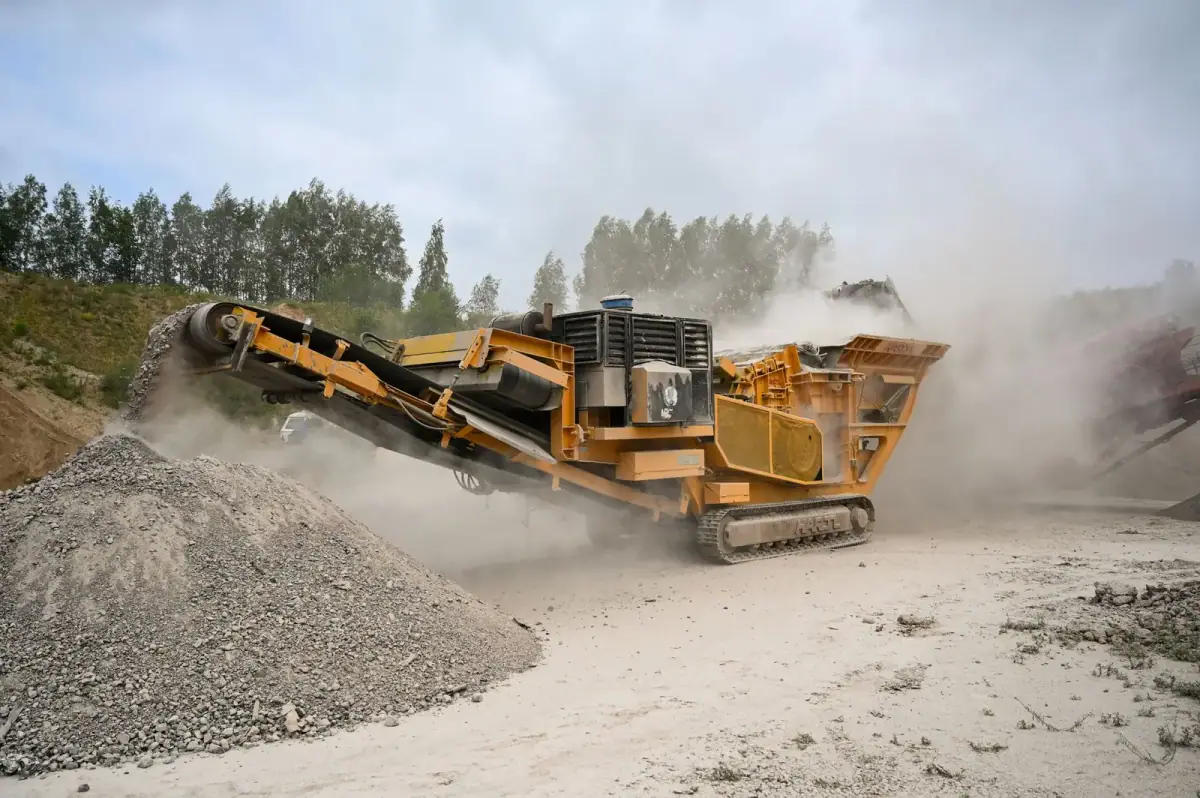
On-site crushing solves both problems. Alpha Demolish brings mobile crushers to the site, processes demolished concrete, brick and block into sized aggregate, separates the steel for recycling, and stockpiles the product for reuse on your project. The result is fewer trucks on the road, lower costs and a measurable sustainability benefit.
This page explains what our crushing service includes, when it makes sense, what recycled aggregate is used for, the permits and controls involved, what affects the cost and how to plan a job.
When does on-site crushing make sense?
Crushing pays off when there is enough concrete and a use for the product on or near the site. It fits best for:
Large volumes
Big slabs, parking lots, foundations and building demolitions that produce enough concrete to justify a crusher.
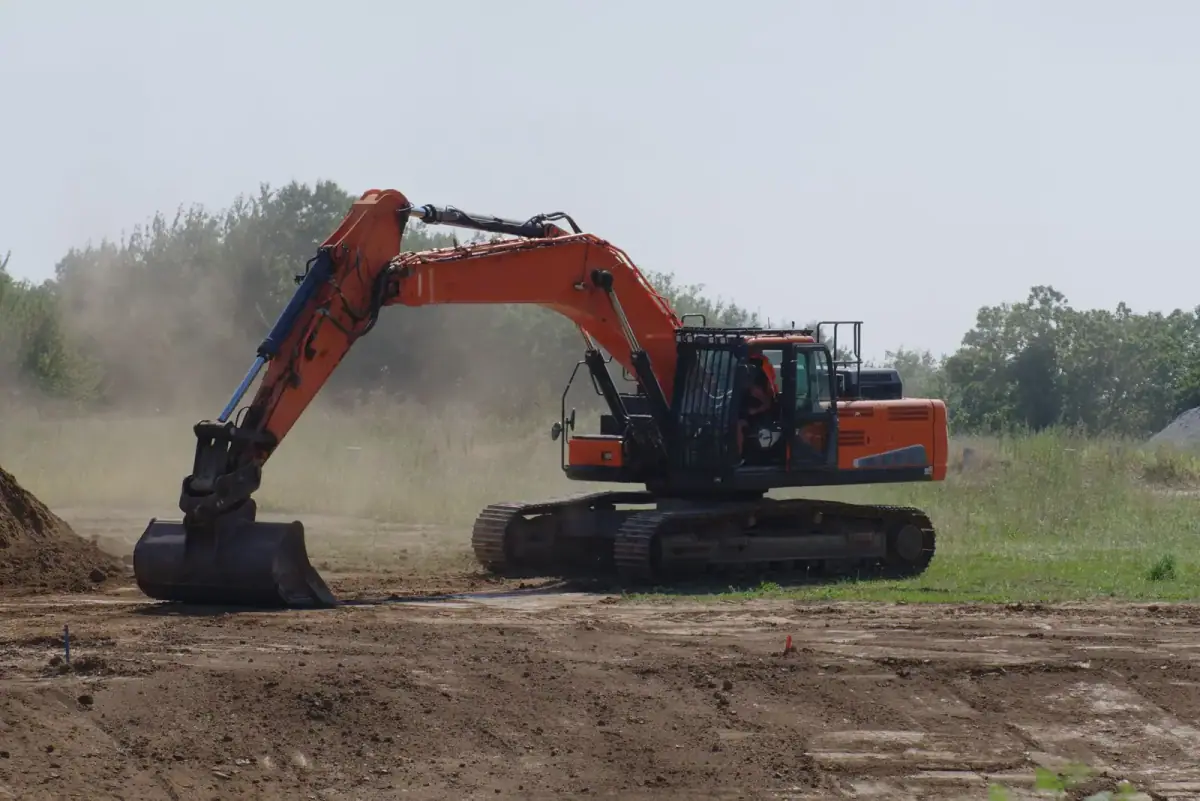
Fill and base needed on site
Projects that can reuse the crushed product directly as aggregate base, fill or pipe bedding.
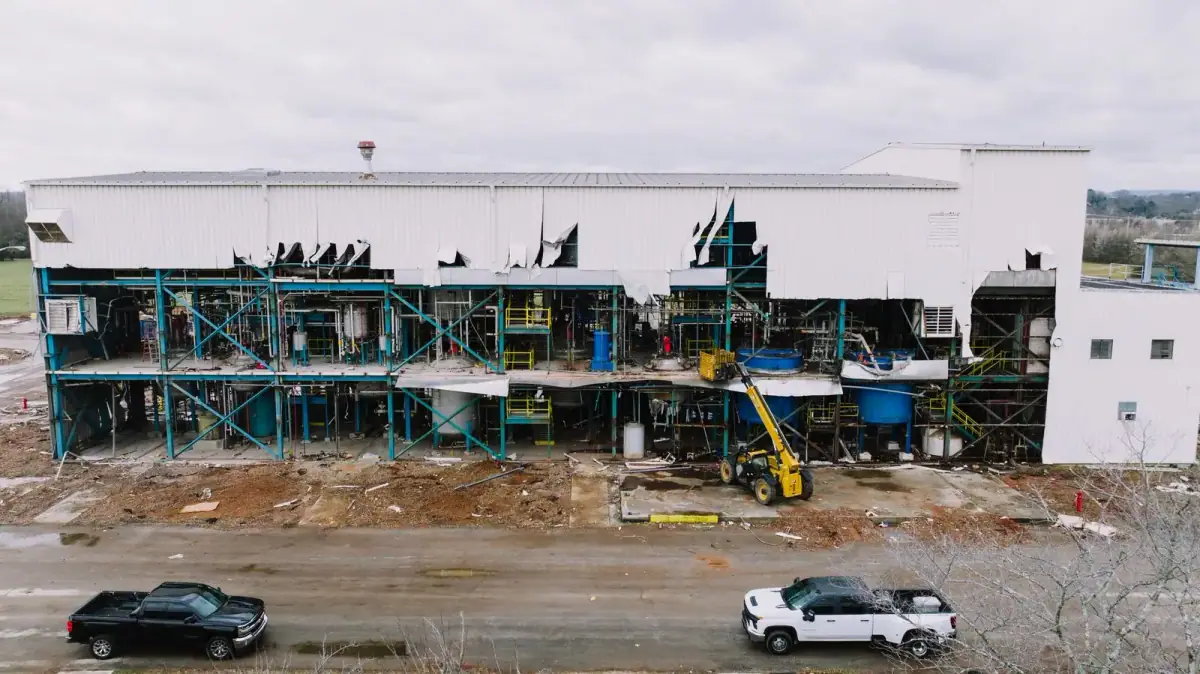
Long haul distances
Rural and remote sites far from recycling yards, where trucking savings are greatest.
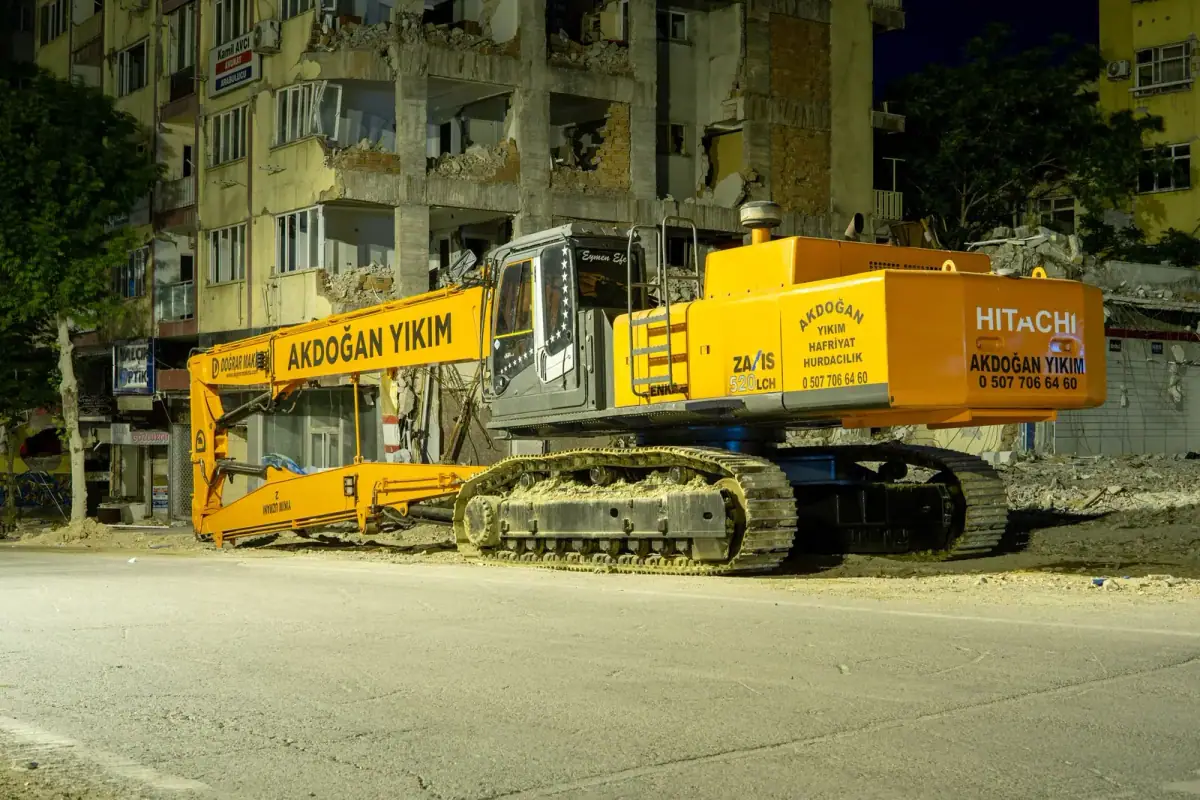
Building demolition
Tear-downs where concrete would otherwise be trucked out and stone trucked back in.
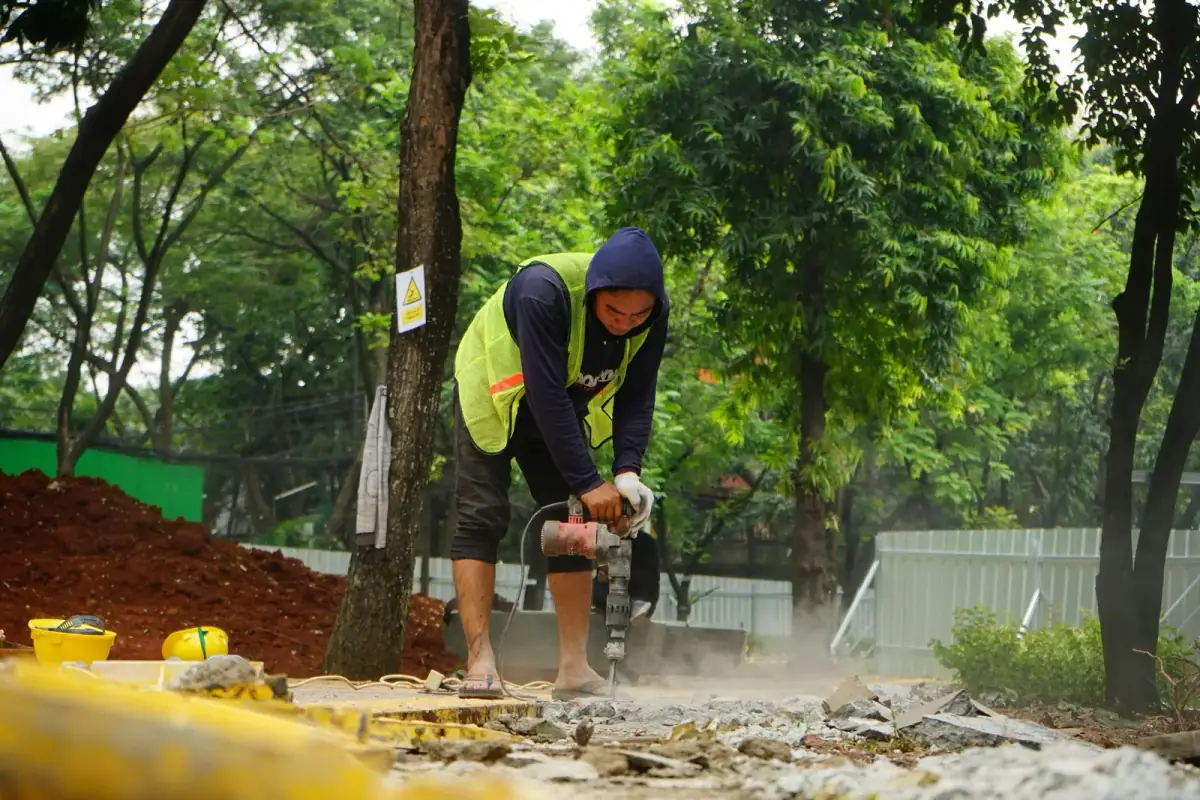
Paving and site work
Road and site-development projects that consume large amounts of base stone.
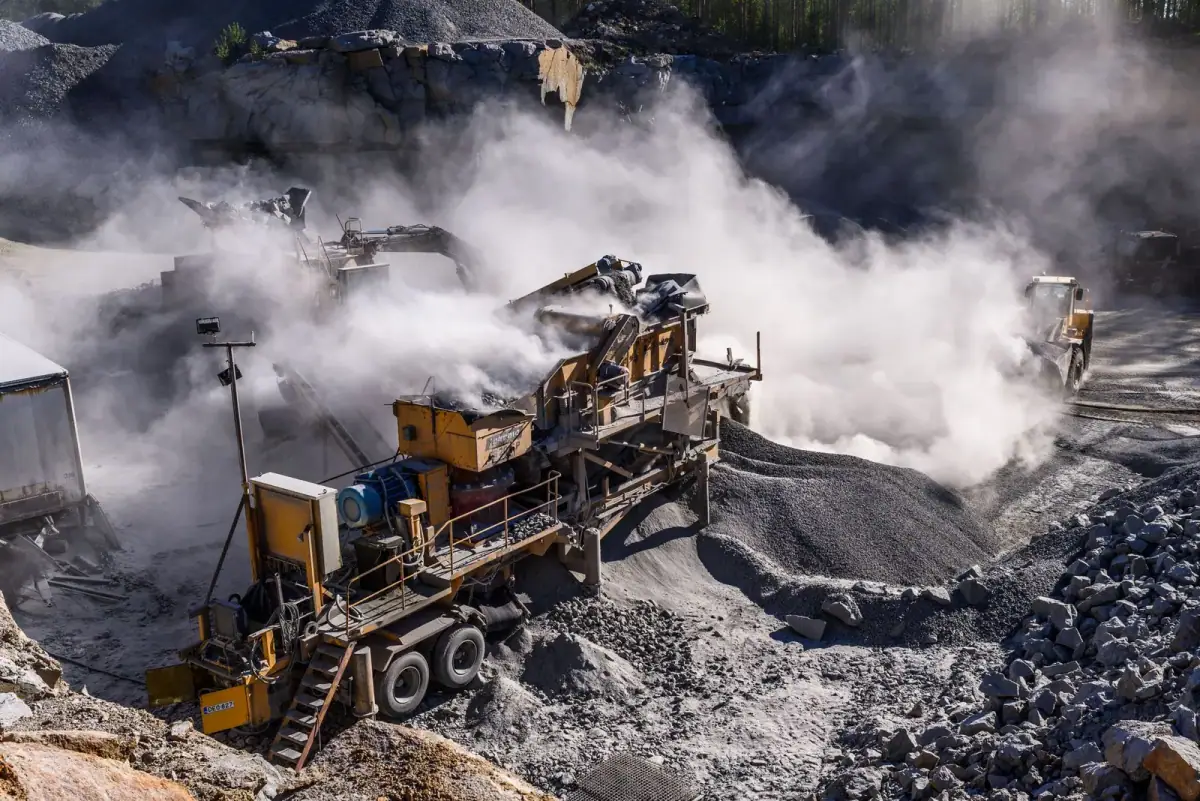
Sustainability goals
Projects maximizing diversion for LEED and ESG reporting by reusing on site.
What’s included in our crushing service
We run crushing as a controlled production process, not just a machine on site. Every Alpha Demolish crushing job in North Carolina includes:
- 01Feasibility comparison.
An honest comparison of crushing on site versus hauling to a fixed recycling yard.
- 02Permitting check.
Air quality permitting and local zoning confirmed before mobilizing.
- 03Feed preparation.
Concrete broken to the crusher’s feed size and contaminants picked out.
- 04Crushing.
Mobile jaw or impact crushers reduce concrete, brick and block to aggregate.
- 05Steel separation.
Magnets pull rebar and mesh for scrap recycling.
- 06Screening to size.
Screens separate the product into the sizes your project needs.
- 07Stockpiling and testing.
Aggregate stockpiled by size, with gradation testing on request.
- 08Dust and stormwater controls.
Water sprays and stockpile management throughout production.
How the crushing process works, step by step
Every crushing job follows the same production sequence, tuned to the product you need.
Prep
Break and size
Concrete is broken into pieces small enough for the crusher’s feed opening.
Prep
Remove contaminants
Wood, plastic, insulation and trash are picked out before crushing.
Production
Crush
Jaw or impact crushers reduce the concrete to aggregate.
Production
Separate steel
Magnets pull out rebar and mesh for scrap recycling.
Production
Screen
Screens separate the product into the sizes your project needs.
Handover
Stockpile and test
Aggregate is stockpiled by size and can be tested for gradation.
READY TO CLEAR THE SITE?
Tell us what needs to come down.
Send a few project details and our team will get back to you with the next steps.
Producing to spec and controlling the site
Producing aggregate to specification
Recycled aggregate is only useful if it is consistent, so we control the whole production stream.
- Feed quality controlled and contaminants removed
- Crusher and screen settings tuned to your gradation
- Different products kept in separate stockpiles
- Gradation (sieve) testing during production
- Produced to public-project owner specifications
- Test results provided for engineer approval
- Consistent product batch to batch
- Rebar and mesh removed for clean aggregate
Dust, noise and environmental control
Crushing is loud and dusty, so controls are planned before the crusher arrives.
- Water sprays at crusher, conveyors and stockpiles
- Crusher placed and scheduled for noise ordinances
- Stockpiles managed to keep fines out of storm drains
- Air quality permit confirmed before mobilizing
- Local zoning checked before scheduling
- Neighbor impact considered in placement
- Erosion and sediment control around piles
- General liability and workers’ comp insurance
What affects crushing cost
The real comparison is total cost: crushing on site versus hauling concrete away and trucking new stone in. On larger projects, crushing usually wins.
| Cost factor | Why it matters |
|---|---|
| Volume | Mobilization is spread over more tons on bigger jobs. |
| Reinforcement | Heavy rebar slows crushing and increases wear. |
| Product specification | Tight gradations need more screening. |
| Contamination | Mixed debris must be picked out first. |
| Site space | Room for the crusher, feed piles and stockpiles. |
| Haul distance | The further the nearest yard, the more crushing saves. |
What recycled aggregate is used for
Sized recycled aggregate replaces new stone in many applications, subject to project specifications and engineer approval:
| Product | Common uses |
|---|---|
| Crusher run / base | Road base, building pads and parking lot base, similar in use to ABC stone |
| Fill | Structural fill and backfill under engineering direction |
| Clean stone | Drainage, pipe bedding and construction entrances |
| Rip-rap sized pieces | Erosion control where specifications allow |
Crush on site, haul to a yard, or reuse as fill
We recommend the option that gives the lowest total cost for your project.
Crush on site
For large volumes, a mobile crusher turns your concrete into aggregate right where it is needed, cutting trucking both ways.
Haul to a recycling yard
For smaller volumes, hauling concrete to a fixed recycling yard is often cheaper than mobilizing a crusher.
Reuse as structural fill
Crushed product is reused on site as base, fill or pipe bedding under engineering direction, replacing new stone.
We compare crushing versus hauling for your volume and haul distance so you get the best value.
Permits and environmental controls
Crushing operations carry air, noise and stormwater requirements that we confirm before mobilizing:
- Air quality. Crushing and screening are subject to federal air standards for nonmetallic mineral processing, and portable plants may need an air quality permit from the NC Division of Air Quality.
- Dust control. Water sprays at the crusher, conveyors and stockpiles keep dust down.
- Noise. Crushers are placed and scheduled to respect local noise ordinances and neighbors.
- Stormwater. Stockpiles are managed to keep fines and sediment out of storm drains.
- Zoning. Some local zoning rules limit crushing operations; we check before scheduling.
- Off-site material. Crushing concrete brought in from another site is allowed only where zoning, permits and the site owner permit it.
Air quality permitting and local zoning are checked before the crusher is mobilized, so the operation is compliant from day one.
Planning a crushing job
A few details up front let us size the job and confirm feasibility:
GOT A LOT OF CONCRETE?
Let’s crush it on site
Tell us your concrete volume, the product you need and your haul distance and a specialist will compare crushing versus hauling and give you a price — no commitment needed.
Recycling and diversion
On-site crushing is one of the highest-diversion things you can do on a project, keeping heavy material out of the landfill entirely:
- Recycled aggregate. Concrete, brick and block become base, fill and drainage stone reused on site.
- Steel. Rebar and mesh separated by magnet and recycled as scrap for a credit.
- Reduced trucking. Fewer loads out and fewer loads of new stone in cut emissions and cost.
- Diversion reporting. Tonnage crushed and reused is documented for LEED and ESG reporting.
We provide gradation test results and diversion tonnage on request for your engineer and sustainability reporting.