Shed removal across North Carolina
Almost every backyard in North Carolina has one: an old shed with a sagging roof, a rotted floor, a door that no longer closes and years of forgotten belongings inside. Humidity, termites and summer storms are hard on sheds, and many were never built to last.
Alpha Demolish removes sheds of every size and type across North Carolina. We clear out the contents, take the shed apart, remove the floor and foundation, and haul everything away. Most sheds are gone in a few hours, leaving a clean spot ready for a new shed, a garden, a patio or grass.
This page explains what our shed removal service includes, the hazards we handle, when a permit is needed, what affects the cost and how to prepare.
When is it time for your shed to go?
Homeowners across North Carolina call us to remove a shed once it stops earning its space in the yard. The usual signs are:
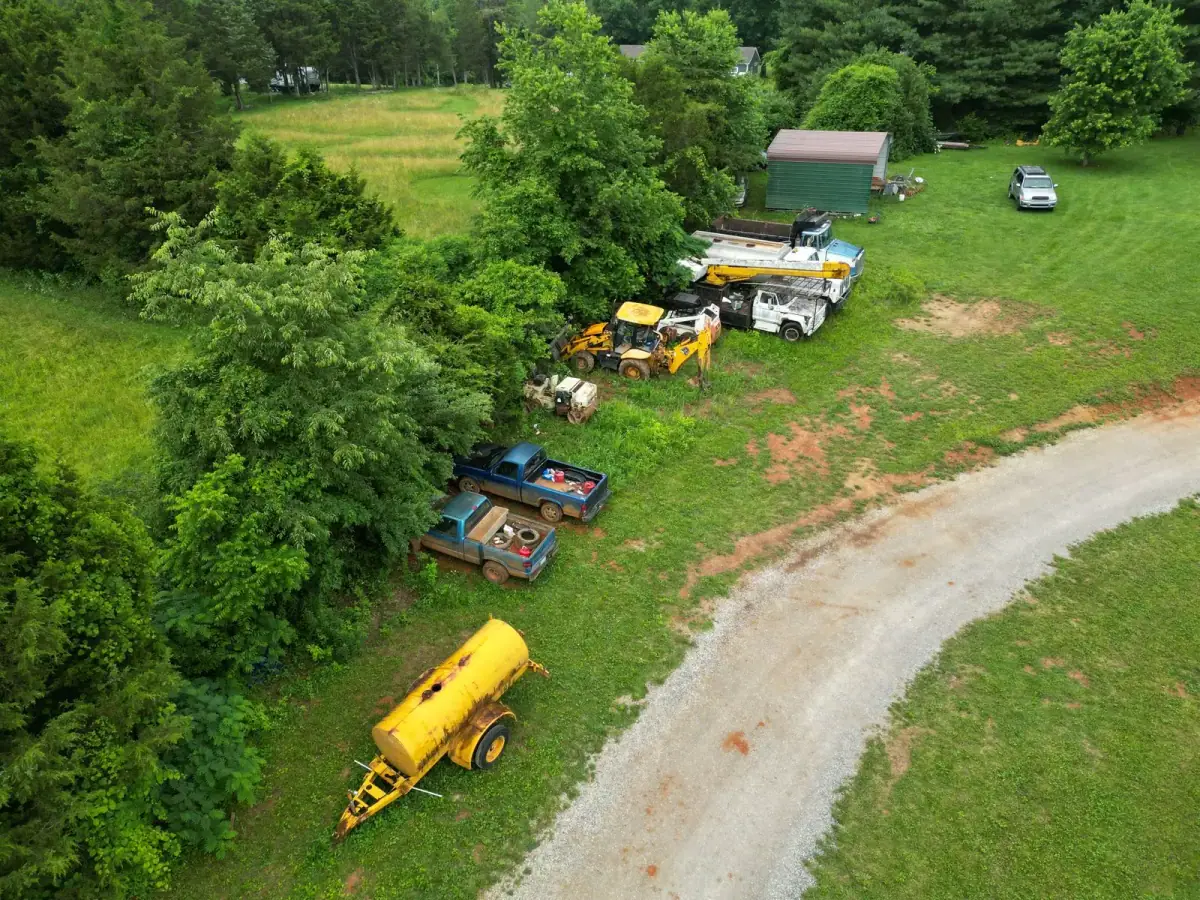
Rotted or sagging floor
A soft, rotted or sagging floor is the most common sign a wood shed has reached the end of its life in our humid climate.
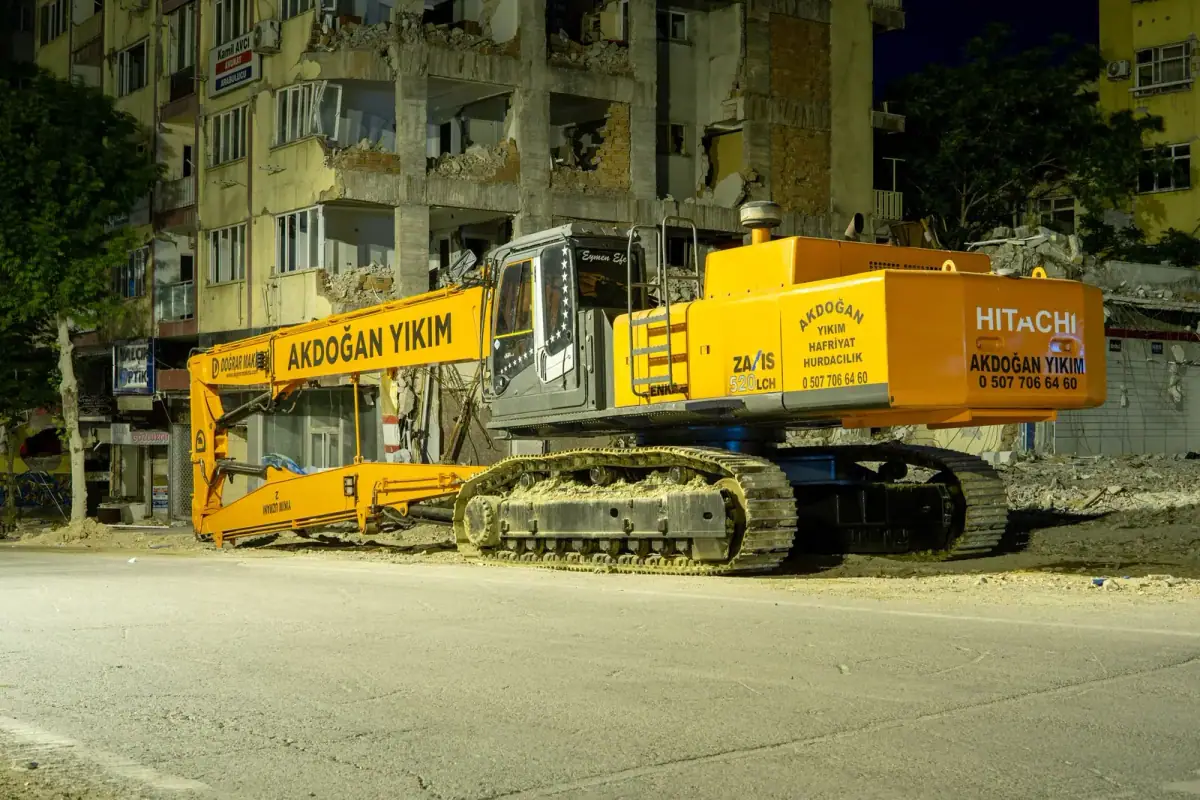
Roof and structure failing
Roof leaks, sagging framing, missing shingles, or a shed that is leaning or shifted off its base.

Termite or pest damage
Termite tubes on the framing, or wasps, rodents and snakes that have moved in and made the shed unusable.
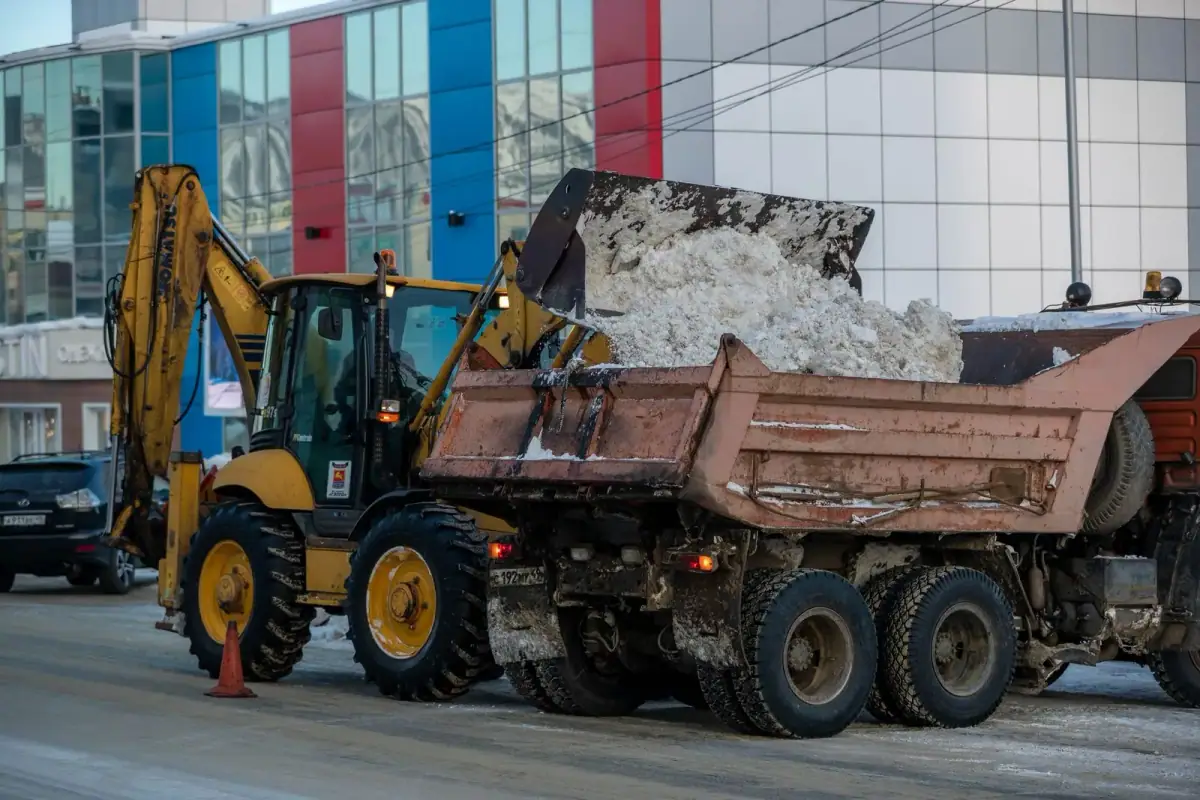
Rusted metal panels
Rust holes, dents and bent panels on a metal shed that is no longer weather-tight.
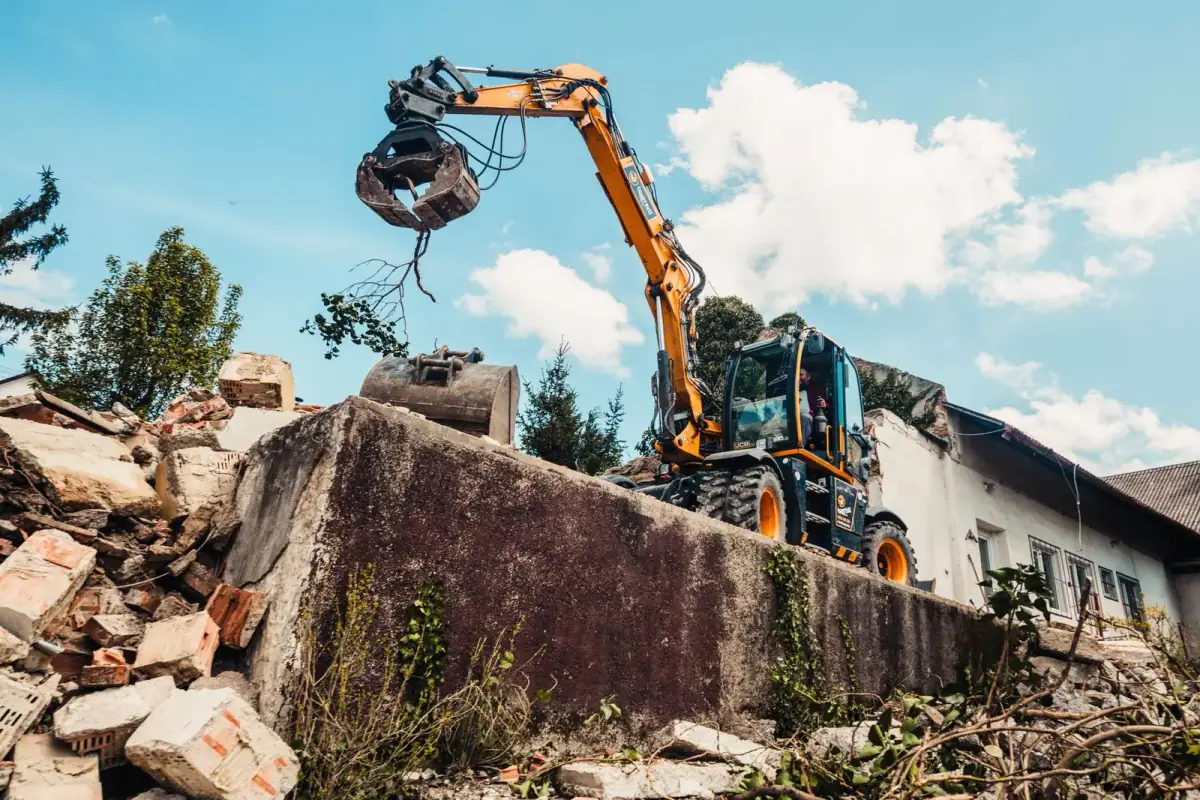
Replacing the shed
Removing the old structure is the first step to installing a new shed, workshop or garden building.
Reclaiming the space
You need the footprint for a garden, patio, pool, play area or simply more lawn.
What’s included in our shed removal service
A complete shed removal covers everything from the contents to the base. Every Alpha Demolish shed removal in North Carolina includes:
- 01Free quote, often from photos.
Send a few photos and your address and we can usually price the job the same day.
- 02Contents clear-out and sorting.
We empty the shed, separate hazardous items and set aside anything you want to keep.
- 03Electrical disconnect.
Power to a wired shed is disconnected by a licensed electrician where needed.
- 04Dismantling.
Roof, walls, doors and floor are taken apart and loaded.
- 05Base and pad removal.
The concrete pad, gravel base, blocks or treated skids are removed, or left for a new shed on request.
- 06Recycling.
Metal and clean wood are separated for recycling.
- 07Magnetic sweep.
We run a magnet over the area to collect nails and screws.
- 08Leveling and clean-up.
The spot is raked level and left tidy, ready for its next use.
Our shed removal process, step by step
Shed removal is fast and low-disruption. Every job follows the same simple sequence:
Day 1
Quote
Send a few photos and your address, and we give you a price, often the same day.
Week 1
Schedule
Most shed removals are booked within a week.
Removal day
Clear out
Contents are sorted, hazardous items are separated, and anything you want to keep is set aside.
Removal day
Take down
The roof, walls and floor are dismantled and loaded.
Removal day
Base removal
The pad, gravel, blocks or skids are removed, unless you want them left.
Handover
Clean-up and handover
We sweep for nails and leave the spot level and tidy.
READY TO CLEAR THE SITE?
Tell us what needs to come down.
Send a few project details and our team will get back to you with the next steps.
What we remove and how we keep it safe
Types of sheds we remove
From small garden sheds to workshops with power and concrete floors, we remove them all.
- Wood, stick-built and kit sheds
- Galvanized steel and aluminum sheds
- Vinyl and resin sheds
- Prefab portable buildings on skids
- Workshops and small barns with power
- Playhouses and greenhouses
- Sheds on concrete, gravel or block bases
- Storm-damaged and collapsed structures
Hazards and contents we handle
Sheds are where things go to be forgotten, and old sheds attract more than clutter. We handle each item correctly.
- Old fuel, oil, pesticides and pool chemicals
- Latex and oil-based paint and solvents
- Tires, batteries and propane cylinders
- Wasps, hornets, rodents and snakes
- Space under the floor checked before lifting
- Protective gear and careful lifting of skids
- Items you want to keep set aside first
- General liability and workers’ comp insurance
Shed removal cost in North Carolina
Shed removal is one of our most affordable services. Metal sheds may cost less because the steel can be recycled. You receive a fixed quote before we start.
| Cost factor | Why it matters |
|---|---|
| Size | Small garden sheds cost far less than large workshops. |
| Material | Metal and wood are quicker to remove than heavy masonry. |
| Contents | A full shed takes longer to clear than an empty one. |
| Concrete pad | Breaking out and hauling a pad adds time. |
| Site access | Sheds behind fences, down slopes or far from the street need more carrying. |
| Hazardous items | Fuel, chemicals and tires need separate disposal. |
| Electrical | A wired shed needs a licensed disconnect first. |
How long does shed removal take?
Most backyard sheds are removed in a single visit lasting a few hours. Larger workshops, sheds with concrete pads, or several outbuildings together take longer.
| Stage | Typical duration |
|---|---|
| Quote from photos | Often same day |
| Scheduling | Usually within a week |
| Small garden shed removal | 2–4 hours |
| Workshop or shed with concrete pad | Up to 1 day |
| Electrical disconnect (if wired) | Scheduled before removal |
| Leveling and clean-up | Same visit |
The pad, the base and what comes next
What we do with the base depends on your plans for the space. We finish the spot ready for its next use.
Level for a new shed
We remove the old base or leave and rake a gravel pad ready for delivery of a new shed. Check size and setback rules first.
Remove the concrete pad
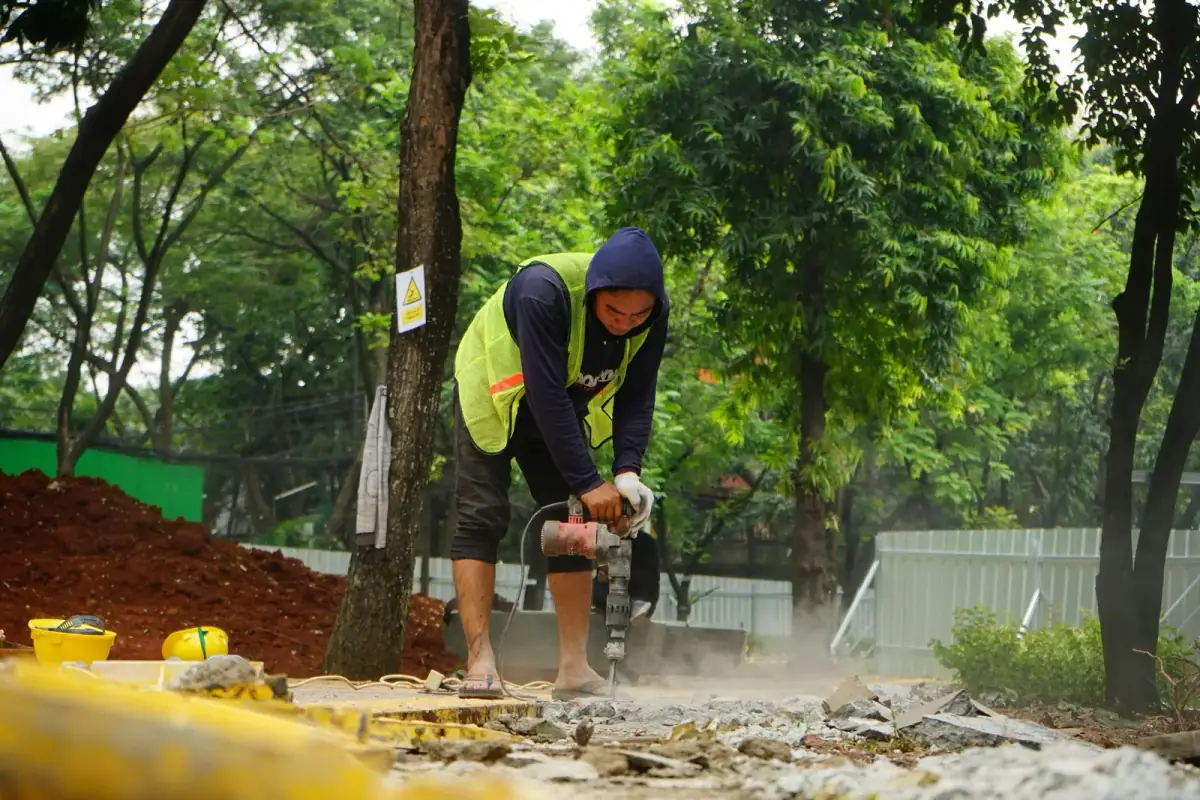
A concrete pad is broken up, loaded and recycled, and the ground is graded, or the pad is left in place if a new shed is going in the same spot.
Back to lawn or garden
We remove the base, loosen compacted red clay, and spread topsoil and seed so the spot returns to grass or planting beds.
Do you need a permit to remove a shed in North Carolina?
Removing a small backyard shed usually does not need a building or demolition permit. We confirm what applies to your property, and the exceptions are:
- Larger buildings. Bigger outbuildings and workshops may need a demolition permit, and any electrical service must be disconnected by a licensed electrician.
- Historic districts. Outbuildings in a local historic district may need approval from the historic preservation commission before removal.
- HOA rules. Your HOA may have rules about work hours, dumpsters and replacement sheds.
- Buried utilities. If a base or skids sit below grade, we request an NC 811 locate before disturbing the ground.
- Your next shed. New sheds have size, setback and permit rules. Detached accessory buildings over certain dimensions generally need a building permit, while small ones are often exempt. Check with your local inspections office before you buy.
Where a permit, electrical disconnect or utility locate is needed, we arrange it as part of the job. You approve the plan; we manage the process.
How to prepare for shed removal
A little preparation makes removal day quick. Before we arrive:
NOT SURE YET?
Let’s clear out that old shed
Send a few photos and your address and a specialist will give you a quick price, plus options for the pad and the space afterward — no commitment needed.
Debris removal and recycling
We divert as much of the shed as we can from the landfill and handle the tricky items correctly:
- Metal. Steel and aluminum panels, framing and fasteners go to scrap recyclers.
- Clean wood. Untreated framing and siding are diverted for mulch, fuel or reuse where accepted.
- Hazardous items. Fuel, chemicals, paint, tires and batteries are separated for proper disposal or county household hazardous waste programs.
- Mixed debris. Remaining materials go to permitted construction and demolition facilities.
Removing several sheds or outbuildings together is common and usually lowers the cost per structure.