Silo demolition across North Carolina
North Carolina farms have changed a great deal over the past few decades. Many dairy farms that once needed tall concrete stave silos have closed or changed operations, and older grain bins and feed bins across the state have rusted, dented or been replaced. Industrial silos at cement, feed and processing plants also reach the end of their life.
A silo is tall, heavy and often in poor condition, which makes it one of the more dangerous structures to demolish. Alpha Demolish removes silos and bins across North Carolina, choosing a method that suits the structure and the space around it, and dealing with residue, confined spaces and foundations along the way.
This page explains what our silo demolition service includes, the methods we use, the hazards we plan for, what affects the cost and how we work around active farms.
Silos and bins we remove
We remove silos and bins of every type on farms and industrial sites across North Carolina:
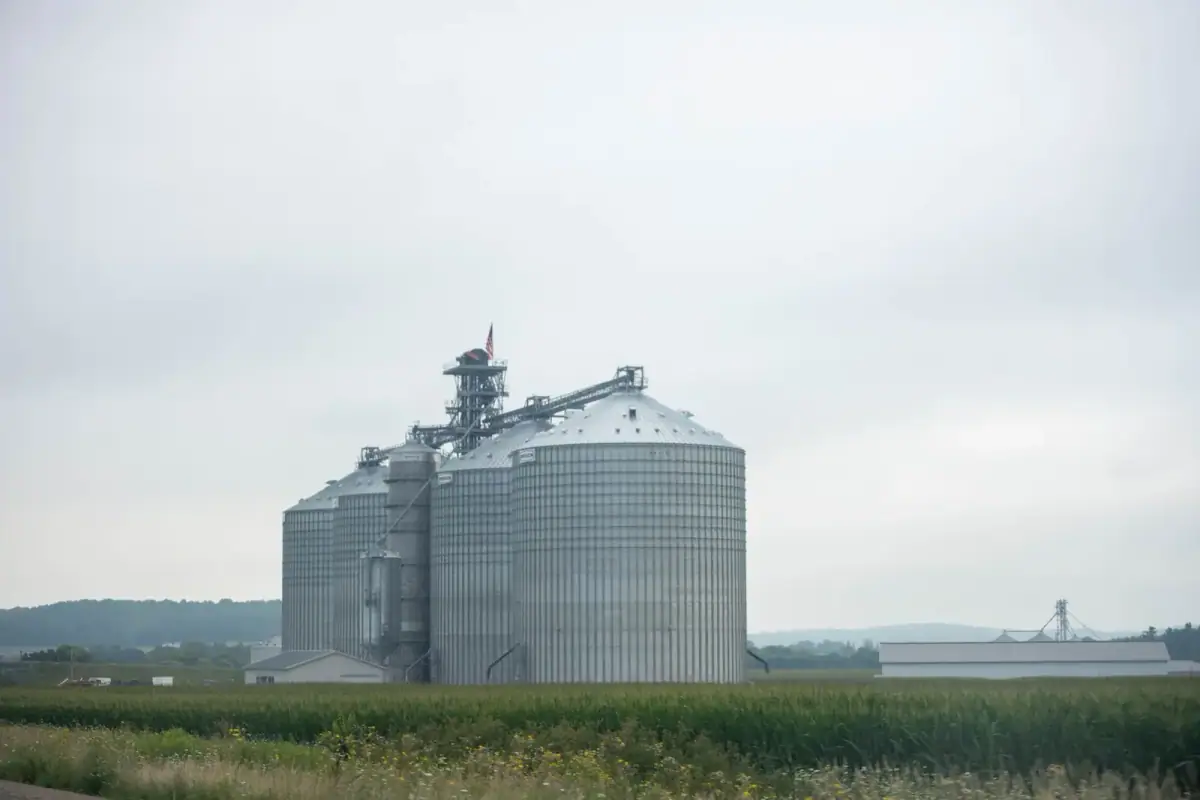
Concrete stave silos
Common on older dairy farms: interlocking concrete staves held by steel hoops, often deteriorated.
Poured concrete silos
Monolithic concrete silos, including industrial silos and grain elevators.
Steel grain bins
Corrugated steel bins used for corn, soybeans and wheat.
Feed bins
Hopper-bottom bins at poultry and hog farms.
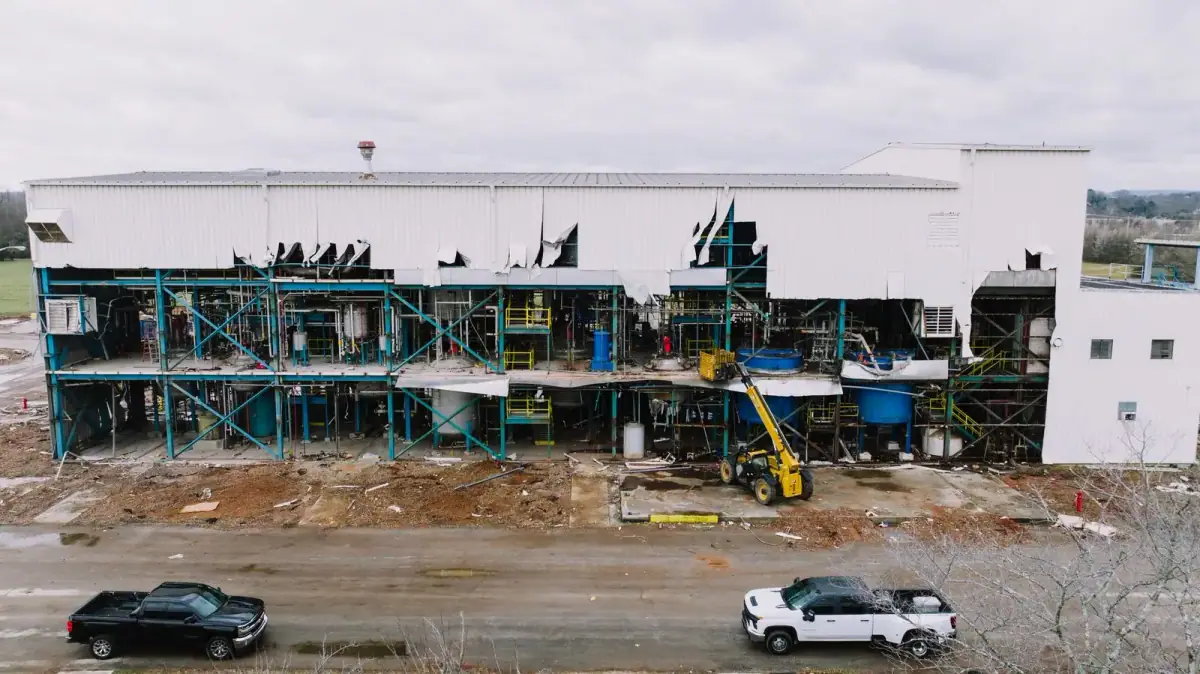
Oxygen-limiting silos
Glass-lined steel silos with specific dismantling requirements.
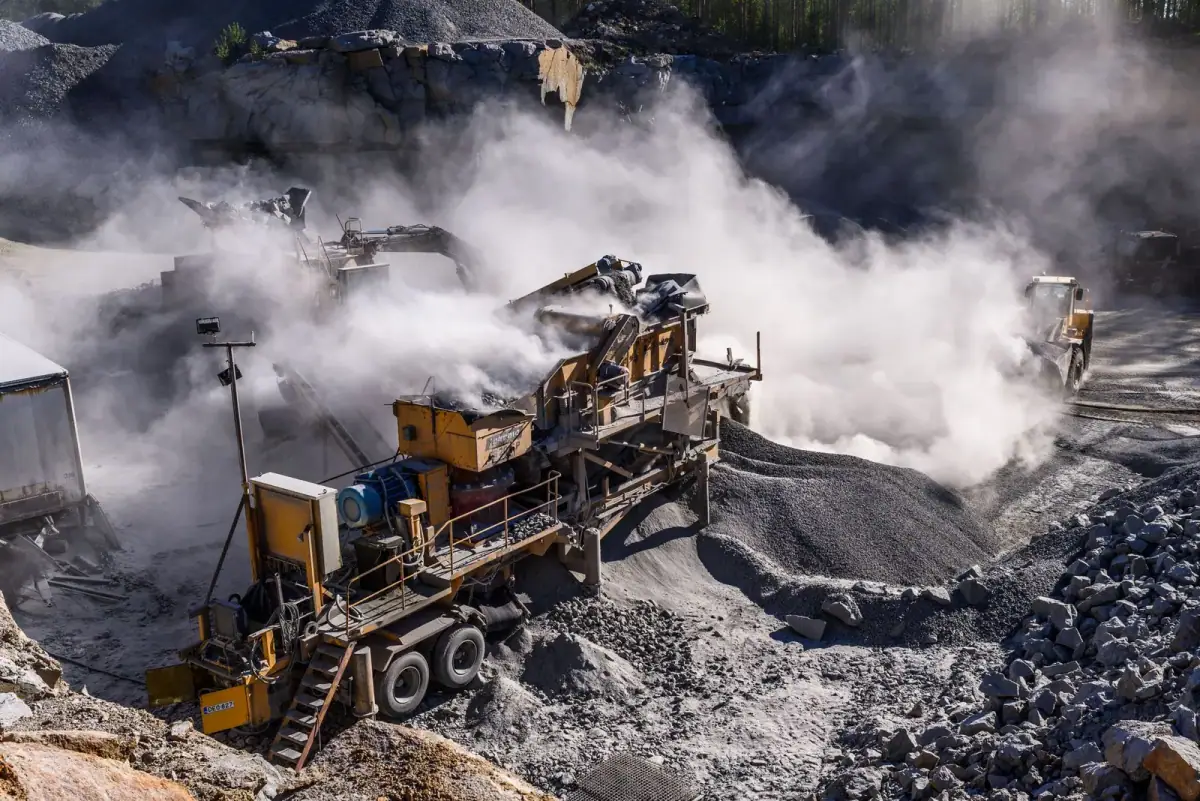
Industrial and cement silos
Steel and concrete silos at plants, often with conveyors and legs attached.
What’s included in our silo demolition service
A silo removal is a full sequence from residue to restored ground. Every Alpha Demolish silo demolition in North Carolina includes:
- 01Site assessment.
Condition, height, clearances, power lines and residue reviewed to select a method.
- 02Utility disconnection.
Power to augers, fans, dryers and lights locked out.
- 03Attachment removal.
Conveyors, legs, roofs and unloaders removed first.
- 04Residue removal.
Grain, silage and other material removed and disposed of, from outside wherever possible.
- 05Demolition.
By controlled fall, high-reach or dismantling to suit the site.
- 06Steel recycling.
Bins, hoops and metal separated and recycled for scrap value.
- 07Concrete handling.
Concrete crushed on site or hauled to recyclers.
- 08Foundation and site restoration.
Foundations, pits and tunnels removed or filled, and the ground graded and seeded.
Our silo demolition process, step by step
Every silo removal follows the same sequence, with the method chosen for the structure and the space around it.
Day 1
Inspect
Condition, height, clearances, power lines and residue.
Pre-demo
Plan
Method, fall zone or reach plan, and safety measures.
Pre-demo
Prepare
Utilities off, attachments removed, residue cleared.
Demo day
Demolish
Silo brought down by controlled fall, high-reach or dismantling.
Ongoing
Process
Steel recycled, concrete crushed or hauled.
Handover
Restore
Foundations removed and the ground graded and seeded.
READY TO CLEAR THE SITE?
Tell us what needs to come down.
Send a few project details and our team will get back to you with the next steps.
Silo hazards and working on active farms
Silo hazards we plan for
A tall, deteriorated silo with residue inside is one of the more dangerous structures to demolish, so hazards are controlled first.
- Residual grain and silage engulfment risk
- Silo gas from fermenting silage
- Permit-required confined spaces with atmosphere testing
- Combustible grain dust controlled during cutting
- Corroded hoops and cracked staves that can fail
- Collapse zone kept clear of people at all times
- Material removed from outside wherever possible
- Rescue plans for any required entry
Working on active farms
Most silos stand on working farms, so demolition is planned around the operation.
- Livestock kept well away from the work and fall zone
- Work scheduled around harvest, milking and feeding
- Fields, drainage and farm roads protected
- Biosecurity protocols on poultry and hog farms
- Equipment cleaned to farm requirements
- Power to augers, fans and dryers locked out
- Access controlled during demolition
- General liability and workers’ comp insurance
What affects silo demolition cost
Silo demolition is priced by size, construction and the space around it, offset by steel scrap value. The main factors are:
| Cost factor | Why it matters |
|---|---|
| Height and diameter | Taller and wider silos need larger equipment. |
| Construction | Poured concrete takes more effort than steel or stave silos. |
| Space around it | Tight sites rule out a controlled fall. |
| Residue | Material left inside adds removal and disposal. |
| Foundations and pits | Unloading tunnels and pits add scope. |
| Scrap value | Steel bins can offset part of the cost. |
How long silo demolition takes
Most single silos come down in a day or two once residue is cleared and utilities are off; multiple silos or industrial structures take longer. A typical project runs like this:
| Stage | Typical duration |
|---|---|
| Inspection and method selection | A few days |
| Utility lockout and attachment removal | 1–2 days |
| Residue removal | Days, by volume |
| Demolition (fall / high-reach / dismantle) | 1–2 days per silo |
| Steel and concrete processing | Ongoing |
| Foundation removal and grading | 1–2 days |
How silos are demolished
The method depends on how much clear space there is around the silo. The fall zone for a controlled fall must be longer than the silo is tall and clear of buildings, power lines, livestock and people.
Controlled fall
Where there is enough clear space, the base is notched so the silo falls in a planned direction — often the safest, fastest method for tall concrete silos in open fields.
High-reach demolition
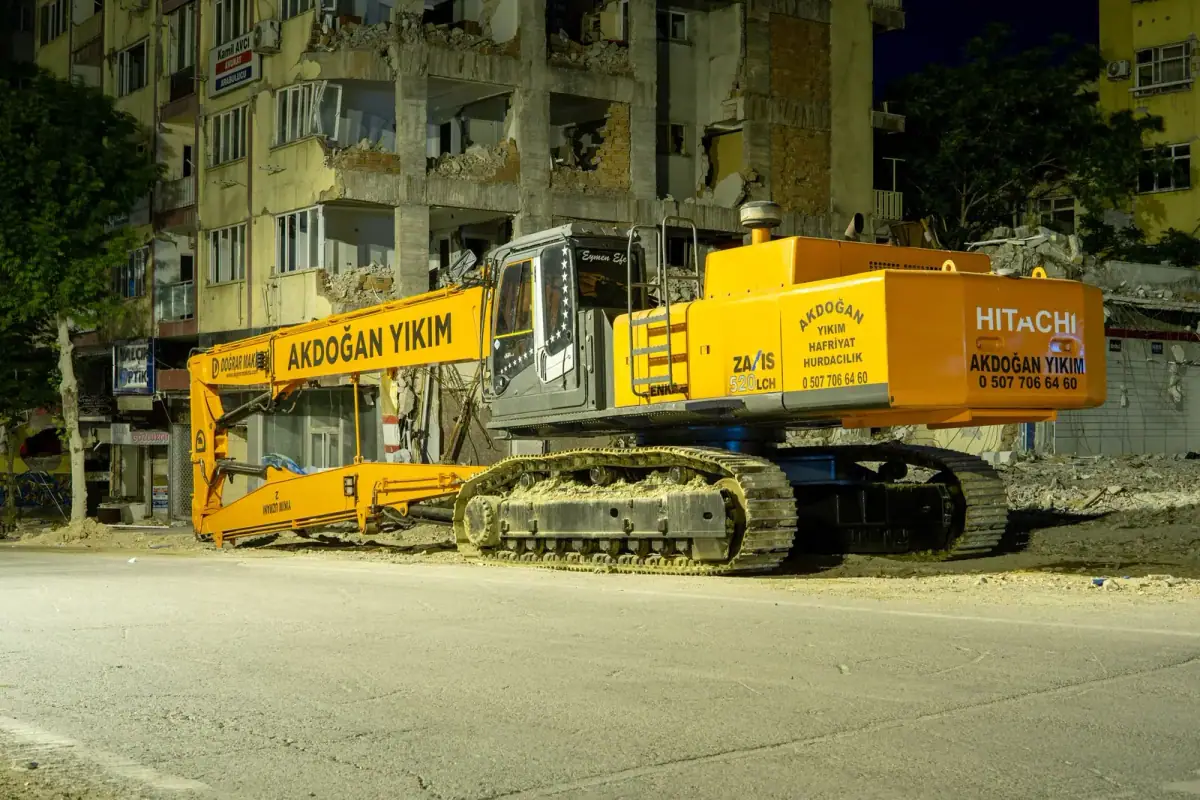
Long-reach excavators take the silo down from the top when there is not enough space for a controlled fall or buildings are nearby.
Dismantling
Steel bins are unbolted or cut into panels and lowered, allowing the steel to be recycled.
Where a controlled fall is not possible, we use high-reach or dismantling methods to protect nearby buildings, power lines and livestock.
Safety rules and site requirements
Silo demolition is governed by confined-space, dust and lockout rules on top of the usual demolition requirements. We manage them all:
- Confined spaces. Silos and bins are permit-required confined spaces; any entry follows atmosphere testing and rescue procedures.
- Silo gas. Fermenting silage can produce dangerous gases, so atmosphere is monitored in and around silos.
- Combustible dust. Grain dust can be combustible, so dust and ignition sources are controlled when cutting steel bins.
- Energy lockout. Power to augers, fans, dryers and unloaders is locked out before work begins.
- Biosecurity. On poultry and hog farms we follow the farm’s biosecurity protocols, including cleaned equipment and controlled access.
- Residue and disposal. Grain, silage and other residue are removed and disposed of at appropriate facilities.
We do not enter a silo or bin with residual grain without proper confined-space procedures, and remove material from outside wherever possible — engulfment and silo gas are the biggest killers in this work.
What we need to plan the job
A few details let us choose a method and price the work. Helpful items include:
GOT A SILO TO REMOVE?
Let’s take down that silo safely
Send photos, the silo type and the space around it and a specialist will recommend a method — controlled fall, high-reach or dismantling — and a price. No commitment needed.
Recycling and disposal
Silos are mostly steel and concrete, both recyclable, and the scrap value helps offset the cost:
- Steel bins and hoops. Corrugated steel, hoops, legs and conveyors are recycled as scrap.
- Concrete. Stave and poured concrete are crushed on site or hauled to recyclers.
- Residue. Grain and silage are removed and disposed of or spread as appropriate.
- Foundations. Concrete foundations, pits and tunnels are broken out and recycled where clean.
We credit steel scrap value against the project cost and grade and seed the site when the work is done.