Debris clean-up across North Carolina
The last few percent of a demolition or construction project often cause the most trouble: scattered brick and concrete, broken glass, nails in the soil, and piles of mixed debris that delay the next contractor, fail an inspection or create a liability. After a storm, the problem is bigger and more urgent.
Alpha Demolish provides debris clean-up across North Carolina for property owners, builders, property managers, insurers and municipalities. We load and haul debris of any kind, sort it for recycling, sweep the ground for nails and metal, and leave the site clean enough for the next crew, an inspector or a buyer.
This page explains what our debris clean-up service includes, how storm and construction clean-up work, where the debris goes, what affects the cost and how to prepare.
Debris we clear
We clear debris of every kind from sites across North Carolina:

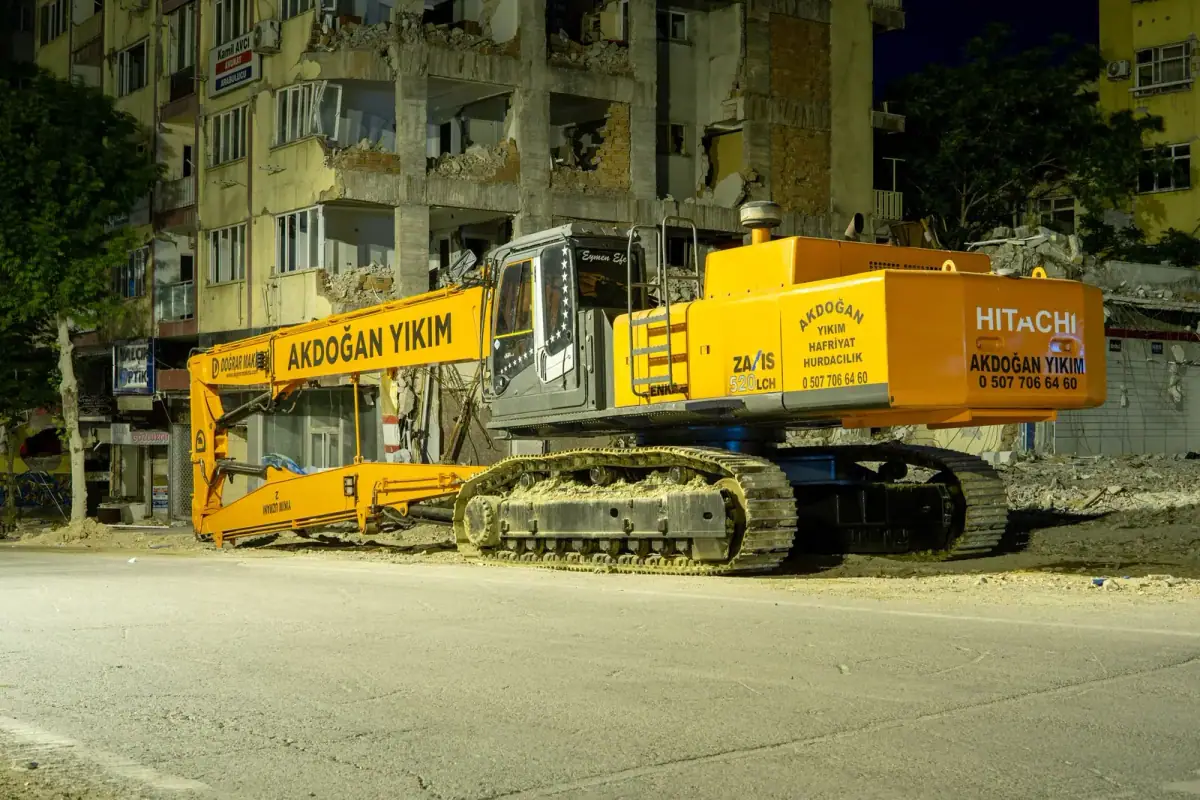
Post-demolition rubble
Brick, block, concrete, wood and mixed debris left after structures come down.
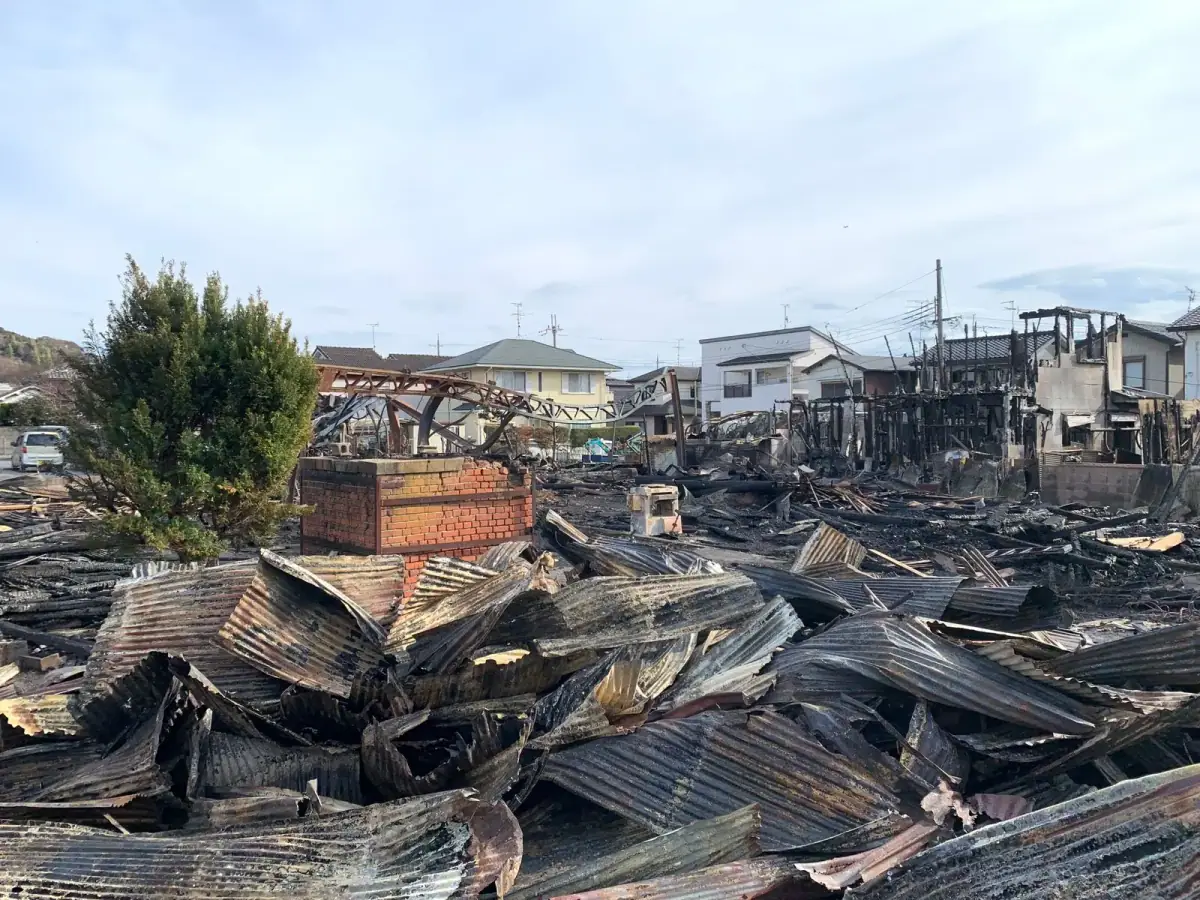
Construction waste
Leftover lumber, drywall, packaging, roofing and scrap from new builds and renovations.
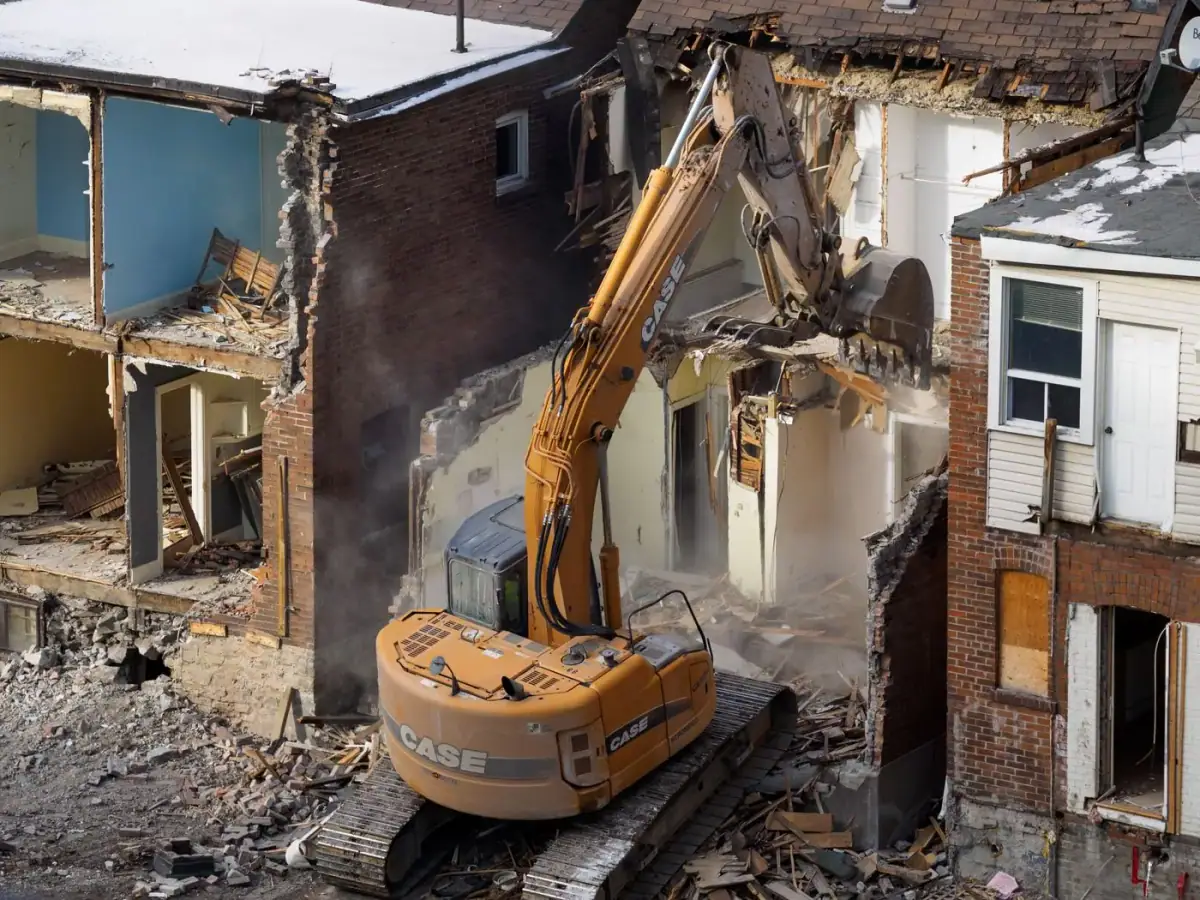
Storm debris
Damaged building materials, fallen trees and flood-ruined contents after hurricanes and severe storms.
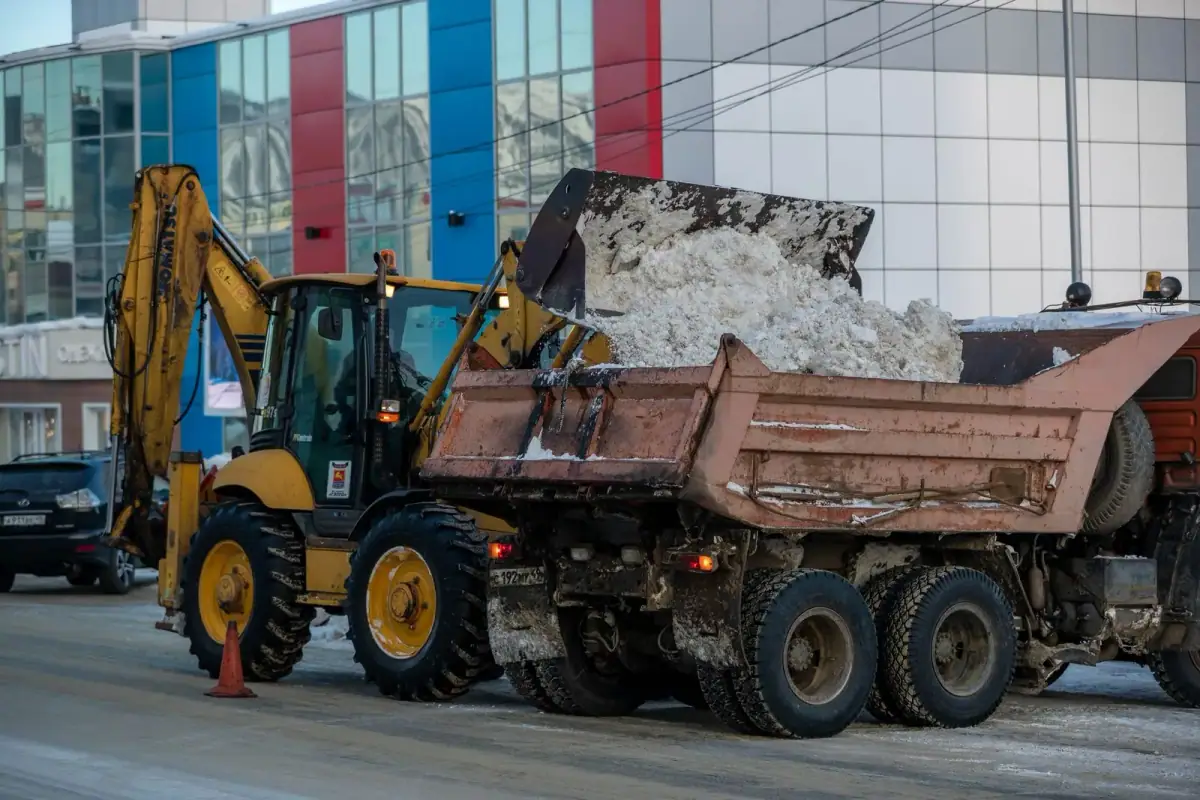
Fire debris
Burned materials, ash and structural remains after a fire, handled with protective equipment.
Illegal dumping
Debris dumped on vacant lots and commercial property, removed and disposed of properly.
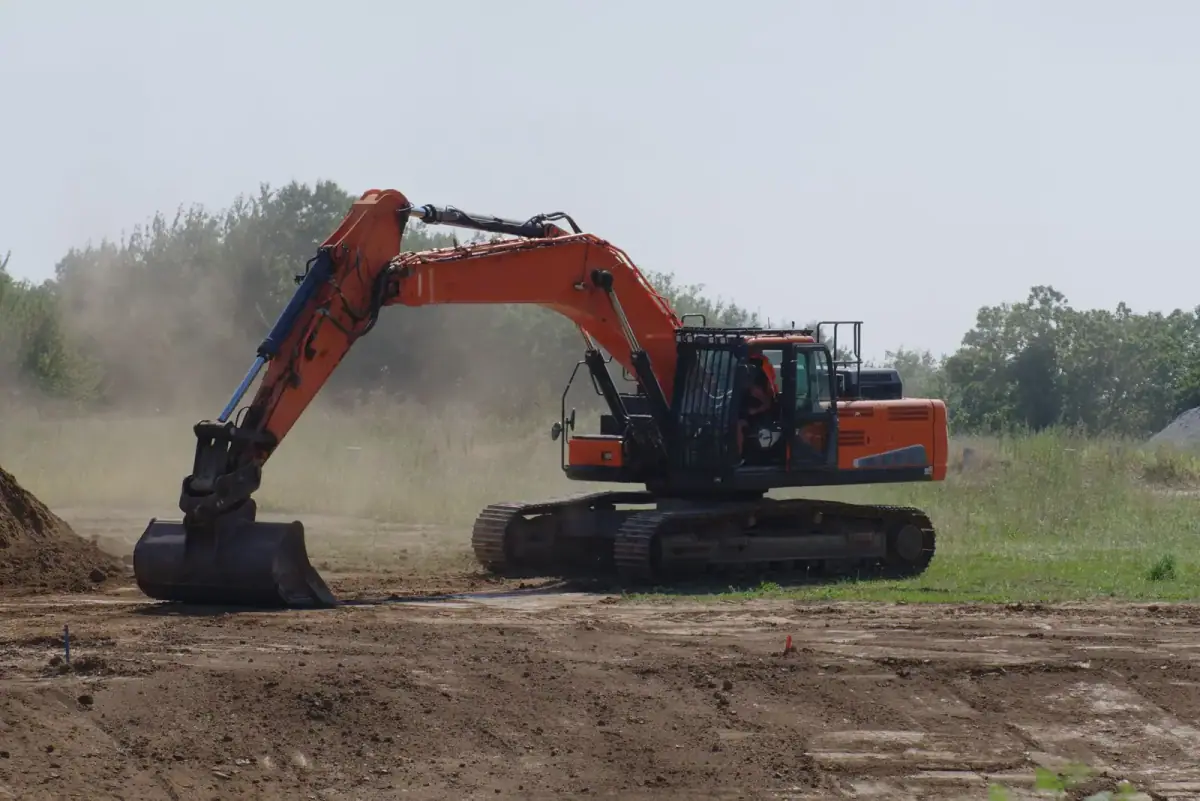
Site final cleans
A final clean before handover, inspection or closing.
What’s included in our debris clean-up service
A proper clean-up goes down to the last nail. Every Alpha Demolish debris clean-up in North Carolina includes:
- 01Site walk and fixed quote.
We review the debris type, volume and access, often from photos, and quote by load or by job.
- 02Loading by hand and machine.
Debris is picked up by hand and with equipment to suit the site.
- 03Sorting for recycling.
Concrete, metal, wood and recyclables are separated from mixed waste.
- 04Hauling to the right facility.
Recyclers and permitted disposal facilities, matched to the debris.
- 05Magnetic sweeps.
Nails, screws and metal fragments are pulled from the ground with magnets.
- 06Surface clean-up.
Raking or skid-steer clean-up of soil surfaces.
- 07Broom clean or wash-down.
Slabs and paved areas are swept or washed down.
- 08Documentation.
A before-and-after photo report and disposal tickets.
Our debris clean-up process, step by step
Every clean-up follows the same simple sequence, from a quick quote to a documented, swept site.
Day 1
Assess
We review the debris type, volume and access, often from photos.
Day 1
Quote
A fixed price by load or by job.
Clean-up day
Clear
Debris is sorted, loaded and hauled to the right facility.
Clean-up day
Sweep
Magnetic and surface sweeps catch the small hazards.
Handover
Document
You receive before-and-after photos and disposal tickets.
READY TO CLEAR THE SITE?
Tell us what needs to come down.
Send a few project details and our team will get back to you with the next steps.
Storm response and builder clean-up
Storm and disaster debris
After hurricanes, floods and tornadoes, we clear private property that curbside collection does not cover, and document it for insurance.
- Vegetative debris — trees, limbs and brush
- Construction and demolition debris
- Appliances handled for refrigerant recovery
- Electronics and household hazardous waste kept separate
- Debris separated to county categories
- Hauled to disposal or staged at the curb
- Photos and invoices for insurance claims
- Safety hazards and blocked access first
Construction site clean-up for builders
Builders use us for recurring clean-up so crews build instead of haul, and to keep mud and debris off public streets as ordinances require.
- Rough clean between trades
- Final clean before inspection or closing
- Dumpster management and swaps
- Mud and debris removed from streets and sidewalks
- Punch-list debris removal
- Weekly or phase-based schedules
- Erosion-control compliance support
- General liability and workers’ comp insurance
What affects debris clean-up cost
Debris clean-up is priced by volume, weight and how the debris is handled. Sorting recyclables keeps disposal costs down. You get a fixed price up front.
| Cost factor | Why it matters |
|---|---|
| Volume and weight | Concrete and brick are heavy; mixed debris is bulky. |
| Debris type | Sorted, recyclable debris costs less to dispose of than mixed waste. |
| Special items | Appliances, tires and hazardous materials need separate handling. |
| Site access | Hand-carrying from backyards or steep lots takes longer. |
| Urgency | Emergency and after-hours storm response may cost more. |
| Surface finish | Magnetic sweep and wash-down add a final step. |
How fast can we respond?
Routine clean-ups are scheduled quickly, and after a storm we prioritize safety hazards and blocked access first, then schedule full clean-ups as crews are available.
| Situation | Typical response |
|---|---|
| Quote from photos | Often same day |
| Routine site clean-up | Within days |
| Final clean before inspection | Scheduled to your date |
| Storm safety hazards | Prioritized first |
| Full storm clean-up | As crews become available |
| Recurring builder clean-up | Weekly or by phase |
Where the debris goes
North Carolina has several types of permitted facilities, and sorting debris correctly keeps disposal costs down.
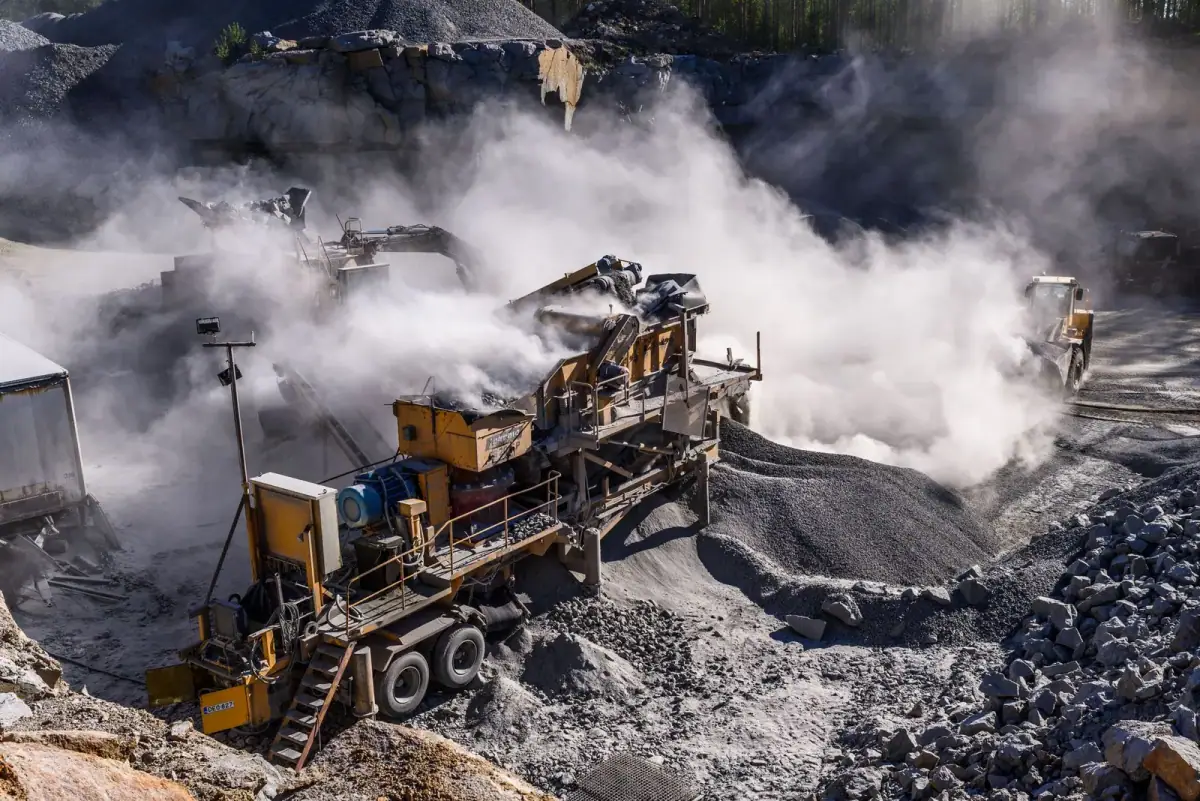
Recyclers
Clean concrete, brick, asphalt and metal are recycled into aggregate and scrap.
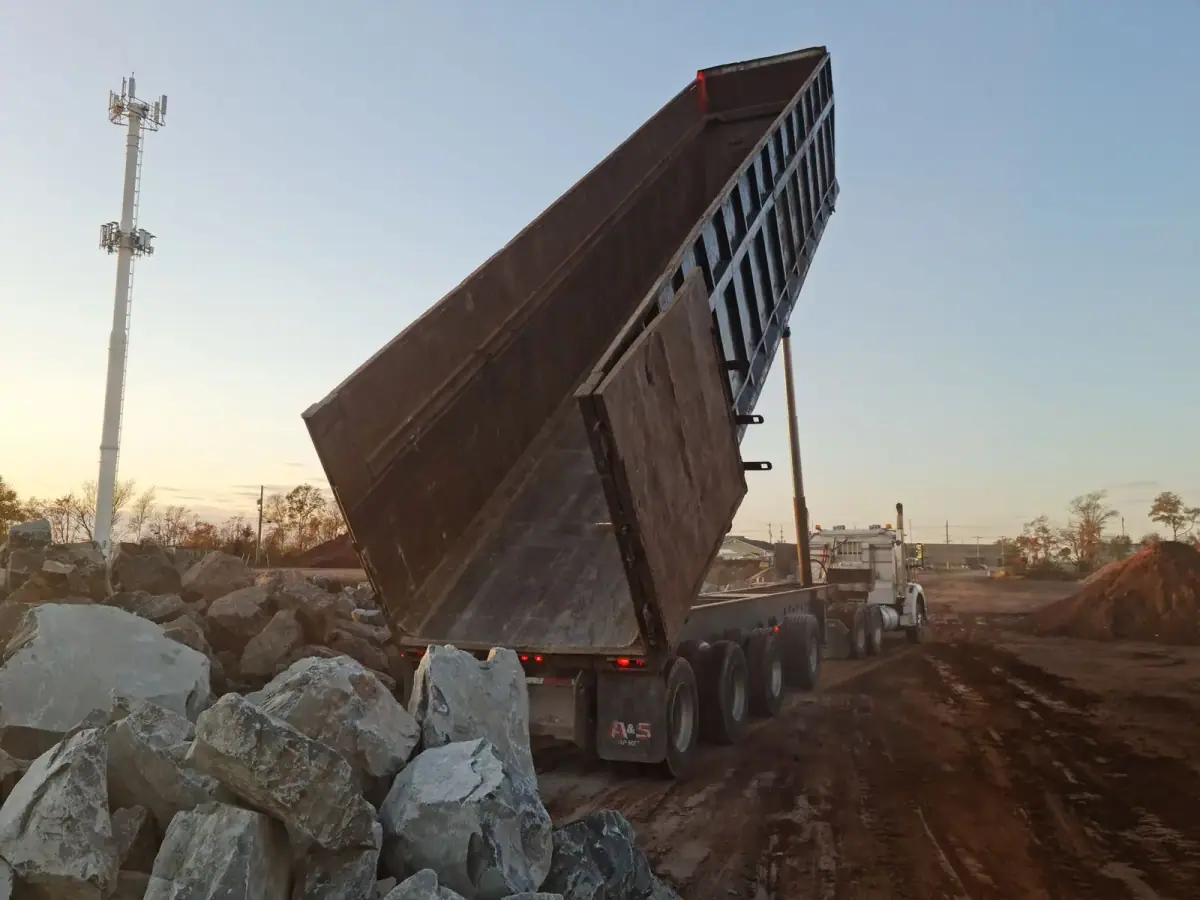
LCID and C&D landfills
Land-clearing and inert debris facilities take stumps, brush and inert material; construction and demolition landfills take mixed building debris.
Special handling
Asbestos, tires, appliances, electronics and hazardous materials go to facilities licensed to accept them.
Storm debris rules and landfill bans
Debris clean-up in North Carolina follows landfill bans and, after major storms, county separation rules. We handle both:
- Curbside vs. private property. After a major storm, counties and cities often run curbside collection on public roads with strict separation rules. That collection generally does not cover private property, commercial sites or anything beyond the curb.
- County separation categories. We separate storm debris into the categories your county requires — vegetative, C&D, appliances, and electronics or household hazardous waste.
- Landfill bans. North Carolina bans tires, lead-acid batteries, used oil, major appliances and many electronics from landfills; these go to recyclers instead.
- Appliances and refrigerants. White goods are handled separately so refrigerants are recovered before recycling.
- Hazardous materials. Asbestos, fuel, paint and chemicals are kept separate and taken to licensed facilities.
- Insurance documentation. We document the work with photos, itemized invoices and disposal tickets for claims and recovery programs.
Sorting debris into the right streams keeps recyclables out of the landfill and disposal costs down, and it keeps banned items out of facilities that cannot accept them.
Before we arrive
A little preparation makes the clean-up faster and safer:
NEED A CLEAN SITE?
Let’s clear your site
Send a few photos of the debris and a specialist will give you a fixed price and a schedule — routine or emergency storm response — no commitment needed.
Sorting for recycling
We sort debris on site so as much as possible is recycled rather than landfilled:
- Concrete, brick and asphalt. Clean, inert material is crushed and recycled into aggregate and base.
- Metal. Steel, copper and other metals are separated for scrap recyclers.
- Clean wood and vegetation. Diverted for mulch, fuel or composting where facilities accept it.
- Appliances and electronics. Recycled separately, as North Carolina bans them from landfills.
The remaining mixed debris goes to permitted C&D facilities, and we keep disposal tickets for your records.