Driveway removal services in North Carolina
A driveway takes more punishment than any other surface around your home. In North Carolina, heavy summer storms, clay soils that swell and shrink with moisture, roots from oaks and pines, and freeze-thaw cycles in the mountains all take their toll. Over time, driveways crack, settle, heave and break apart until patching no longer works.
Alpha Demolish removes residential driveways of every type across North Carolina. We saw-cut clean edges where your driveway meets the garage, sidewalk and street, break out and load the old surface, remove failed base material when needed, and recycle as much as possible. You are left with a properly graded subgrade, ready for a new concrete or asphalt driveway, pavers, gravel or lawn.
This page explains what our driveway removal service includes, the permits and right-of-way rules that apply in North Carolina, how the process works, what affects the cost and how to prepare your property.
When do you need driveway removal?
Resurfacing only works when the base underneath is sound. When the surface or base has failed, full removal is the long-term fix. The most common reasons homeowners call us are:
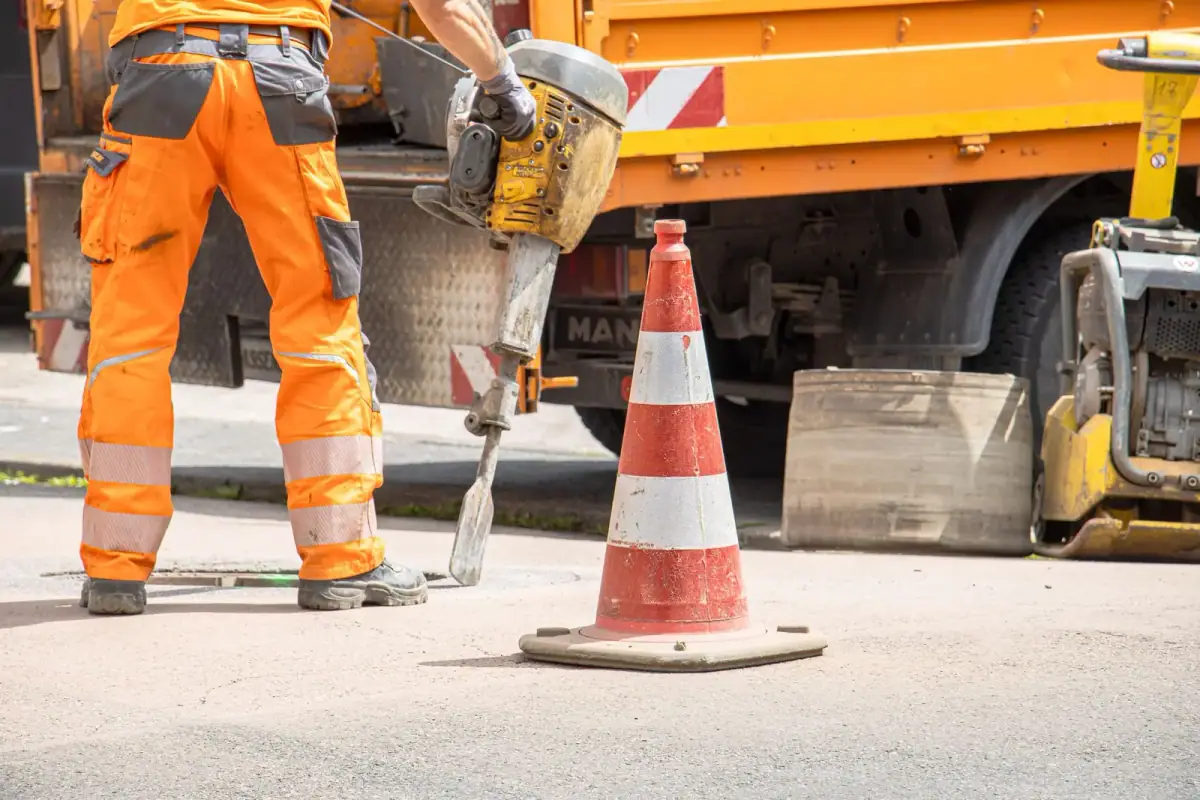
Cracking and crumbling
Wide cracks, potholes and crumbling edges that keep coming back after every patch usually mean the surface has reached the end of its life.
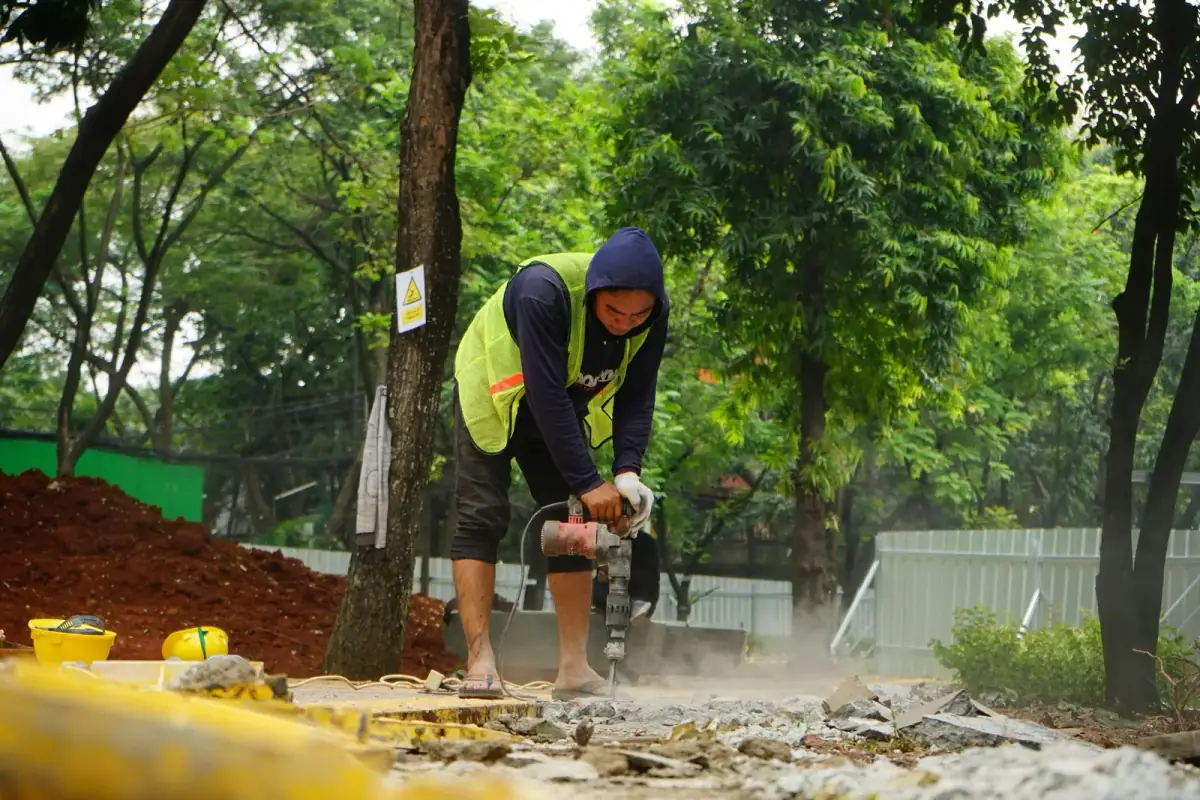
Sunken or heaved slabs
Slabs that have settled or lifted create trip hazards and hold water. On North Carolina clay, this often points to a failed base underneath.
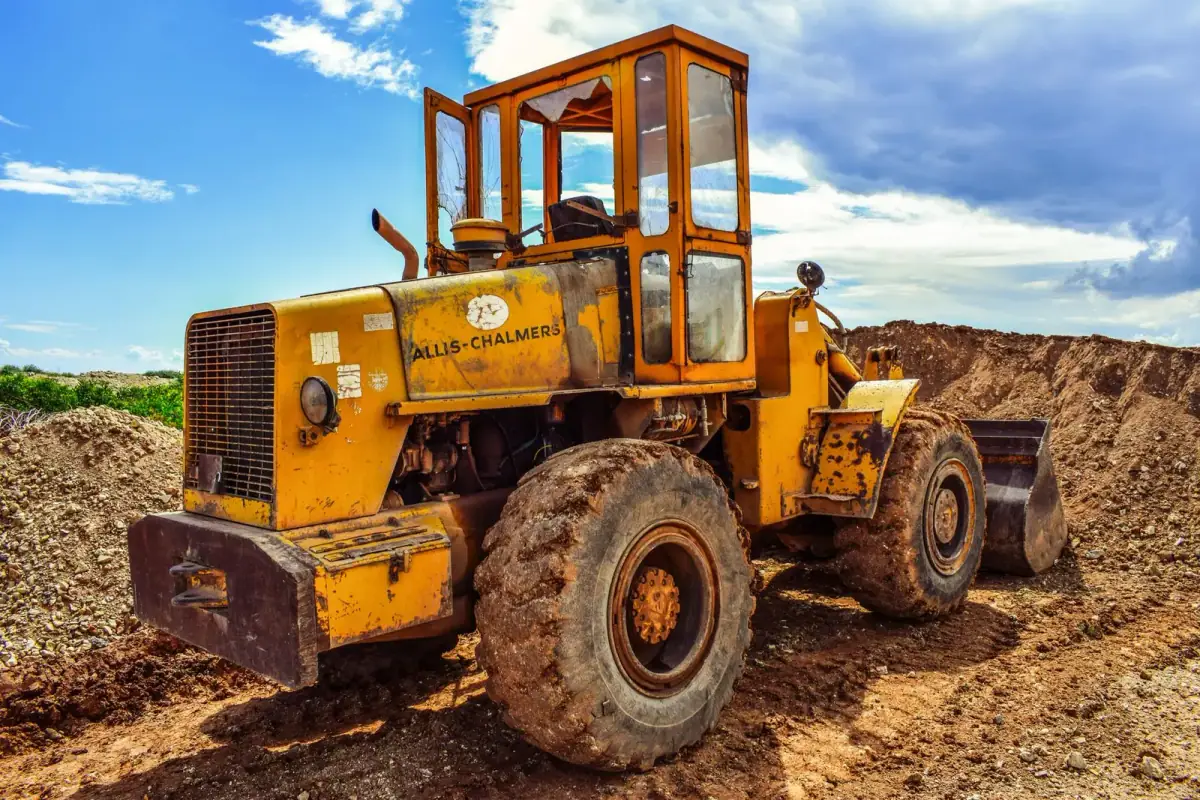
Drainage problems
A driveway that drains toward your garage or house instead of away from it needs to be removed and regraded, not just resurfaced.
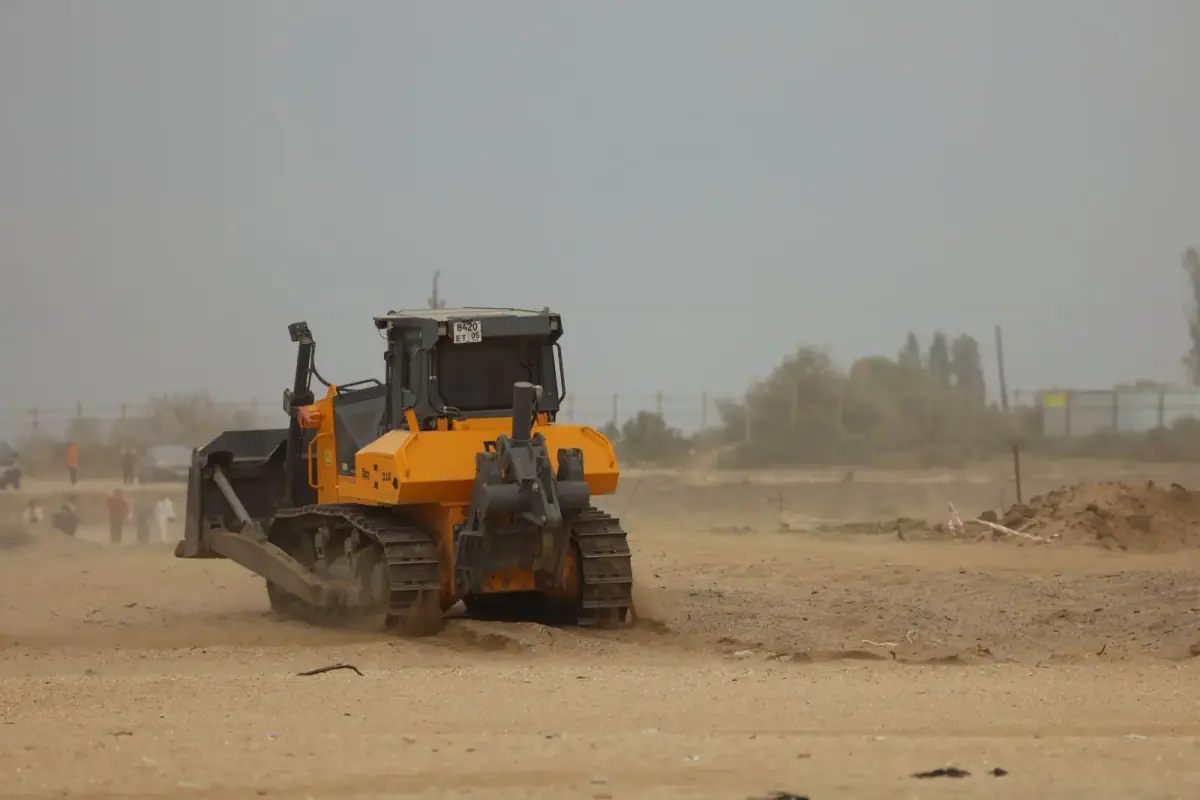
Tree root damage
Roots from mature oaks and pines lift and break driveways from below. Removal lets us address the roots and rebuild a stable base.
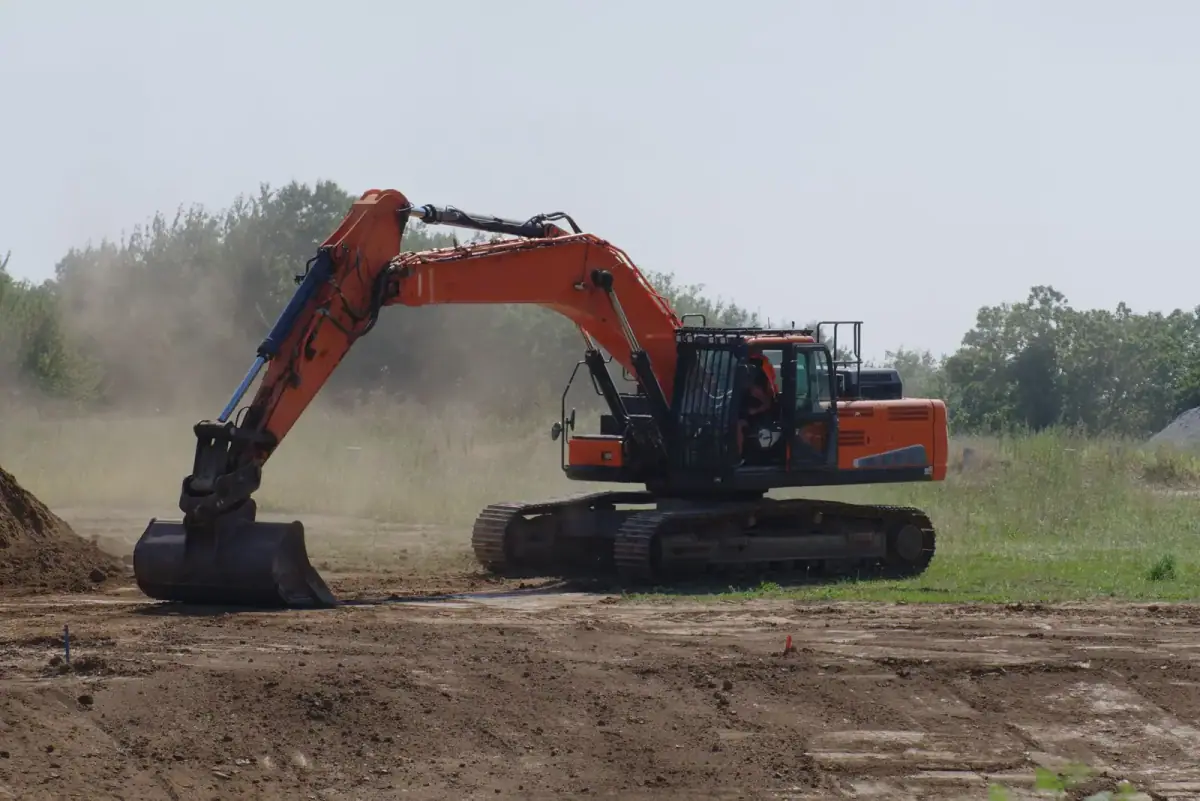
Replacing or widening
A driveway that is too narrow, too steep or in the wrong place is removed so a new layout can be built the way you want it.
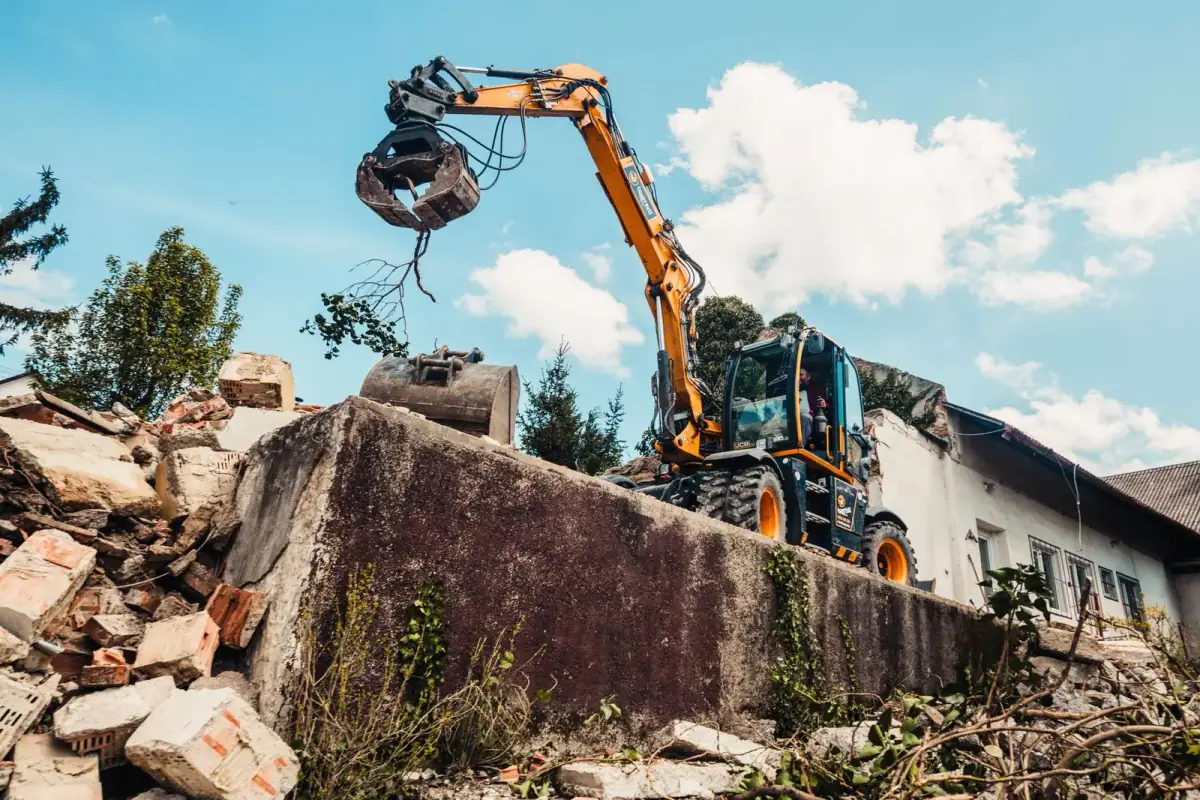
New garage or addition
A new garage, ADU or addition often changes where the driveway needs to run, starting with removing the old one.
What’s included in our driveway removal service
A proper driveway removal is more than breaking up concrete. Every Alpha Demolish driveway removal in North Carolina includes the following scope, planned and priced up front:
- 01Site assessment.
We measure the driveway, check its thickness and reinforcement, and plan truck access.
- 02NC 811 locate.
Underground utilities are located and marked before we excavate below the surface.
- 03Saw-cutting.
Clean, straight cuts where the driveway meets your garage slab, sidewalk, curb or any concrete that stays.
- 04Breaking and loading.
Skid steers with hydraulic breakers, or excavators on larger jobs, break and load the material.
- 05Base removal.
Failed base and soft clay are removed to the depth your new driveway needs.
- 06Material recycling.
Concrete is crushed into aggregate and asphalt is reused in new paving, rather than going to a landfill.
- 07Subgrade grading.
The area is graded so water drains away from your home and garage, and compacted ready for new stone or paving.
- 08Protection and clean-up.
Lawns, landscaping, curbs and sidewalks are protected, and the street is swept clean.
Our driveway removal process, step by step
Every driveway removal follows the same proven sequence, scheduled in advance so the site never sits open longer than it needs to.
Day 1
Estimate
We measure and give you a fixed price that states exactly how much surface and base will be removed.
Pre-demo
Scheduling and locates
We request an NC 811 locate and coordinate timing with your paving contractor so the site does not sit open in the rain.
Day 1
Saw-cutting
Edges are cut cleanly at the garage, sidewalk and curb so nothing that stays is damaged.
Day 1–2
Removal
The surface is broken, loaded and hauled to a recycler.
Day 1–2
Base work
Unsuitable base and soft soil are dug out to the depth your new driveway needs.
Handover
Grading and handover
The subgrade is shaped for drainage and compacted, ready for new stone or paving, and we walk the site with you.
READY TO CLEAR THE SITE?
Tell us what needs to come down.
Send a few project details and our team will get back to you with the next steps.
What we remove and how we protect your property
Types of driveways we remove
We remove every driveway surface common in North Carolina, and recycle what we can.
- Concrete driveways, reinforced or plain
- Asphalt driveways and multiple overlays
- Paver and brick driveways (pavers saved for reuse)
- Gravel driveways mixed with clay
- Tar-and-chip rural driveways
- Stamped and decorative concrete
- Aprons, ribbons and parking pads
- Failed base and soft subgrade below the surface
Protecting your property
Removal happens right beside the house, garage, lawn and street, so protection is planned into every job.
- Saw cuts at every joint with concrete that stays
- Ground protection over lawns and landscaping
- Curbs and public sidewalks kept intact
- Irrigation, low-voltage lighting and dog fences flagged
- Dust control while breaking concrete
- Truck routes planned to avoid cracking surfaces
- Street swept clean at the end of each day
- General liability and workers’ comp insurance
Driveway removal cost in North Carolina
Driveway removal is usually priced by the square foot, adjusted for thickness, reinforcement, access and base removal. You receive a fixed, itemized quote after a free site visit.
| Cost factor | Why it matters |
|---|---|
| Size | Longer and wider driveways cost more in total but less per square foot. |
| Material | Reinforced concrete takes more effort than asphalt or gravel. |
| Thickness | Thick slabs and multiple asphalt overlays mean more weight to haul. |
| Base removal | Digging out failed base adds labor and disposal. |
| Site access | Steep or narrow driveways may need smaller equipment. |
| Disposal and recycling | Recycling concrete and asphalt usually costs less than landfill disposal. |
| Right-of-way work | Aprons and sidewalks near the street can add permit and coordination time. |
Many homeowners save by scheduling removal and new paving back to back. We are happy to work with your chosen paving contractor.
How long does driveway removal take?
Most residential driveways are removed in one to two days. When the work is entirely on your property, it can often be scheduled quickly; work near the street may need a right-of-way permit that adds lead time.
| Stage | Typical duration |
|---|---|
| Site visit and estimate | A few business days |
| NC 811 utility locate | 3 working days before digging |
| Right-of-way / NCDOT permit (if needed) | A few days to 2 weeks |
| Saw-cutting and removal | 1–2 days on site |
| Base removal | Same day to 1 extra day |
| Subgrade grading and compaction | Same day |
Full removal, partial removal or resurface-ready?
Not every driveway needs to come out entirely. Depending on what has failed and what you are building next, we scope the job to fit.
Full driveway removal
The entire surface and failed base are removed and the subgrade is graded, ready for a new driveway of any material or a new layout.
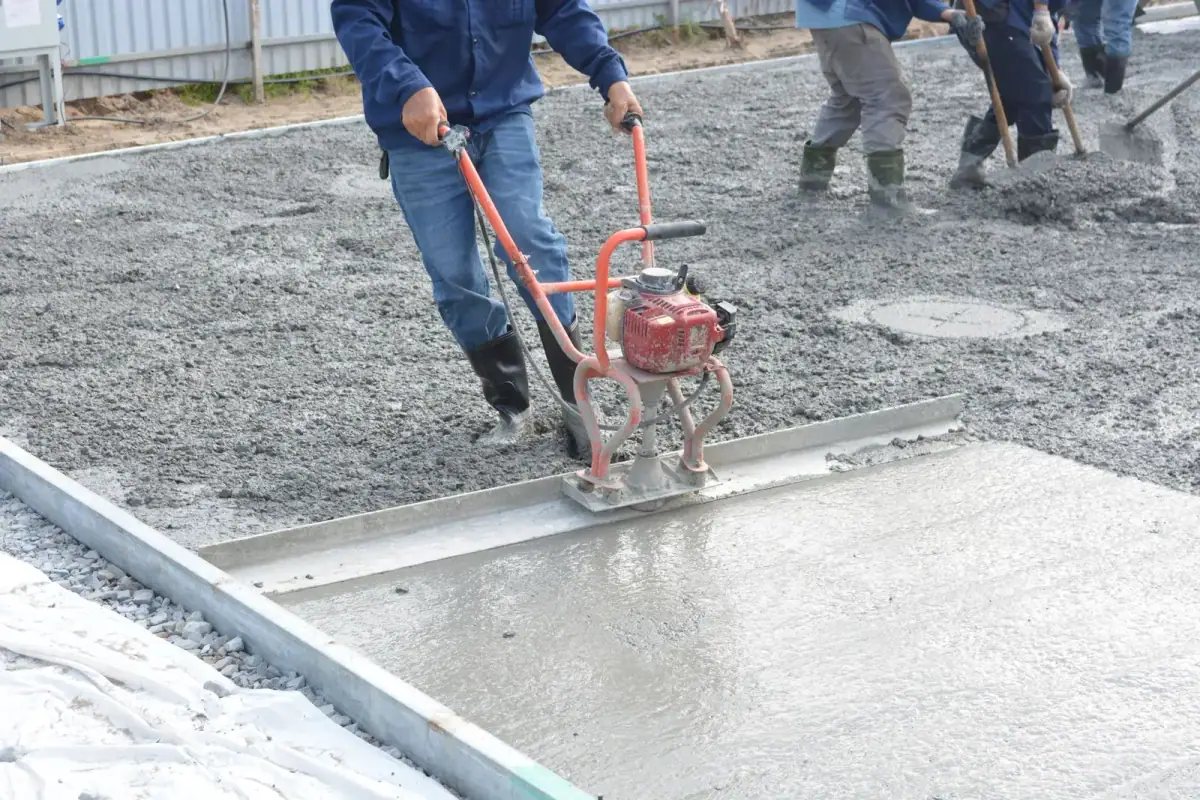
Partial removal
We saw-cut straight lines and remove only the damaged sections, such as a broken apron or a sunken slab, leaving the sound areas in place.
Base rebuild
Where the surface is gone but the subgrade is soft or holds water, we dig out unsuitable material and shape a proper stone base so the new driveway lasts.
Whatever you choose, the base and drainage matter more than the surface. On North Carolina’s red clay we remove unsuitable material and shape the subgrade for the material your paving contractor is installing.
Driveway permits and right-of-way rules in North Carolina
Removing a driveway that sits entirely on your property usually does not need a building permit. The rules change near the street, and we confirm what applies to your address during the estimate:
- Aprons and sidewalks. The section of driveway between the sidewalk and the street, and the sidewalk itself, is often in the public right-of-way. Many NC cities require a right-of-way or driveway permit before it is removed or replaced.
- State-maintained roads. The NC Department of Transportation maintains a large share of the state’s roads, including many residential roads outside city limits. Work on a driveway connection to an NCDOT-maintained road may need an NCDOT driveway permit.
- Impervious surface limits. Some cities, counties and water-supply watershed areas limit how much impervious surface a lot can have. Widening a driveway, or switching from gravel to concrete, may need approval.
- NC 811 before digging. North Carolina law requires an NC 811 locate at least three full working days before excavating, so buried utilities are marked and protected.
- HOA rules. Homeowners associations often control driveway materials, colors and widths.
Right-of-way and NCDOT driveway permits, NC 811 locates and coordination with your paving contractor are all part of our service. You approve the plan; we manage the process.
How to prepare for driveway removal
A little preparation keeps your project on schedule. Before removal day:
NOT SURE YET?
Let’s talk through your driveway project
Every driveway and lot is different. Call us or send a few details and a project specialist will walk you through options, timing and a ballpark cost — no commitment needed.
Debris removal and recycling
Old driveways are among the most recyclable materials we handle. Instead of sending them to a landfill, we sort and divert them:
- Concrete. Broken slabs and reinforcement are separated, and the concrete is crushed into recycled aggregate and base stone.
- Asphalt. Reclaimed asphalt is one of the most recycled materials in the country and goes back into new paving.
- Pavers and brick. Units in good condition are lifted and stacked on pallets for reuse or resale.
- Base stone and soil. Clean stone is reused where possible; unsuitable clay is hauled to a permitted facility.
Recycling concrete and asphalt keeps disposal costs down, and those savings are reflected in your estimate. We keep disposal records on request.