Environmental remediation across North Carolina
Decades of industry, farming, fuel storage and dry cleaning have left contamination on sites across North Carolina. It often surfaces during a property sale, a Phase I environmental assessment, or when excavation starts for a new project. Leaking heating oil tanks behind older homes, gasoline tanks at former service stations, solvent at old dry cleaners and lead paint in older buildings are among the most common.
Alpha Demolish performs the field work of environmental remediation: excavating and disposing of contaminated soil, removing tanks, abating lead and PCBs, and restoring the site. We work under the direction of your environmental consultant, who handles sampling, reporting and communication with NC DEQ, so the work meets regulatory requirements and supports closure.
This page explains what our remediation service includes, when it is needed, the North Carolina programs that may apply, how we work with your consultant, what affects the cost and how to plan the work.
When environmental remediation is needed
Contamination usually surfaces at a predictable set of moments. The most common triggers are:
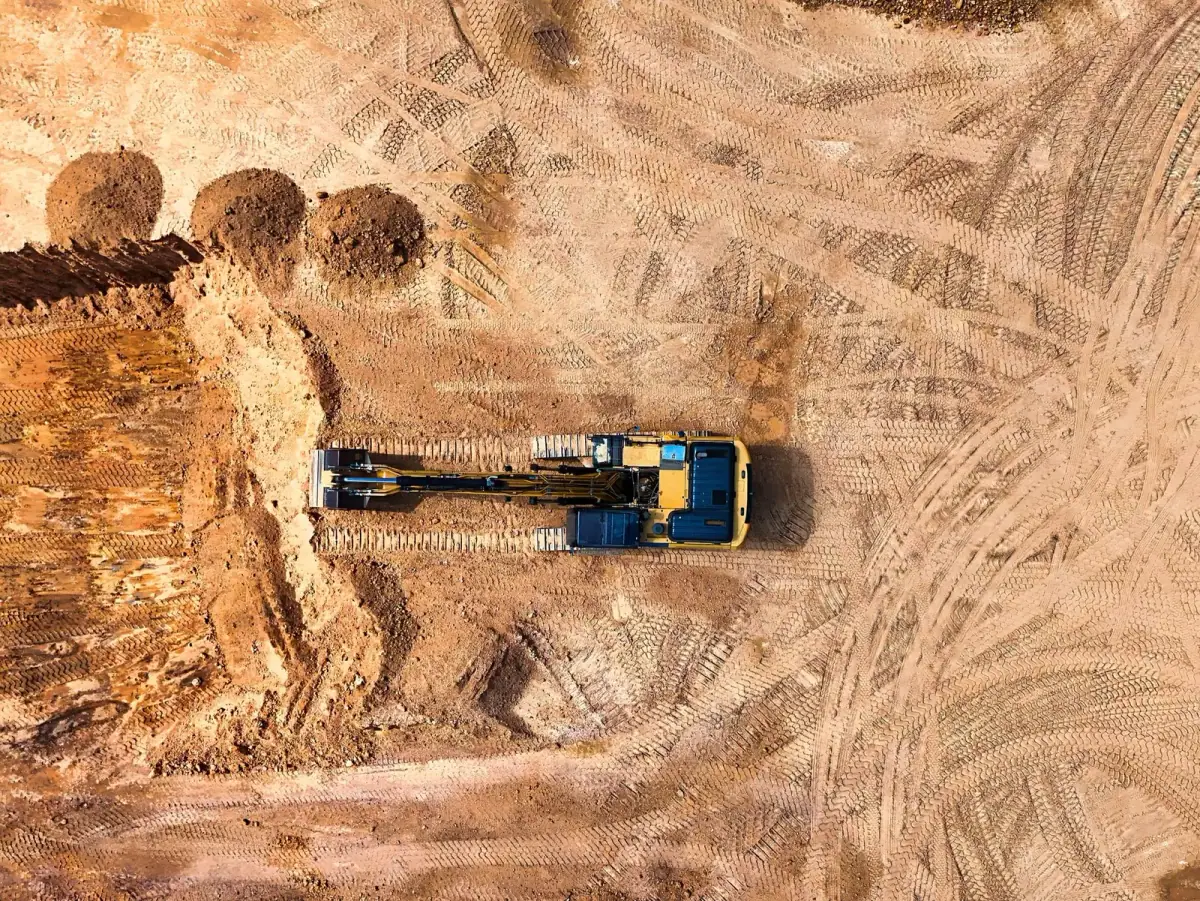
Property sale and Phase I
A buyer’s Phase I assessment or a lender flags a concern during a transaction.
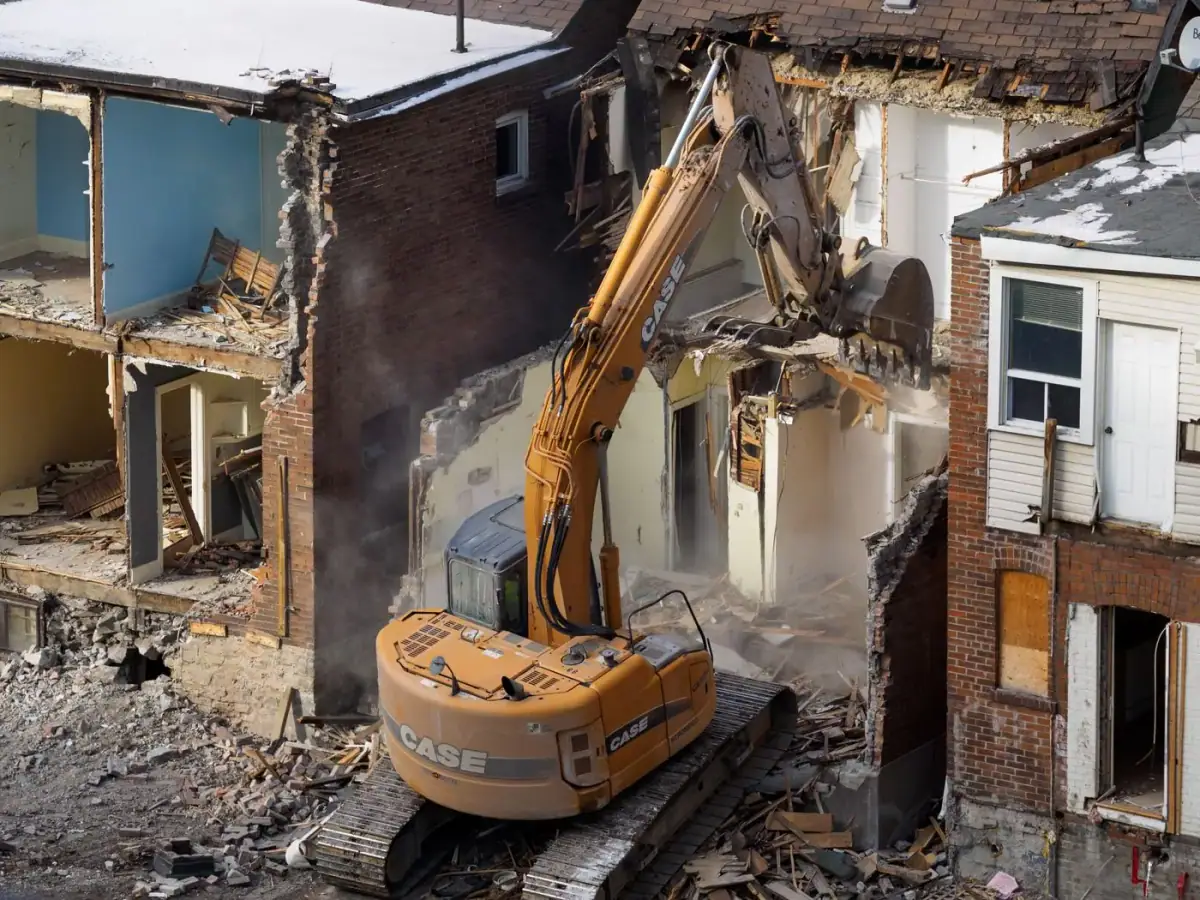
Heating oil tank found
A fill or vent pipe near an older home reveals a buried fuel oil tank.
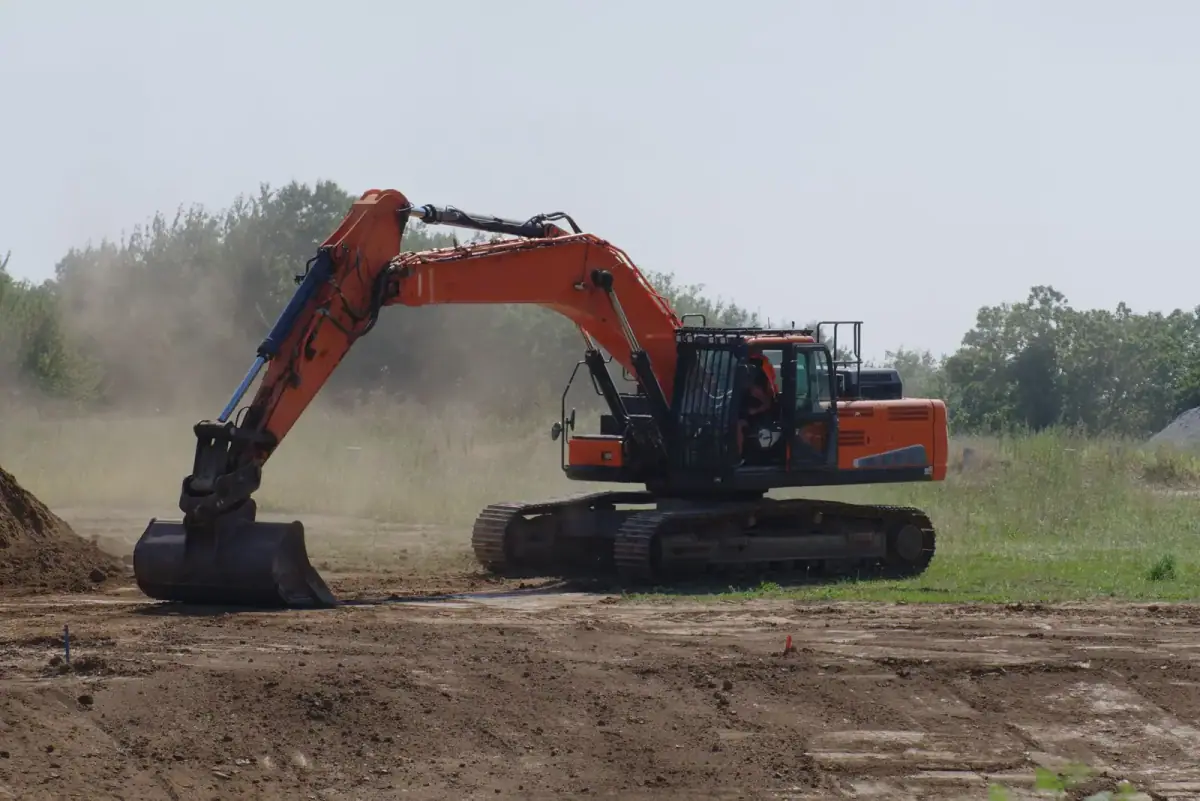
Excavation reveals contamination
Digging for a new project uncovers contaminated soil, tanks or debris.
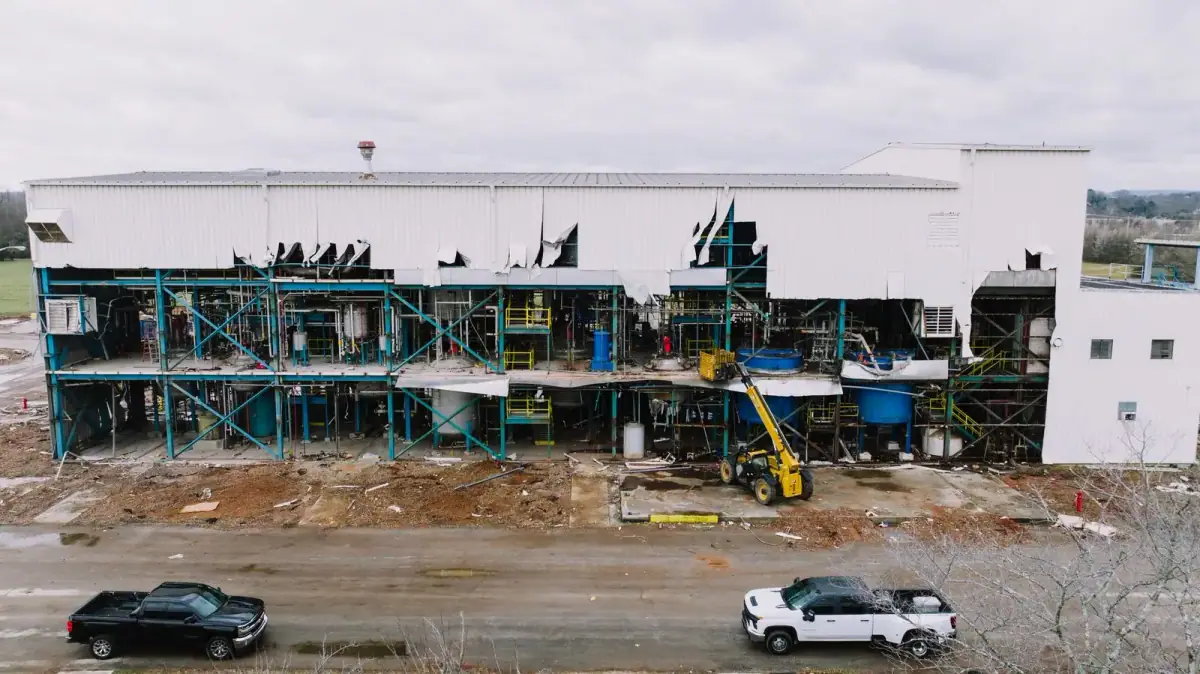
Former service station
Gasoline USTs and impacted soil at old fueling sites.
Former dry cleaner
Solvent contamination at old dry-cleaning sites.
Brownfield redevelopment
Making a contaminated site safe for a new use under an NC DEQ agreement.
What’s included in our remediation service
We perform the field work of remediation, to your consultant’s plan. Every Alpha Demolish remediation project in North Carolina includes:
- 01Contaminated soil excavation.
Petroleum, metals and other contaminated soils excavated, segregated and loaded for approved disposal.
- 02Tank removal.
Underground and aboveground tanks emptied, cleaned, removed and disposed of, with soil sampled by your consultant.
- 03Heating oil tank removal.
Residential tanks common at older homes, removed or closed in place.
- 04Lead and PCB removal.
Lead-coated components and PCB-containing equipment and caulk removed and disposed of properly.
- 05Mold remediation.
Contaminated materials removed with containment after water damage or long vacancy.
- 06Investigation support.
Test pits, tank locating and excavation support for Phase II investigations.
- 07Waste disposal.
Waste characterized and sent to approved facilities with manifests.
- 08Site restoration.
Clean backfill, compaction and grading after remediation.
How remediation projects run, step by step
Every remediation project follows the consultant’s workplan, with the field work executed to their direction.
Phase 1
Review the plan
Consultant’s workplan, limits of excavation and disposal approvals.
Phase 1
Health and safety plan
Site-specific plan, air monitoring and protective equipment.
Field work
Excavate and segregate
Contaminated and clean soil separated under the consultant’s field screening.
Field work
Load and dispose
Waste transported to approved facilities with manifests.
Verify
Confirmation sampling
Consultant samples the excavation to confirm cleanup goals.
Handover
Restore
Clean backfill, compaction and grading.
READY TO CLEAR THE SITE?
Tell us what needs to come down.
Send a few project details and our team will get back to you with the next steps.
How we work and residential oil tanks
How we work with your consultant
We perform the field work; licensed consultants direct sampling and reporting, which keeps the project compliant and moving toward closure.
- Field work executed to the consultant’s workplan
- Site-specific health and safety plan
- Air monitoring and protective equipment
- Contaminated and clean soil segregated by field screening
- Phase I and Phase II investigation support
- Test pits, tank locating and excavation for consultants
- Waste characterized before disposal
- Documentation to support NC DEQ closure
Residential heating oil tanks
Many older North Carolina homes were heated with fuel oil stored in buried tanks — often revealed only by a fill or vent pipe near the foundation.
- Tanks emptied, cleaned and removed, or closed in place
- Soil sampled by your consultant around the tank
- Leaks reported to NC DEQ as required
- State cleanup funds explored for eligible releases
- Fill and vent pipes located and traced
- Excavation backfilled and compacted after removal
- Documentation for the sale or lender
- General liability and workers’ comp insurance
What affects remediation cost
Remediation is priced by the contaminant, the volume and how the waste is classified. The main factors are:
| Cost factor | Why it matters |
|---|---|
| Contaminant type | Petroleum, metals and hazardous waste have very different disposal costs. |
| Volume | Tons of soil and number of tanks. |
| Waste classification | Hazardous waste disposal costs far more than non-hazardous. |
| Groundwater | Dewatering and water treatment add scope. |
| Site constraints | Buildings, utilities and occupied properties slow excavation. |
| Confirmation and closure | Sampling rounds and documentation to reach closure. |
How a remediation project unfolds
Timing depends on the consultant’s workplan, lab turnaround and any NC DEQ involvement. A typical project runs like this:
| Stage | Typical timing |
|---|---|
| Phase I / Phase II investigation | Weeks, by the consultant |
| Workplan and disposal approvals | Days to weeks |
| Excavation and tank removal | Days to weeks |
| Waste disposal | With the excavation |
| Confirmation sampling and lab results | About 1–2 weeks |
| Backfill, restoration and closure | Days to weeks |
Remediation field work
We execute the field scope your consultant defines, from soil to tanks to hazardous building materials.
Contaminated soil excavation
Petroleum, metals and other impacted soils excavated, segregated and loaded for approved disposal, with confirmation sampling by your consultant.
Tank removal
Underground and aboveground tanks, including residential heating oil tanks, emptied, cleaned, removed and disposed of.
Lead, PCB and mold
Lead-coated components, PCB-containing equipment and caulk, and mold-affected materials removed under containment.
Whatever the scope, we support the consultant’s investigation and cleanup so the project moves toward a No Further Action letter or the closure your project needs.
North Carolina programs that may apply
Which program applies depends on the contaminant and the site history. Your consultant determines the path; we execute the field work to their plan:
- Underground Storage Tank (UST) program. NC DEQ regulates commercial petroleum USTs, including closure, sampling and cleanup of releases. Leaks from home heating oil tanks are also reported to NC DEQ.
- Brownfields Redevelopment. Prospective developers of contaminated sites can enter brownfields agreements with NC DEQ that set out how the site will be made safe for its new use.
- Dry-Cleaning Solvent Cleanup Act (DSCA). A state program that assesses and cleans up eligible sites contaminated by dry-cleaning solvents.
- Inactive Hazardous Sites. NC DEQ oversees cleanup of sites with hazardous substance contamination not covered by other programs.
- Lead-based paint. Lead abatement is regulated through North Carolina’s lead-based paint program, with certified firms and workers.
- Closure documentation. Where NC DEQ is involved, a No Further Action letter or similar closure document is the goal.
Environmental issues often surface during a sale. Clear documentation of what was removed, where it went and the consultant’s confirmation results helps transactions close and satisfies NC DEQ.
What we need to plan the work
A few items let us scope and price the field work. Helpful details include:
CONTAMINATION CONCERN?
Let’s execute your remediation
Share your consultant’s workplan or describe the concern and a project manager will scope the excavation, tank removal and disposal to their plan — no commitment needed.
Disposal, confirmation and site closure
Remediation ends with proper disposal, verification and documentation that supports closure:
- Waste characterization. Soil and materials are characterized by laboratory analysis before disposal.
- Approved facilities. Waste goes to facilities approved for that type, with manifests or disposal records.
- Confirmation sampling. Your consultant samples the excavation to confirm cleanup goals are met.
- Closure documentation. A No Further Action letter or similar document is the goal where NC DEQ is involved.
We restore the site with clean backfill, compaction and grading, and provide the disposal records your consultant and the transaction need.