Home demolition services across North Carolina
Tearing down a house is rarely just about the house. In North Carolina, a home demolition project involves local building permits, state asbestos rules, utility providers, septic and well regulations, erosion control and, in some neighborhoods, historic district review. Alpha Demolish manages every one of those pieces, so you deal with a single contractor from the first site visit to a clean, graded lot.
We demolish single-family homes, duplexes and small multi-family residences for homeowners, builders, developers, investors, estates and insurers throughout the state. You might be clearing a 1950s brick ranch in Charlotte for a knock-down rebuild, removing a storm-damaged house near the coast, or taking down an unsafe structure on inherited land in the foothills. The goal is always the same: remove the home safely, recycle as much material as possible, and hand back a site that is ready for what comes next.
This page explains exactly what our home demolition service includes, which North Carolina permits and regulations apply, how the process works step by step, what affects the cost, how long it takes, and how to prepare your property.
When do you need a home demolition?
Property owners across North Carolina call us for a full house demolition for many different reasons. The most common are:
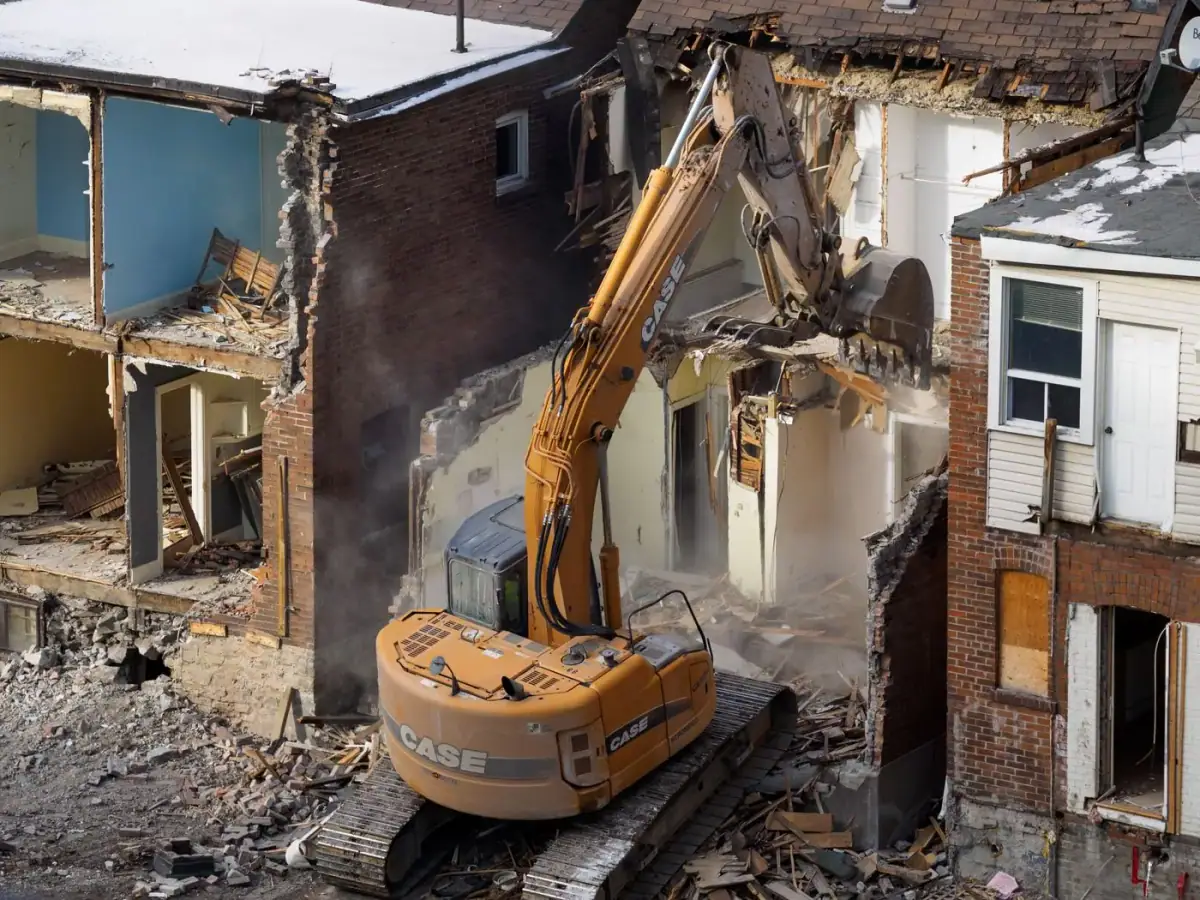
Knock-down rebuilds
In fast-growing markets like Charlotte, Raleigh, Durham, Cary and Wilmington, the lot is often worth more than the existing house. Demolishing an older home and building new is frequently simpler and more predictable than a major renovation.

Hurricane, storm and flood damage
Homes damaged by hurricanes and flooding, including storms such as Matthew, Florence and Helene, may be declared a total loss or be part of a buyout or recovery program that requires the house to be removed.
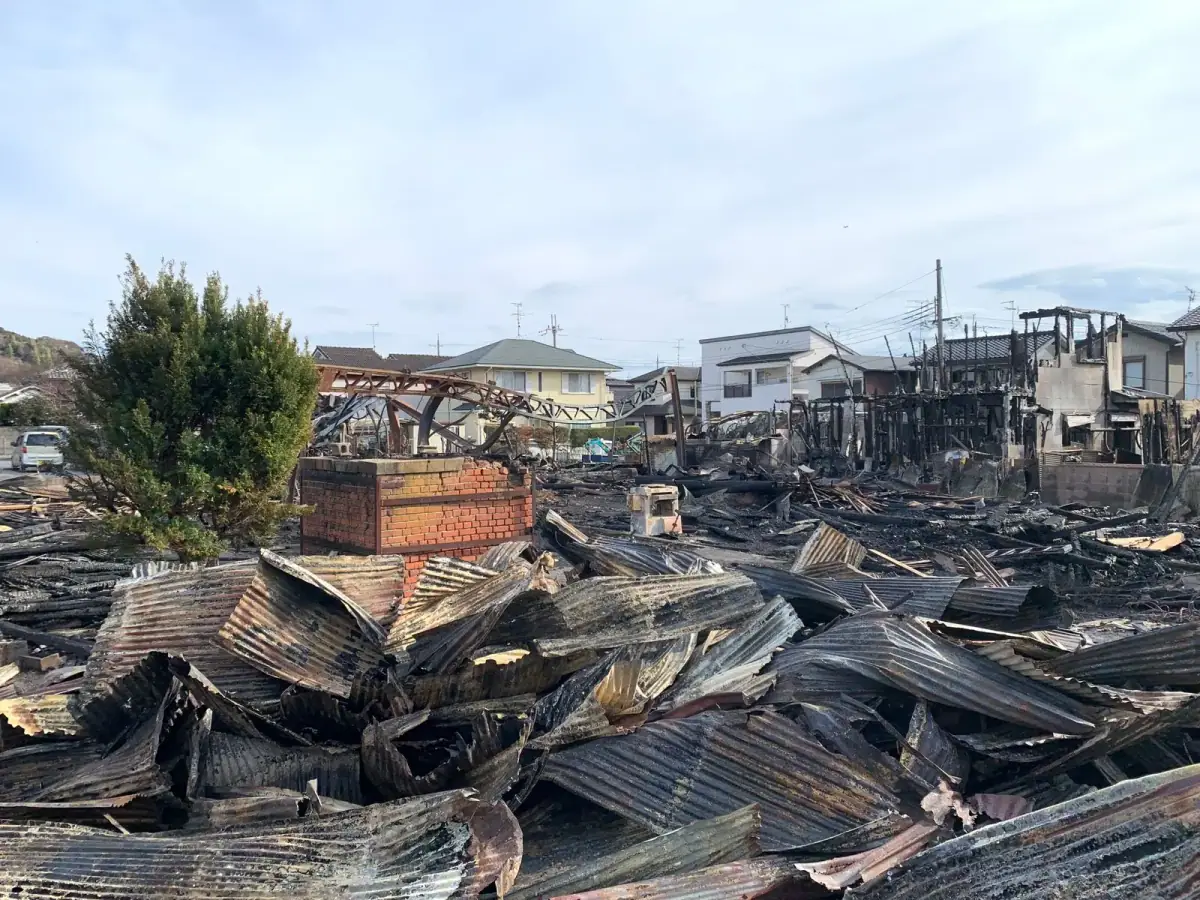
Fire damage
After a house fire, the remaining structure is often unsafe and contaminated with soot, ash and charred debris. We work with owners and insurance adjusters to take it down safely and document the work.
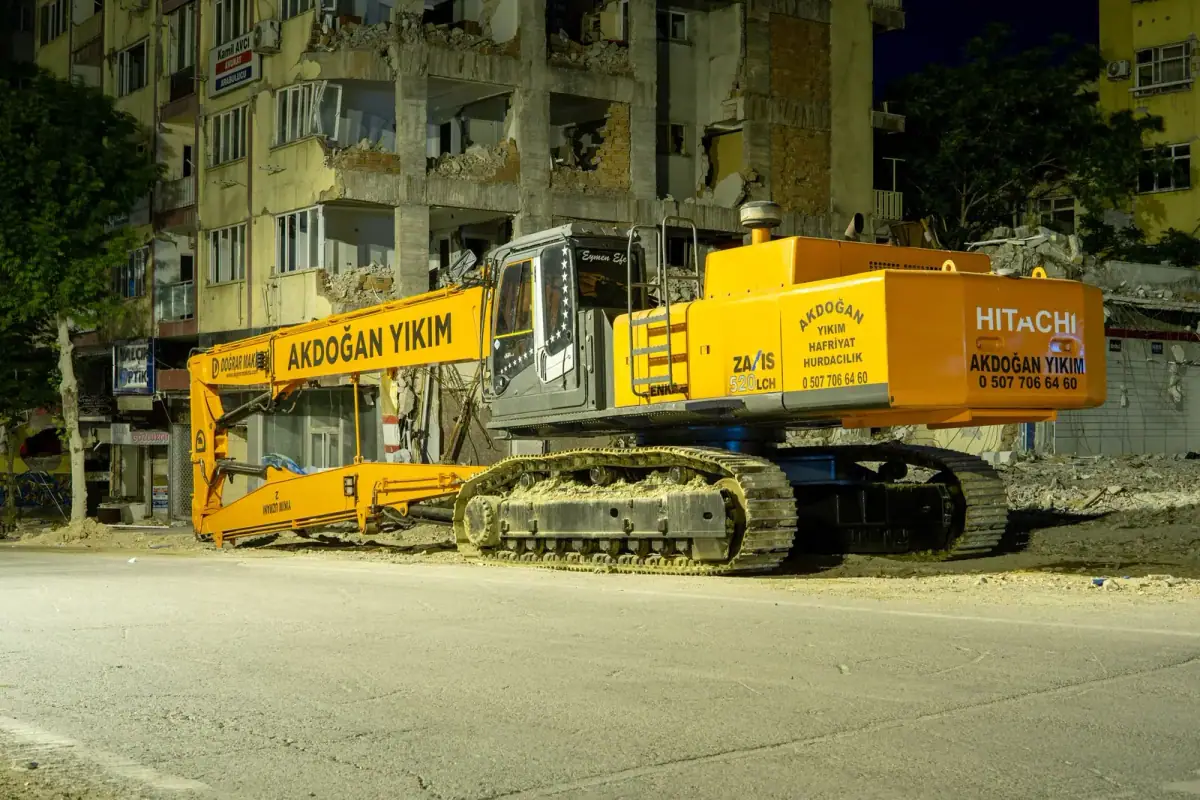
Condemned or unsafe houses
Vacant homes with structural failure, roof collapse, rot or severe termite damage may be ordered repaired or demolished by a city or county under its minimum housing standards.
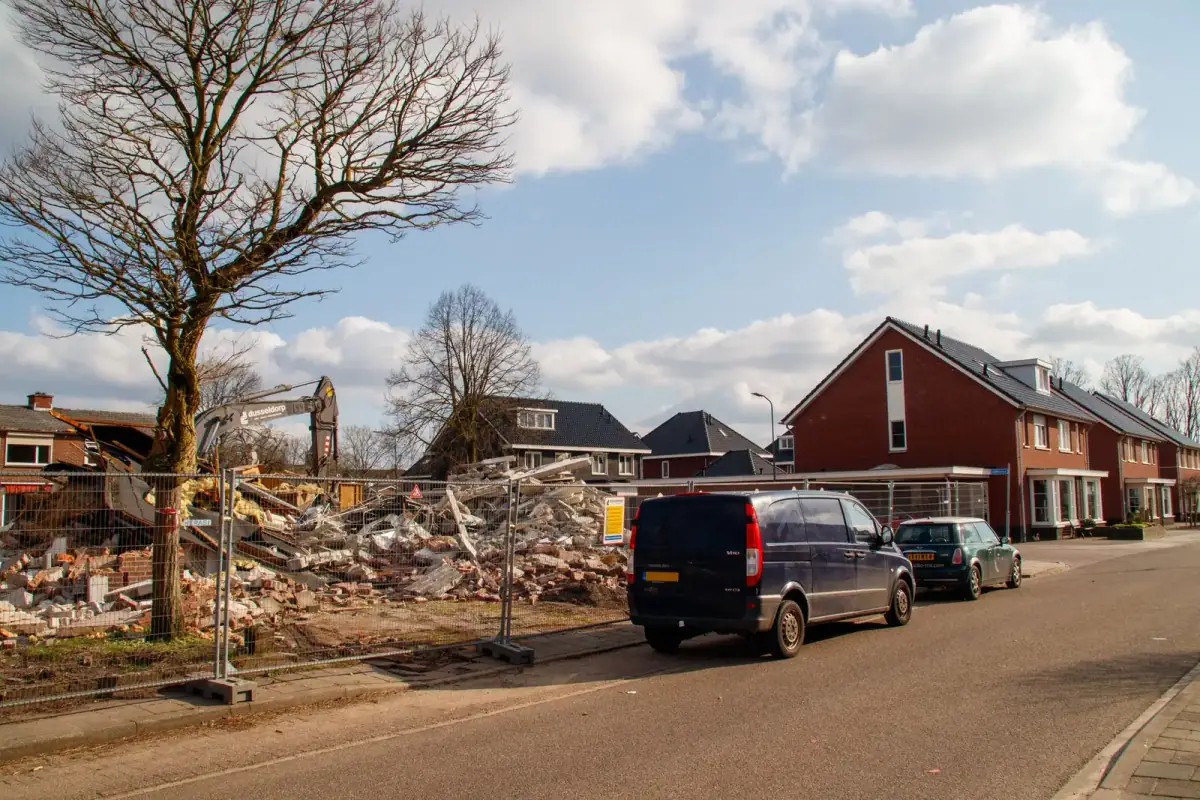
Inherited and vacant property
Estates and heirs often need an abandoned or deteriorated house removed before the land can be sold, divided or developed, and before it becomes a liability.
Preparing a lot for sale
A cleared, graded lot is easier to market and finance, and it lets buyers and builders see exactly what they are working with.
What’s included in our home demolition service
A complete home demolition is much more than bringing in an excavator. Every Alpha Demolish residential tear-down in North Carolina includes the following scope, planned and priced up front so there are no surprises:
- 01Free on-site assessment.
We walk the property, measure the structure, check access for equipment and trucks, identify trees and neighboring structures to protect, and note hazards such as basements, underground fuel tanks, septic systems and wells.
- 02Written, itemized estimate.
You receive a fixed-scope proposal that spells out what is being removed, what stays, how debris is handled and what the finished site will look like.
- 03Demolition permit.
We prepare and submit the demolition permit application to your city or county and coordinate any inspections they require.
- 04Asbestos inspection coordination.
An NC-accredited asbestos inspector surveys the home before demolition, as most North Carolina permit offices require. If asbestos is found, accredited abatement workers remove it before the house comes down.
- 05Utility disconnection.
We coordinate with your electric, gas, water, sewer, cable and phone providers so every service is safely disconnected and capped.
- 06NC 811 utility locate.
Before any digging, we request an NC 811 locate so buried lines are marked and protected.
- 07Septic tank and well closure.
If the home is on a septic system or private well, we coordinate proper abandonment under county health department and state rules.
- 08Hazardous item removal.
Appliances, electronics, refrigerants, fluorescent bulbs, propane cylinders and other items that cannot go into a landfill are removed and recycled or disposed of correctly before demolition.
- 09Structural demolition.
The house is taken down with excavators and specialist attachments in a controlled sequence, with dust suppression and a defined safety zone.
- 10Foundation, slab and basement removal.
Footings, slabs, crawl-space piers, chimneys, porches, stoops and basement walls are broken out and removed, unless you ask us to leave them.
- 11Attached and accessory structures.
Driveways, walkways, detached garages, carports, decks, sheds and fencing can be included in the same project and permit.
- 12Debris sorting, hauling and recycling.
Concrete, brick, metal and clean wood are separated for recycling. The remaining material goes to permitted construction and demolition (C&D) facilities.
- 13Backfill, compaction and rough grading.
Excavations are backfilled with suitable soil, compacted in layers and rough-graded so water drains away from the site and the lot is safe to walk and build on.
- 14Erosion control and stabilization.
Silt fence, seed and straw are installed where needed to keep soil on the property and out of streets, ditches and storm drains.
- 15Final walkthrough and records.
We walk the site with you and provide photos, disposal records and inspection sign-offs for your files, lender, insurer or builder.
Our home demolition process, step by step
Every home demolition follows the same proven sequence. Each step is scheduled in advance, and you always know what is happening next.
Day 1
Site visit and estimate
We inspect the house and lot, talk through your plans for the property, and send a written, itemized estimate, usually within a few business days.
Week 1–2
Asbestos inspection
An NC-accredited inspector samples suspect materials such as vinyl flooring, siding, roofing, drywall joint compound and pipe insulation. Any asbestos found is abated before demolition.
Week 2–4
Permits and utility disconnects
We file the demolition permit, coordinate disconnection of electricity, gas, water, sewer and communications, and request an NC 811 locate.
Pre-demo
Site preparation
We install construction fencing and erosion control, protect trees and neighboring property, and remove salvage and items that cannot be landfilled.
Demo day
Demolition
The house is taken down in a planned sequence, usually from the roof and upper floors down, with water spray to control dust. Materials are separated as we go.
1–3 days
Foundation removal and haul-off
Footings, slabs, basement walls and chimneys are broken out. Debris is loaded and hauled to recycling and C&D facilities.
Handover
Backfill, grading and handover
We backfill and compact excavations, rough-grade the lot, stabilize exposed soil and complete a final walkthrough with you.
READY TO CLEAR THE SITE?
Tell us what needs to come down.
Send a few project details and our team will get back to you with the next steps.
What we demolish and how we keep it safe
Types of homes we demolish
North Carolina’s housing ranges from mill houses and farmhouses to mid-century brick ranches and newer suburban homes.
- Single-story brick and frame ranch homes
- Two-story, split-level and Cape Cod houses
- Homes on crawl spaces, slabs and basements
- Mill village houses, bungalows and farmhouses
- Duplexes, townhomes and small multi-family
- Fire-, flood- and storm-damaged homes
- Vacant, condemned and collapsed houses
- Homes with garages, porches, decks and additions
Safety and neighbor protection
Residential demolition often happens on tight infill lots, close to occupied homes and sidewalks. Our crews plan for that on every job.
- Construction fencing and signage around work zone
- Water spray to control dust during demolition
- Protection for trees, driveways and structures
- Street sweeping to keep roads clear of debris
- Work hours that respect local noise ordinances
- Daily safety briefings and OSHA-compliant practices
- Advance notice to neighbors before heavy work
- General liability and workers’ comp insurance
How much does home demolition cost in North Carolina?
Every house and lot is different, so we give a fixed quote after a site visit. As general guidance, complete residential demolition projects in North Carolina commonly fall somewhere between about $4 and $15 per square foot of house, including disposal. Smaller, simpler homes sit at the lower end. Homes with basements, asbestos or difficult access sit at the higher end.
These are the main factors that affect your price:
| Cost factor | Why it matters |
|---|---|
| House size and construction | Larger homes, brick and block construction, and multiple stories create more debris and take longer to remove. |
| Foundation type | Basements and thick slabs take longer to break out and need more backfill than crawl-space homes. |
| Asbestos and hazardous materials | An inspection is required. Abatement adds cost if asbestos-containing materials are found. |
| Site access | Narrow lots, steep grades, overhead power lines and limited truck access slow the work. |
| Debris volume and disposal | Tipping fees and haul distances to recycling and C&D facilities vary across the state. |
| Additional structures | Driveways, garages, pools, sheds and fences add to the scope. |
| Permits and local rules | Permit fees, erosion control and tree protection requirements differ by city and county. |
| Septic and well closure | Abandoning a septic tank or private well is a separate line item. |
Recycling concrete, brick and metal reduces landfill fees, and those savings are reflected in your estimate. Insurance claims, lenders and recovery programs often need an itemized quote, and we provide one on request.
How long does it take to demolish a house?
Knocking down a typical single-family home takes one to three days. Foundation removal, haul-off, backfill and grading usually add one to three more days. The longest part of most projects is the preparation: the asbestos inspection, any abatement, utility disconnects and permit approval commonly take two to six weeks, depending on your jurisdiction and your utility providers’ schedules.
| Stage | Typical duration |
|---|---|
| Site visit and estimate | A few business days |
| Asbestos inspection and lab results | About 1–2 weeks |
| Asbestos abatement (if needed) | A few days to 2 weeks |
| Utility disconnects | 1–4 weeks, depending on providers |
| Permit approval | A few days to several weeks, by jurisdiction |
| Demolition and foundation removal | 2–5 days on site |
| Backfill, grading and stabilization | 1–2 days |
Full demolition or partial tear-down?
Most home demolition projects are full demolitions, where the entire structure is removed down to bare soil. In some cases it makes sense to keep part of the house or its foundation.
Full home demolition
Everything is removed, including foundations and slabs, and the lot is backfilled and graded. Best for new construction, lot sales and severely damaged homes.
Demolition to the foundation
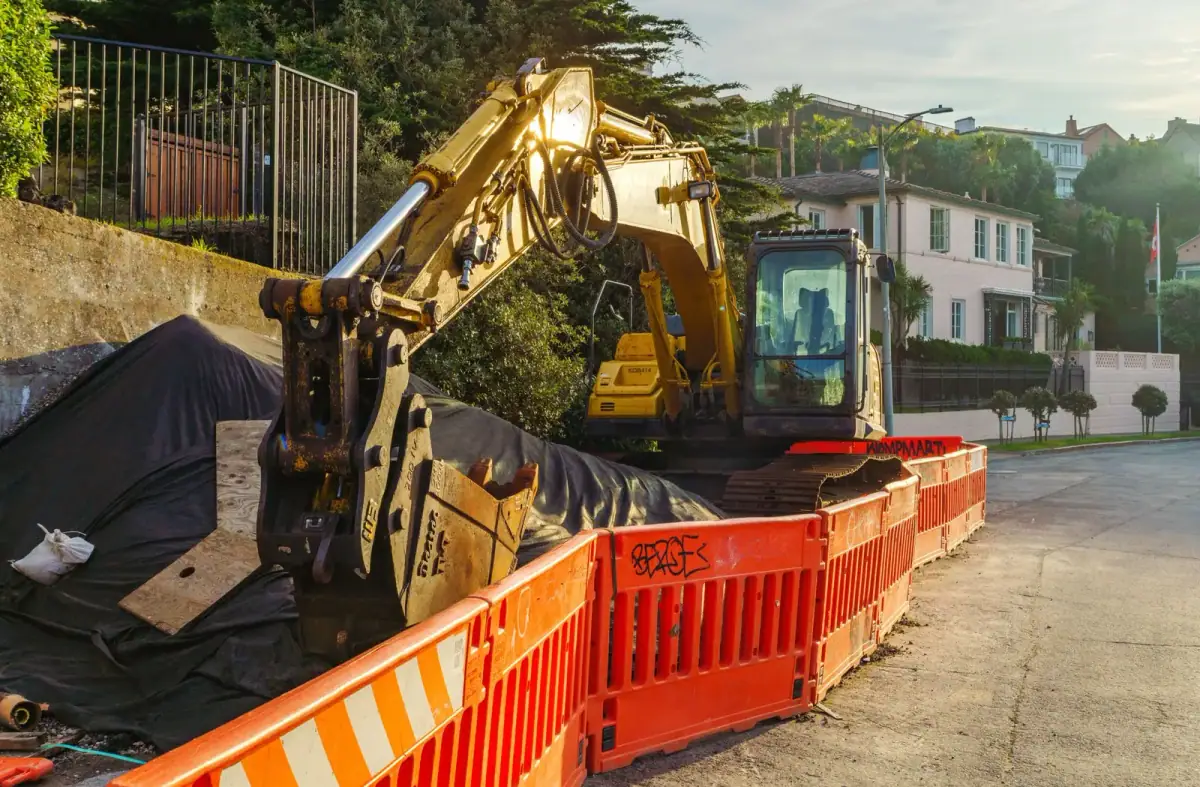
The house is removed but the foundation or slab stays in place for a builder to evaluate or reuse. This can reduce cost when the foundation is sound and the new design fits it.
Partial demolition
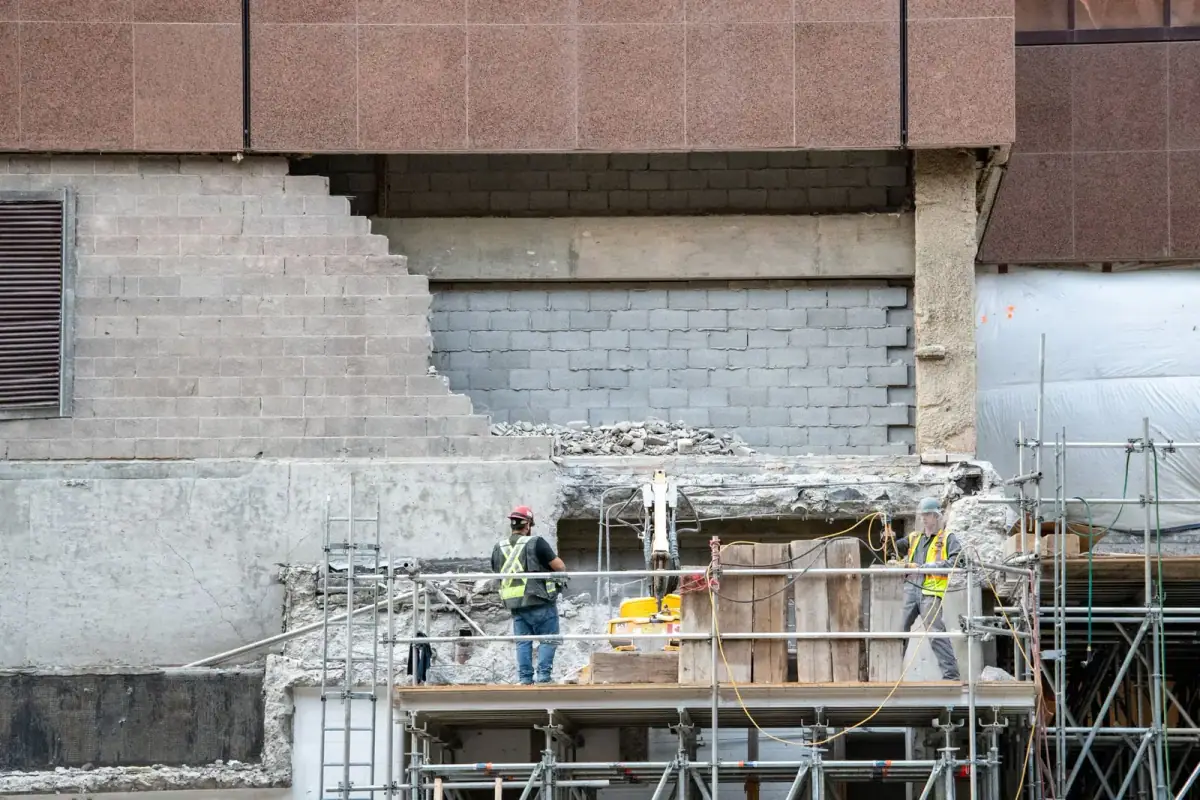
A section of the home, such as a rear addition, second story or attached garage, is removed while the rest stays. This needs engineering review, careful separation and sometimes a different permit.
Local codes, lenders and insurers can treat a project differently depending on how much of the house is removed. We help you understand the options for your property before you commit.
North Carolina home demolition permits and regulations
North Carolina does not have a single statewide demolition permit. Demolition is permitted locally by your city or county inspections department, and several state rules apply on top of that. Requirements vary between jurisdictions, so we confirm the exact list for your address during the estimate. The most common requirements are:
- Local demolition permit. Issued by the city or county building inspections office that covers your address. Most North Carolina jurisdictions ask for proof that utilities have been disconnected and that an asbestos inspection has been completed before they issue the permit.
- Asbestos inspection and notification. The Health Hazards Control Unit of the NC Department of Health and Human Services runs the state asbestos program. Inspections must be done by NC-accredited inspectors, and removal must be done by NC-accredited abatement workers. Some counties, including Mecklenburg, Forsyth and Buncombe, have local air quality agencies with their own asbestos and demolition notification requirements.
- NC 811 before digging. North Carolina law requires anyone excavating to notify NC 811 at least three full working days before digging, so underground utilities can be located and marked.
- Historic district review. If the home is in a local historic district or is a designated landmark, the local historic preservation commission may need to approve the demolition and can delay it by up to 365 days.
- Erosion and sedimentation control. Under the North Carolina Sedimentation Pollution Control Act, disturbing one acre or more requires an approved erosion control plan. Many cities and counties apply stricter local thresholds, and even small lots need measures to keep mud out of streets and storm drains.
- Septic systems and wells. Septic systems are regulated by county environmental health departments. Private wells that will no longer be used must be permanently abandoned under North Carolina well construction rules.
- Tree protection. Some cities, including Charlotte and Raleigh, have tree ordinances that protect certain trees during demolition and redevelopment, especially in the street right-of-way.
- HOA and neighborhood rules. Homeowners associations may restrict work hours, require advance notice to neighbors, or set rules for construction fencing, dumpsters and parking.
Permit applications, asbestos coordination, utility disconnect letters and NC 811 requests are all part of our home demolition service. You approve the plan; we manage the process.
How to prepare your home for demolition
A little preparation keeps your project on schedule. Before demolition day:
NOT SURE YET?
Let’s talk through your project
Every property is different. Call us or send a few details and a project specialist will walk you through options, timing and a ballpark cost — no commitment needed.
Debris removal and recycling
An average house produces many tons of debris. Instead of sending everything to a landfill, we sort materials on site so they can be reused or recycled:
- Concrete, brick and block. Crushed and reused as aggregate, base and fill.
- Metals. Steel, copper, aluminum and wiring go to scrap recyclers.
- Clean wood. Diverted for mulch, fuel or reuse where local facilities accept it.
- Appliances and electronics. Recycled separately. North Carolina bans white goods (major appliances) and many electronics from landfills.
Remaining mixed debris goes to permitted construction and demolition landfills or transfer stations. We keep weight tickets and disposal records, which are useful for green building programs, lenders and insurers.