Construction and demolition recycling in North Carolina
Construction and demolition debris makes up a large share of the waste North Carolina sends to landfills, yet most of it by weight can be recycled. Concrete, brick and asphalt can be crushed and reused. Metals have a strong scrap market. Clean wood, cardboard and some drywall and shingles can be processed into new products.
Alpha Demolish builds recycling into every demolition and clean-up project, and also provides recycling services to contractors and owners on their own projects. We separate materials on site, haul them to recyclers, and document the results so you can meet LEED requirements, corporate sustainability goals and owner specifications.
This page explains what our recycling service includes, source separation versus mixed recycling, the reporting we provide, what materials become, how it affects cost and how to plan a program.
Where recycling fits
Recycling is part of every Alpha Demolish project, and a service we run on others’ projects too. It matters most for:
LEED and green building
Projects with documented construction waste diversion requirements for certification.
Demolition diversion
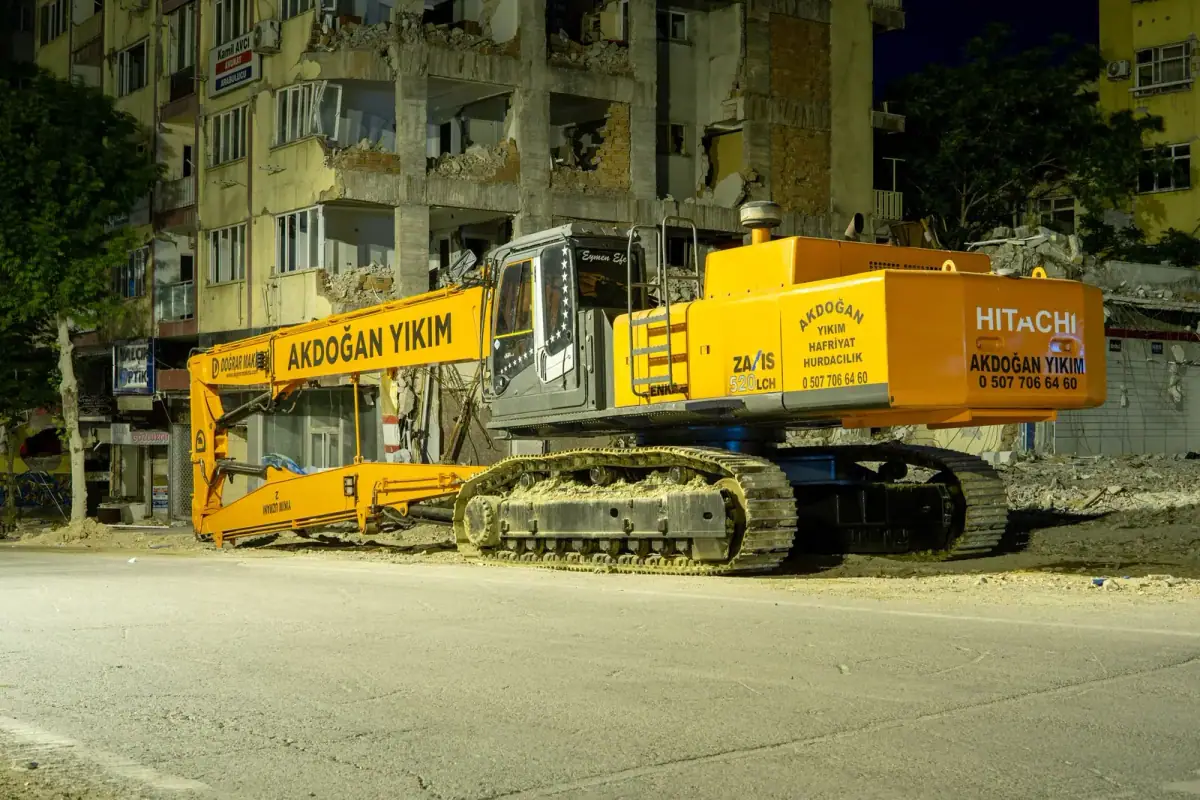
Tear-downs heavy in concrete, brick and metal, where most of the weight can be diverted.
Contractor add-on service
Containers, hauling and reporting for contractors who want to raise their diversion rates.
Salvage and reuse
Recovering doors, fixtures, timbers and equipment intact before demolition.
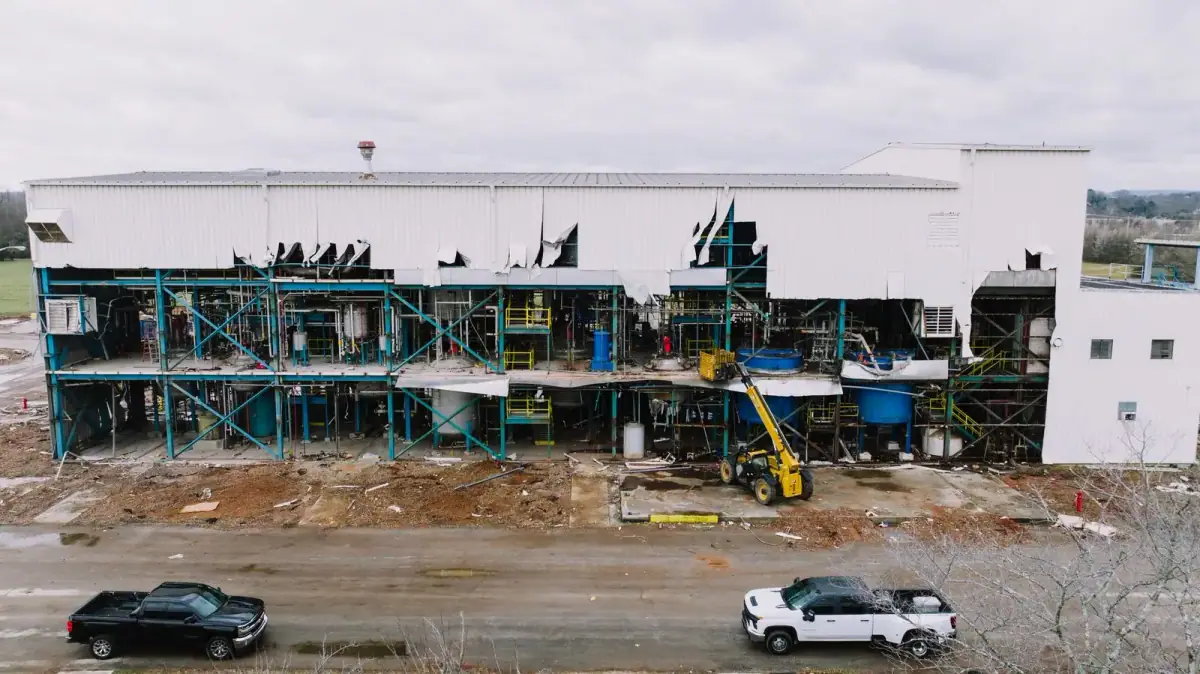
Scrap metal recovery
Structural steel, copper and aluminum recovered for a credit against cost.
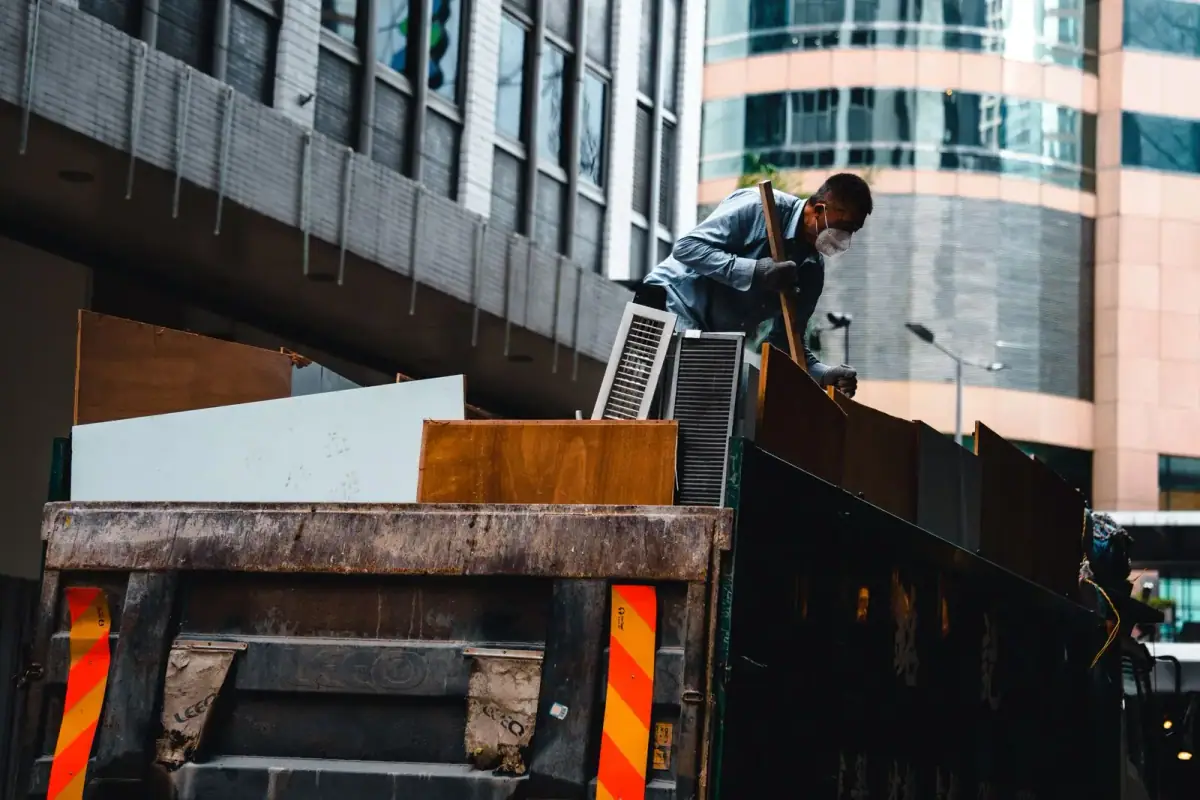
Clean-up and bulk debris
Sorting demolition and storm debris so recyclables stay out of the landfill.
What’s included in our recycling service
We run recycling as a documented program, not an afterthought. Every Alpha Demolish recycling program in North Carolina includes:
- 01Waste management plan.
A plan at the start of the project that identifies materials, targets and outlets.
- 02Salvage assessment.
Reusable doors, fixtures, timbers, brick and equipment identified for recovery first.
- 03On-site set-up.
Labeled containers and sorting areas arranged to suit the site.
- 04Source separation.
Materials sorted as they are generated for the highest diversion.
- 05Hauling to recyclers.
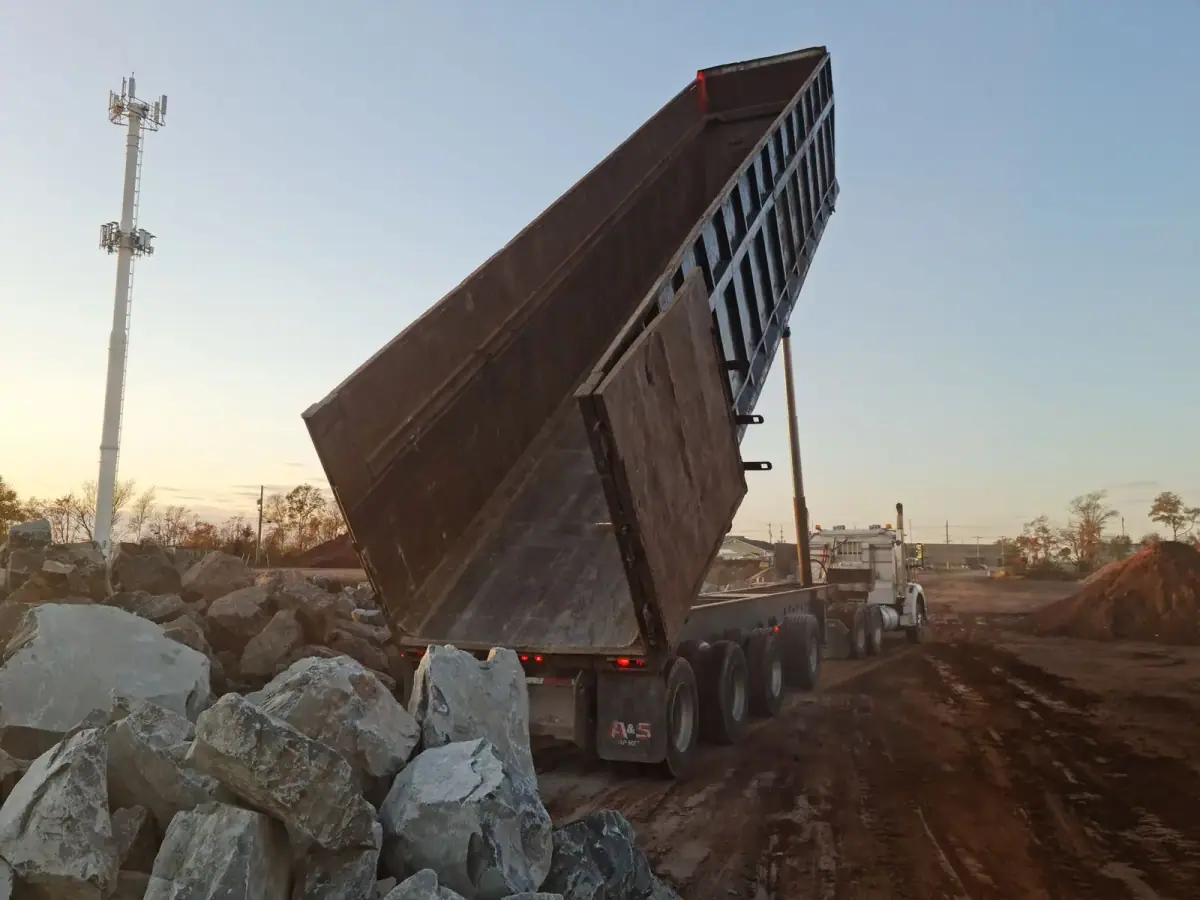
Loads taken to concrete crushers, scrap yards and material processors.
- 06Weight tickets.
A ticket for every load for verification.
- 07Diversion reporting.
Monthly and final reports by material, to your program’s method.
- 08Facility verification.
Recycler and facility names provided for audits and certification.
How our recycling program works, step by step
Every recycling program follows the same sequence, from plan to final diversion report.
Start
Plan
We identify materials, volumes, targets and outlets.
Mobilize
Set up
Containers and sorting areas are arranged on site.
Ongoing
Separate
Materials are sorted as they are generated.
Ongoing
Haul
Loads go to recyclers and facilities, with tickets.
Close-out
Report
Tonnage and diversion reports are delivered monthly and at close-out.
READY TO CLEAR THE SITE?
Tell us what needs to come down.
Send a few project details and our team will get back to you with the next steps.
Reporting and planning
Diversion reporting for LEED and ESG
Green building programs and many owners require documented construction waste diversion. We provide the paper trail.
- A waste management plan at project start
- Weight tickets for every load
- Monthly and final diversion reports by material
- Recycler and facility names for verification
- Diversion rate calculations to your program’s method
- Documentation for LEED credits
- ESG and corporate sustainability reporting
- Owner-specification compliance records
Writing a waste management plan
A good plan set at the start is what turns a diversion target into a documented result.
- Identify expected materials and quantities
- Set a diversion goal to your program
- Choose source separation, mixed, or a blend
- Confirm recyclers and outlets near the site
- Set up labeled containers and sorting areas
- Train the crew on separation
- Collect weight tickets throughout
- Report monthly and at close-out
How recycling affects your costs
Recycling is frequently cheaper than landfilling, and scrap metal earns a credit. The main factors are:
| Cost factor | Effect |
|---|---|
| Clean concrete and brick | Usually cheaper to recycle than to landfill. |
| Scrap metal | Earns a credit that offsets other costs. |
| Separation labor | Sorting on site takes time but lowers disposal fees. |
| Local outlets | Distance to recyclers affects hauling cost. |
| Contamination | Mixed or dirty loads cost more to process. |
| Reporting scope | Detailed LEED reporting adds a little administration. |
What your materials become
Most demolition materials have a second life. Here is where the main streams go:
| Material | What it becomes |
|---|---|
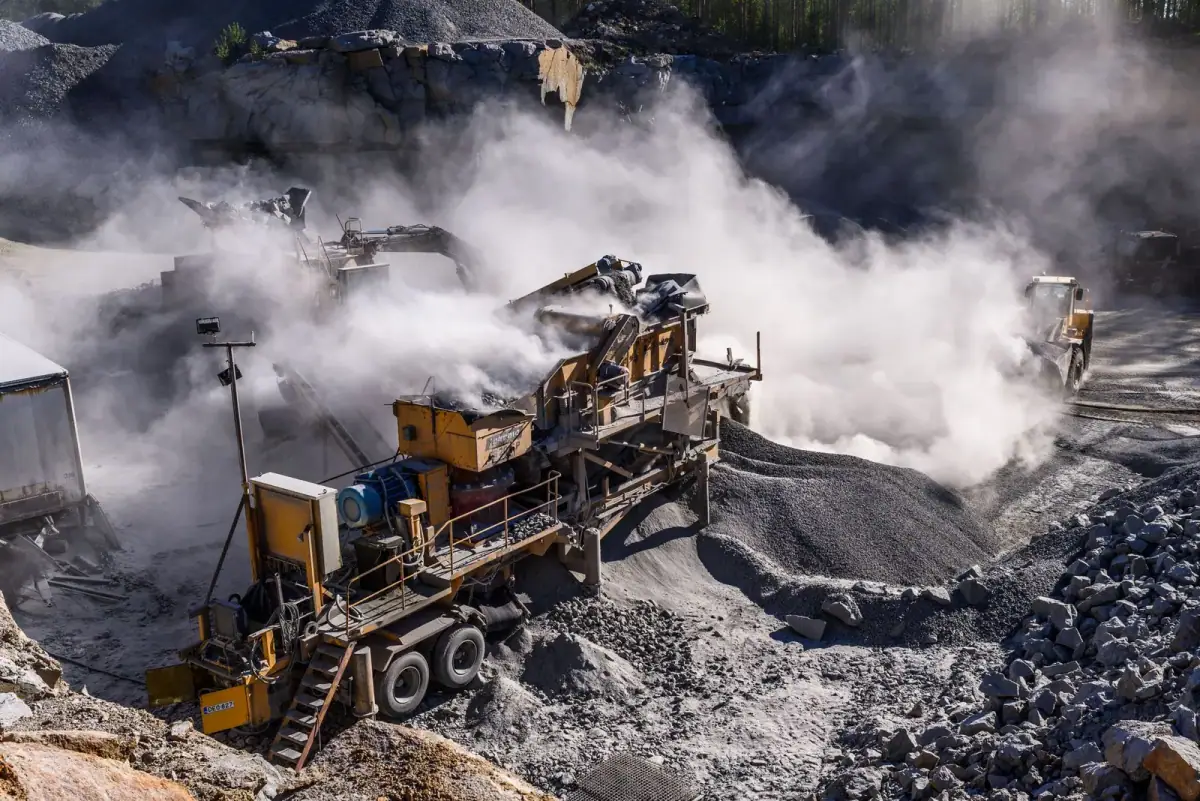
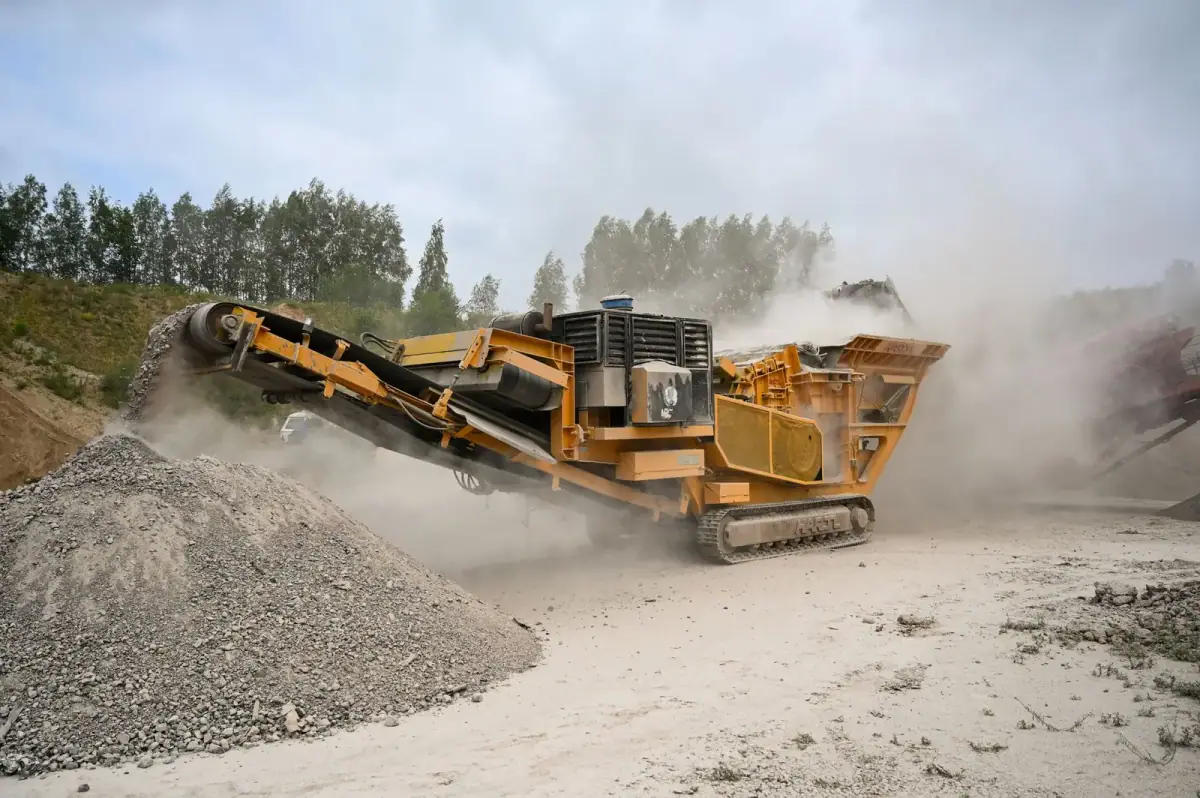
| Concrete and block | Crushed aggregate for road base, fill and drainage stone |
| Brick | Reclaimed brick for reuse, or crushed aggregate |
| Asphalt | Reclaimed asphalt pavement for new paving |
| Steel and iron | Scrap for new steel production |
| Copper, aluminum and brass | High-value scrap metal |
| Clean wood and pallets | Mulch, boiler fuel or reclaimed lumber |
| Cardboard and packaging | New paper products |
| Drywall and shingles | Processed where local facilities accept them |
Source separation, mixed recycling, or salvage
We choose the method that gives the best diversion for your site and project.
Source separation
Materials are sorted into separate containers on site for the highest diversion rates and best prices — ideal for demolition and larger projects.
Mixed (commingled) recycling
Mixed debris is hauled to a sorting facility that separates recyclables, needing less space on site — ideal for tight urban projects.
Salvage and reuse
Doors, fixtures, timbers, brick and equipment are removed intact for reuse before demolition begins.
Reuse keeps materials whole, which is even better than recycling. We identify what can be reused first, then recycle the rest.
Recycling and landfill rules in North Carolina
Recycling options vary across the state, and North Carolina bans a number of items from its landfills. We plan the route that gives the best diversion at the lowest cost:
- Concrete and metal outlets. Concrete crushers and scrap metal yards operate around every major North Carolina metro.
- Wood, drywall and shingles. These depend on local facilities, which vary by region; we confirm what is available near your project.
- Landfill bans. Tires, used oil, lead-acid batteries, white goods, electronics and yard waste are banned from North Carolina landfills and must be separated on every project.
- Regional planning. We know where each material can go in the Charlotte, Triangle, Triad, coastal and mountain regions.
- LCID and C&D facilities. Inert material goes to land-clearing and inert debris facilities; mixed C&D goes to construction and demolition landfills.
- Verification. Facility names and weight tickets are kept so your diversion can be audited.
A recycling program is only as good as its paperwork. We keep weight tickets and facility records for every load so your diversion rate holds up to a LEED audit or owner review.
Planning your recycling program
The best diversion comes from planning at the start. Helpful steps include:
GOT A DIVERSION TARGET?
Let’s hit your recycling goals
Tell us your project and diversion target and a specialist will put together a waste management plan and the reporting your program needs — no commitment needed.
Reuse before recycling
Recycling breaks materials down; reuse keeps them whole, which is even better. Before demolition, we recover:
- Fixtures and finishes. Doors, cabinets, lighting and flooring removed intact for sale, donation or reuse.
- Timbers and brick. Reclaimed heart pine, timbers and handmade brick, especially from older buildings.
- Equipment. HVAC units, generators and process equipment recovered for resale.
- Donations. Usable materials donated to reuse stores such as Habitat for Humanity ReStores, with documentation for your records.
Recovering materials for reuse reduces disposal, supports your diversion rate and can return value on the project.