Manufactured home removal in North Carolina
Manufactured homes are a big part of North Carolina’s housing, especially in rural counties and on family land. Older mobile homes eventually reach the end of their useful life: roofs leak, floors soften, frames rust, and storm damage or long vacancy makes them unsafe. Many were built before the 1976 federal HUD code and are not worth repairing or moving.
Alpha Demolish removes single-wide, double-wide and triple-wide mobile and manufactured homes across North Carolina. We make the utilities safe, remove the skirting, steps and attached decks, release the tie-downs, demolish the home, separate the steel frame for recycling and haul away everything else. We also explain the title, tax and permit steps so the home is properly taken off the record.
This page explains what our mobile home removal service includes, the title, tax and permit steps that apply in North Carolina, how the process works, what affects the cost and how to prepare your property.
When do you need a mobile home removed?
Landowners, heirs and park owners across North Carolina call us to remove a manufactured home for many reasons. The most common are:
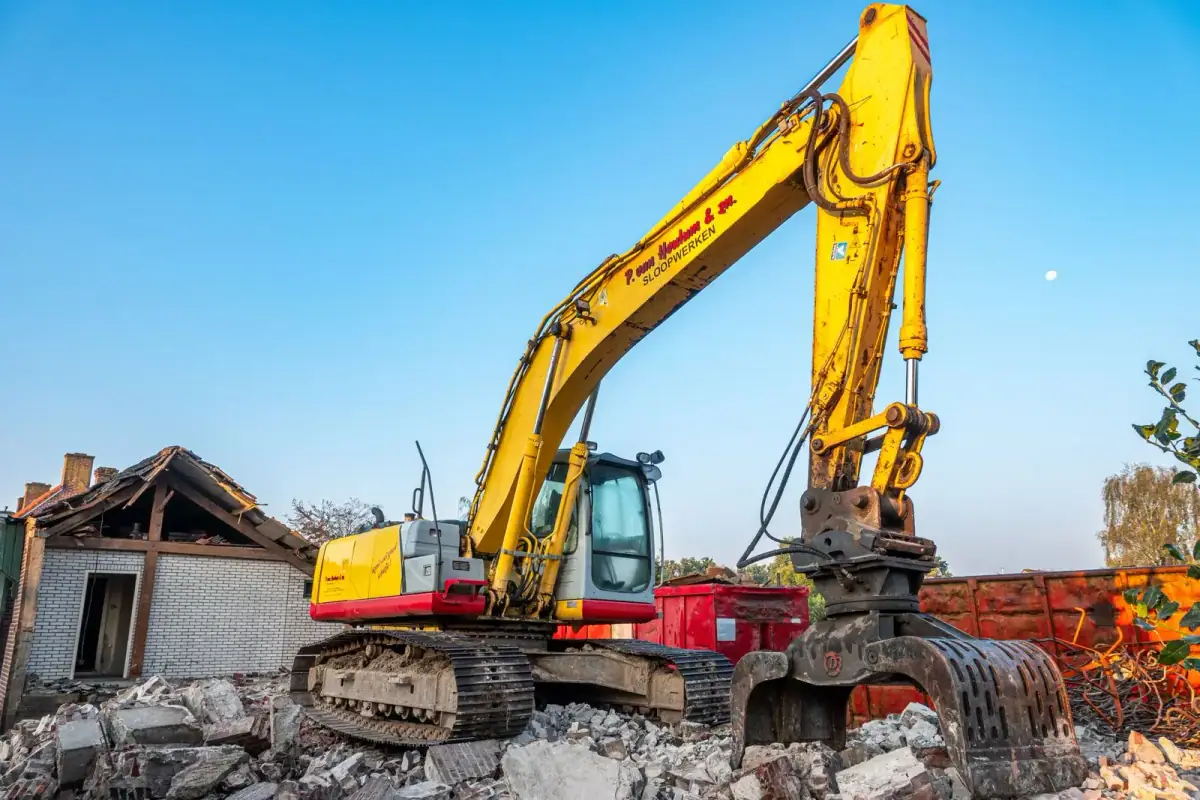
Replacing it with a new home
Removing the old unit is the first step to placing a new manufactured, modular or site-built home on the lot.
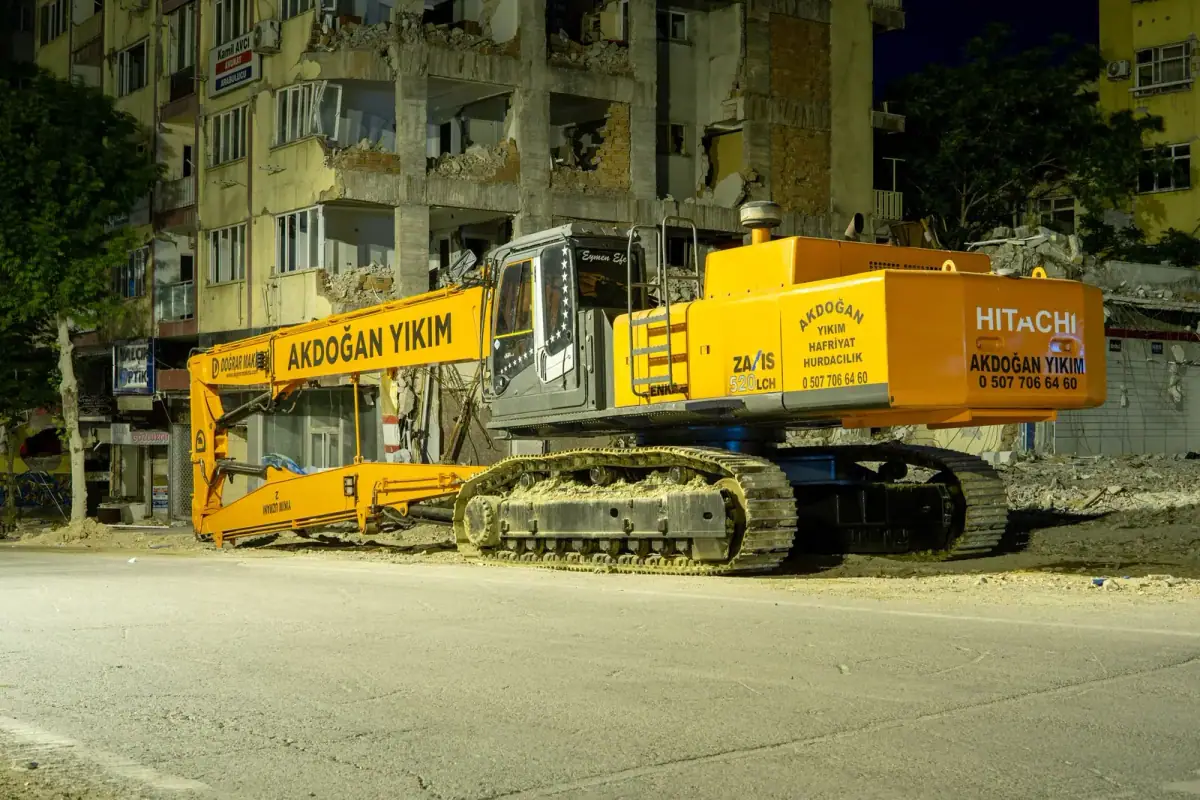
Vacant and deteriorating
Empty units attract pests, moisture and trespassers, and can become a liability for the landowner.
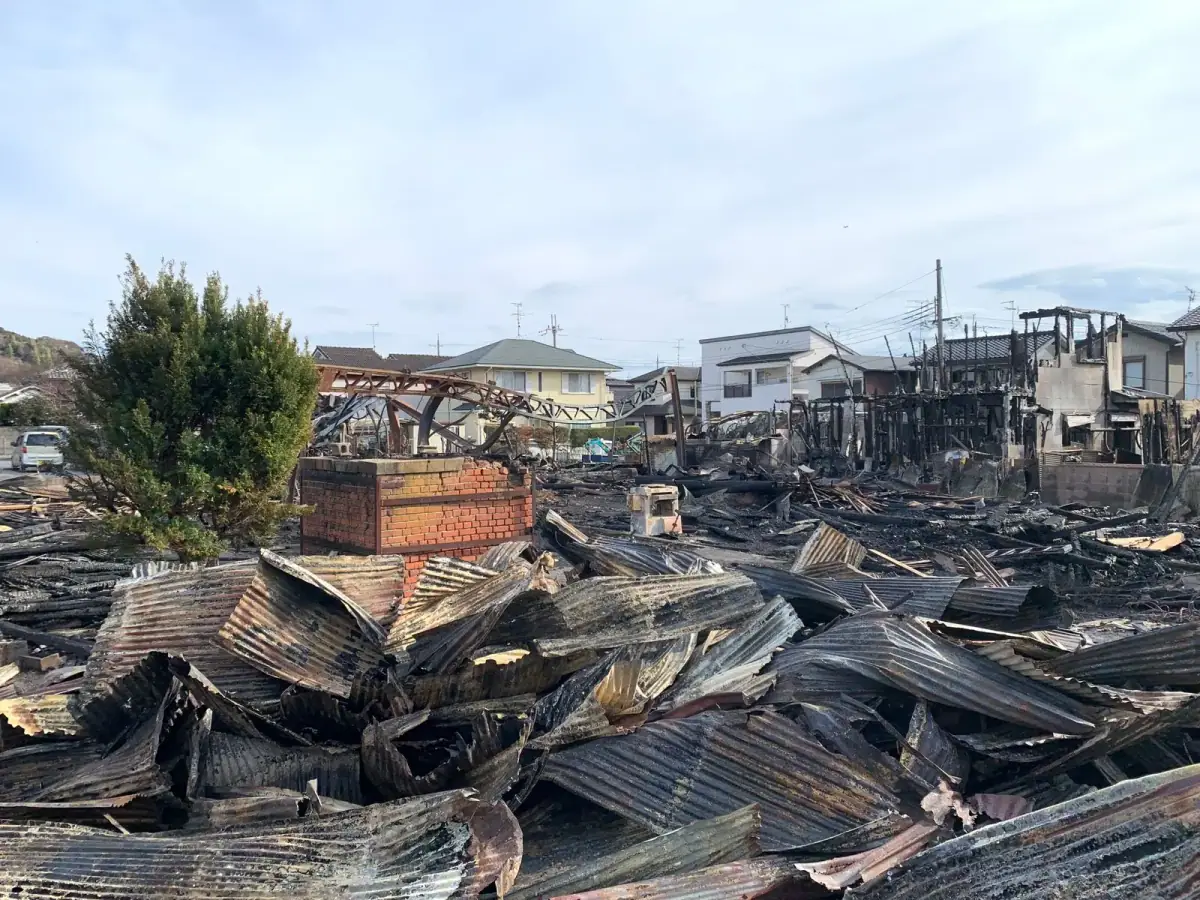
Storm and flood damage
Hurricanes, tropical storms and flooding frequently damage manufactured homes in North Carolina. Units declared a total loss need to be removed.
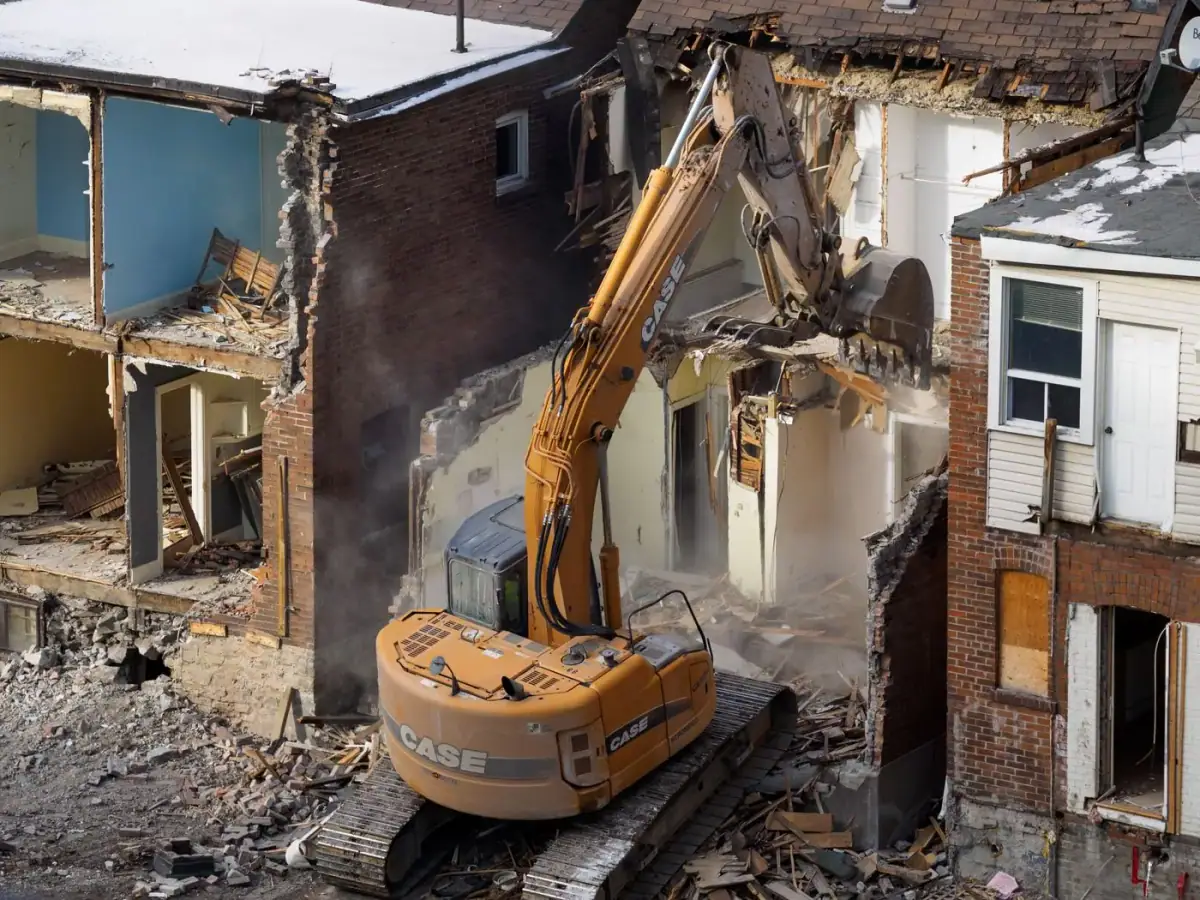
Estate and land sales
Heirs often remove an old mobile home before selling or dividing family land.
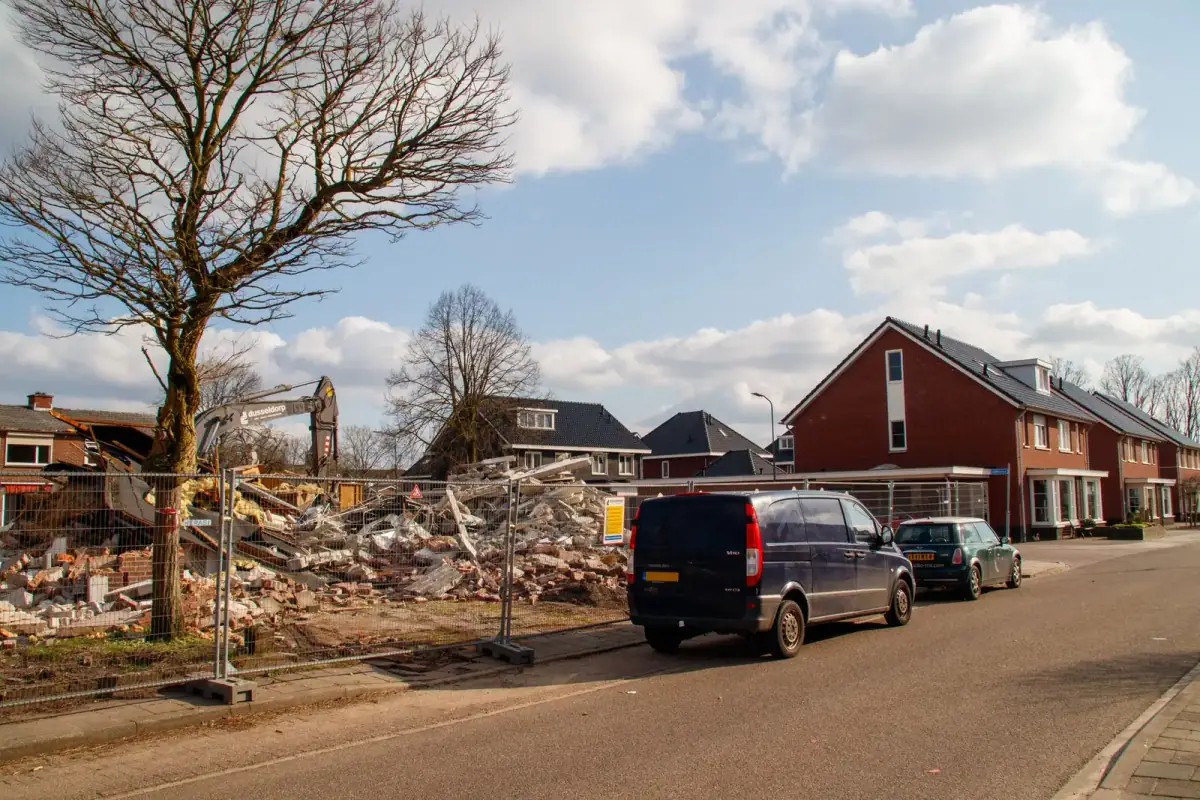
Mobile home park turnover
Park owners remove abandoned or end-of-life units between tenants or before redeveloping.

Code enforcement
Counties and cities may order unsafe or abandoned manufactured homes to be removed under minimum housing rules.
What’s included in our mobile home removal service
A complete mobile home removal is more than towing away a box. Every Alpha Demolish manufactured home removal in North Carolina includes the following scope, planned and priced up front:
- 01Site visit and fixed estimate.
We check the home, pad, access road and utilities, and price everything up front.
- 02Utility disconnects.
Electric service, water, sewer or septic connections, and propane or natural gas are disconnected and capped by the right parties.
- 03Propane tanks.
Tanks are returned to the supplier or removed safely.
- 04Clean-out.
Remaining furniture, appliances and trash are removed. Appliances and electronics are recycled, as North Carolina landfills do not accept them.
- 05Skirting, steps and decks.
Vinyl or metal skirting, wood steps, porches, ramps and decks are removed.
- 06Tie-down and anchor removal.
Straps and ground anchors, installed to meet North Carolina wind requirements, are released and pulled.
- 07Demolition.
The home is taken apart with an excavator and loaded directly into trucks and containers.
- 08Frame recycling.
The steel chassis, axles and other metals are separated and sent for scrap.
- 09Pad clean-up and grading.
Piers, blocks, runners and loose debris are removed and the pad is graded.
- 10Records.
Photos and disposal records for your title, tax and permit files.
Our mobile home removal process, step by step
Every removal follows the same proven sequence, scheduled in advance so you always know what is happening next.
Day 1
Visit and estimate
We inspect the home, pad, access and utilities and give you a fixed price, usually within a few business days.
Week 1–2
Paperwork
We confirm permit, asbestos and utility requirements and explain the DMV title and county tax steps.
Pre-demo
Disconnects
Utilities are disconnected and the propane supplier collects their tank.
Pre-demo
Strip-out
Contents, skirting, steps, decks and tie-downs are removed.
Demo day
Demolition
The home is demolished and loaded, and the steel frame is separated for recycling.
Handover
Final grade and handover
The pad is cleaned and graded, and you receive photos and disposal records.
READY TO CLEAR THE SITE?
Tell us what needs to come down.
Send a few project details and our team will get back to you with the next steps.
What we remove and how we protect the site
Units and structures we remove
Newer, well-kept homes can sometimes be sold and relocated by a licensed mover; older, damaged and pre-1976 units are almost always demolished. We give an honest assessment on site.
- Single-wide manufactured homes
- Double-wide and triple-wide homes
- Pre-1976 mobile homes
- Storm- and flood-damaged units
- Built-on rooms, porches, decks and carports
- Skirting, steps, ramps and tie-downs
- Block piers, concrete runners and pads
- Abandoned units in mobile home parks
Septic, wells and site protection
Many NC manufactured homes sit on a septic system and private well, which must be protected or properly closed.
- Heavy equipment kept off drain fields
- Septic tank and well marked before work starts
- Septic protected if a new home will reuse it
- Tank pumped and closed if it is abandoned
- Unused wells permanently abandoned to state rules
- Access planned so trucks do not sink in wet clay
- Work zone kept clear of neighboring homes
- General liability and workers’ comp insurance
Mobile home removal cost in North Carolina
Mobile home removal is usually priced per unit, based on size and what is attached to it. We give a fixed, itemized quote after seeing the home.
| Cost factor | Why it matters |
|---|---|
| Size | Single-wides are quicker and cheaper to remove than double- or triple-wides. |
| Additions | Built-on rooms, porches, decks and carports add time. |
| Contents | Homes full of furniture and trash take longer to clear. |
| Asbestos | Abatement adds cost if asbestos-containing materials are found. |
| Site access | Remote sites, soft ground and long private roads affect equipment and trucking. |
| Septic and well closure | Abandoning a septic tank or private well is a separate line item. |
| Scrap value | Recycled steel from the frame can offset part of the cost. |
How long does mobile home removal take?
The removal itself is fast: most single-wides come out in a day and double-wides in one to two days. As with any demolition, the paperwork and disconnects usually take longer than the physical work.
| Stage | Typical duration |
|---|---|
| Site visit and estimate | A few business days |
| Asbestos inspection (if required) | About 1–2 weeks |
| Permit approval | A few days to 2 weeks, by county |
| Utility disconnects and propane pickup | 1–2 weeks, depending on providers |
| Single-wide demolition and haul-off | Usually 1 day |
| Double-/triple-wide demolition | 1–2 days |
| Pad clean-up and grading | Same day |
What to do with the lot afterward
Once the home and pad are gone, the lot is a blank slate. The most common next steps for our North Carolina customers are:
Place a new manufactured home
Check county rules for setbacks, foundations and septic capacity before ordering a new home for the pad.
Build a site-built or modular home
The pad can be prepared for a new foundation; we confirm septic and well suitability with the county first.

Sell or clear the land
A cleared, graded lot is easier to sell or return to open land. We grade and seed the pad so it blends back into the property, and keep your removal records for buyers.
Title, tax and permit steps in North Carolina
Manufactured homes are treated differently from site-built homes in North Carolina, so there are a few extra steps when one is removed. We confirm what applies to your home during the estimate:
- DMV title. Many manufactured homes in North Carolina carry a title from the NC Division of Motor Vehicles. When a titled home is demolished, the title should be cancelled or surrendered so the home is no longer on record in your name. You will usually need the title, or other proof of ownership, before demolition.
- Homes converted to real property. If the home was permanently attached to the land and its title was cancelled when it became real property, it is listed with the land. Its removal should be reported to the county tax office so the property is revalued.
- County property tax. North Carolina counties tax manufactured homes. Tell your county tax office when the home is removed so you are not billed for it next year. The photos and disposal records we provide serve as proof.
- Demolition or removal permit. Many counties and cities require a permit, and some ask for proof that utilities are disconnected and the septic system is handled correctly.
- Asbestos inspection. Older manufactured homes can contain asbestos in floor tiles, ceiling panels, roof coatings, duct wrap and window glazing. Many permit offices require an inspection by an NC-accredited inspector before demolition.
- Abandoned manufactured home programs. Some North Carolina counties run abandoned manufactured home removal programs supported by state grants. If a unit is abandoned, your county solid waste or planning office can tell you whether help is available.
Mobile homes on family land often have unclear or lost titles. We can explain the options, but ownership should be confirmed with the NC DMV or an attorney before any home is demolished.
How to prepare for mobile home removal
A little preparation keeps your project on schedule. Before removal day:
NOT SURE YET?
Let’s talk through your mobile home project
Every unit and lot is different. Call us or send a few details and a project specialist will walk you through options, paperwork, timing and a ballpark cost — no commitment needed.
Debris removal and recycling
A surprising amount of a manufactured home can be recycled rather than landfilled. We sort materials as we remove them:
- Steel frame and metals. The chassis, axles, hitch, aluminum siding and wiring are separated and sent to scrap recyclers, often offsetting part of the cost.
- Appliances and electronics. Recycled separately. North Carolina bans white goods and many electronics from landfills.
- Concrete piers and runners. Block and concrete are crushed and reused as aggregate and fill.
- Mixed debris. Remaining materials go to permitted construction and demolition facilities.
We keep weight tickets and disposal records, which support your title cancellation, tax listing update and any recovery program paperwork.