Industrial demolition across North Carolina
North Carolina’s industrial history is written across the state in brick and steel: textile mills along Piedmont rivers, furniture plants around High Point and Hickory, tobacco warehouses in Durham and Winston-Salem, and manufacturing plants in nearly every county. As industries have changed, many of these facilities have closed, and their sites are being cleared for new industrial parks, logistics centers, housing and mixed-use development.
Alpha Demolish decommissions and demolishes industrial facilities across North Carolina. Industrial work goes far beyond knocking down a building. Process systems must be isolated and cleaned, heavy machinery removed, tanks and pits closed, contamination managed, and large volumes of steel and concrete processed. We plan each step with owners, engineers and environmental consultants.
This page explains what our industrial demolition service includes, how decommissioning and brownfield coordination work, how scrap value offsets cost, what affects pricing and what we need to quote your project.
Industrial facilities we demolish
We decommission and demolish industrial facilities of every kind across North Carolina:
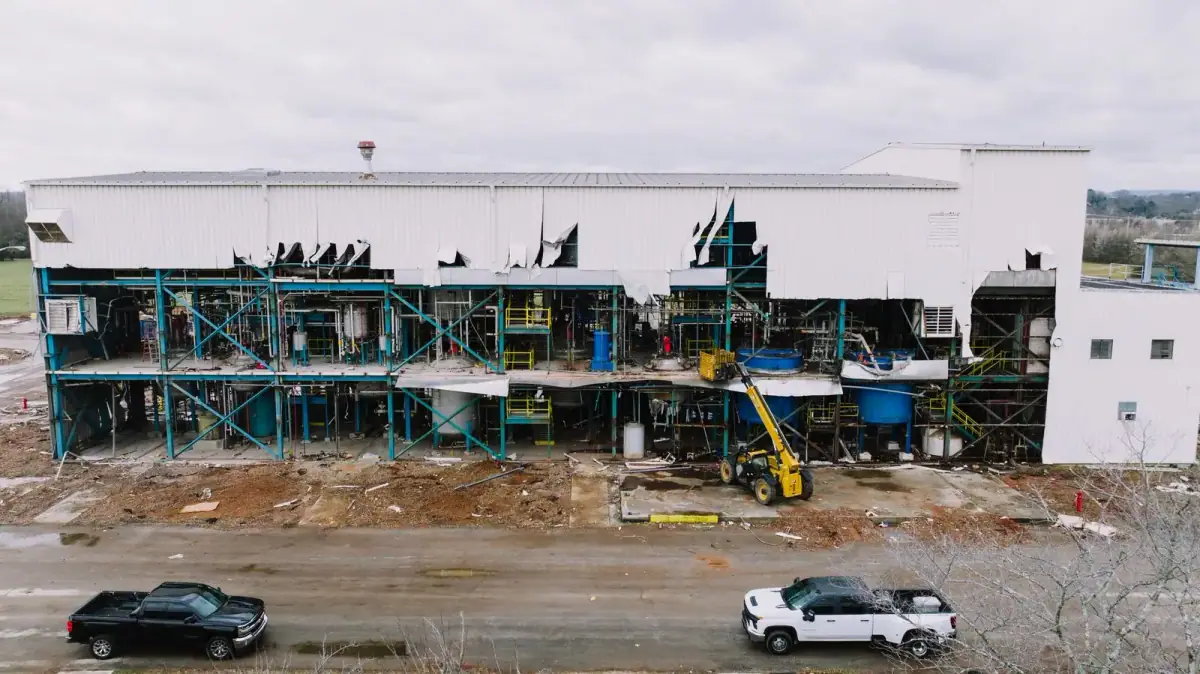
Textile and yarn mills
Multi-story brick mills with heavy timber or concrete floors, often with salvageable heart pine and brick.
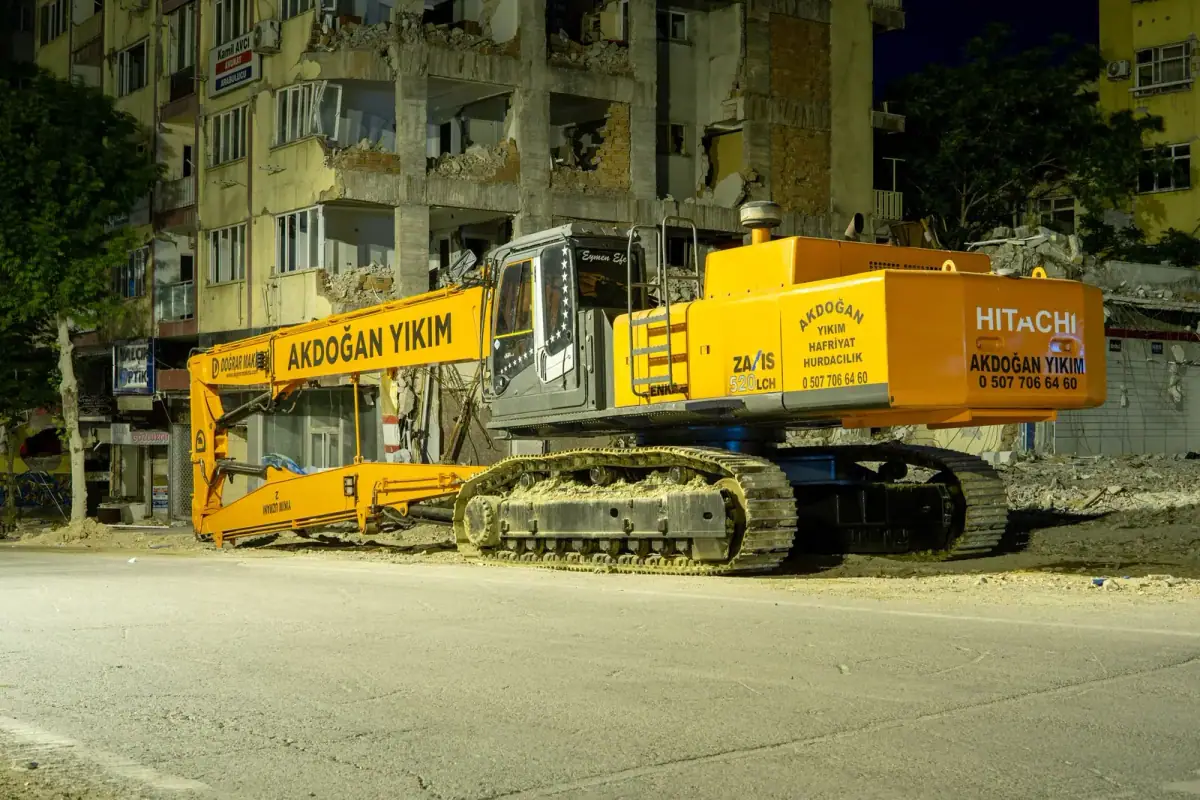
Furniture and wood plants
Large single-story plants with dust collection systems, finishing rooms and kilns.
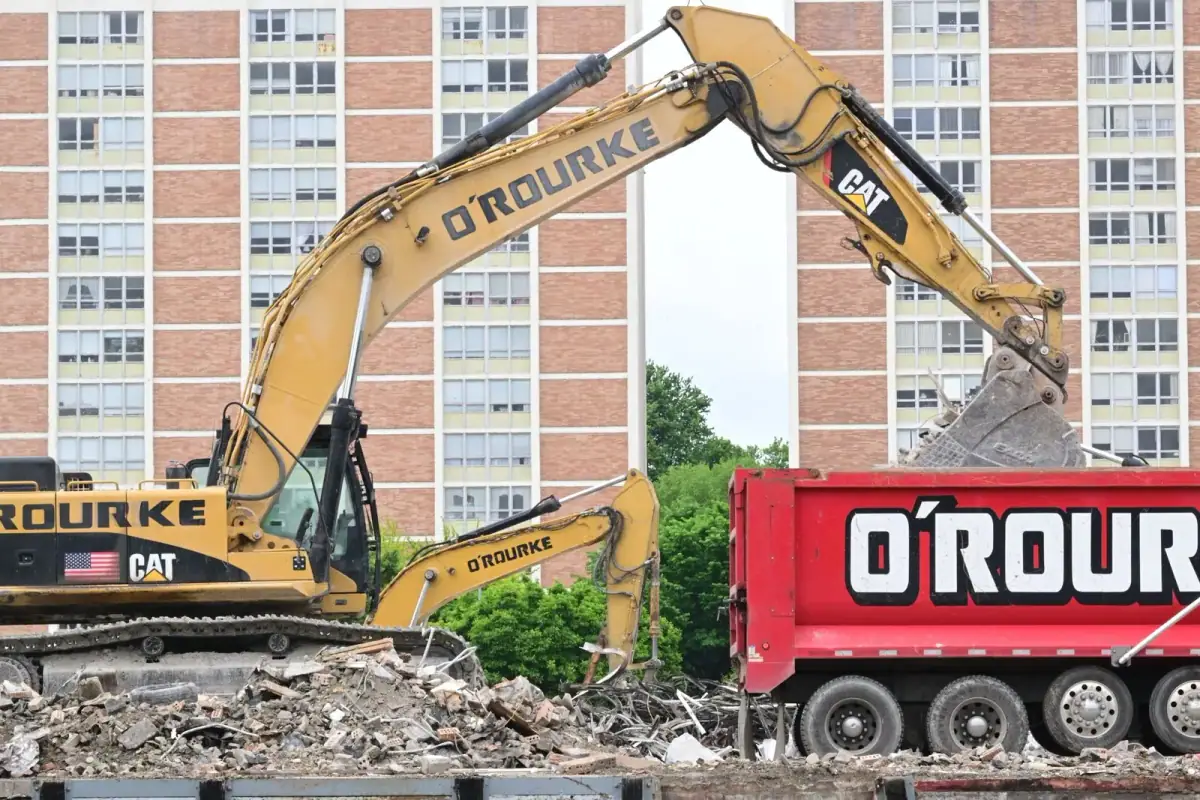
Manufacturing plants
Metal fabrication, automotive, plastics and electronics plants with process equipment and utilities.
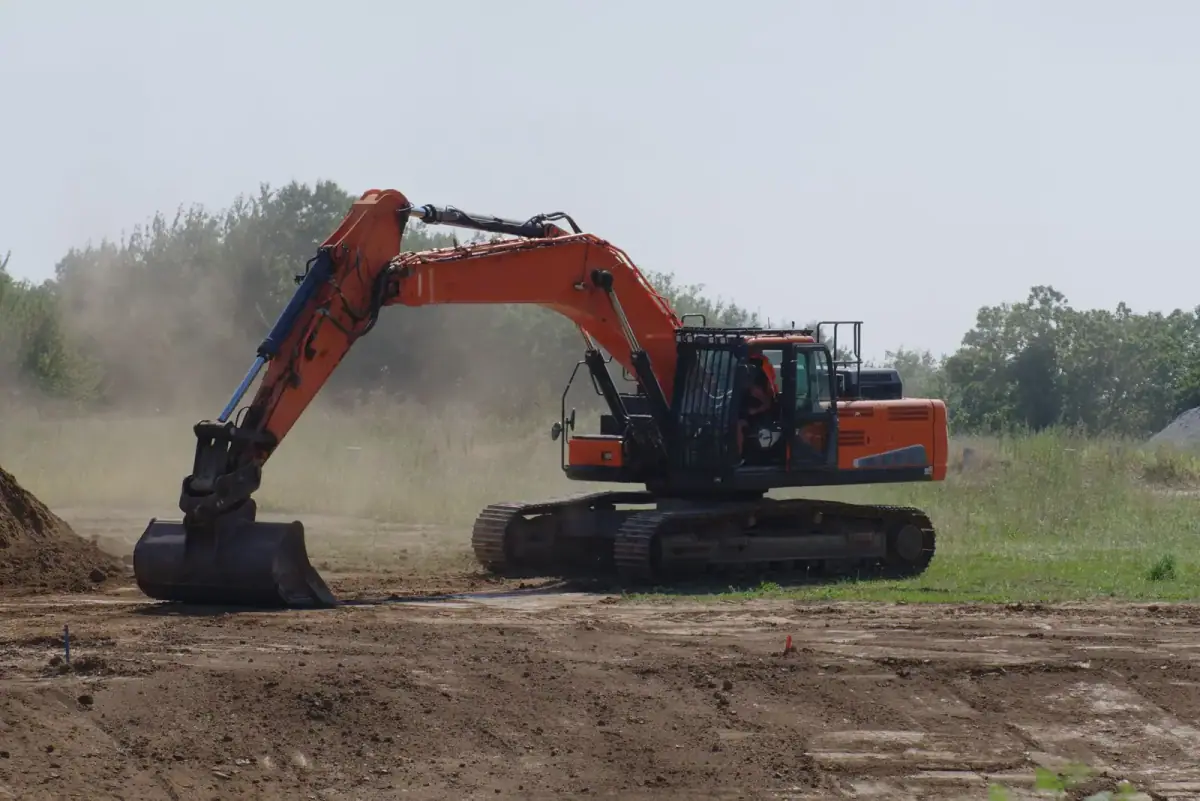
Warehouses and distribution
Tilt-up and pre-engineered steel buildings with large slabs.
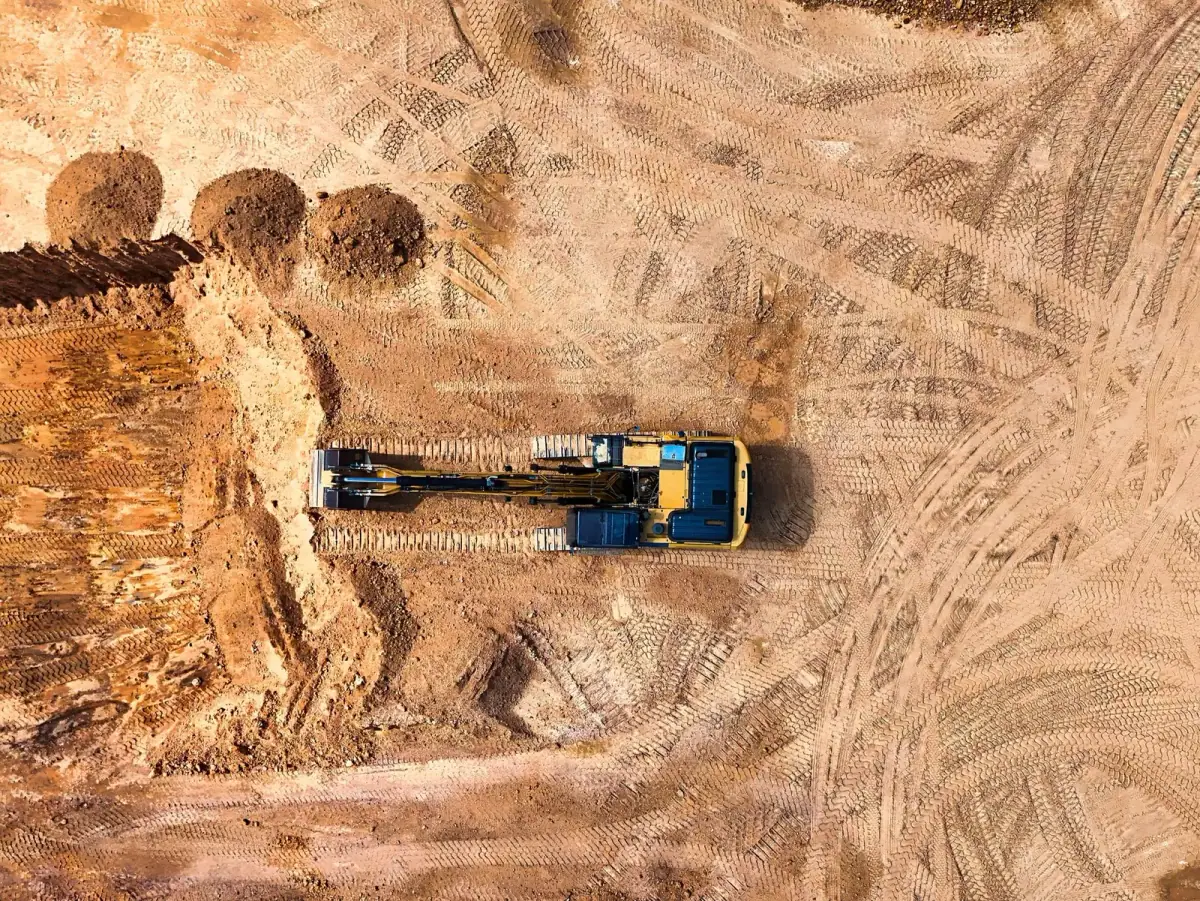
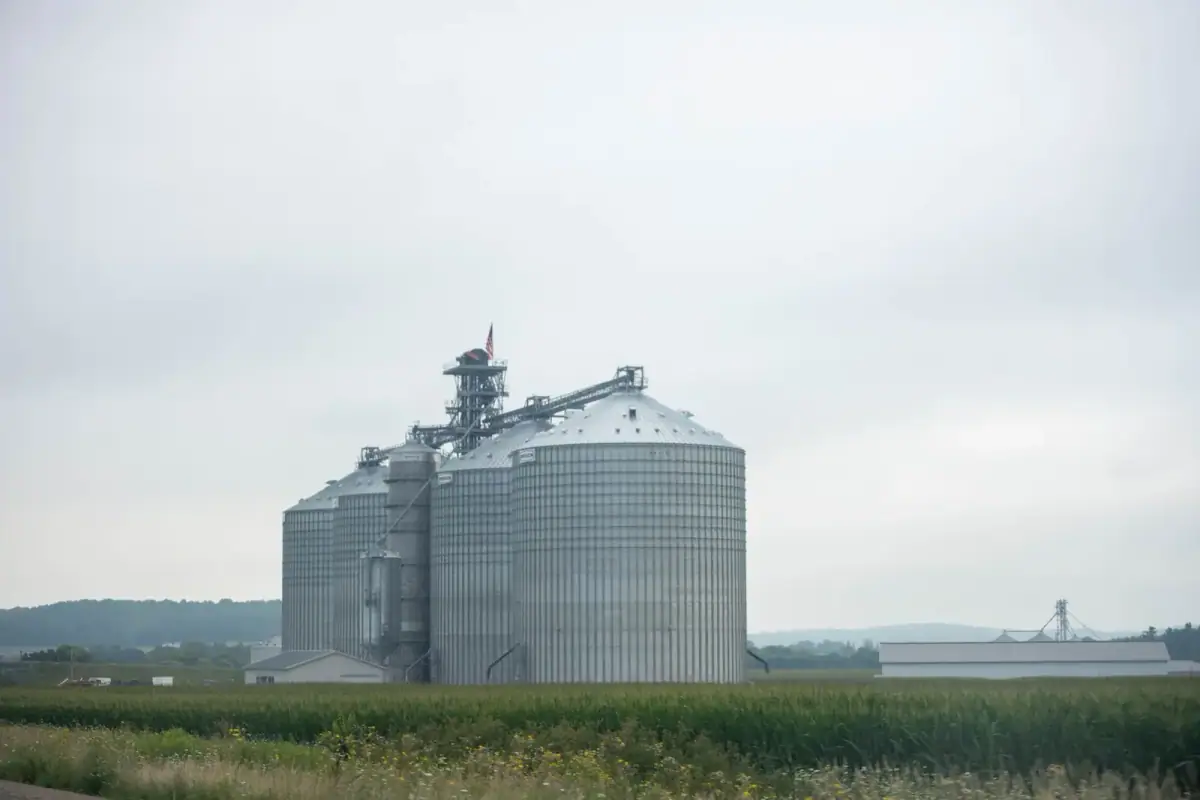
Food and ag processing
Poultry, pork, tobacco and grain facilities with refrigeration and wastewater pretreatment.
Utility and power facilities
Boiler houses, stacks, cooling structures and support buildings.
What’s included in our industrial demolition service
Industrial demolition is a managed program from decommissioning to site closure. Every Alpha Demolish industrial project in North Carolina includes:
- 01Engineering survey and demolition plan.
Structural review, phasing and a site-specific safety plan.
- 02Hazardous materials abatement.
Asbestos, lead paint, PCB equipment, mercury devices and residues surveyed and removed.
- 03Decommissioning.
Utilities and process systems isolated, drained and cleaned before demolition.
- 04Equipment and machinery removal.
Heavy machinery rigged out and sold or recycled.
- 05Tank, pit and sump closure.
Cleaned, sampled where required and closed.
- 06Structural demolition.
Buildings, stacks and structures taken down with heavy and high-reach equipment.
- 07Slab and foundation handling.
Removed and recycled, or retained as an environmental cap where the plan requires.
- 08Recycling and reporting.
Steel, metal and concrete diverted, with tonnage reporting.
- 09Site closure.
Stormwater and erosion control, grading and close-out documentation.
Our industrial demolition process, step by step
Every industrial project follows the same phased sequence, with decommissioning and abatement completed before structural work begins.
Phase 1
Assessment
Site walk, review of drawings, environmental reports and equipment lists.
Phase 1
Planning
Demolition plan, safety plan, permits, notifications and salvage strategy.
Phase 2
Decommissioning
Systems isolated, drained and cleaned; hazardous materials removed.
Phase 3
Equipment removal
Machinery and salvage removed and sold or recycled.
Phase 4
Structural demolition
Buildings, stacks and structures taken down in sequence.
Handover
Site closure
Foundations handled per the environmental plan, site graded and documented.
READY TO CLEAR THE SITE?
Tell us what needs to come down.
Send a few project details and our team will get back to you with the next steps.
Decommissioning and site safety
Decommissioning before demolition
An industrial building is only safe to demolish after its systems are made safe. Our decommissioning covers every source of stored energy and residue.
- Electrical, gas, steam, air and hydraulic lockout
- Process lines and tanks drained, cleaned and cut safely
- Ammonia and refrigerants recovered by technicians
- Pits, sumps and trenches cleaned and closed
- Asbestos, lead paint and PCB equipment removed
- Mercury devices and chemical residues characterized
- Confined-space entry under permit procedures
- Residues disposed of at permitted facilities
Working on active campuses
Many industrial demolitions happen next to operating buildings and processes. We work inside the owner’s safety system.
- Contractor orientation and permit-to-work
- Hot work permits and fire watches
- Demolition areas separated from operating areas
- Truck traffic kept apart from plant traffic
- Coordination with plant emergency response
- Daily contact with operations and environmental staff
- Site-specific safety plan under NC OSH rules
- General liability and workers’ comp insurance
What affects industrial demolition cost
Industrial demolition is priced from a detailed scope after a site walk and review of drawings, environmental reports and equipment lists. Scrap recovery is credited back so you see the net cost.
| Cost factor | Why it matters |
|---|---|
| Size and structure | Multi-story mills and heavy concrete take more time than steel warehouses. |
| Hazardous materials | Asbestos, lead, PCBs and process residues can be major cost items. |
| Equipment | Heavy machinery removal and rigging add scope, but may also add salvage value. |
| Environmental conditions | Contaminated soil and brownfield requirements affect methods and disposal. |
| Decommissioning | Isolating and cleaning process systems is a significant phase. |
| Scrap credit | Steel and metal recovery reduce the net price. |
Typical industrial project phases
On industrial projects, decommissioning and abatement often take as long as the demolition itself. Planning all phases up front protects the schedule.
| Phase | What happens |
|---|---|
| Planning | Surveys, engineering, permits, notifications and salvage strategy |
| Decommissioning | Isolation, draining, cleaning and refrigerant recovery |
| Abatement | Asbestos, lead, PCBs and residues removed |
| Equipment removal | Machinery rigged out and sold or recycled |
| Structural demolition | Buildings, stacks and structures removed |
| Closure | Foundations, grading and environmental documentation |
Scrap, salvage and environmental options
Industrial sites hold real value and real environmental obligations. We plan the work to recover the first and support the second.
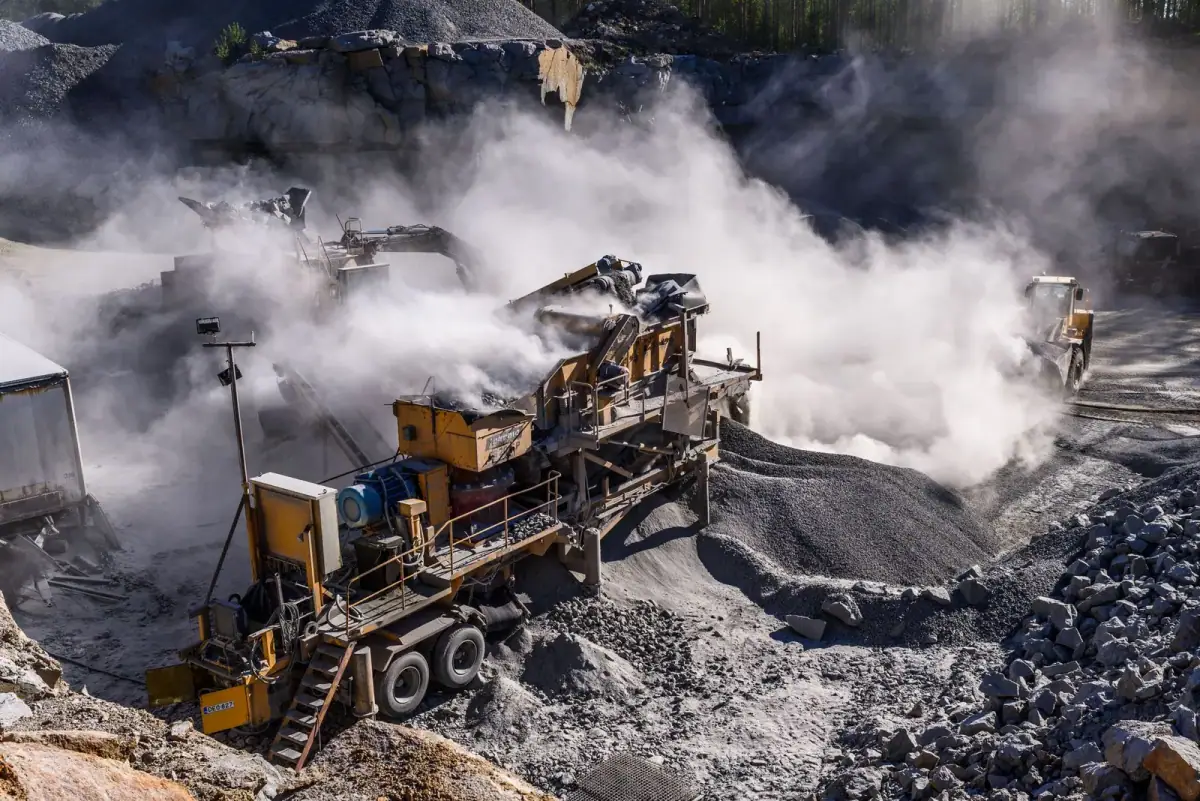
Scrap and salvage recovery
Structural steel, machinery, copper, transformers and stainless equipment — plus reclaimed heart pine, timbers and handmade brick from old mills — recovered and credited against the price.
Brownfields coordination
We work alongside your environmental consultant and any NC DEQ brownfields agreement so demolition supports the environmental plan.
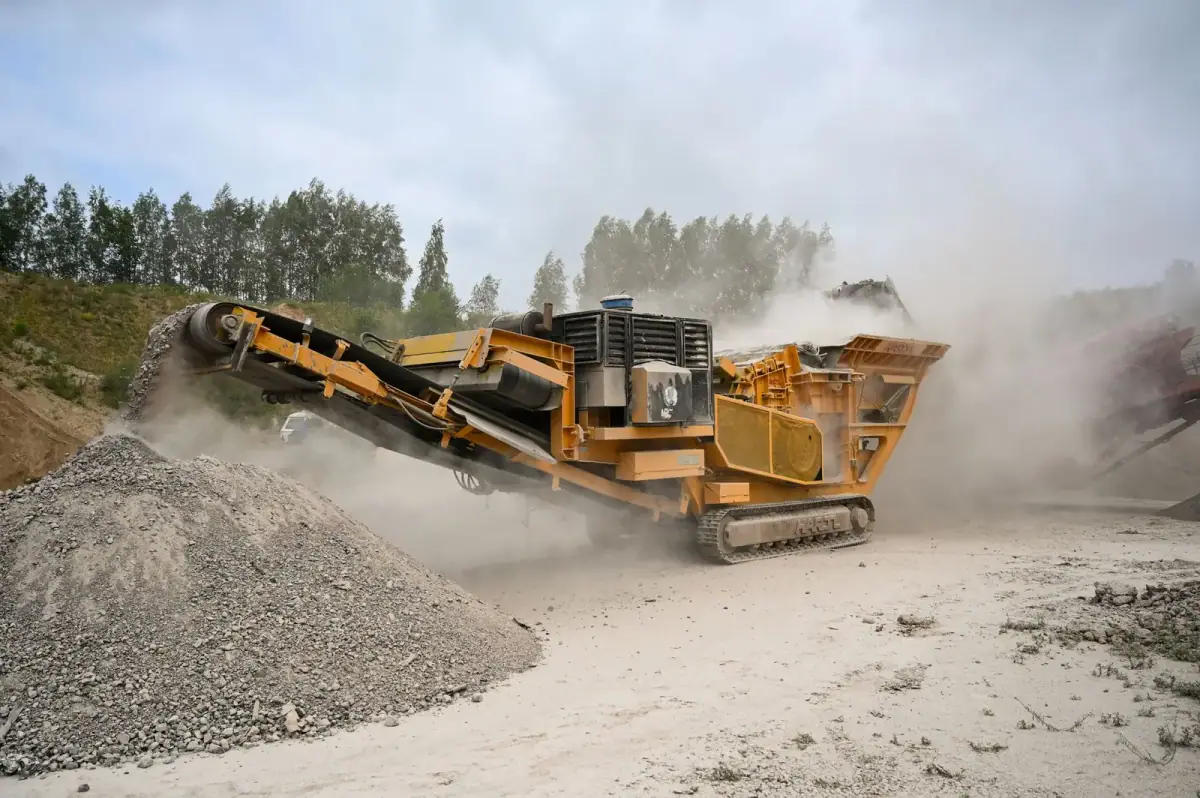
Slab retention as a cap
Where the environmental plan uses the slab as a cap, or a new project can reuse it, we leave it in place instead of removing it.
We identify recovery value during our assessment and credit it against the project price, so you see the real net cost.
Environmental, safety and compliance
Former industrial sites carry environmental and safety obligations that shape the demolition. We manage the compliance in coordination with your consultants:
- Hazardous materials. Asbestos, lead paint, PCB-containing equipment, mercury devices and chemical residues are surveyed and abated before demolition.
- Brownfields program. The NC DEQ Brownfields Redevelopment Section offers agreements that limit liability for prospective developers, in exchange for measures that make the site safe for its new use. Demolition follows those requirements.
- Refrigerant recovery. Ammonia and other refrigerants are recovered by qualified technicians before equipment is removed, as federal rules require.
- Tank, pit and sump closure. Tanks, pits and sumps are cleaned, sampled where required and closed under the applicable rules.
- Worker safety. A site-specific safety plan is prepared under the NC Department of Labor’s state OSH demolition standards, including a pre-demolition engineering survey.
- Stormwater and erosion. Erosion and stormwater controls are installed and maintained throughout demolition.
On contaminated sites, demolition has to support the cleanup, not complicate it. We coordinate soil handling, monitoring-well protection and slab retention with your consultant and NC DEQ.
What we need to price your project
The more we have up front, the faster and tighter your proposal. Helpful items include:
PLANNING A PROJECT?
Let’s scope your industrial demolition
Send your drawings, environmental reports and equipment list and a project manager will prepare a phased plan and a net price after scrap credit — no commitment needed.
Scrap, salvage and recycling
Industrial buildings contain valuable, highly recyclable materials, and recovery can offset a significant part of the cost:
- Structural steel and metals. Steel framing, machinery, copper wiring, bus bars and stainless equipment go to scrap and salvage markets.
- Concrete. Slabs, foundations and masonry are crushed into recycled aggregate.
- Reclaimed timber and brick. Heart pine timbers, flooring, handmade brick and architectural features from old mills are in high demand.
- Diversion reporting. We track recycled and disposed tonnage for green building and ESG reporting.
Recovery value is identified in our assessment and credited against the project price, so you see the real net cost.