Infrastructure demolition across North Carolina
The systems that keep North Carolina running, from water towers and treatment plants to transmission towers, substations, fuel terminals and rail structures, all eventually reach the end of their life. Removing them safely takes more than demolition equipment. It takes careful isolation from live systems, control of hazardous coatings and equipment, and close coordination with the owner’s operations.
Alpha Demolish dismantles infrastructure for utilities, municipalities, energy companies and contractors across the state. We work to the owner’s outage schedules and permit-to-work procedures, and handle removal, recycling and site restoration.
This page explains what our infrastructure demolition service includes, the hazards specific to this work, how we coordinate with asset owners, what affects the cost and what we need to plan the removal.
Infrastructure we remove
We dismantle utility, energy, water and transportation infrastructure of every kind across North Carolina:
Elevated water tanks
Steel water towers and standpipes, often with lead-based coatings on older tanks.
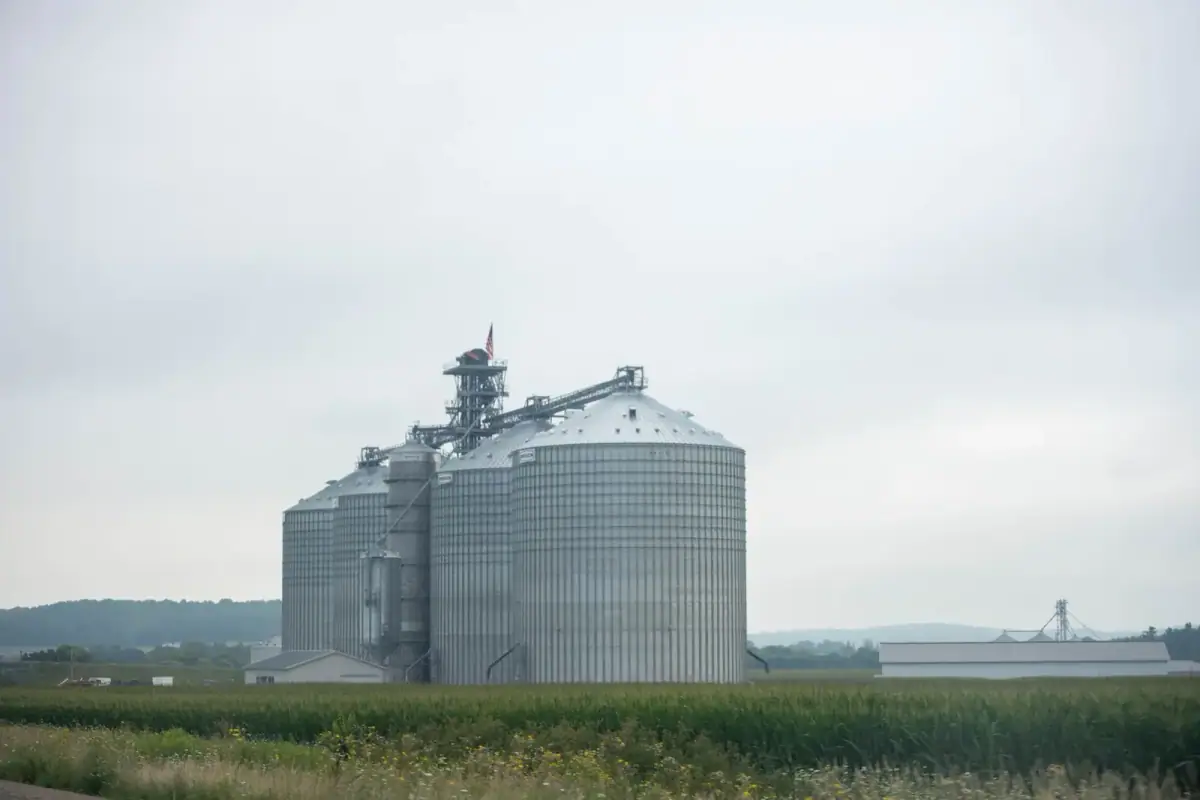
Fuel and storage tanks
Aboveground storage tanks at terminals, plants and farms, cleaned and cut down.
Towers and poles
Transmission, communication and lighting towers and structures.
Substations and switchyards
Equipment, structures, foundations and ground grids after de-energizing.
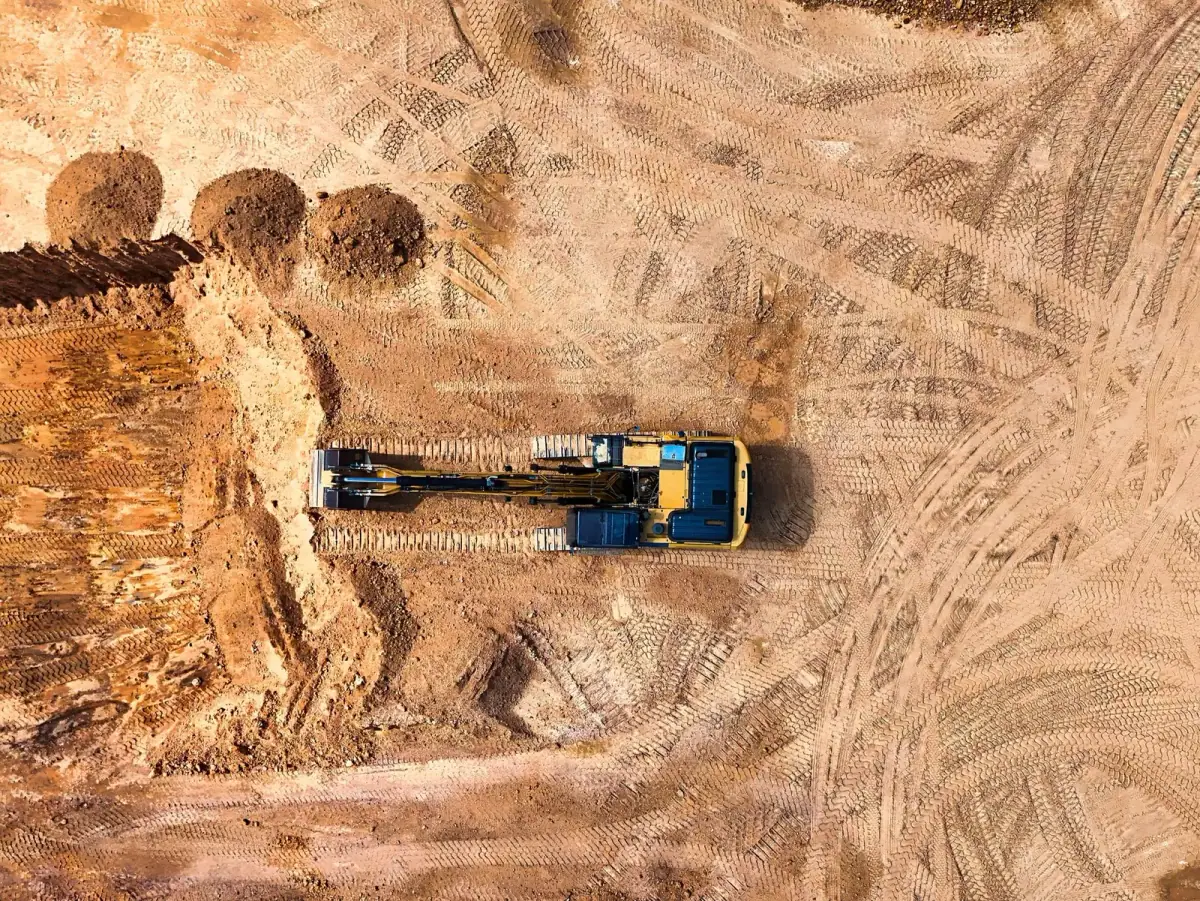
Water and wastewater plants
Clarifiers, basins, filters, pump stations and buildings.
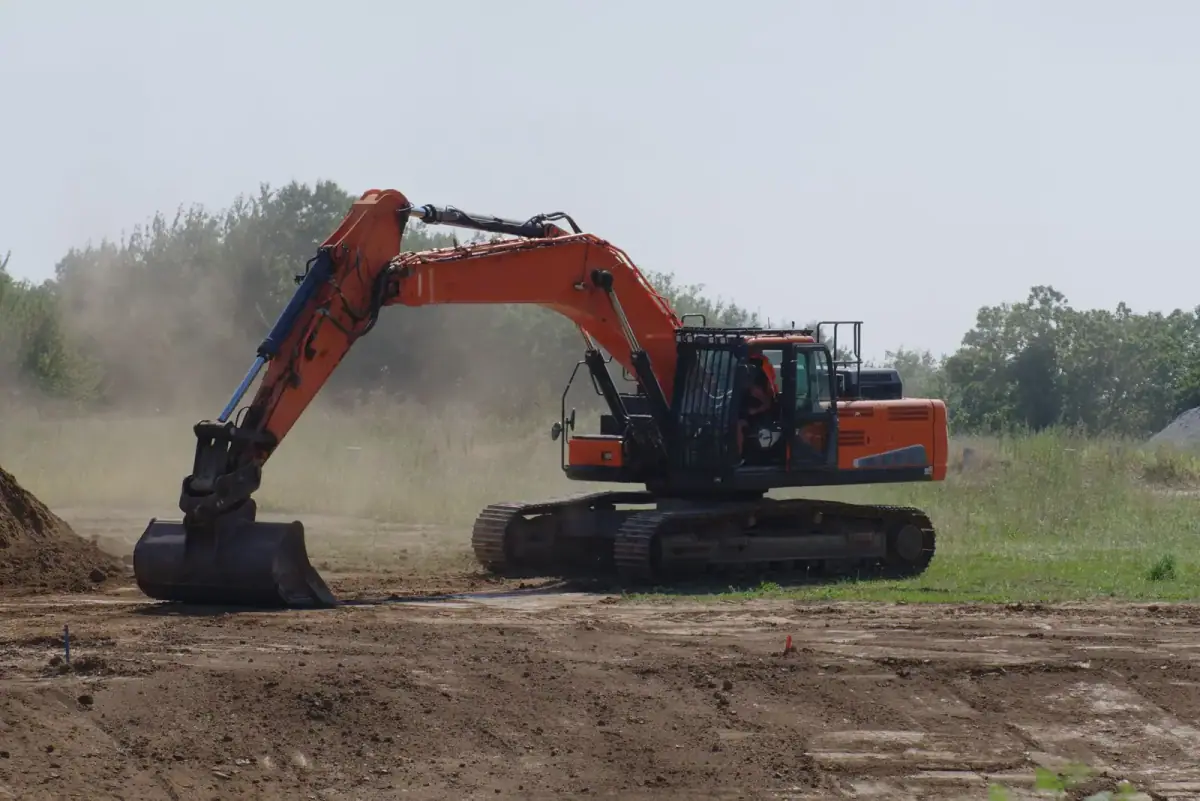
Pipelines and rail structures
Abandoned pipelines, trestles, platforms and support structures.
What’s included in our infrastructure demolition service
Infrastructure removal is a managed program built around isolation, hazards and the owner’s operations. Every Alpha Demolish infrastructure project in North Carolina includes:
- 01Site survey and removal plan.
Asset review, drawings, hazardous materials data and site access.
- 02Hazardous materials testing.
Lead coatings, PCB equipment and residues tested and characterized.
- 03Product removal and cleaning.
Fuel, chemicals, sludge and treatment residues removed and disposed of before cutting.
- 04Lead-safe cutting.
Structures with lead coatings are cut and dismantled with controlled, lead-safe methods.
- 05Crane and rigging plans.
Engineered lifting plans for towers, tanks and elevated structures.
- 06Isolation and lockout.
De-energizing, isolation and grounding coordinated with the owner’s procedures.
- 07Foundation and ground-grid removal.
Footings, tank rings, equipment pads and ground grids removed as scoped.
- 08Recycling and restoration.
Steel, copper and aluminum recycled with value credited, then the site restored and stabilized.
Our infrastructure removal process, step by step
Every infrastructure removal follows the same sequence, planned around the owner’s outage windows and safety procedures.
Phase 1
Assessment
Asset review, drawings, hazardous materials data and site access.
Phase 1
Planning
Isolation, outage, lifting and environmental plans agreed with the owner.
Phase 2
Preparation
Product removal, cleaning and hazardous materials abatement.
Phase 3
Dismantling
Structures cut and lowered or felled in a controlled sequence.
Ongoing
Recycling
Metals processed and sold; other materials disposed of properly.
Handover
Restoration
Foundations removed and the site restored and stabilized.
READY TO CLEAR THE SITE?
Tell us what needs to come down.
Send a few project details and our team will get back to you with the next steps.
Hazards and owner coordination
Hazards specific to infrastructure
Infrastructure carries hazards that most demolition does not, and each is controlled before dismantling begins.
- Lead-based coatings on older tanks and towers
- PCB-containing transformers, capacitors and ballasts
- Residual fuel, chemicals, sludge and treatment residues
- Permit-required confined spaces in tanks and vaults
- Energized systems and live lines nearby
- Work at height on towers and tanks
- Controlled cutting and torching
- Fall protection and rescue plans
Coordination with asset owners
Infrastructure is usually removed while the surrounding system stays in service, so we plan with the owner’s operations team.
- Outage and isolation windows
- Permit-to-work and lockout procedures
- Temporary service or bypass arrangements
- NC 811 and owner locates for private lines
- Access to secured sites and escort requirements
- Environmental permits and stormwater controls
- Daily communication with operations
- General liability and workers’ comp insurance
What affects infrastructure demolition cost
Infrastructure demolition is priced from the asset details, hazards and the owner’s operational constraints. Scrap recovery is credited back so you see the net cost.
| Cost factor | Why it matters |
|---|---|
| Asset type and size | Towers, tanks and plants each need different equipment. |
| Hazardous materials | Lead coatings and PCB equipment add controls and disposal. |
| Operational constraints | Outage windows and live systems slow the work. |
| Cranes and height | Large cranes and work at height add cost. |
| Product removal | Cleaning fuel, chemicals and sludge is a separate step. |
| Scrap value | Steel, copper and aluminum reduce the net price. |
How an infrastructure removal unfolds
Infrastructure timing is driven by the owner’s outage windows, hazardous materials work and crane logistics as much as by the dismantling itself. A typical project runs like this:
| Stage | Typical duration |
|---|---|
| Assessment and planning | 1–3 weeks |
| Hazardous materials testing | About 1–2 weeks |
| Product removal and cleaning | Days to weeks |
| Lead / PCB abatement (if needed) | Days to weeks |
| Dismantling by crane or felling | Days to weeks |
| Foundation removal and restoration | Days to weeks |
Dismantle, fell, or storm response
How a tower or tank comes down depends on the clear space around it and the condition it is in.
Dismantle by crane
On tight sites, the structure is cut into sections and lowered by crane, the safest option where there is no room to fell it.
Controlled felling
Where there is enough clear space, a tank or tower can be felled in a planned direction, which is often faster.
Storm-damaged infrastructure
Hurricane- and storm-damaged towers, tanks and plants are made safe, removed and documented for insurance and recovery funding.
For water towers specifically: once a new tank is in service, the old one is drained, isolated and its coatings tested, then it is cut into sections and lowered, or felled where space allows, and the legs, riser and foundations are removed and the steel recycled.
Hazards, safety and environmental compliance
Infrastructure demolition is governed by hazardous-materials, confined-space and electrical-safety rules on top of the usual permits. We manage the compliance in coordination with the asset owner:
- Lead coatings. Older water tanks, towers and steel structures often carry lead-based paint. Cutting and torching are controlled to protect workers and the surrounding area.
- PCB-containing equipment. Older transformers, capacitors and ballasts may contain PCBs, which are tested and disposed of under federal rules.
- Residual product. Fuel, chemicals, sludge and treatment residues are removed and disposed of before tanks and vessels are cut.
- Confined spaces. Tanks, vaults, wet wells and pipelines require permit-required confined space procedures.
- Energized systems. Work near live lines and equipment follows the owner’s isolation, clearance and grounding procedures.
- NC 811 and environmental. Utility locates are requested before excavation, and erosion and stormwater controls are maintained throughout.
Nothing is cut until it is isolated, cleaned and tested. Lead, PCBs, residual product and live systems are all made safe before dismantling begins.
What we need to plan the removal
Infrastructure removals need early planning with the owner. Helpful items include:
PLANNING A PROJECT?
Let’s scope your infrastructure removal
Send your asset drawings, hazardous materials data and outage constraints and a project manager will plan a safe removal and a net price after scrap credit — no commitment needed.
Scrap recovery and recycling
Infrastructure is largely steel and metal, and recovery can offset a significant part of the cost:
- Structural steel. Tanks, towers, trestles and support structures are cut down and recycled as scrap.
- Copper and aluminum. Conductors, windings, bus bars and wiring are recovered separately.
- Equipment. Transformers, pumps and process equipment are salvaged or recycled after testing.
- Concrete. Foundations, rings and pads are crushed and recycled as aggregate.
Recovered metal value is credited against the project cost, and we provide disposal and diversion records on request.