Deck removal across North Carolina
Decks take a beating in North Carolina. Hot, humid summers, heavy rain and constant moisture cause rot, fungal decay and corroded fasteners, especially on older decks built with little or no flashing. Many decks added to homes in the 1980s and 1990s are now past their safe service life.
Alpha Demolish removes wood and composite decks of all sizes across North Carolina, from small back porches to elevated, multi-level decks. We take the deck apart safely, remove the ledger without damaging your home, pull the posts and footings, and dispose of treated lumber correctly. The site is left clean and ready for a new deck, a patio or lawn.
This page explains what our deck removal service includes, how we protect your house at the ledger, how treated lumber is handled, what affects the cost and how to prepare.
When should a deck be removed?
A deck that pulls away from the house at the ledger can collapse suddenly, especially when crowded. The clearest signs it is time to remove a deck are:
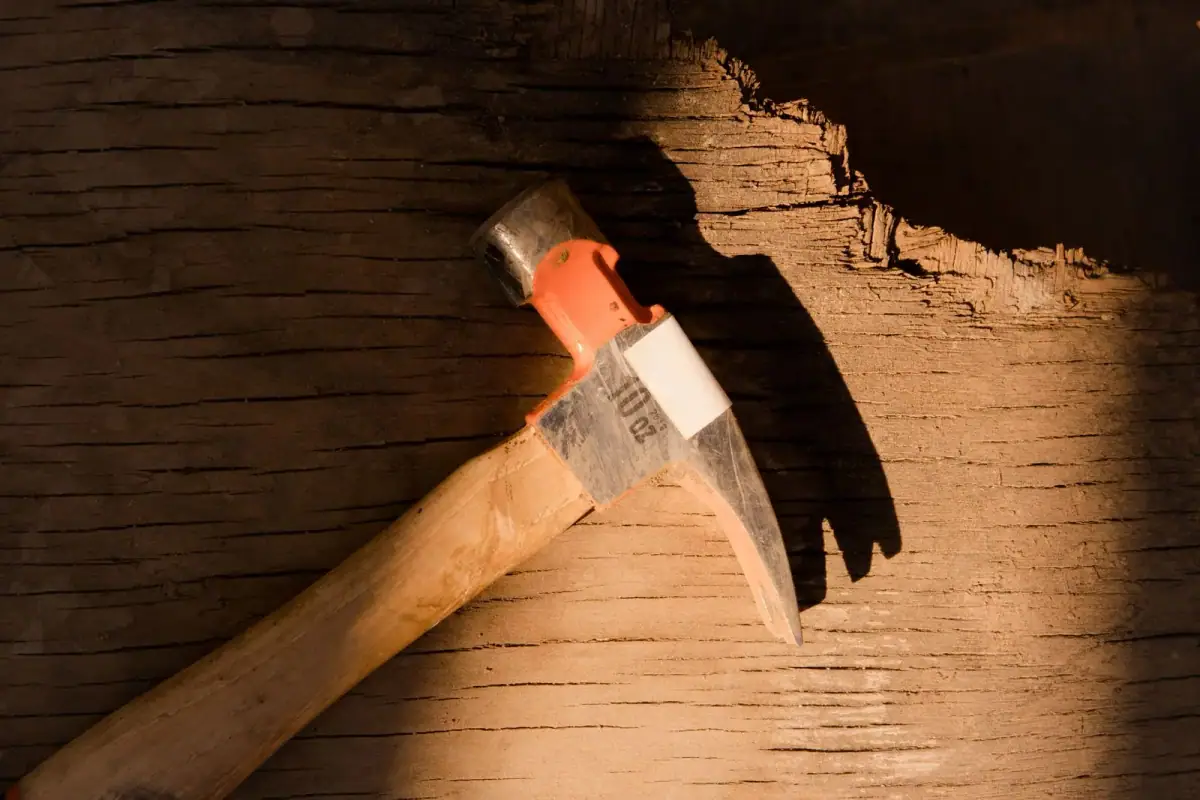
Soft, rotting boards
Boards that are soft, spongy or cracked, a sure sign of rot in our humid climate.
Wobbly rails and posts
Railings and posts that move, or posts sinking, leaning or rotting at ground level.

Failing fasteners
Rusted or missing fasteners and joist hangers that no longer hold the frame together.
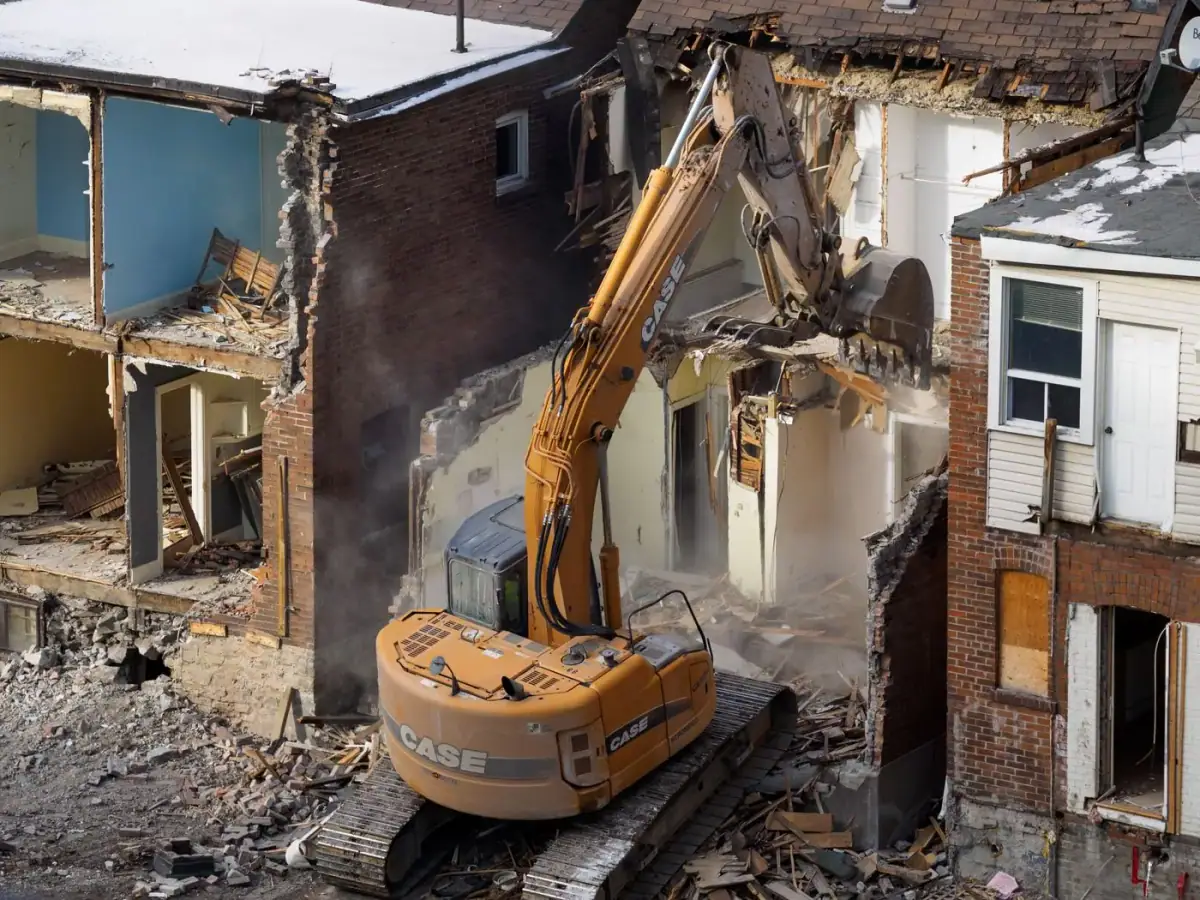
Rot at the house
Rot, gaps or movement where the deck meets the house, the most dangerous kind of failure.
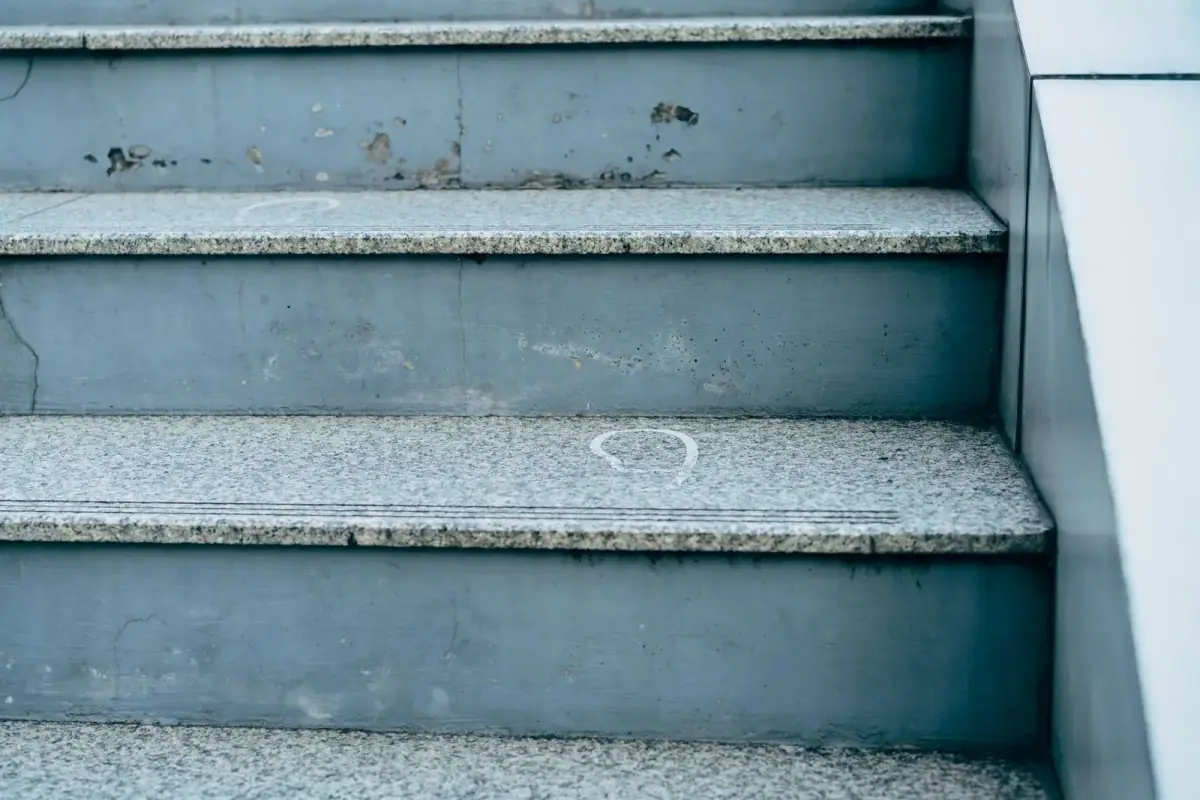
Loose stairs
Stairs that move or feel loose underfoot and can no longer be safely used.

Outdated or in the way
A deck being replaced with a new design, a patio, a screened porch or more yard.
What’s included in our deck removal service
A complete deck removal takes the whole structure down to the footings and protects the house as it goes. Every Alpha Demolish deck removal in North Carolina includes:
- 01Assessment and fixed quote.
We check the deck’s size, height, attachment and access.
- 02Utility disconnects.
Deck lighting, outlets, gas grill lines and hot tub circuits are disconnected by licensed trades.
- 03Hot tub removal.
Hot tubs on or beside the deck can be drained, disconnected and removed.
- 04Decking and railings.
Boards, railings, balusters and stairs are removed.
- 05Framing and ledger.
Joists, beams and the ledger are removed without damaging the house.
- 06Posts and footings.
Posts are pulled and concrete footings are dug out or cut below grade.
- 07Disposal and recycling.
Treated lumber goes to permitted facilities; metal is recycled.
- 08Clean-up.
A magnetic nail sweep and a tidy, level area, ready for what comes next.
Our deck removal process, step by step
Every deck comes down in a controlled, top-down sequence that keeps the crew safe and protects the house.
Day 1
Quote
Photos and a short visit give us what we need to price the job.
Work day
Prep
Utilities are disconnected, furniture is moved and ground protection goes down.
Work day
Top-down removal
Railings and boards first, then framing, supported as we go.
Work day
Ledger and wall
The ledger is removed and the wall is checked, photographed and wrapped.
Work day
Posts and footings
Posts are pulled and concrete footings are dug out or cut below grade.
Handover
Clean-up and handover
Debris is hauled away, doors are secured, and we sweep for nails and walk the site with you.
READY TO CLEAR THE SITE?
Tell us what needs to come down.
Send a few project details and our team will get back to you with the next steps.
What we remove and how we protect your house
Decks we remove
From a small back porch to an elevated multi-level deck, wood or composite, we remove them all.
- Wood and composite decks
- Ground-level and raised decks
- Elevated and second-story decks
- Multi-level decks on sloped lots
- Decks with stairs, landings and pergolas
- Decks with hot tubs and built-in seating
- Railings, balusters and skirting
- Posts, beams, joists and footings
The ledger and your house
The ledger bolted to your house carries one side of the deck and is where most serious failures — and careless damage — happen.
- Deck supported while ledger fasteners are removed
- Bolts and lag screws removed without tearing the rim joist
- Rim joist and sheathing checked for rot and termites
- Flashing kept intact, or missing flashing flagged
- Exposed wall covered with house wrap
- Hidden rot photographed for your contractor
- Doors onto the deck locked or barriered against falls
- General liability and workers’ comp insurance
Deck removal cost in North Carolina
Deck removal is priced by size, height and what is attached, adjusted for access and disposal. You receive a fixed, itemized quote.
| Cost factor | Why it matters |
|---|---|
| Size | Larger decks mean more material to remove and haul. |
| Height and levels | Elevated and multi-level decks need more support and equipment. |
| Material | Composite decking is heavier than wood and costs more to dispose of. |
| Footings | Concrete footings take time to dig out. |
| Hot tub | Draining, disconnecting and removing a hot tub adds to the scope. |
| Site access | Decks behind fences or on slopes need more hand carrying. |
| Wall repairs | Hidden rot at the ledger may need your contractor before rebuild. |
How long does deck removal take?
Most decks come down in a single day. Large, elevated or multi-level decks, or decks with a hot tub, can take two. Coordinating with your builder keeps the wall from being left exposed for long.
| Stage | Typical duration |
|---|---|
| Quote from photos or visit | Often same day |
| Utility and hot tub disconnects | Scheduled before removal |
| Standard deck removal | Usually 1 day |
| Large / elevated / multi-level deck | 1–2 days |
| Footing removal | Same day |
| New deck by your builder | Coordinated to minimize exposure |
What comes after the deck
We leave the wall wrapped and the ground clear for whatever replaces the deck. The most common next steps are:
A new deck
A new deck needs a permit and new footings sized for the design, so we normally remove the old ones and leave the wall wrapped and the ground clear.
A patio or porch
Ground-level decks are often replaced with pavers or concrete, or a screened porch with deeper footings. We grade the area for your contractor.
Lawn or garden
We fill post holes, level the ground and spread topsoil so the area returns to grass or planting beds.
Elevated and second-story decks are removed in stages with lifts or scaffolding, and any door that opened onto the deck is locked or barriered before we leave so no one steps out onto a drop.
Permits, codes and treated lumber in North Carolina
Removing a deck usually does not need a permit, but building a new one does, and treated lumber has to be handled correctly. We confirm what applies to your project:
- Removal permits. Removing a deck usually does not need a permit. Check with your local inspections office if the home is in a historic district.
- Electrical and gas. Deck lighting, outlets, gas grill lines and hot tub circuits are disconnected by licensed trades before removal.
- New-deck permits and code. Building a new deck almost always needs a building permit, and the NC Residential Code has detailed rules for ledger attachment, footings and guards.
- Footings for the new deck. Most replacement decks need new footings sized for the new design, so we normally remove the old ones. If your builder wants to evaluate them, we can leave them.
- Treated lumber disposal. Wood treated before about 2004 was usually CCA-treated and contains arsenic. It must never be burned, chipped into mulch or used in gardens, and goes to facilities that accept it.
Hidden rot behind a ledger is very common in North Carolina. If we find it, we photograph it so your contractor can repair the wall before anything new is attached.
How to prepare for deck removal
A little preparation keeps removal day quick and safe:
NOT SURE YET?
Let’s take down that old deck
Send a few photos of your deck and a specialist will give you a quick fixed price and options for what comes next — no commitment needed.
Debris removal and recycling
We divert what we can and handle treated lumber the right way:
- Treated lumber. Pressure-treated pine, including older CCA-treated wood, goes to facilities that accept it, never to burning or mulch.
- Composite decking. Recycled where local programs exist, or disposed of properly at permitted facilities.
- Metal. Fasteners, joist hangers, railings and post bases are recycled as scrap.
- Concrete footings. Dug-out footings are crushed and recycled as aggregate.
We finish with a magnetic sweep for nails and screws, and can provide disposal records on request.