Underwater demolition in North Carolina
North Carolina has more than 300 miles of ocean coastline, the second-largest estuary system in the United States, and major lakes and rivers inland. Along all that water are piers, docks, bulkheads, pilings, boat ramps and bridge supports that eventually fail, get damaged by hurricanes, or need to make way for new construction.
Removing structures below the waterline is specialist work. Alpha Demolish’s underwater demolition projects combine commercial divers, marine equipment and environmental controls to cut, extract and recover submerged structures safely and within the conditions of the project’s permits.
This page explains what our underwater demolition service includes, the permits for working in North Carolina waters, the removal methods and environmental controls, what affects the cost and what we need to plan your project.
Structures we remove underwater
We remove submerged and waterfront structures of every kind, on the coast, on lakes and on rivers:
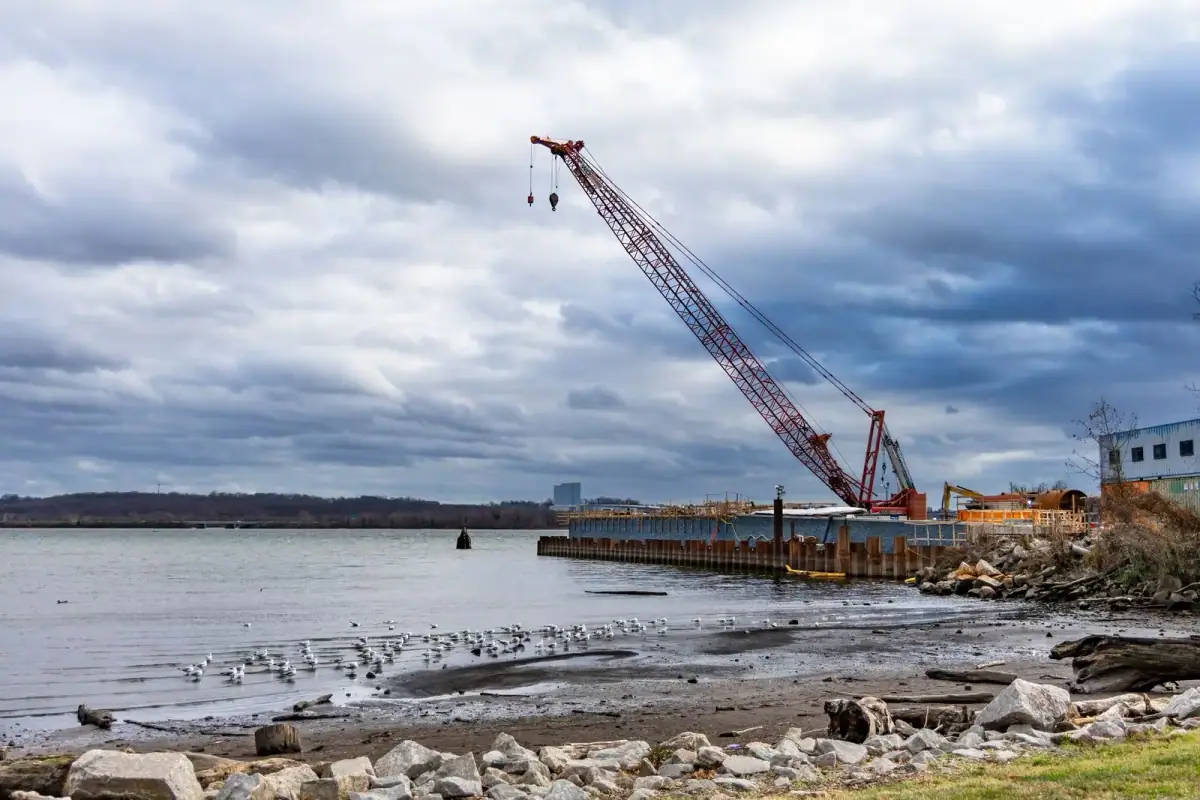
Piers and docks
Fishing piers, private docks and marina structures damaged by storms or being replaced.
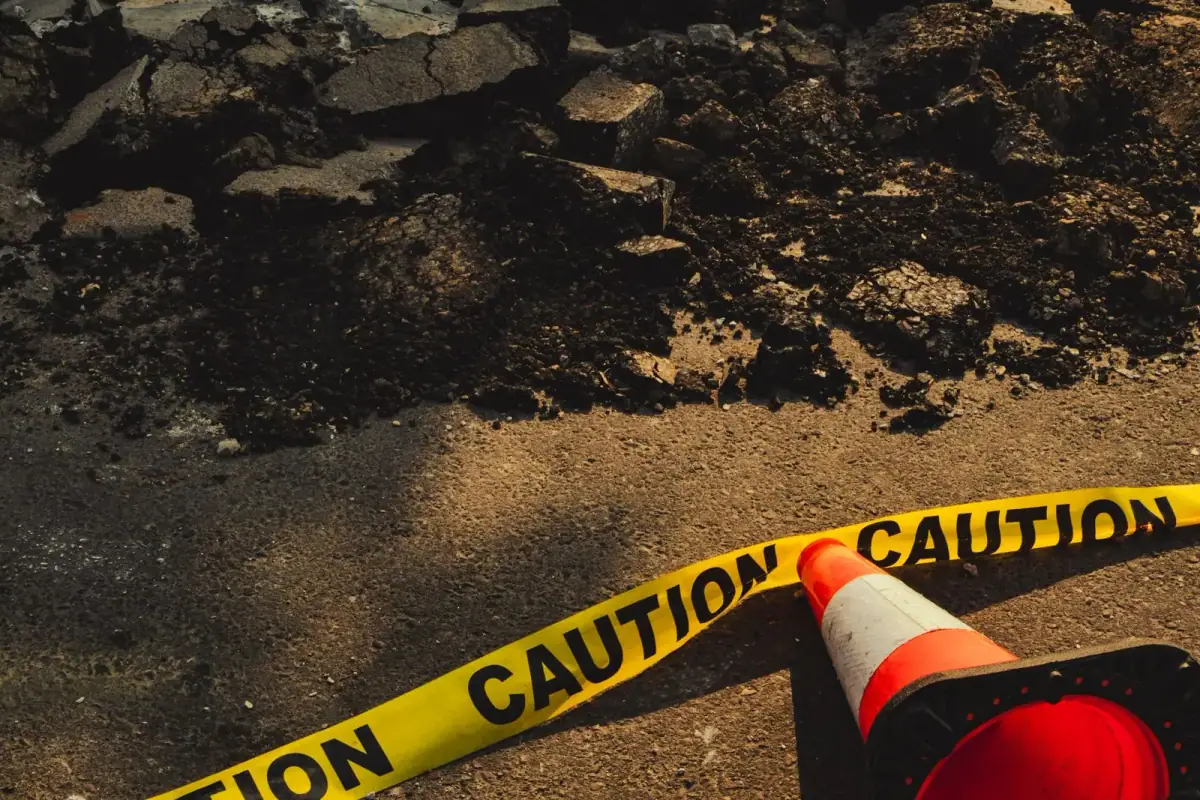
Pilings
Timber, concrete and steel pilings pulled or cut at the mudline as permits require.
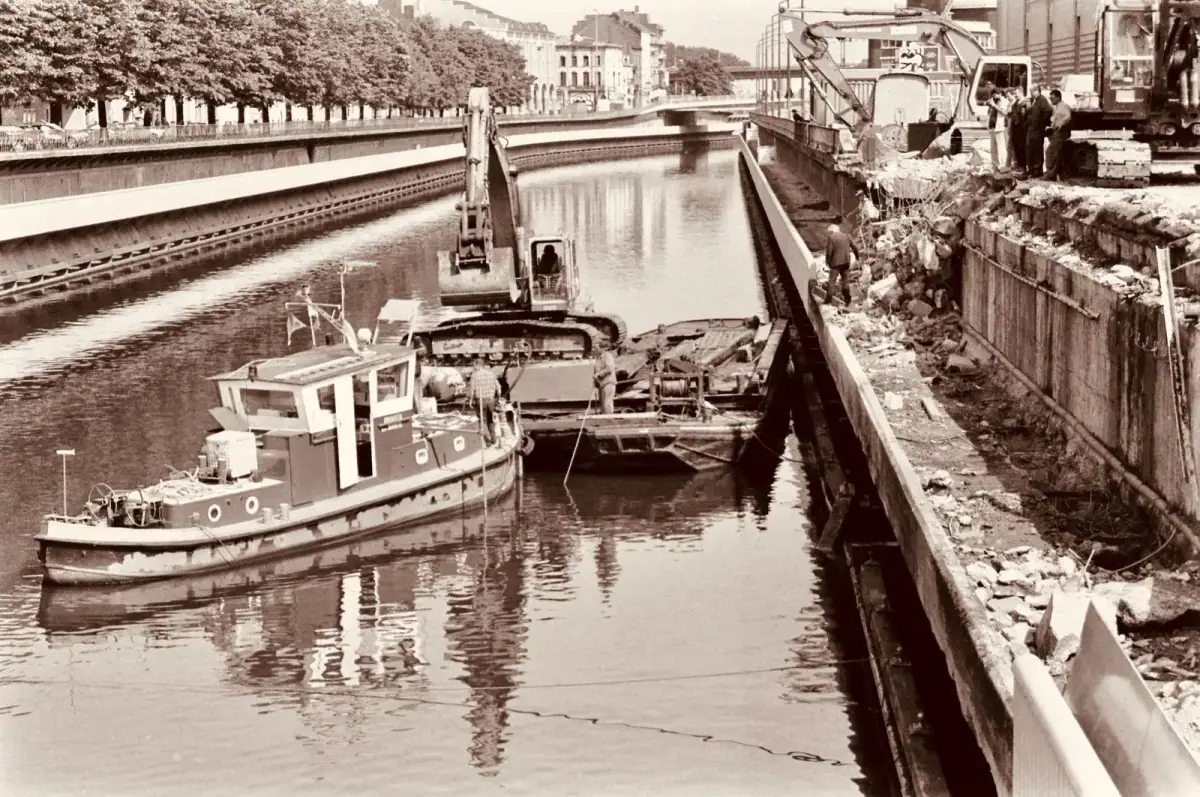
Bulkheads and seawalls
Failed bulkheads and walls removed ahead of replacement or living shoreline projects.
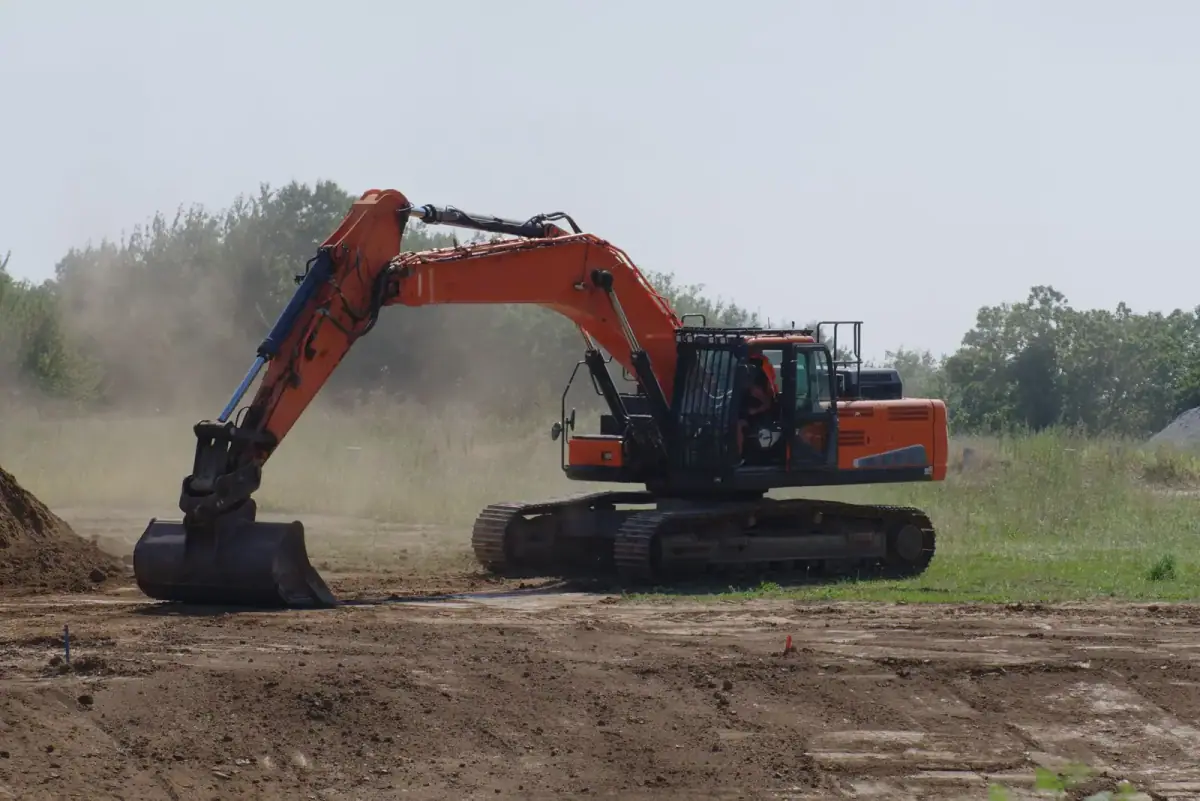
Bridge supports
Old piers, footings and fenders removed during bridge replacement.
Intakes and outfalls
Water intake and outfall structures at plants and utilities.
Submerged debris
Storm debris, sunken structures and obstructions to navigation.
What’s included in our underwater demolition service
Underwater demolition is a marine operation from survey to verification dive. Every Alpha Demolish underwater project in North Carolina includes:
- 01Dive survey.
Inspection of the structure, water depth, currents and bottom conditions.
- 02Permit coordination.
Army Corps, 401 certification and CAMA permit conditions built into the plan.
- 03Marine mobilization.
Barges, cranes, dive station and environmental controls set up on the water.
- 04Pile extraction or cutting.
Vibratory extractors pull piles, or divers cut them at or below the mudline where required.
- 05Hydraulic and torch cutting.
Diver-operated saws, shears, breakers and underwater torches for concrete, timber and steel.
- 06Lift and recover.
Sections rigged by divers and lifted onto barges.
- 07Debris recovery and disposal.
All debris brought ashore and disposed of properly, with treated timber to permitted facilities.
- 08Verification dive.
A post-removal dive survey and documentation.
How an underwater demolition project runs, step by step
Every underwater project follows the same sequence, planned around permits, tides and work windows.
Phase 1
Survey
Dive inspection of the structure, water depth, currents and bottom conditions.
Phase 1
Permits and plan
Removal method matched to permit conditions and work windows.
Phase 2
Mobilize
Barges, cranes, dive station and environmental controls set up.
Phase 3
Remove
Structures cut, extracted and lifted onto barges.
Phase 3
Recover and dispose
All debris brought ashore and disposed of properly.
Handover
Verify
Post-removal dive survey and documentation.
READY TO CLEAR THE SITE?
Tell us what needs to come down.
Send a few project details and our team will get back to you with the next steps.
Methods, water protection and diving safety
Underwater removal methods
We match the method to the structure, the bottom and the permit conditions.
- Vibratory pile extraction where possible
- Cutting piles at or below the mudline
- Diver-operated hydraulic saws, shears and breakers
- Underwater torch cutting for steel
- Rigging and lifting sections onto barges
- Full recovery of debris to land
- Bottom cleared to permit requirements
- Post-removal survey to confirm clearance
Water protection and diving safety
The waterway and the dive team are protected on every project, following OSHA commercial diving rules.
- Turbidity curtains around the work area
- Debris booms and nets for floating material
- Spill kits and containment on marine equipment
- Treated timber to permitted facilities
- Seasonal and wildlife restrictions observed
- Full commercial dive team with topside supervision
- Each dive planned for depth, current and tide
- General liability and marine insurance
What affects underwater demolition cost
Underwater demolition is priced from a dive survey and the permit conditions, because access and water conditions matter as much as the structure. The main factors are:
| Cost factor | Why it matters |
|---|---|
| Structure type and size | Timber, concrete and steel, and the number of piles, drive effort. |
| Water depth and current | Deeper water and strong current slow dive work. |
| Extraction vs. cutting | Full pile extraction differs from cutting at the mudline. |
| Access and staging | Barge access and land staging affect mobilization. |
| Permit conditions | Environmental controls and work windows shape the schedule. |
| Disposal | Treated timber and marine debris disposal costs. |
How an underwater project unfolds
Permitting and seasonal work windows usually drive the schedule more than the removal itself. A typical project runs like this:
| Stage | Typical timing |
|---|---|
| Dive survey and estimate | Days to weeks |
| Permits (Army Corps, 401, CAMA) | Weeks to months, by scope |
| Seasonal work window | Set by the waterway |
| Marine mobilization | A few days |
| Removal and recovery | Days to weeks |
| Verification dive and demobilization | A few days |
Pile extraction, mudline cutting, or storm recovery
How piles and structures come out depends on the permit and the condition of the structure.
Full pile extraction
Vibratory extractors and cranes pull piles completely where the permit requires and conditions allow.
Cutting at the mudline
Where pulling is not possible or permitted, divers cut piles at or below the mudline and recover the sections.
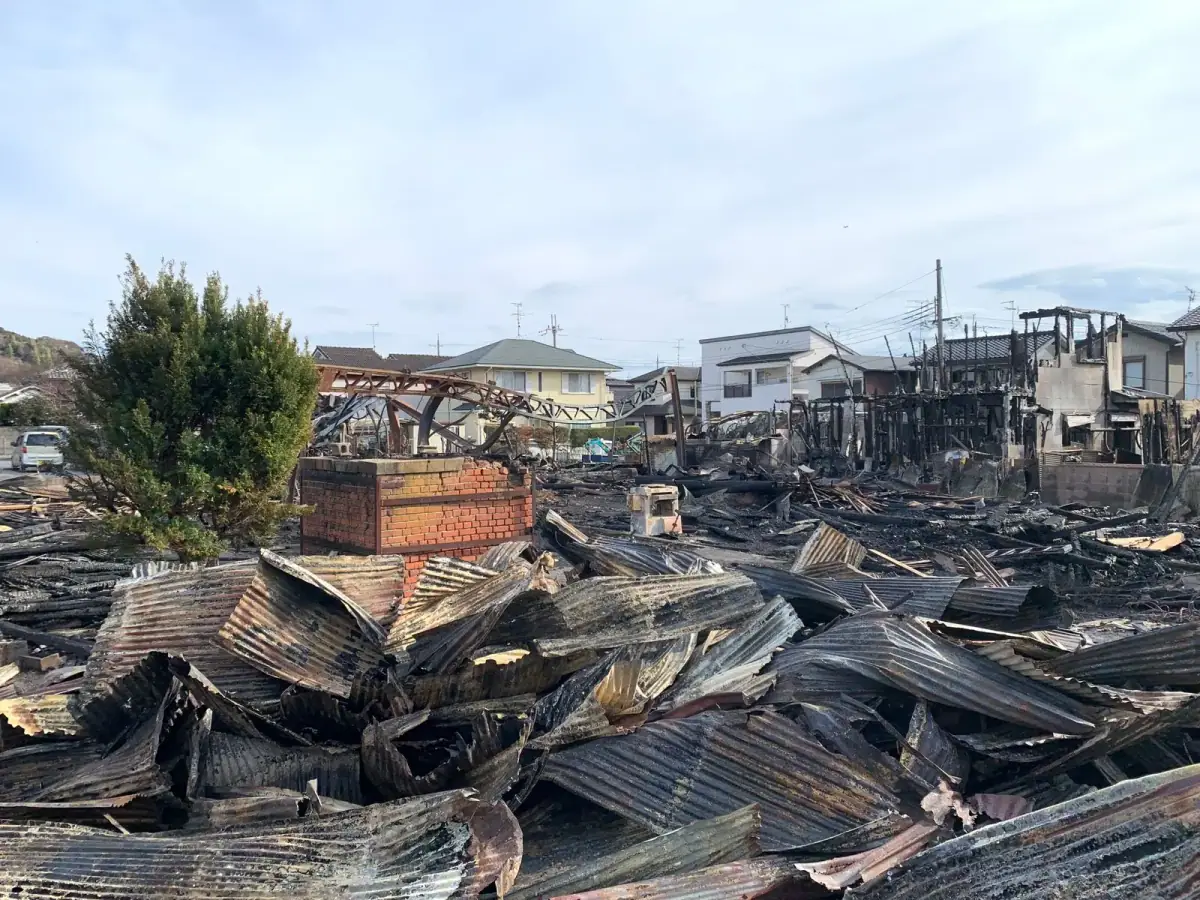
Hurricane recovery
Storm-destroyed docks, piers and submerged debris removed and recovered, documented for insurance, often under expedited post-storm authorizations.
After declared storms, permitting agencies may offer expedited or emergency authorizations for repair and replacement, and we work within them to clear damaged structures quickly.
Permits for work in North Carolina waters
Work below the waterline is heavily permitted. We work with your marine permitting consultant, or help you find one, and plan the removal to meet every condition:
- Army Corps of Engineers. Work in navigable waters and discharges into waters of the United States generally need Section 10 and Section 404 authorization.
- 401 water quality certification. Issued by the NC Division of Water Resources for projects requiring federal permits.
- CAMA permits. In North Carolina’s 20 coastal counties, work in Areas of Environmental Concern is regulated under the Coastal Area Management Act by the NC Division of Coastal Management.
- Seasonal work windows. In-water work may be restricted during fish spawning and migration periods, and near sensitive habitats.
- Navigation. Work in or near channels is coordinated with the Coast Guard and port authorities, with notices to mariners where needed.
- Lake shoreline programs. Docks on lakes such as Lake Norman and other Catawba-Wateree reservoirs fall under Duke Energy’s shoreline management program.
Every removal method is chosen to meet the conditions of your Army Corps, 401 and CAMA permits, and to fit the seasonal work windows for your waterway.
What we need to plan your project
A few details let us survey, permit and price the work. Helpful items include:
ON THE WATER?
Let’s plan your underwater removal
Send photos and a survey of the structure and a specialist will plan the dive, permits and method, and give you a price — no commitment needed.
Debris recovery and disposal
Everything that comes out of the water is recovered to land and handled correctly — nothing is left on the bottom:
- Steel and metal. Steel pilings, fasteners and fittings are recovered and recycled as scrap.
- Concrete. Concrete piles, footings and fenders are crushed and recycled where clean.
- Treated timber. Creosote and treated timber pilings go to permitted disposal facilities, never left in the water.
- Marine debris. Floating and submerged debris is collected with booms and nets and removed to land.
We recover all debris to land-based disposal under the permit conditions and provide documentation for your records and insurance.