Fire and water restoration across North Carolina
North Carolina properties face water damage from every direction: hurricanes and tropical storms on the coast, river flooding in the east, flash floods and landslides in the mountains, as western North Carolina saw during Helene, and everyday burst pipes and roof leaks. House and business fires add smoke, soot and water from firefighting to structural damage.
The first days after a loss decide how much of a building can be saved. Alpha Demolish responds to fire and water damage across North Carolina by securing the property, removing damaged materials, drying the structure and cleaning it so rebuilding can begin. Our demolition background means we can also safely remove what cannot be saved, from a single room to the whole structure.
This page explains what our fire and water restoration service includes, how water and fire damage are handled, how we work with your insurer, what affects the cost and what to do right after a loss.
Damage we respond to
We respond to fire, water and storm losses of every kind across North Carolina:
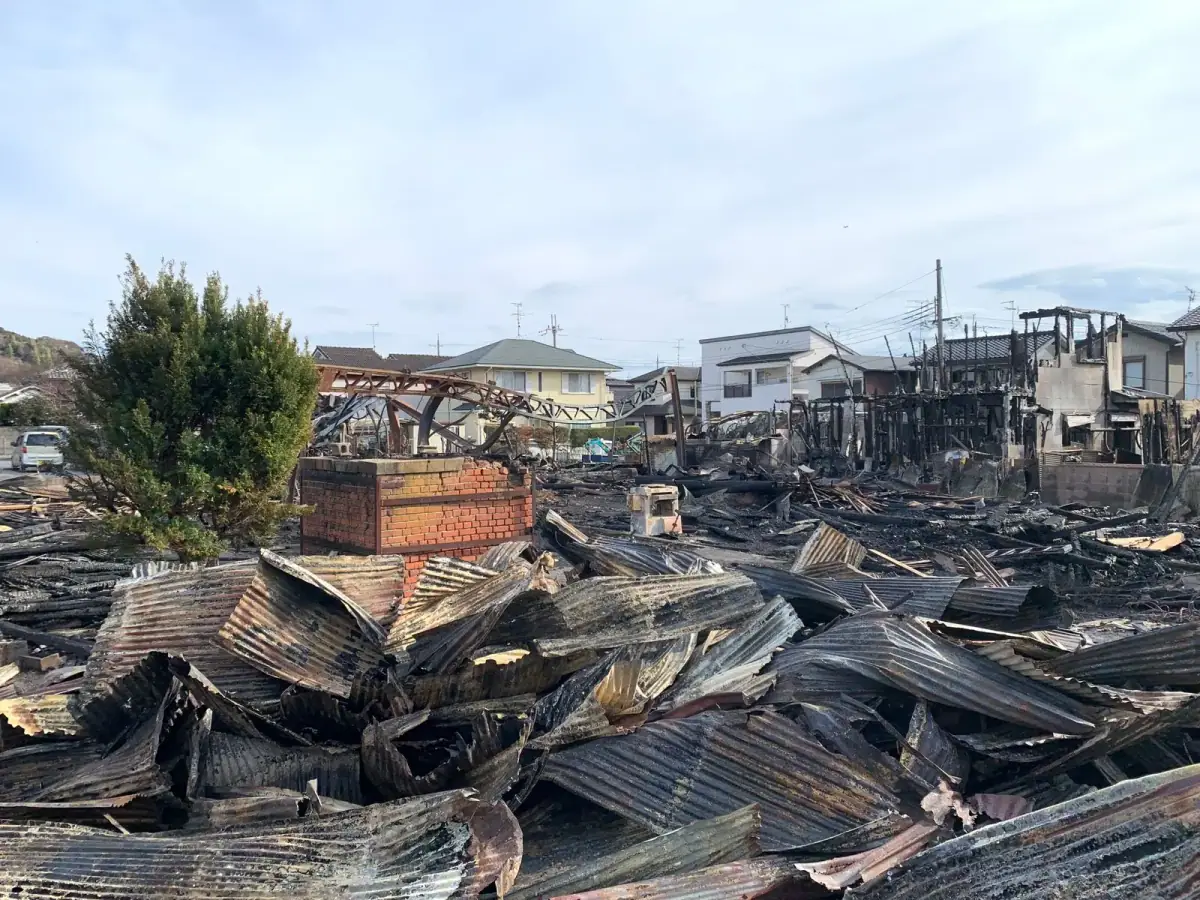
Hurricane and coastal flooding
Storm surge and flooding from the Outer Banks to Wilmington and the coastal plain.
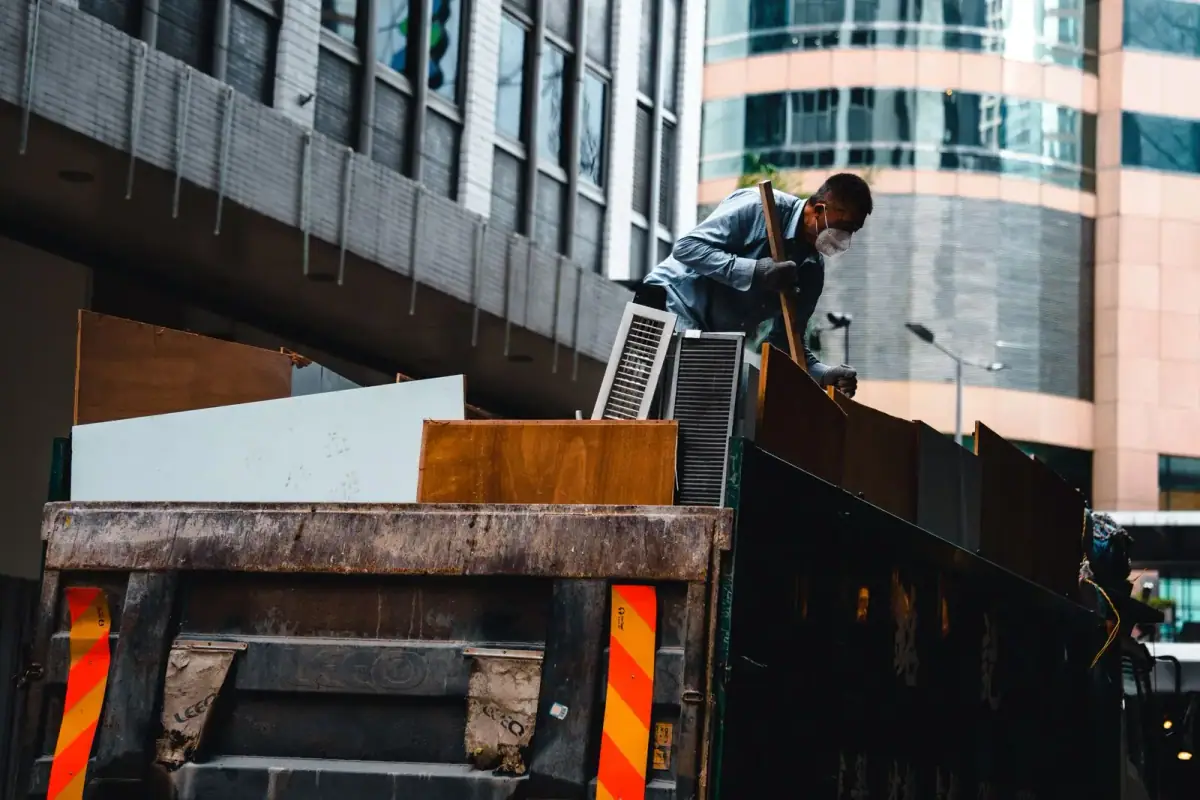
River and mountain flooding
River flooding in the east and flash floods and landslides in the mountains.
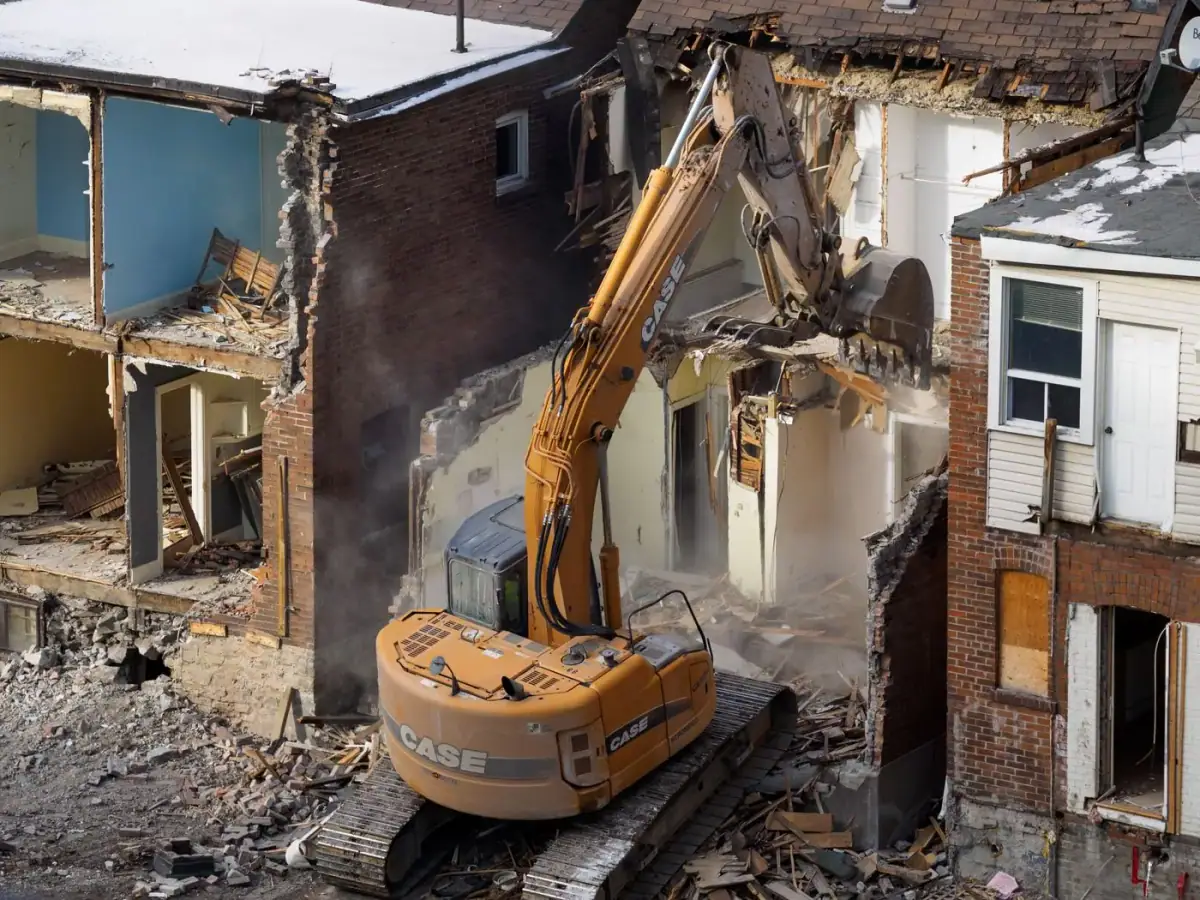
Burst pipes and roof leaks
Everyday supply-line breaks, roof leaks and appliance overflows.
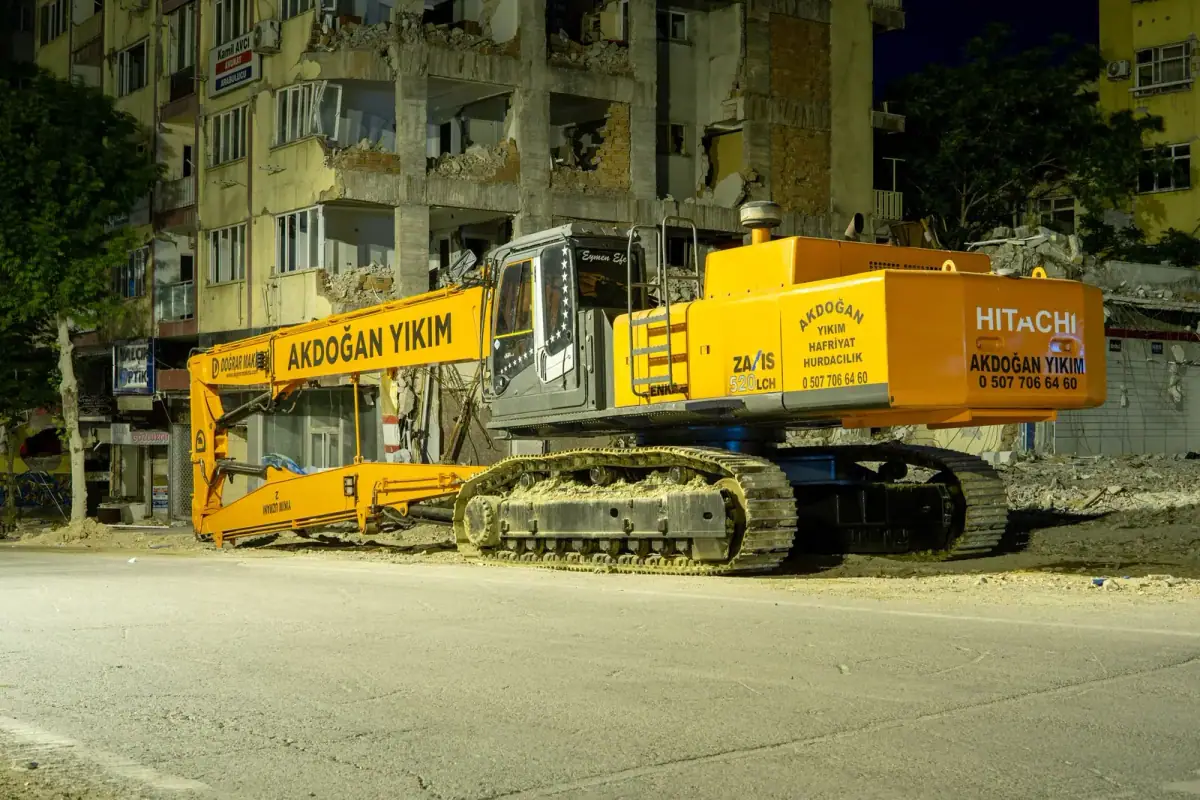
House and business fires
Smoke, soot and firefighting water on top of structural fire damage.
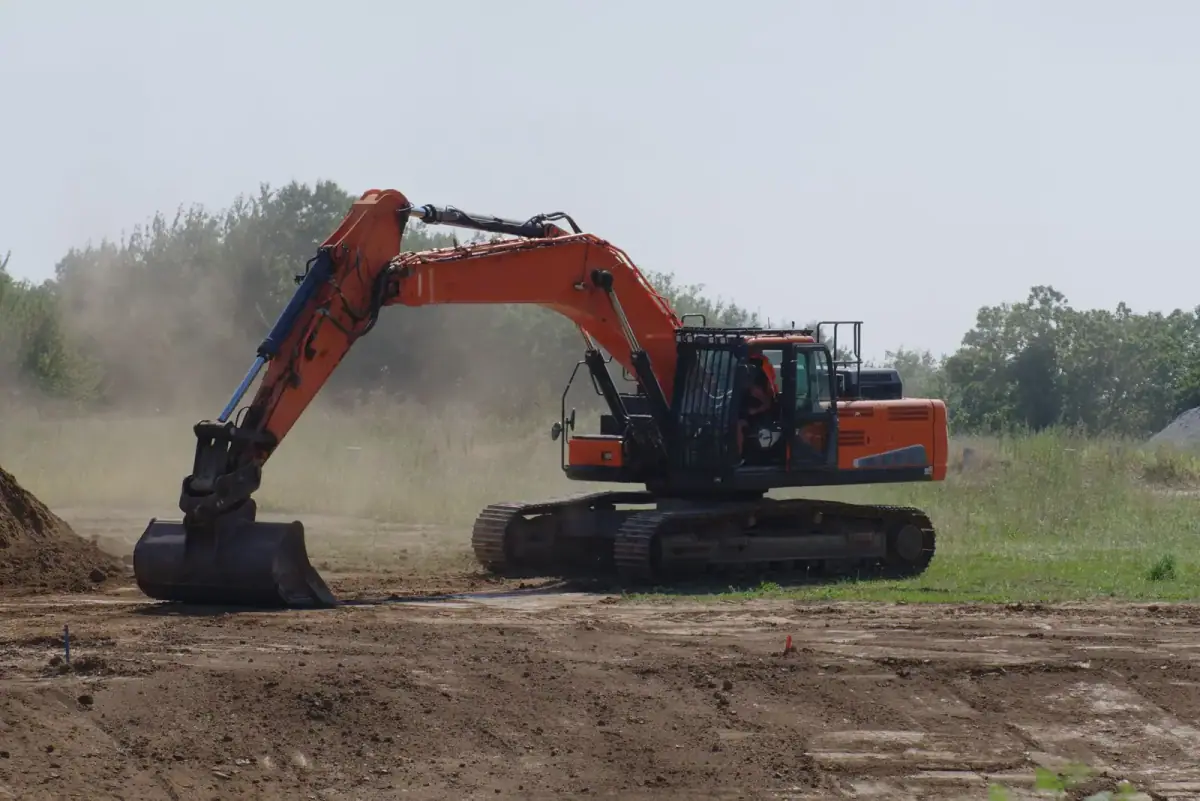
Storm damage
Wind, tree and water damage after severe storms.
Mold from moisture
Mold growth after leaks, floods or long vacancy in our humid climate.
What’s included in our restoration service
We take a property from emergency response to a dry, documented structure ready to rebuild. Every Alpha Demolish restoration in North Carolina includes:
- 01Emergency response.
Board-up, roof tarping, fencing and water extraction to stop further damage.
- 02Assessment and testing.
Moisture readings, damage mapping and hazard testing for asbestos and lead in older buildings.
- 03Tear-out.
Wet or burned drywall, insulation, flooring and cabinets removed as needed.
- 04Crawl space work.
Crawl spaces pumped out, cleared of wet insulation and vapor barrier, and dried.
- 05Structural drying.
Dehumidifiers and air movers with daily moisture readings until materials are dry.
- 06Soot and smoke cleaning.
Soot-covered surfaces cleaned and odor treated after fires.
- 07Cleaning and treatment.
Surfaces cleaned and treated to limit mold growth.
- 08Documentation.
Photos, moisture logs, scopes and disposal records for your claim.
Our restoration process, step by step
Every loss follows the same fast, documented sequence, because the first days decide how much can be saved.
Hour 1
Emergency response
Secure the property and stop the water or further damage.
Day 1
Assessment
Moisture readings, damage mapping and hazard testing.
Days 1–2
Tear-out
Remove materials that cannot be saved.
Days 2–5
Dry
Structural drying with monitoring until materials are dry.
After drying
Clean
Clean, deodorize and treat surfaces.
Handover
Hand over
A documented, dry structure ready for rebuilding.
READY TO CLEAR THE SITE?
Tell us what needs to come down.
Send a few project details and our team will get back to you with the next steps.
Water and fire damage restoration
Water damage and flood restoration
Mold can begin to grow on wet materials within 24 to 48 hours, so speed matters, and the approach depends on how contaminated the water is.
- Standing water pumped and extracted
- Flood cuts above the water line
- Insulation, flooring and cabinets removed as needed
- Dehumidifiers and air movers with daily readings
- Crawl spaces pumped, cleared and dried
- Surfaces cleaned and treated for mold
- Contaminated (black) water porous materials removed
- Moisture confirmed dry before rebuilding
Fire damage restoration
Fire leaves soot, smoke, structural damage and water from firefighting, all handled in the right order.
- Board-up, roof tarping and fencing
- Burned framing and roof systems assessed first
- Unsafe areas shored or removed
- Burned and unsalvageable contents removed
- Soot-covered surfaces cleaned and odor treated
- Firefighting water dried to prevent mold
- Asbestos and lead tested before tear-out
- General liability and workers’ comp insurance
What affects restoration cost
Restoration is priced by the extent of the damage, the water category and how much has to be removed and dried. The main factors are:
| Cost factor | Why it matters |
|---|---|
| Extent of damage | A single room differs greatly from a whole structure. |
| Water category | Contaminated (black) water requires far more removal. |
| Materials removed | Drywall, flooring, insulation and cabinets add tear-out and disposal. |
| Drying time | Longer drying means more equipment and monitoring days. |
| Soot and odor | Fire cleaning and deodorizing add scope. |
| Hazards | Asbestos or lead in older buildings must be abated first. |
Water categories and approach
Industry standards classify water by how contaminated it is, and that decides how much can be dried in place versus removed:
| Water category | Examples and approach |
|---|---|
| Clean water | Supply line breaks and rain. Many materials can be dried in place if work starts quickly. |
| Gray water | Appliance overflows. More materials need removal, with cleaning and disinfection. |
| Black water | Floodwater, sewage and rising rivers. Porous materials such as drywall, insulation and carpet are removed. |
Restore, remediate mold, or demolish
How far the work goes depends on how much of the building can be saved.
Dry and restore
When materials can be saved, we extract water, tear out only what is damaged, dry the structure and hand it back ready to rebuild.
Mold remediation
Affected materials are removed inside containment and, most importantly, the moisture source is fixed so mold does not come back.
Demolition when unsalvageable
When fire or flood damage is too severe to restore, we move straight to safe demolition of the room, wing or whole structure.
Watch for musty odors, staining on drywall or ceilings, warped flooring and high crawl-space humidity — signs that mold remediation, not just drying, is needed.
Working with your insurance
Coverage depends on your policy, and good documentation is what gets a claim paid. We document the work either way:
- Photos and video. Before, during and after work, so the full extent of the loss is recorded.
- Moisture maps and drying logs. Daily readings that show the structure was dried properly.
- Itemized scopes. Detailed scopes of work for your adjuster.
- Contents inventories. Inventories of removed and damaged contents.
- Disposal records. Records for removed materials and any hazardous waste.
- Flood vs. homeowner coverage. Standard homeowner policies often exclude flood damage, which is usually covered by separate flood insurance; we document either way.
Photograph and video all damage before anything is moved, and keep receipts for emergency repairs and temporary housing — your adjuster will ask for them.
What to do right after a fire or flood
The first steps you take protect your safety and your claim:
DAMAGE TO YOUR PROPERTY?
Let’s stop the damage and start recovery
Call us or send details and photos and we’ll respond to secure the property, stop the water and document the loss for your insurer — no commitment needed.
Debris removal and safe disposal
Restoration produces damaged materials and contents that are sorted and handled correctly:
- Salvageable contents. Items that can be saved are separated and set aside for cleaning or storage.
- Damaged materials. Wet or burned drywall, insulation, flooring and cabinets removed and hauled to permitted facilities.
- Hazardous materials. Any asbestos or lead disturbed by the loss is tested and abated by accredited workers.
- Contaminated waste. Flood-contaminated porous materials disposed of as required.
We keep disposal records and contents inventories so your claim and your rebuild both have a clear paper trail.