Site clearing across North Carolina
Every new subdivision, commercial pad, warehouse and school in North Carolina starts the same way: with land that has to be cleared. That might be wooded acreage in Johnston or Union County, an overgrown infill lot in Charlotte, farmland in the coastal plain, or a former industrial property with old slabs and foundations still in the ground.
Alpha Demolish clears and prepares land across North Carolina for developers, builders and owners. We remove vegetation, stumps and old structures, strip and stockpile topsoil, install and maintain erosion control, and leave the site rough-graded and ready for your grading and utility contractors.
This page explains what our site clearing service includes, the North Carolina rules that apply, what happens to trees and brush, what affects the cost and what we need to plan the work.
Sites we clear
We clear and prepare land of every kind across North Carolina:
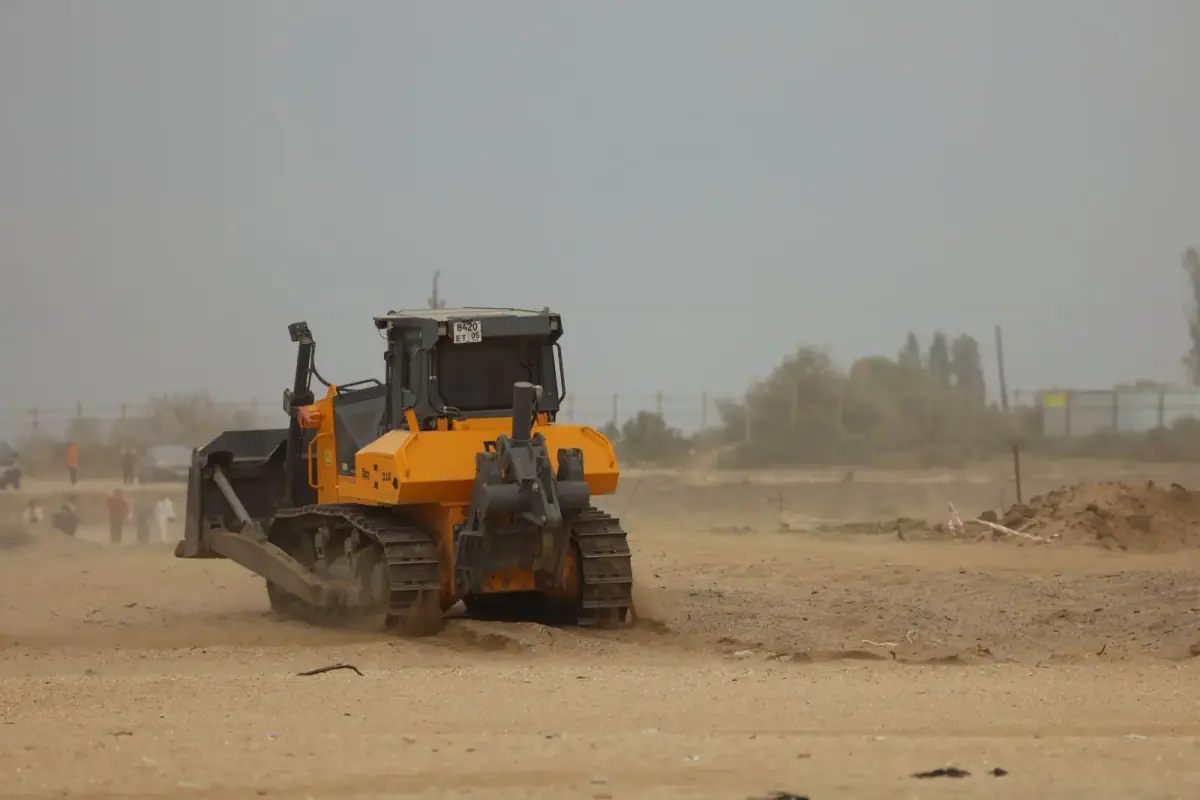
Wooded acreage
Timbered tracts cleared for subdivisions and commercial development.
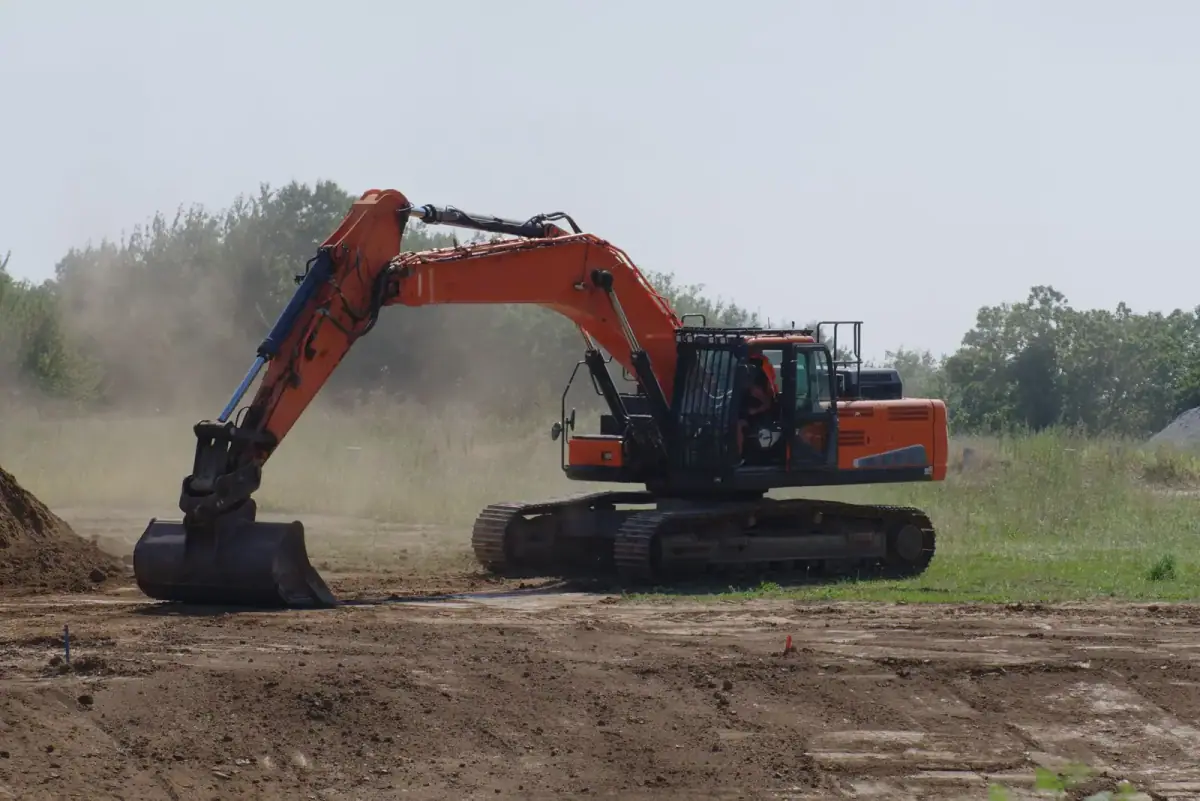
Subdivision and pad sites
Residential subdivisions and commercial building pads shaped to civil plans.

Infill and overgrown lots
Overgrown city lots cleared for new construction.
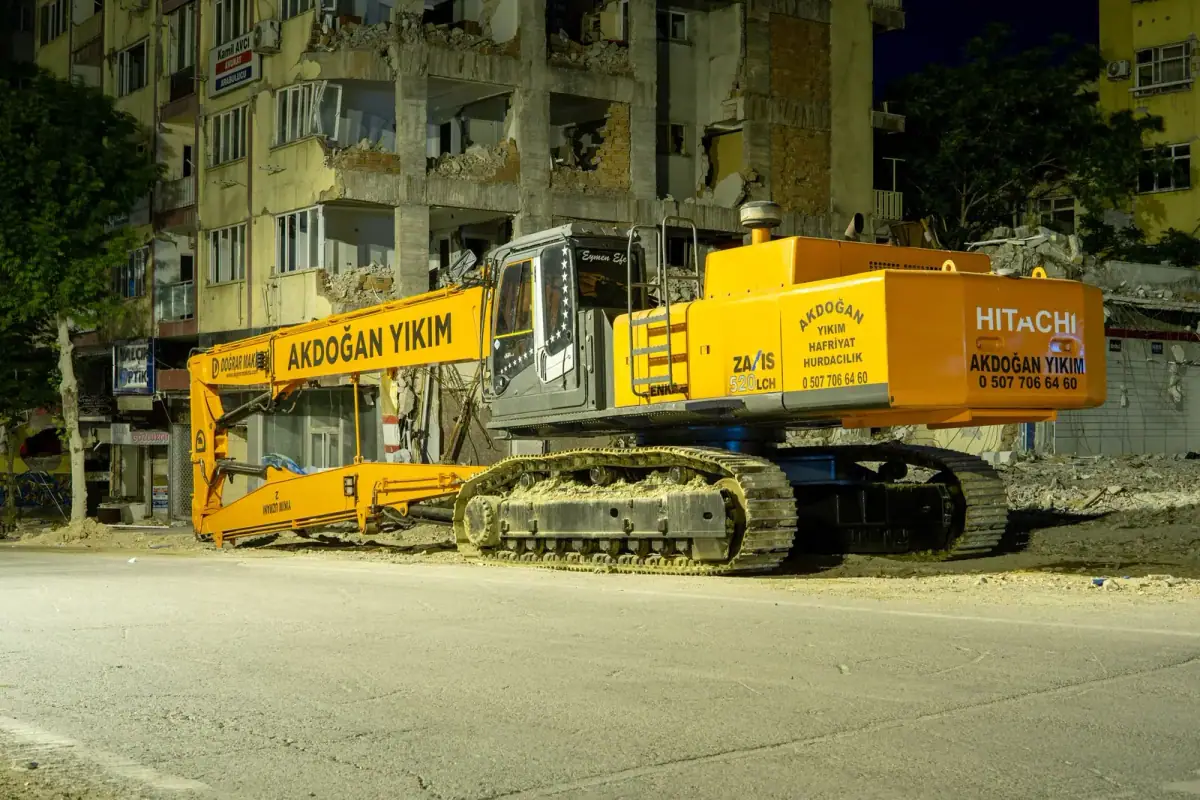
Farmland
Fields and pasture prepared for development in growth corridors.
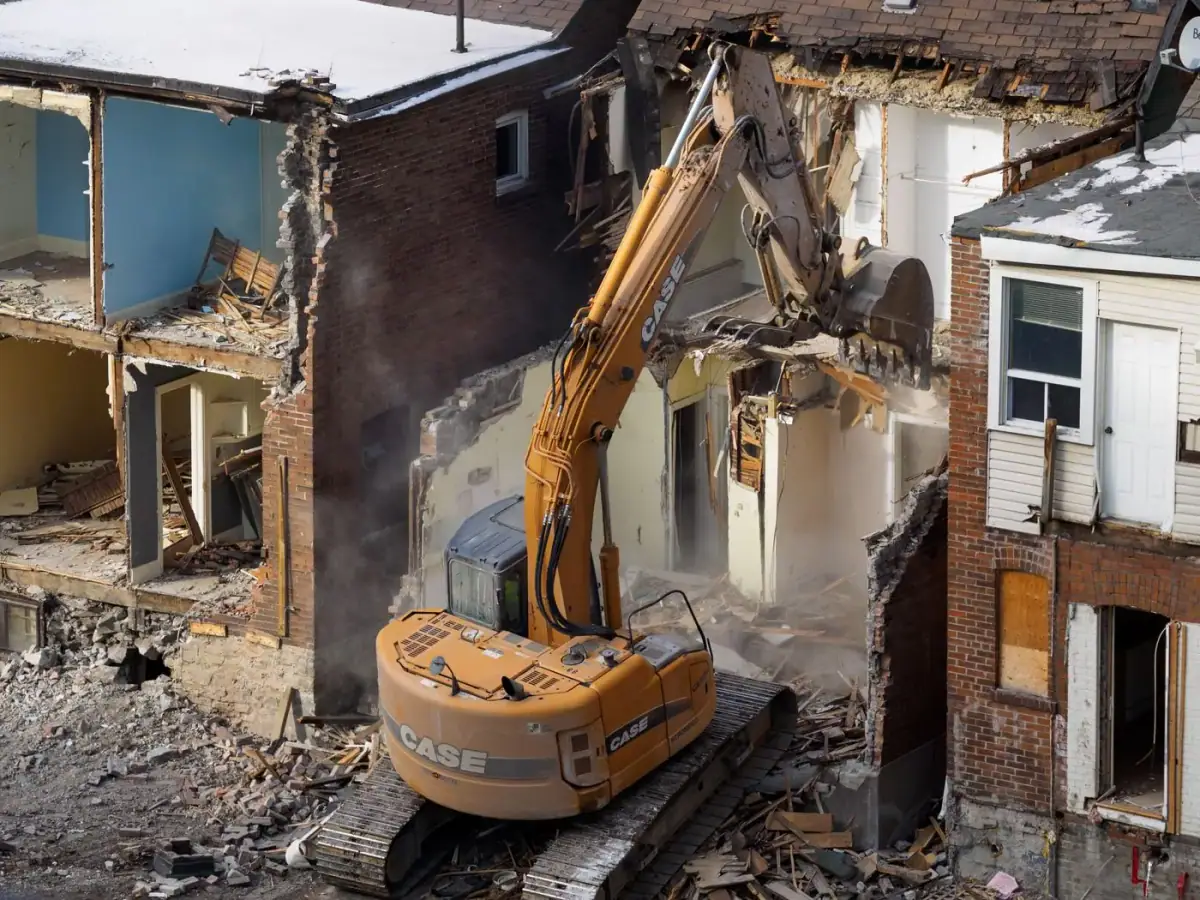
Former developed lots
Sites with old houses, barns, slabs and buried debris cleared to bare ground.
Former industrial property
Sites with slabs and foundations still in the ground cleared for reuse.
What’s included in our site clearing service
We take a site from raw or developed land to build-ready ground. Every Alpha Demolish site clearing project in North Carolina includes:
- 01Tree and brush clearing.
Timber, trees and undergrowth cut and removed, with marketable timber sold where possible.
- 02Stump removal and grubbing.
Stumps and roots pulled so organic material does not rot under future pavement or buildings.
- 03Structure and debris removal.
Old houses, barns, sheds, fences, slabs, wells and dumped debris removed.
- 04Septic and well closure.
Septic tanks and wells closed according to county and state rules.
- 05Topsoil stripping.
Topsoil removed and stockpiled for reuse in landscaping.
- 06Erosion and sediment control.
Silt fence, construction entrances, inlet protection and sediment basins installed and maintained.
- 07Rough grading.
The site shaped to the civil plans for the next contractor.
- 08Stabilization.
Disturbed areas seeded or covered within required timeframes.
Our site clearing process, step by step
Every site clearing project follows the same sequence, with erosion control in the ground before clearing starts.
Pre-con
Review plans and permits
Civil plans, tree save areas, buffers and erosion control approval.
Mobilize
Survey and flag
Limits of disturbance, buffers and protected trees are marked.
Mobilize
Install erosion control
Perimeter controls and construction entrances go in before clearing.
Clearing
Clear and grub
Trees, brush, stumps and structures removed.
Clearing
Strip topsoil
Topsoil stockpiled for reuse.
Handover
Rough grade and stabilize
Site shaped, and disturbed areas seeded or covered within required timeframes.
READY TO CLEAR THE SITE?
Tell us what needs to come down.
Send a few project details and our team will get back to you with the next steps.
Developed lots and site protection
Clearing infill and developed lots
Not every site starts as woods. Infill and redevelopment lots often hide more than brush.
- Old foundations and buried debris removed
- Septic tanks closed to county and state rules
- Abandoned wells permanently closed
- Fences, driveways and slabs cleared
- Dumped trash and rubble hauled off
- Buried material cleared before new footings
- Old utilities located and capped
- Site cleared to bare, buildable ground
Erosion control and protection
Clearing exposes soil, so protection goes in first and stays maintained throughout.
- Silt fence and perimeter controls
- Construction entrances to keep mud off roads
- Inlet protection and sediment basins
- Tree save areas fenced before clearing
- Stream buffers and wetlands protected
- Disturbed soil stabilized on schedule
- Slope and runoff control on steep sites
- General liability and workers’ comp insurance
What affects site clearing cost
Site clearing is priced by acreage, density and what has to come out, offset by any timber value. The main factors are:
| Cost factor | Why it matters |
|---|---|
| Acreage and density | Heavily wooded sites take longer than open fields. |
| Tree size | Large hardwoods and stumps take more equipment time. |
| Existing structures | Houses, barns, slabs and dumped debris add demolition scope. |
| Disposal method | Grinding on site, hauling and burning have different costs. |
| Erosion control | Plan requirements, basins and maintenance. |
| Timber value | Marketable timber can reduce net cost. |
How long site clearing takes
Erosion control plan approval is usually the longest lead item, so plans should be submitted early. Once approved, clearing moves quickly relative to the acreage.
| Stage | Typical duration |
|---|---|
| Erosion control plan approval | Often a few weeks; submit early |
| Perimeter erosion controls | 1–3 days |
| Clearing and grubbing | Days to weeks, by acreage and density |
| Topsoil stripping and rough grading | Days to weeks |
| Stabilization | Within the plan and permit timeframes |
What happens to trees and brush
Vegetation is handled the way that best fits the site, the rules and the budget.
Timber sale
Marketable pine and hardwood can be sold, offsetting clearing costs on larger tracts.
Grinding and mulch
Brush and stumps are ground on site into mulch for erosion control or hauled for processing.
LCID disposal or permitted burning
Vegetative debris is taken to land-clearing and inert debris facilities, or burned where local rules and permits allow.
Open burning is restricted under state air quality rules and usually needs an NC Forest Service burn permit, so grinding or hauling is often used instead.
North Carolina rules for land clearing
Land-disturbing work carries erosion, stormwater and environmental rules that we manage from the start:
- Erosion control plan. Under the North Carolina Sedimentation Pollution Control Act, land-disturbing activity of one acre or more needs an approved erosion and sedimentation control plan before work begins. Many local programs set lower thresholds.
- Construction stormwater permit. Projects needing an erosion control plan generally also need coverage under the state’s construction stormwater general permit, with inspection and reporting requirements.
- Stream buffers and wetlands. Riparian buffers in watersheds such as the Neuse, Tar-Pamlico and Jordan Lake, and wetlands regulated by the Army Corps of Engineers, limit where clearing can happen.
- Tree ordinances. Many municipalities require tree save areas or tree replacement, and some protect specimen trees.
- Open burning. Burning debris is restricted under state air quality rules and generally needs an NC Forest Service burn permit near woodlands.
- Septic and well closure. Septic tanks and wells on developed lots are closed under county environmental health and state rules.
Erosion control plan approval is usually the longest lead item on a clearing project. We help get it submitted early so it does not hold up your schedule.
What we need to plan the clearing
A few documents let us scope the work and confirm the permits. Helpful items include:
PLANNING A PROJECT?
Let’s clear and prep your site
Send your civil plans and erosion control status and a project manager will scope the clearing, timber and grading and prepare a price — no commitment needed.
Reuse and diversion
Site clearing produces large volumes of material, and we keep as much as possible out of the landfill:
- Topsoil. Stripped and stockpiled on site for reuse in final landscaping.
- Marketable timber. Pine and hardwood sold where possible, offsetting the cost of clearing.
- Mulch. Brush and stumps ground into mulch for erosion control or reuse.
- Inert material. Clean concrete and brick from old structures crushed or taken to LCID facilities.
Vegetative debris that cannot be reused goes to permitted LCID facilities, and we keep records on request.