Chimney removal across North Carolina
Masonry chimneys define many older North Carolina homes, from mill houses and farmhouses to mid-century brick ranches. But a chimney that is no longer used can become a source of leaks, heat loss, pests and structural risk. Mortar washes out in our wet climate, flashing fails, and chimney footings settle in clay soils, causing chimneys to lean away from the house.
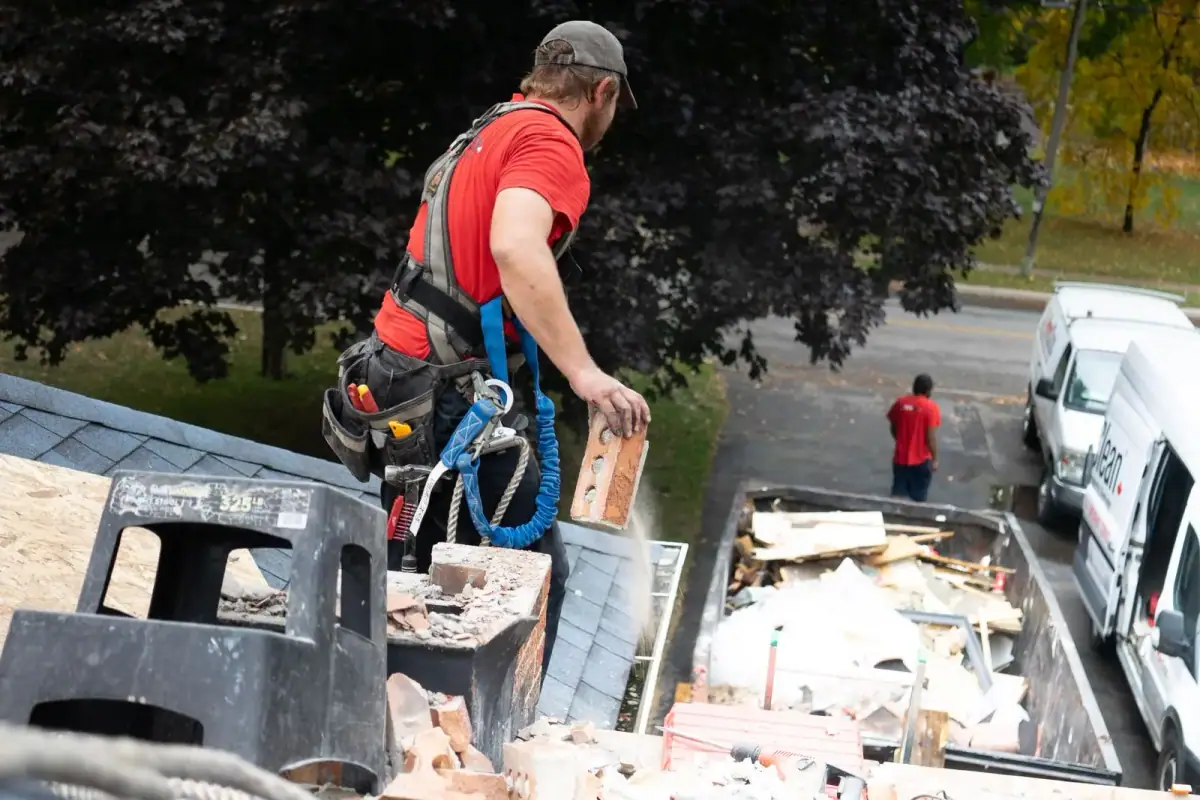
Alpha Demolish removes masonry chimneys across North Carolina. We take them down from the top by hand, lower debris through chutes, and close up the roof, walls and interior so the chimney is gone without a trace. We can remove just the part above the roof, the full exterior stack, or the chimney and fireplace all the way down to the foundation.
This page explains what our chimney removal service includes, the partial and full options, how we protect your home and handle gas vents, what affects the cost and how to prepare.
When should a chimney come down?
A leaning chimney is urgent — keep people clear of where it could fall and have it inspected quickly, as it can come down in the high winds North Carolina sees during storms and hurricanes. The common signs a chimney should be removed are:
Leaning or separating
A chimney leaning or pulling away from the house, usually because the footing has settled in clay soil.
Cracked, loose bricks
Cracked, loose or missing bricks and mortar washed out by our wet climate.
Leaks around the chimney
Water stains in ceilings or the attic where failed flashing lets rain in around the chimney.
Crumbling crown or cap
A crumbling crown, cap or loose, rusted flashing at the top of the stack.
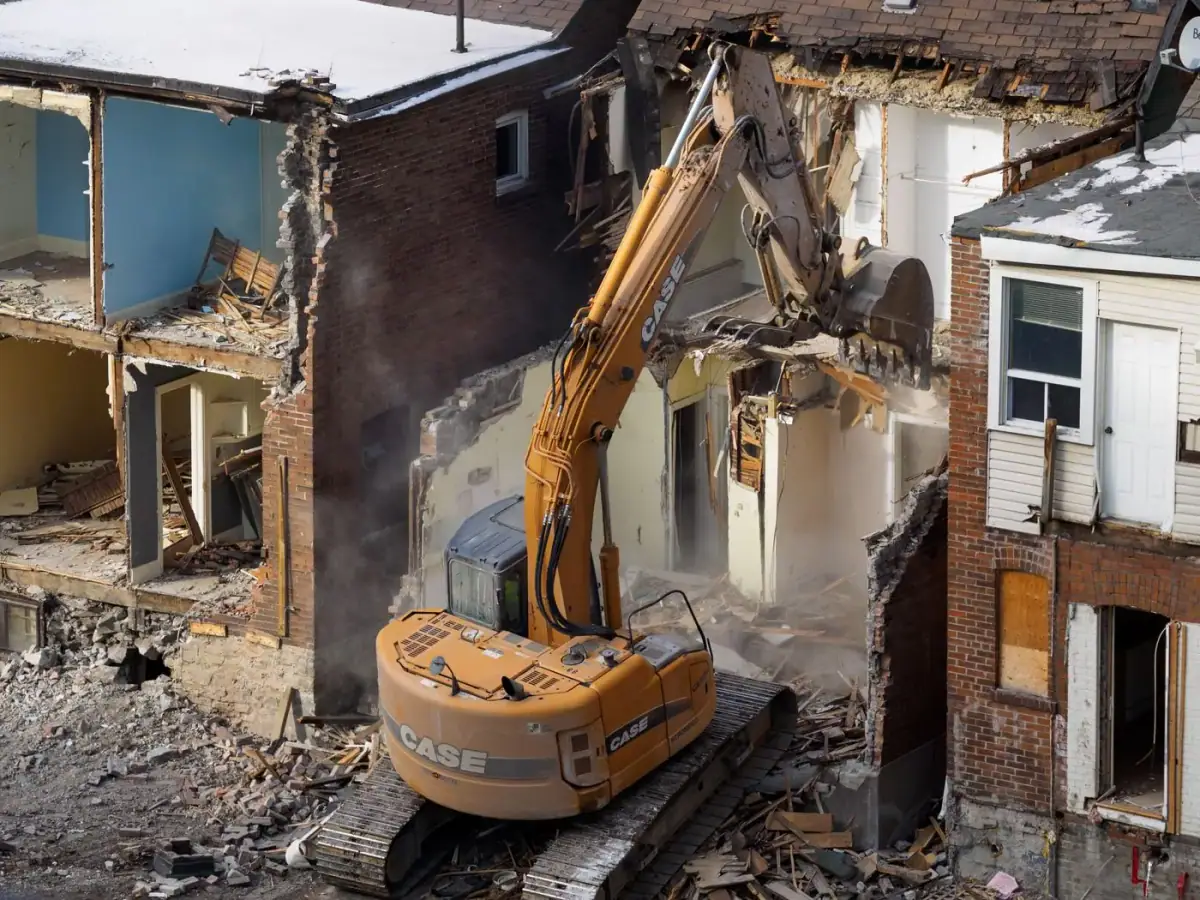
Unused fireplace
An unused fireplace that causes drafts and heat loss but still needs maintenance.
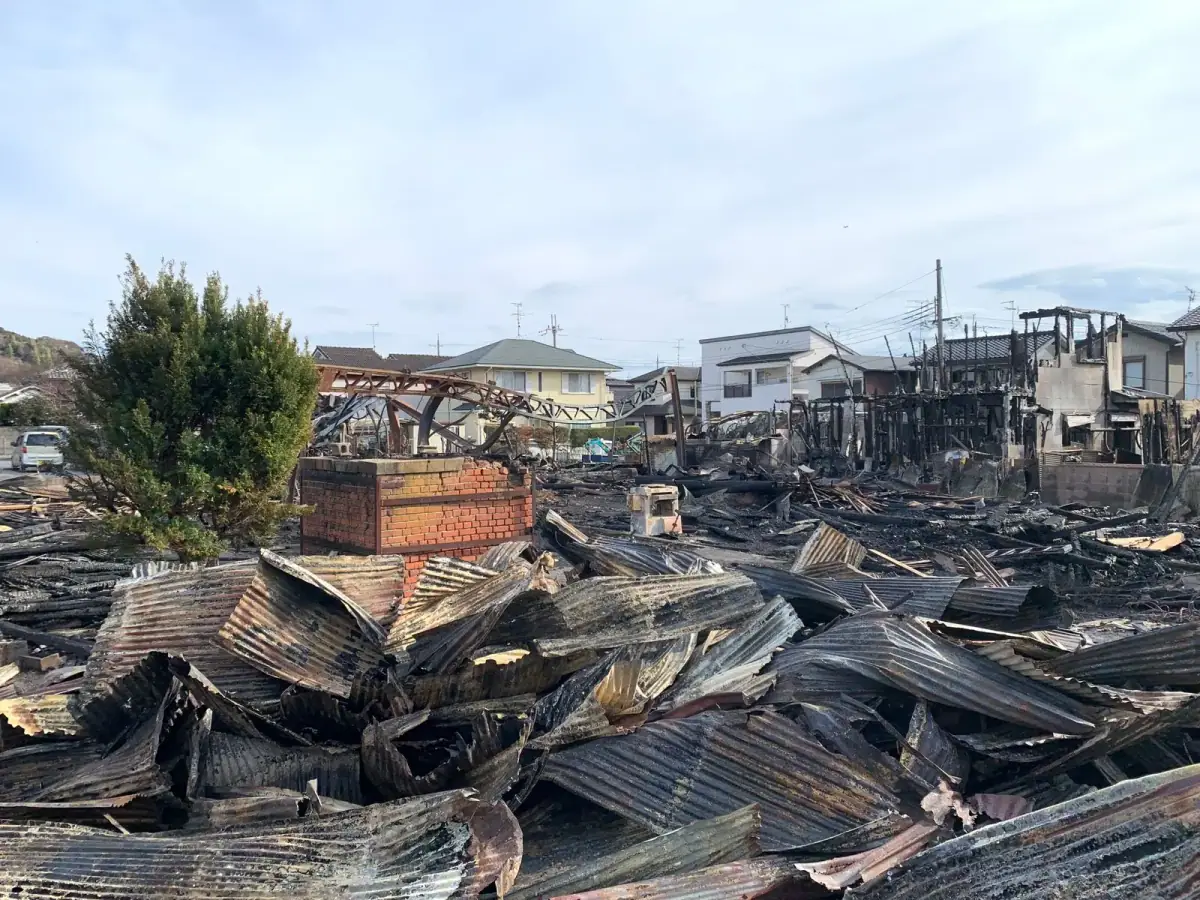
Storm damage
Bricks falling after storms or high winds, a hazard to the roof, yard and people below.
What’s included in our chimney removal service
A chimney removal is only as good as the roof, wall and interior left behind. Every Alpha Demolish chimney removal in North Carolina includes:
- 01Inspection.
We check the chimney’s condition, how it ties into the roof and framing, and whether any appliances vent through it.
- 02Vent planning.
Gas furnaces, water heaters or gas logs that use the chimney are disconnected or re-vented by licensed trades first.
- 03Setup and protection.
Scaffolding, roof protection, debris chutes and ground protection outside; rooms sealed with plastic and floors covered inside.
- 04Top-down removal.
Bricks are removed by hand from the top, one course at a time, and lowered through chutes — never pushed over.
- 05Roof closing in.
Roof openings are framed, decked, underlaid and shingled to match as closely as possible.
- 06Wall and interior closing in.
Exterior wall openings are framed, sheathed and wrapped; interior openings are framed for drywall.
- 07Fireplace handling.
A retained fireplace has its damper and flue sealed; a removed fireplace, hearth and footing free up floor space.
- 08Clean-up and recycling.
Brick and mortar are hauled away and recycled, and the site and interior are cleaned.
Our chimney removal process, step by step
Every chimney comes down in a controlled, top-down sequence that protects the roof, the house and the people inside.
Day 1
Inspection
We check the chimney’s condition, how it ties into the roof and framing, and whether any appliances vent through it.
Pre-demo
Vent planning
Gas furnaces, water heaters or gas logs that use the chimney are disconnected or re-vented first.
Work day
Setup
Scaffolding, roof protection, debris chutes and ground protection go up outside; inside, rooms are sealed and floors covered.
Work day
Top-down removal
Bricks are removed by hand from the top, one course at a time, and lowered through chutes.
1–2 days
Closing in
Roof openings are framed, decked and shingled; wall openings framed and sheathed; interior openings closed.
Handover
Clean-up and handover
Brick and mortar are hauled away and recycled, the interior is cleaned, and we walk it with you.
READY TO CLEAR THE SITE?
Tell us what needs to come down.
Send a few project details and our team will get back to you with the next steps.
What we remove and how we keep it safe
Chimney work we do
From an exterior stack to a full chimney and fireplace, we remove masonry chimneys of every kind.
- Exterior masonry chimneys and stacks
- Interior chimneys through the roof
- Chimneys and fireplaces to the foundation
- Brick, block and stone chimneys
- Crowns, caps and failing flashing
- Fireboxes, hearths and footings
- Roof and wall closing-in after removal
- Damper and flue sealing on kept fireplaces
Hazards and interior protection
Older chimneys hold hazards, and the work happens over your roof and inside your home, so protection is built into every job.
- Top-down hand removal, never pushed over
- Debris lowered through chutes, not dropped
- Asbestos in flue pipe and liners inspected first
- Soot and creosote contained inside the flue
- Rooms sealed with plastic and floors covered
- Gas appliances re-vented by licensed trades
- Scaffolding and roof fall protection
- General liability and workers’ comp insurance
Chimney removal cost in North Carolina
Chimney removal is priced by height, how much is removed and the roof and wall repair required. You receive a fixed, itemized quote after a site visit.
| Cost factor | Why it matters |
|---|---|
| Height | Taller chimneys need more scaffolding and hand work. |
| Inside or outside | Interior chimneys need more protection and interior repair. |
| Partial or full | Removing to the foundation, with the fireplace, is the largest scope. |
| Site access | Steep roofs and tight side yards add setup time. |
| Roof and wall repair | The size of the openings to frame, deck, shingle or sheathe. |
| Vent relocation | New vents for gas appliances by licensed trades. |
| Permits | Local permit fees and historic review where required. |
How long does chimney removal take?
Most chimney removals take one to three days. If you are planning a new roof, removing the chimney first lets the roofer shingle straight over the opening — cleaner and cheaper than patching later.
| Stage | Typical duration |
|---|---|
| Site visit and estimate | A few business days |
| Permit / historic approval (if needed) | A few days to several weeks |
| Gas vent relocation | Scheduled before removal |
| Above-roofline removal | Usually 1 day |
| Full chimney and fireplace removal | 2–3 days |
| Roof, wall and interior closing-in | Included, 1–2 days |
Partial or full chimney removal?
How much of the chimney comes out depends on its condition, whether it is inside or outside, whether it supports framing, and how much interior work you want.
Above the roofline
The chimney is removed to below the roof, the roof is decked and shingled over, and the rest stays hidden. The least disruptive option and a common fix for leaks.
Full exterior chimney
An exterior stack on the side of the house is removed to the ground, and the wall opening is framed, sheathed and prepared for siding or brick.
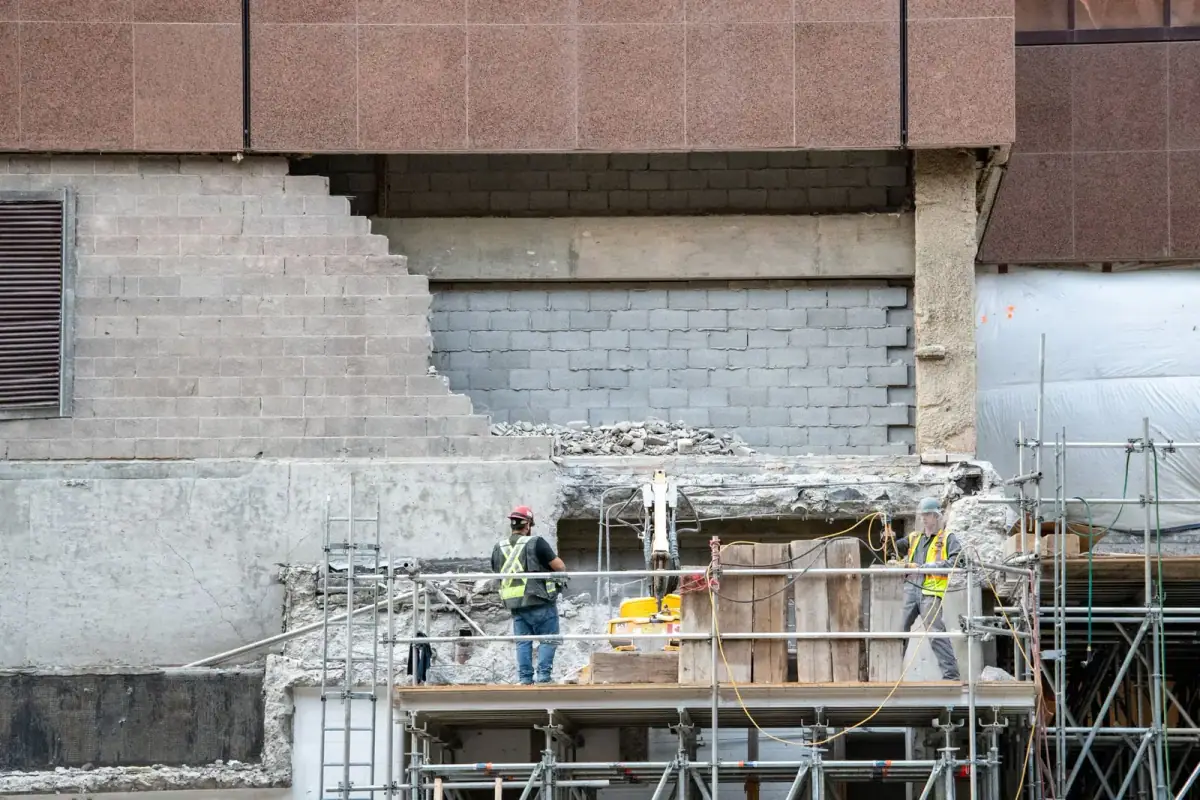
Chimney and fireplace
The chimney, firebox, hearth and footing are removed completely, freeing up floor space inside. This needs the most planning and interior protection.
If you are keeping the fireplace but removing the chimney above the roof, it can no longer be used for wood fires — we seal the damper and flue, and it can stay decorative or take an electric insert.
Permits, historic homes and structural review
Chimney removal involves the roof and sometimes structural framing, so permits and reviews often apply. We confirm what your project needs:
- Building permit. Many North Carolina jurisdictions require a permit because the work involves the roof and sometimes framing, especially for full removals.
- Historic districts. Chimneys are often character-defining features. In a local historic district, removal usually needs a certificate of appropriateness from the historic preservation commission.
- Structural review. If the chimney supports floor or roof framing, an engineer should confirm how that support will be replaced.
- Gas appliance venting. Appliances that vent into the chimney must be re-vented to code by state-licensed HVAC or plumbing contractors before removal.
- Asbestos inspection. Older chimneys can contain asbestos in flue pipes and liners; an inspection by an NC-accredited inspector may be required for the permit.
- HOA approval. Exterior changes may need HOA architectural approval.
If your chimney is leaning or pulling away from the house, keep people out of the area it could fall into and have it inspected quickly. Leaning chimneys can come down in high winds.
How to prepare for chimney removal
A little preparation keeps the project safe and on schedule:
NOT SURE YET?
Let’s talk through your chimney
Send a few photos and a specialist will tell you whether to remove above the roofline or the full stack, plus timing and a ballpark cost — no commitment needed.
Debris removal, recycling and repair
Chimney masonry is recyclable, and the repair we leave behind is part of the job:
- Brick and block. Sound brick can be cleaned and salvaged for reuse; the rest is crushed and recycled as aggregate.
- Stone. Natural stone from a stone chimney is set aside for reuse where you want it.
- Metal. Flashing, caps, dampers and flue liners are recycled as scrap.
- Roof and wall patch. The roof is decked and shingled to match, and walls are framed, sheathed and wrapped, ready for siding, brick or drywall.
Spring and fall are ideal for chimney work in North Carolina — outside the heating season and before peak storm season. We provide disposal records on request.