 01Post Demolition
When you need post-demolition clean-up
Clean-up and haul-off requests generally come from one of these situations:
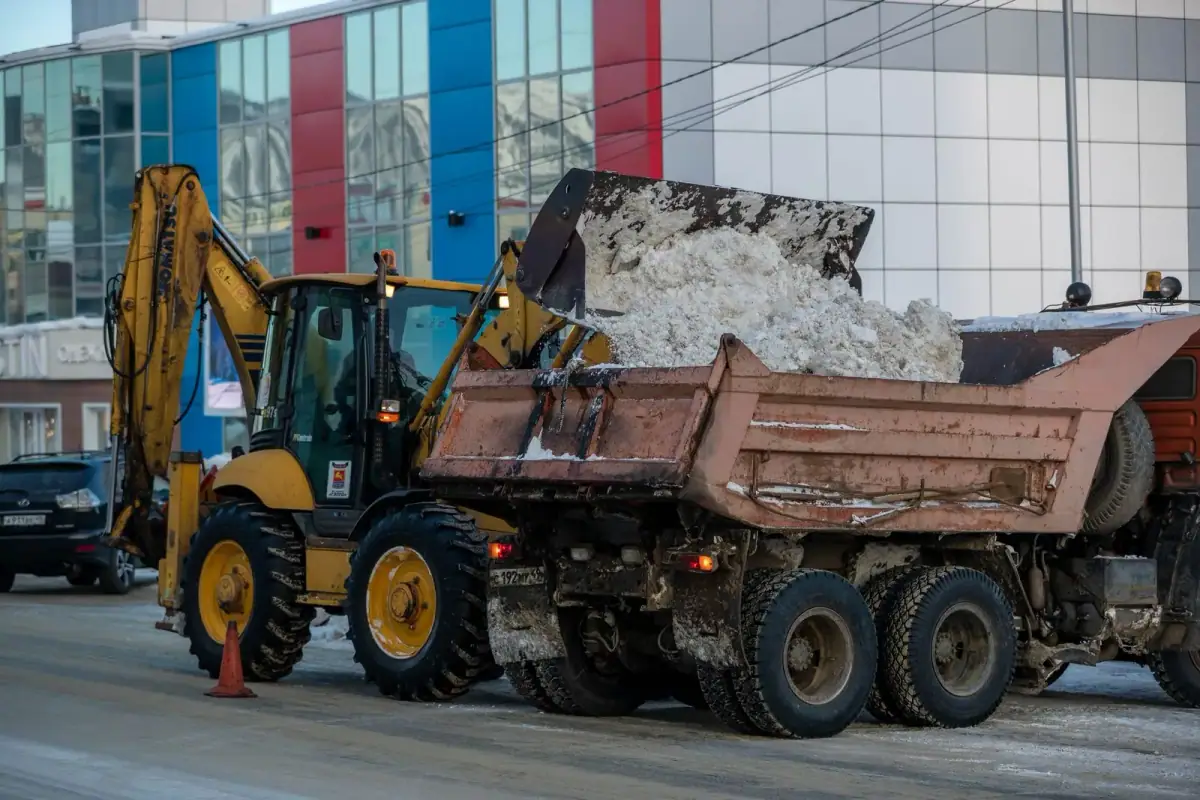
After demolition
The structure is down but the rubble, sorted piles and below-grade debris still have to leave the site before surveying, excavation or foundation work can begin.
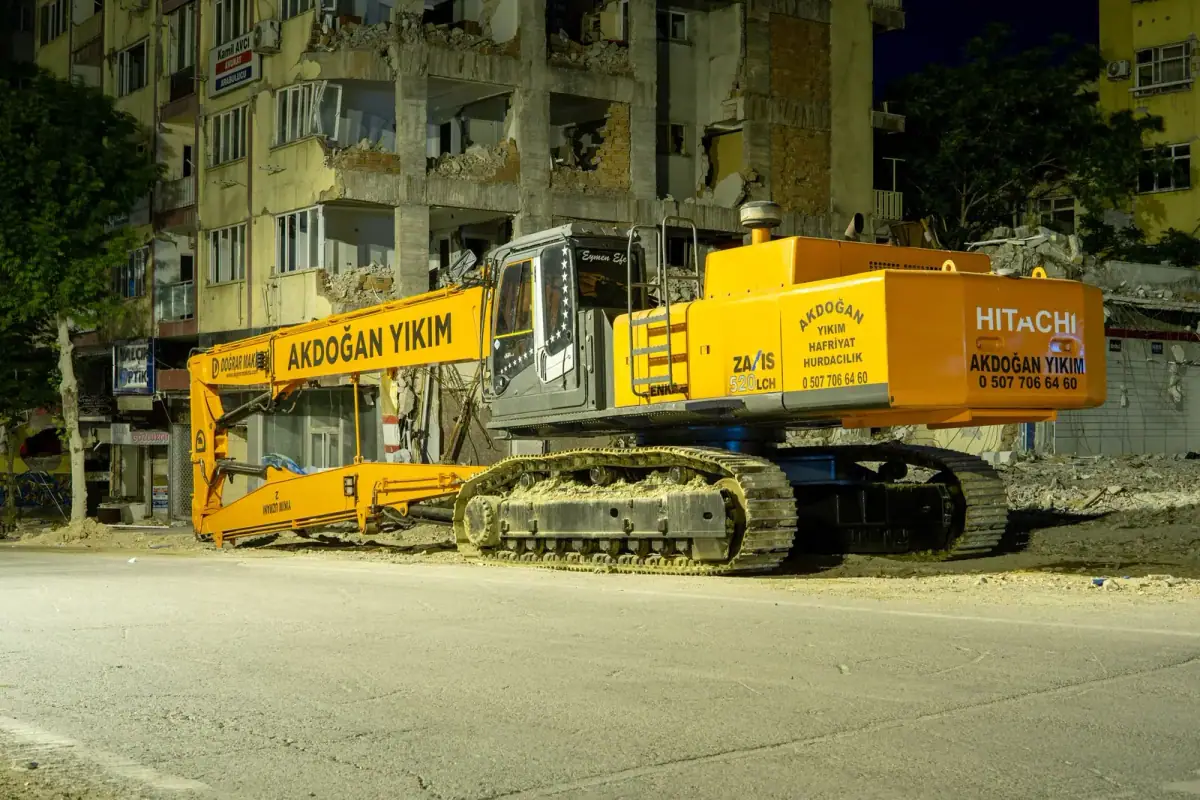
After renovation
Strip-out debris, old fixtures, flooring, drywall and packaging accumulate faster than a skip gets emptied. Regular haul-off keeps the trades working.
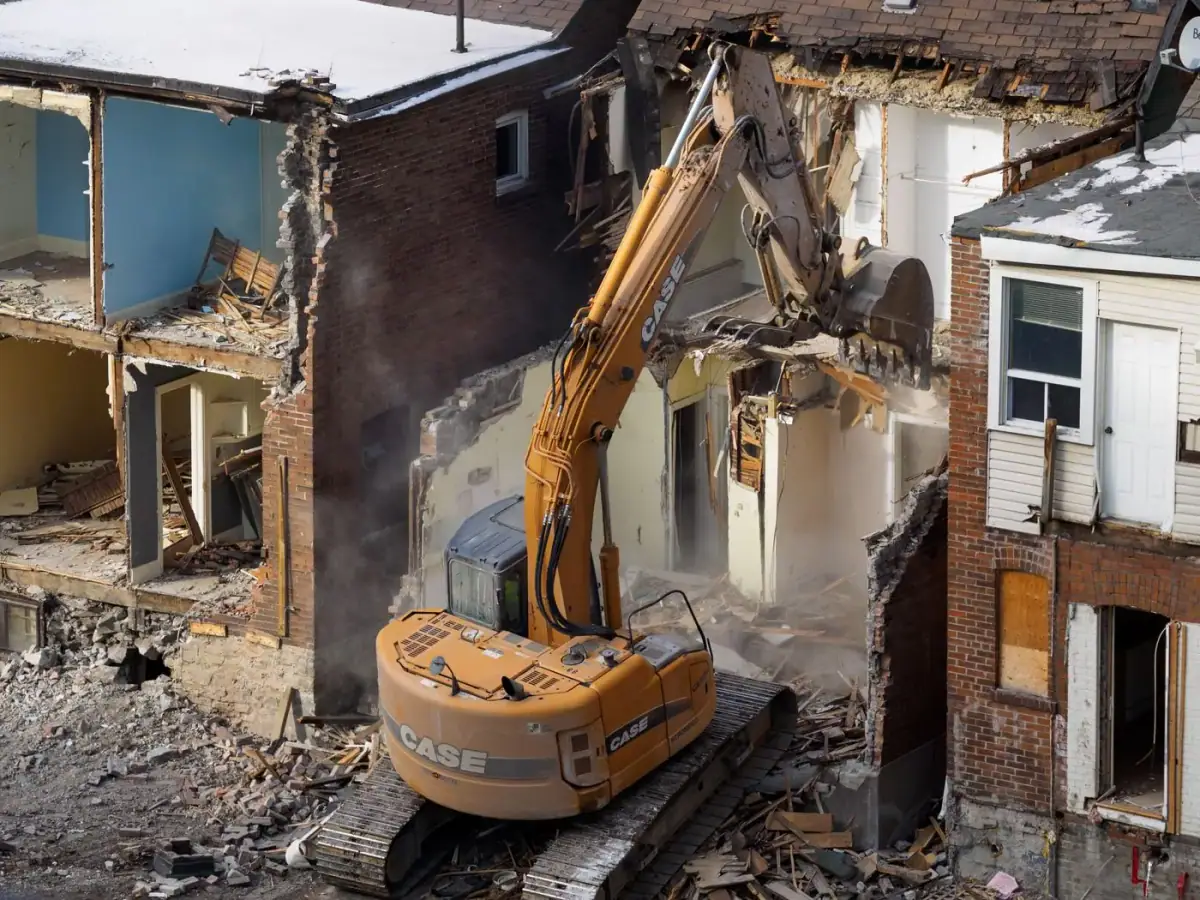
Before demolition
Buildings are rarely empty. Furniture, stock, equipment and general junk have to come out before a permit is issued or a machine arrives.
Estate and property clear-outs
Executors, landlords and property managers need a building emptied of contents entirely, with donation and recycling handled rather than everything landfilled.
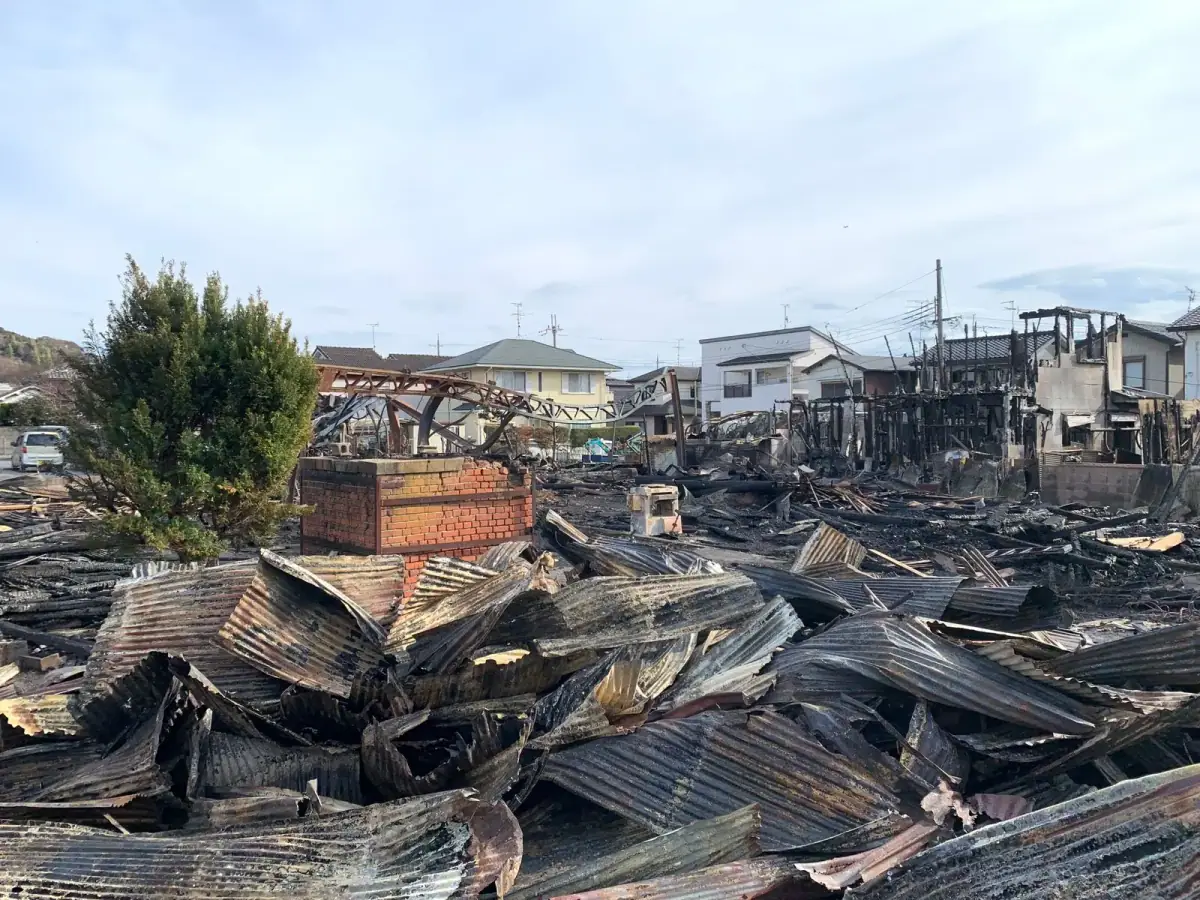
Storm damage
After hurricanes and flooding there is debris across a site that has to be sorted, with damaged contents and building materials separated for different disposal routes.
Green building targets
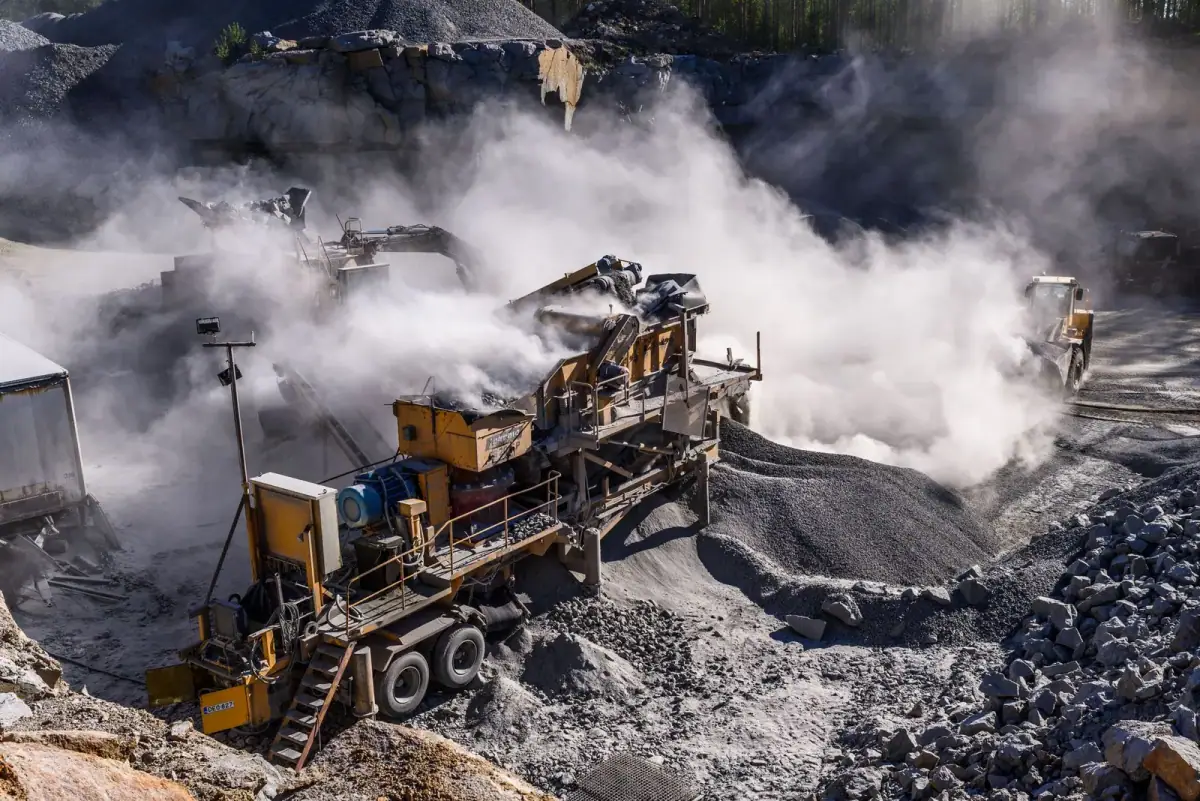
LEED and similar programmes require documented diversion rates. That needs sorting discipline on site and weight tickets afterwards, not just a full dumpster.
What a post-demolition clean-up includes
Scope is agreed before we mobilize, so you know exactly what condition the site will be in when we leave:
- 01Site assessment.
We check debris volume and type, access for trucks and bins, ground conditions and anything needing separate handling before quoting.
- 02Material segregation.
Concrete, masonry, metals, clean wood, drywall, cardboard and general waste separated into streams so each goes to the right facility.
- 03Rubble and loose material removal.
Everything above grade cleared, including the awkward material along boundaries, in corners and under where the structure stood.
- 04Below-grade debris.
Material that has fallen into basements, trenches, tank pits and voids removed before backfill, rather than buried in it.
- 05Hazardous and banned items.
Appliances, electronics, refrigerants, fluorescent tubes, paint, propane cylinders, tyres and batteries separated and routed to the correct facility.
- 06Magnetic sweep.
The site and access route swept with magnets for nails, screws, banding and offcuts — the main cause of punctured tyres on the next trade’s vehicles.
- 07Loading and haulage.
Roll-off bins, dump trucks and trailers sized to the material and the access, with as many turns as the volume needs.
- 08Dust control.
Water suppression during loading and sweeping so clearing the site does not coat the neighbours.
- 09Street and access cleaning.
Mud, dust and debris swept from sidewalks and public roads, which most NC jurisdictions require and will cite you for.
- 10Final sweep or wash-down.
Broom-clean finish on hard surfaces, or pressure wash where the next trade needs a clean substrate.
- 11Documentation.
Weight tickets, disposal manifests, diversion percentages by weight and before-and-after photographs.
- 12Final walkthrough.
We walk the site with you and deal with anything outstanding before demobilizing, not after.
Why the magnetic sweep matters
It is the cheapest line item on the quote and the one that saves the most money. A single nail through a delivery truck tyre costs more than the sweep, and on a live site it happens repeatedly.
Where each material actually goes
Diversion is a sorting problem, not a paperwork problem. Material separated on site has value; the same material mixed in one bin is waste. This is how we route the main streams:
| Material | Destination |
|---|---|
| Concrete, brick and block | Crushed for reuse as aggregate, base or backfill, often back into the same site to cut import costs. |
| Structural steel and rebar | Scrap metal recyclers, usually as a credit against the project. |
| Copper, aluminium and cable | Separated and sold as non-ferrous scrap, which carries significantly higher value. |
| Clean untreated wood | Mulch, biomass fuel or reuse where local facilities accept it. |
| Treated and painted wood | C&D landfill; it cannot go into mulch or biomass streams. |
| Drywall | Recycled into new board or soil amendment where a facility is within haul range, otherwise C&D landfill. |
| Asphalt shingles and paving | Asphalt recyclers where available, reprocessed into new pavement material. |
| Appliances and white goods | Refrigerants recovered first, then metal recycled. North Carolina bans white goods from landfills. |
| Electronics | Licensed e-waste recyclers. North Carolina bans most electronics from landfills. |
| Asbestos-containing material | Licensed abatement contractors and permitted disposal facilities only, under NC and federal rules. |
| Paint, solvents and chemicals | Household or commercial hazardous waste facilities, manifested separately. |
| Tyres and batteries | Dedicated recycling streams. Both are banned from North Carolina landfills. |
| Mixed non-recyclable debris | Permitted construction and demolition landfills or transfer stations, with weight tickets. |
On concrete-heavy demolition sites this typically produces diversion rates of 70 to 90 percent by weight. We report the actual figure with supporting tickets rather than an estimate.
North Carolina disposal rules
Clean-up work rarely needs a permit of its own, but where material goes is tightly regulated. Illegal dumping and landfill bans are enforced, and liability follows the waste generator — meaning the property owner, not just the hauler.
- North Carolina landfill bans. State law bans a list of items from landfills, including white goods and appliances, electronics, televisions and computers, whole tyres, lead-acid batteries, used oil, yard trash in lined landfills, wooden pallets and aluminium cans. These must be routed to dedicated recycling streams.
- Permitted facilities only. Construction and demolition debris must go to permitted C&D landfills or transfer stations. We use licensed facilities and provide the tickets that prove it.
- Asbestos disposal. Asbestos-containing material must be removed by NC-accredited abatement workers and disposed of at facilities permitted to accept it, with manifests retained.
- Hazardous waste determination. Commercial and industrial sites may need a waste determination under RCRA before disposal. Paints, solvents, fuels and process residues cannot go into general debris.
- Refrigerant recovery. Federal rules require certified recovery of refrigerants from air conditioning and refrigeration equipment before the units are scrapped.
- Erosion and sediment control. Where clean-up disturbs soil, NC Sedimentation Pollution Control Act measures apply. Keeping sediment out of storm drains is a legal requirement, not good practice.
- Street cleanliness. Most cities and counties require tracked mud and debris to be cleaned from public roads, and issue citations where it is not.
- Open burning. Burning demolition debris is prohibited under NC air quality rules. Material has to be hauled, not burned.
Keep your paperwork
Weight tickets and disposal manifests are your evidence that material went to a permitted facility. We provide them as standard, and you should keep them — liability for improperly disposed waste can come back to the property owner years later.
How a clean-up runs
Small clear-outs happen in a single visit. Large sites are phased so bins and trucks keep cycling without blocking other trades.
01
Day 1
Site visit or photo assessment
We check volume, material types, access and ground conditions. For straightforward jobs, photos and measurements are enough to quote.
02
Day 1–2
Quote and scheduling
A fixed price with the finished condition defined, and a date. Most clean-ups can be scheduled within the same week.
03
Mobilize
Set-up and protection
Bins positioned, access routes protected, dust suppression ready, and anything staying on site identified and protected.
04
Clean-up
Sorting and separation
Material separated into streams as it is handled. Sorting during loading is what makes diversion rates real.
05
Clean-up
Loading and haulage
Bins and trucks cycle to the appropriate facilities, with turns scheduled so the site never stalls waiting for a truck.
06
Clean-up
Below-grade and edge clearing
Voids, trenches, basements, boundaries and corners cleared — the areas usually left behind.
07
Finish
Magnetic sweep and final clean
Magnets over the site and access route, then a broom sweep or wash-down to the agreed standard.
08
Handover
Documentation and walkthrough
Weight tickets, manifests, diversion figures and photos issued, and a final walkthrough with you before we leave.
READY TO CLEAR THE SITE?
Tell us what needs to come down.
Send a few project details and our team will get back to you with the next steps.
What post-demolition clean-up costs
Clean-up is priced by volume, weight and labour rather than area. As general guidance, roll-off bins in North Carolina commonly run about $350 to $750 delivered, hauled and tipped depending on size, material and location, with heavy material like concrete priced by the ton. Full-site clean-ups and junk removal are quoted as a fixed job after an assessment.
| Cost factor | Why it matters |
|---|---|
| Volume and weight | Concrete and masonry are priced by weight because they hit truck limits long before they fill a bin. |
| Material mix | Pre-sorted material is cheaper to handle and cheaper to tip. Mixed loads attract higher rates at most facilities. |
| Tipping fees | Facility rates vary across the state, and recyclers often charge less than C&D landfills for clean streams. |
| Haul distance | Distance to the nearest permitted facility drives truck cycle times, especially in rural counties. |
| Site access | Where a bin or truck cannot reach the debris, everything moves by hand or machine first, which adds labour. |
| Hand-loading requirements | Interior clear-outs, upper floors without lifts, and sites with no machine access are labour-intensive. |
| Banned and hazardous items | Appliances, electronics, tyres, batteries and chemicals each need separate routing and carry their own fees. |
| Scrap value | Recoverable steel, copper and non-ferrous metal offset cost, sometimes substantially. |
| Schedule pressure | Same-day response, weekend work and out-of-hours access carry premium rates. |
| Documentation requirements | Detailed diversion reporting for LEED or public sector work adds administrative time. |
Where we have also done the demolition, clean-up is usually included in the contract at a lower combined cost, because sorting happens during demolition rather than as a second pass over the same material.
How long clean-up takes
Most clean-ups can be scheduled within the same week, and emergency or same-day response is available where access allows.
| Job | Typical duration |
|---|---|
| Single-item or small junk removal | A few hours |
| Garage, shed or single-room clear-out | Half a day to 1 day |
| Full house contents clear-out | 1–2 days |
| Post-renovation debris removal | 1–2 days |
| Residential demolition site clean-up | 1–3 days |
| Commercial site clean-up | 3 days to 2 weeks |
| Industrial site clearance | 2 weeks to several months |
| On-site concrete crushing and processing | Runs alongside clearing, by volume |
What “clean” means on our quotes
Clean-up disputes almost always come from an undefined finish standard. We state which of these applies before starting:
- Cleared. All debris and material removed from site. Ground left as demolition finished it, without grading or sweeping.
- Rake-clean. Debris removed and the surface raked level, with visible material and larger fragments picked out. Suitable ahead of excavation or grading.
- Broom-clean. Hard surfaces swept, dust and fine material removed, magnetic sweep completed. The standard most trades expect before they start.
- Wash-down. Pressure washed after sweeping, for slabs and surfaces receiving coatings, adhesives or new finishes.
- Graded and stabilized. Voids backfilled and compacted, site rough-graded for drainage and erosion control installed. The standard for a site being handed to a builder.
NEED A SITE CLEARED?
Let’s clear and haul it away
Send photos or describe the site and a specialist will quote a fixed price to a defined finish standard, with the right bins and licensed disposal — no commitment needed.
Clean-up and hauling service areas
Alpha Demolish works throughout North Carolina, from the mountains to the coast, including:
Charlotte metro
Charlotte • Concord • Gastonia • Huntersville • Matthews • Mint Hill • Mooresville • Cornelius • Indian Trail • Monroe
Research Triangle
Raleigh • Durham • Cary • Chapel Hill • Apex • Wake Forest • Holly Springs • Garner • Morrisville • Fuquay-Varina
Piedmont Triad
Greensboro • Winston-Salem • High Point • Burlington • Kernersville • Thomasville
Coastal North Carolina
Wilmington • Jacksonville • New Bern • Morehead City • Greenville • Outer Banks
Western North Carolina
Asheville • Hendersonville • Hickory • Boone • Morganton • Waynesville
Sandhills & Eastern NC
Fayetteville • Southern Pines • Pinehurst • Sanford • Goldsboro • Rocky Mount • Wilson
Don’t see your town? Contact us and we’ll confirm availability and the nearest permitted facilities for your address.
Why clients choose Alpha Demolish for clean-up
A defined finish standard
Cleared, rake-clean, broom-clean, washed or graded — stated on the quote, so there is no argument about what “clean” meant.
Real diversion figures
Material sorted during handling, not estimated afterwards, with weight tickets and percentages by weight to back it up.
Licensed facilities only
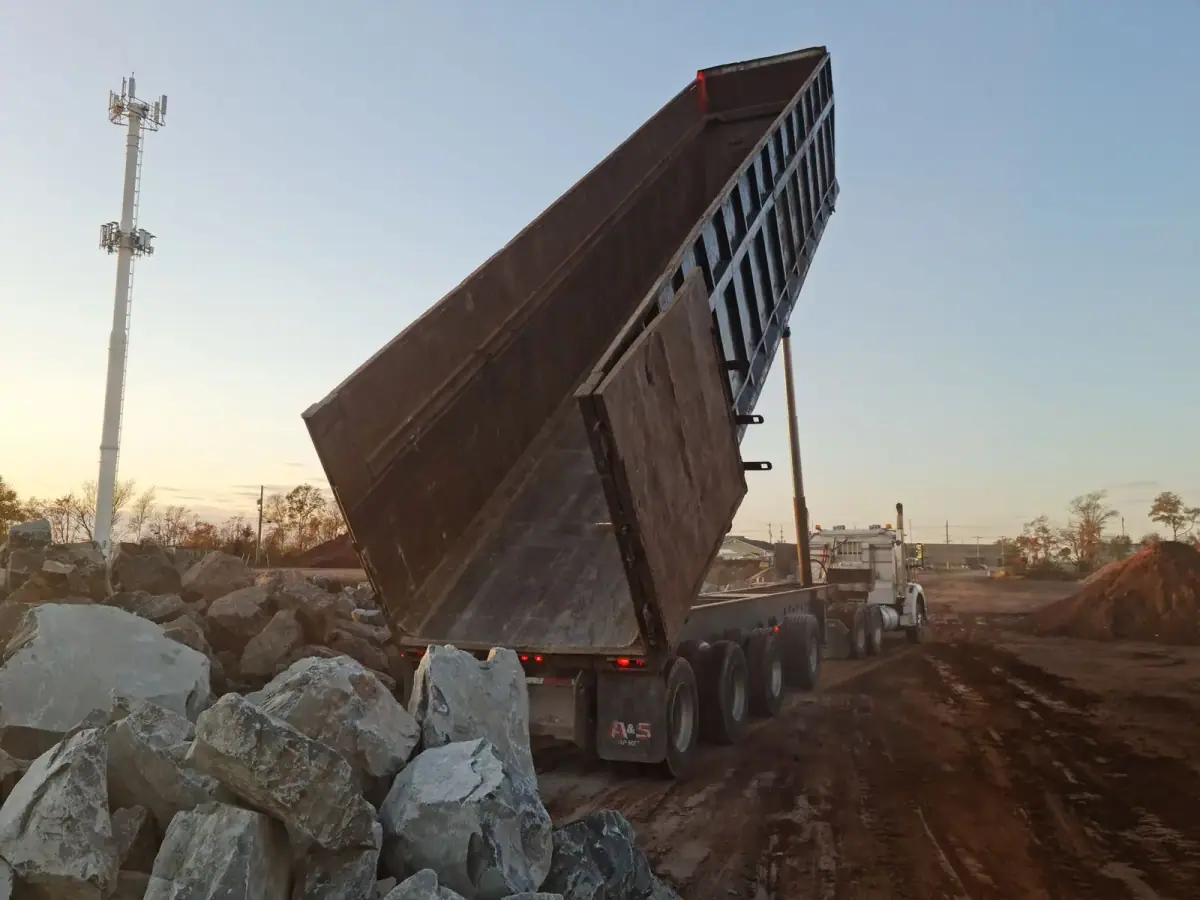
Every load goes to a permitted recycler, transfer station or landfill, with manifests you keep for your records.
Right equipment for access
Bins from 10 to 40 yards, dump trucks, trailers and loaders, sized to the material and to what the site can actually take.
Fast scheduling
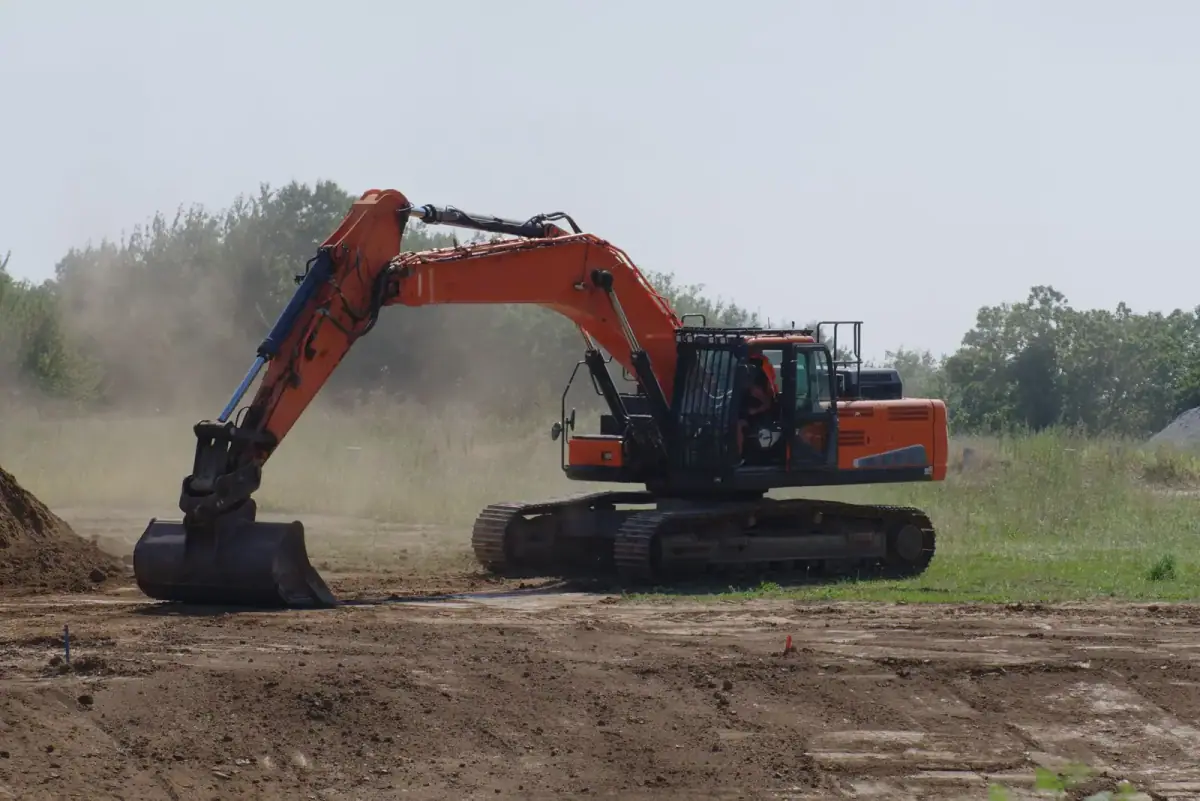
Most clean-ups booked within the same week, with same-day response available where access allows.
Photo documentation
Before-and-after records for your files, client, insurer or green building submission.