Concrete steps removal in North Carolina
Concrete steps are often the first thing visitors see, and one of the first things to fail. Across North Carolina, steps crack, settle and pull away from the house as the ground beneath them shifts. Clay soils swell and shrink with rainfall, backfill around foundations settles over time, and runoff from roofs and gutters washes out the soil underneath.
Alpha Demolish removes front, back, side and garden concrete steps across North Carolina. We separate the steps from your foundation without damaging it, remove the concrete along with any footing or fill, and leave the area ready for new steps, a landing, a porch or an accessible ramp.
This page explains what our concrete steps removal service includes, how we protect your foundation, the code and permit rules for new steps, what affects the cost and how to prepare.
When do concrete steps need replacing?
Steps that have sunk but are still in one piece can sometimes be lifted. Steps that are cracked through, separated from the house or badly out of level are almost always better replaced. The usual warning signs are:
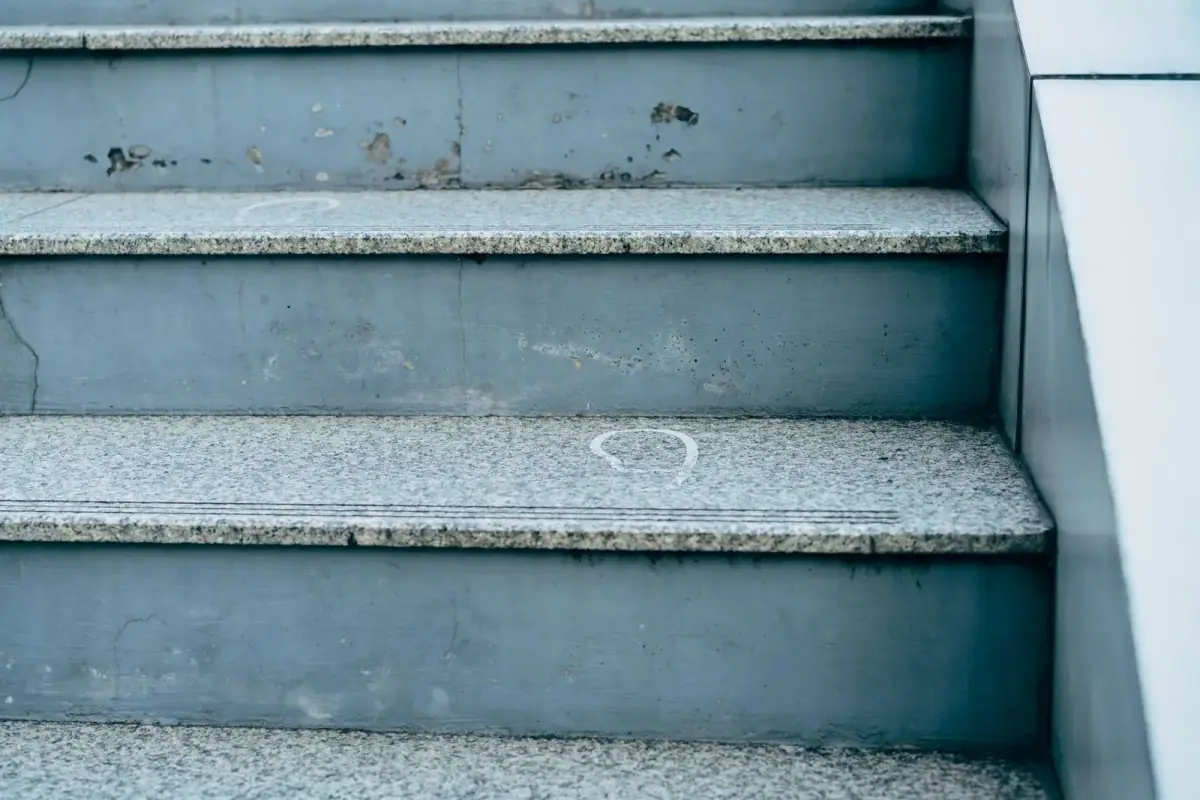
Pulling away from the house
Steps separating from the wall and leaving a widening gap, usually because the soil beneath them has settled.
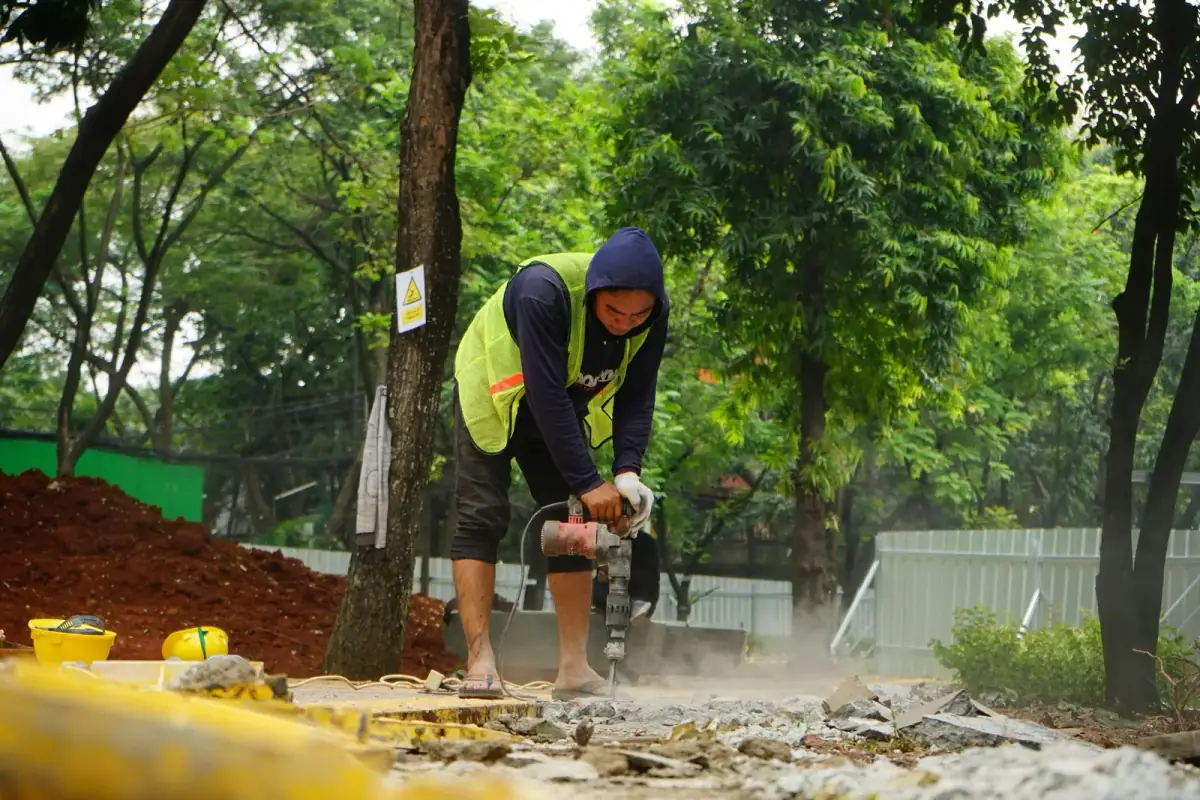
Cracked or crumbling treads
Treads that are cracked through, spalling or crumbling and can no longer be safely patched.
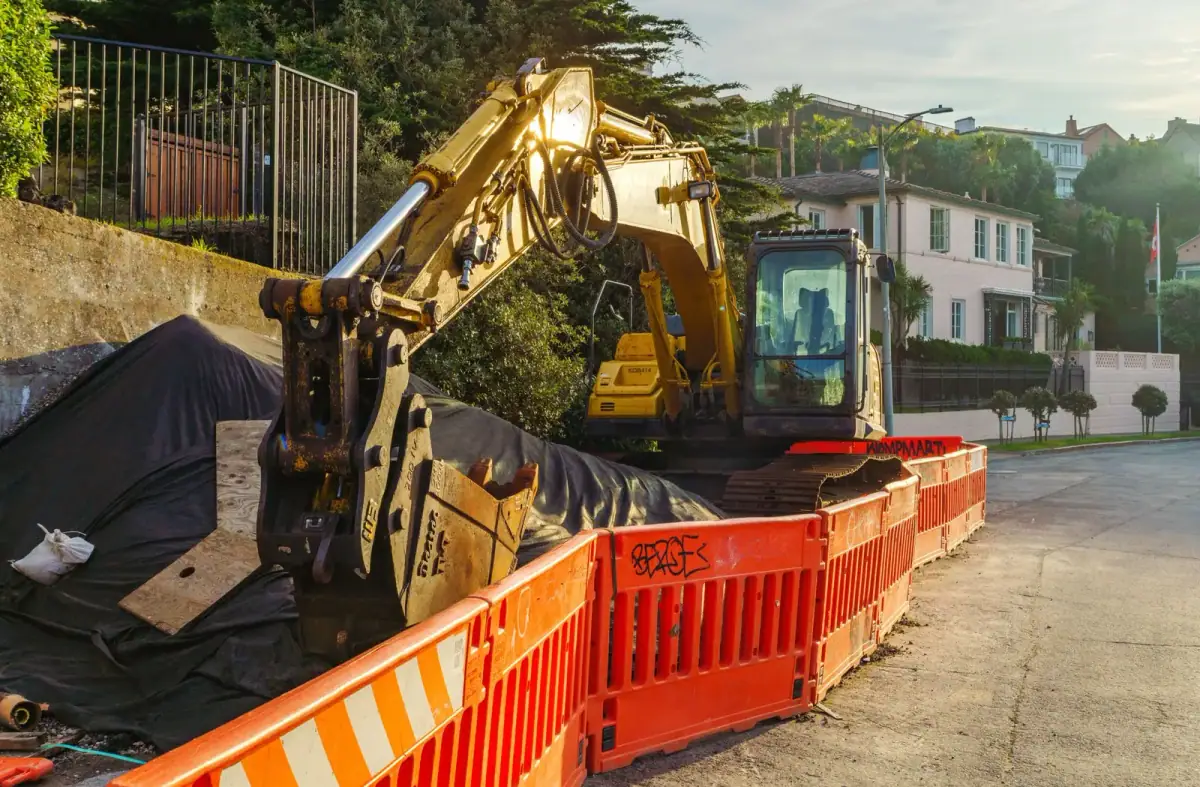
Uneven or sinking steps
Uneven riser heights that cause trips, or steps sinking and tilting to one side.

Water toward the foundation
Steps that now channel water toward the house, worsening settlement and foundation problems.

Loose or rusted railings
Railings that have rusted or worked loose from cracked concrete and are no longer safe to grip.
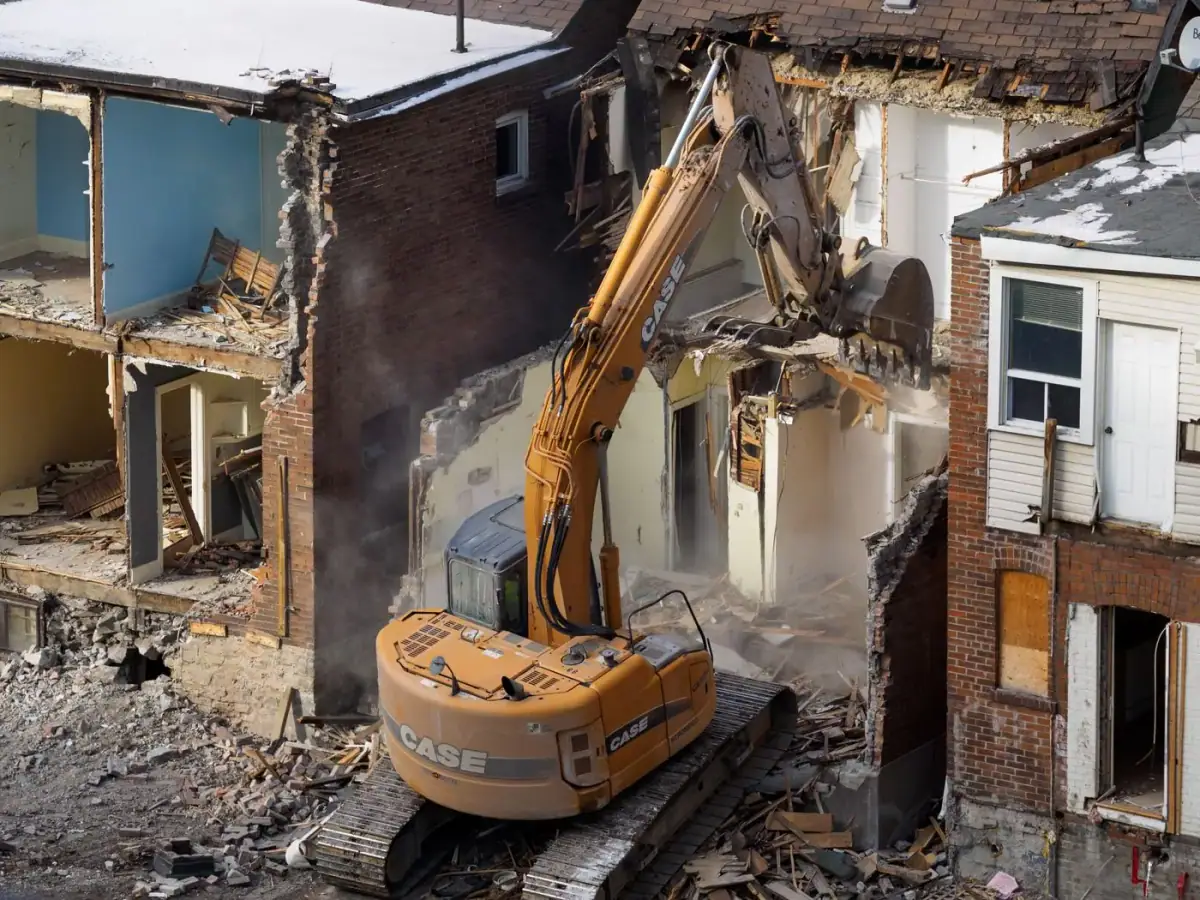
Door no longer lines up
A top step that no longer meets the door threshold as the steps have dropped away from the house.
What’s included in our concrete steps removal service
A clean steps removal protects the house and leaves the site ready to rebuild. Every Alpha Demolish concrete steps removal in North Carolina includes:
- 01Site visit and quote.
We check the steps, how they meet the house, and your plans for new access.
- 02Railing removal.
Iron and aluminum railings are removed and recycled.
- 03Saw-cutting and separation.
Steps are cut free from the foundation and any walkway that stays.
- 04Breaking and removal.
Concrete, brick and stone are broken out by hand and machine and hauled away.
- 05Footings and fill.
Old footings and loose fill beneath the steps are removed.
- 06Foundation check.
The foundation face is left clean, and any damage uncovered behind the steps is shown to you.
- 07Surface prep.
The ground is compacted and leveled, ready for new footings, steps or a ramp.
- 08Recycling.
Concrete and brick are recycled rather than landfilled.
Our concrete steps removal process, step by step
Steps removal is a small, quick job, but the sequence matters to protect the house and keep the doorway safe.
Day 1
Quote
Photos and a quick visit are usually all we need to give a fixed price.
Pre-work
Access plan
We agree how you will use or secure the door while the steps are gone.
Work day
Railings off
Iron and aluminum railings are removed and set aside for recycling.
Work day
Cut and remove
The steps are cut free from the foundation and broken out by hand and machine.
Work day
Footings and prep
Old footings and loose fill are removed, and the ground is compacted and leveled.
Handover
Clean-up and handover
Debris is hauled away and the site is left ready for new steps, and we walk it with you.
READY TO CLEAR THE SITE?
Tell us what needs to come down.
Send a few project details and our team will get back to you with the next steps.
What we remove and how we protect your home
Types of steps we remove
From a small front stoop to a brick-faced landing, we remove every kind of residential concrete step.
- Poured-in-place concrete steps
- Precast concrete step units
- Brick and stone-veneer steps
- Steps with stoops and landings
- Small front-porch slabs attached to steps
- Garden and yard steps set into slopes
- Steps pinned or tied to the foundation
- Iron and aluminum railings and posts
Protecting your foundation
Most steps sit against the foundation, and some are pinned to it. Careless breaking can crack walls or veneer, so we work away from the house.
- Connection to the foundation saw-cut where needed
- Steps broken away from the house, never toward it
- Hand tools and small breakers next to the foundation
- Foundation vents, hose bibs and lines protected
- Waterproofing and brick veneer kept intact
- Foundation face left clean for new steps
- Any hidden damage shown to you before rebuild
- General liability and workers’ comp insurance
Concrete steps removal cost in North Carolina
Steps removal is a smaller job, and we give a fixed quote up front. It can often be scheduled within days.
| Cost factor | Why it matters |
|---|---|
| Size | The number of steps and the size of the landing. |
| Construction | Solid concrete takes longer than hollow or rubble-filled steps. |
| Pins and rebar | Steps tied to the foundation need more saw-cutting. |
| Veneer | Brick or stone facing adds hand work. |
| Site access | Steps far from the street or up a slope need more carrying. |
| Railings | Iron railings and posts set in concrete take time to free. |
| Footings | Removing deep footings and old fill adds labor. |
How long does concrete steps removal take?
Most sets of concrete steps are removed in half a day to a day. Coordinating with the contractor building your new steps keeps the doorway usable for the shortest possible time.
| Stage | Typical duration |
|---|---|
| Quote from photos or visit | Often same day |
| Scheduling | Usually within days |
| Railing removal and saw-cutting | A few hours |
| Breaking, removal and footings | A few hours to half a day |
| Ground prep and clean-up | Same day |
| New steps by your contractor | Coordinated to minimize the gap |
Replacing your steps: what comes next
We remove the old steps with the new design in mind and leave the ground ready for it. The most common replacements are:
New code-compliant steps
We prep the ground for new poured or precast steps built to the NC Residential Code, with proper footings and drainage so they last.
A landing or porch
A larger landing or small front porch can be built where the old stoop was, with the site excavated to the depth your contractor needs.
An accessible ramp
We remove the steps and prepare the ground for a ramp, planned around a slope of no more than 1 inch of rise per foot of run.
Under the North Carolina Residential Code, new steps attached to a house generally need risers no taller than 8¼ inches, treads at least 9 inches deep, a handrail on stairways with four or more risers, and guards where a landing or open side is more than 30 inches above the ground.
Permits, code and why steps fail
Removing steps rarely needs a permit on its own, but building new steps attached to the house often does. We confirm what applies to your address and help you plan a replacement that lasts:
- Removal permits. Removing concrete steps usually does not need a permit by itself.
- New-steps permits. Building new steps attached to the house often requires a permit from your local inspections office, and they must meet current code.
- Settling backfill. Soil next to a foundation is backfill, and it often settles for years after a house is built, taking the steps down with it.
- Clay movement and roof water. Piedmont clay swells when wet and shrinks when dry, and gutters draining near the steps wash out the soil beneath them.
- No footing. Many older steps were poured directly on the ground with no footing at all, which is why they move.
- Safe access during work. We plan a temporary step, alternate entrance, or a locked and marked door so the gap left by removal is never a hazard.
Knowing why the old steps failed helps your contractor build new steps that last, with proper footings, drainage and gutters directed away from them. We remove the old steps with that rebuild in mind.
How to prepare for concrete steps removal
A little preparation keeps removal day quick and safe:
NOT SURE YET?
Let’s replace those failing steps
Send a few photos of your steps and a specialist will give you a quick fixed price and options for new steps or a ramp — no commitment needed.
Debris removal and recycling
Steps are small but their materials are all recyclable. We sort as we remove:
- Concrete. Broken treads, risers and footings are crushed and recycled into aggregate.
- Brick and stone. Brick and stone veneer are recycled, and sound stone can be set aside for reuse.
- Metal railings. Iron and aluminum railings and posts are recycled as scrap.
- Rubble fill. Any rubble packed inside hollow steps is removed and recycled or disposed of correctly.
We keep the site clean throughout and can combine steps removal with a walkway, stoop or small porch slab in the same visit.