Civil demolition across North Carolina
North Carolina maintains one of the largest state road systems in the country, along with thousands of bridges, culverts and dams. As these structures age or are replaced, they must be removed without shutting down communities, damaging waterways or putting the public at risk.
Alpha Demolish performs civil demolition for public agencies, general contractors and private owners across the state. Civil projects mean heavy reinforced concrete, live traffic, work over or in water, and strict environmental conditions. We plan staged removal, traffic control and environmental protection together from the start.
This page explains what our civil demolition service includes, how we control traffic and protect waterways, the methods we use on heavy structures, what affects the cost and what we need to bid your project.
Civil structures we demolish
We remove civil and heavy-concrete structures of every kind across North Carolina:
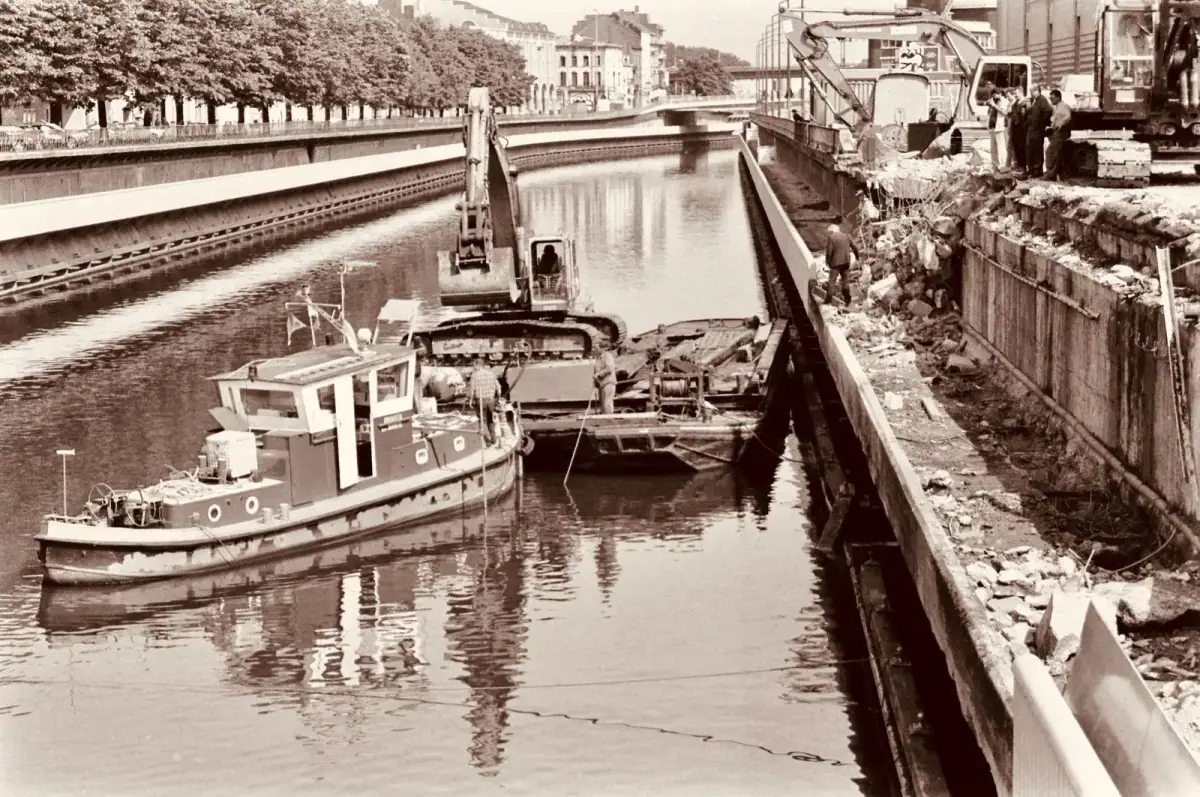
Bridges
Concrete, steel and timber bridges over roads, railroads, creeks and rivers, removed in stages with debris containment.
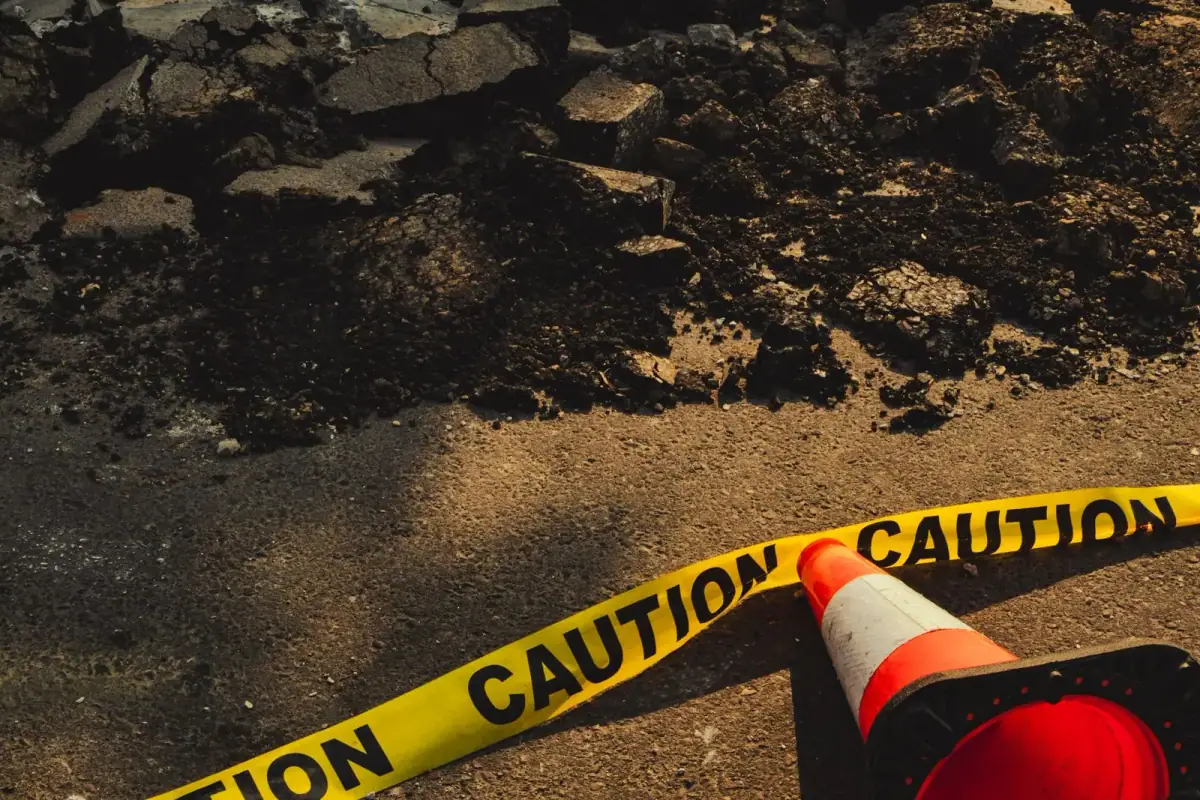
Culverts and headwalls
Box culverts, pipe culverts and headwalls replaced for road and drainage projects.
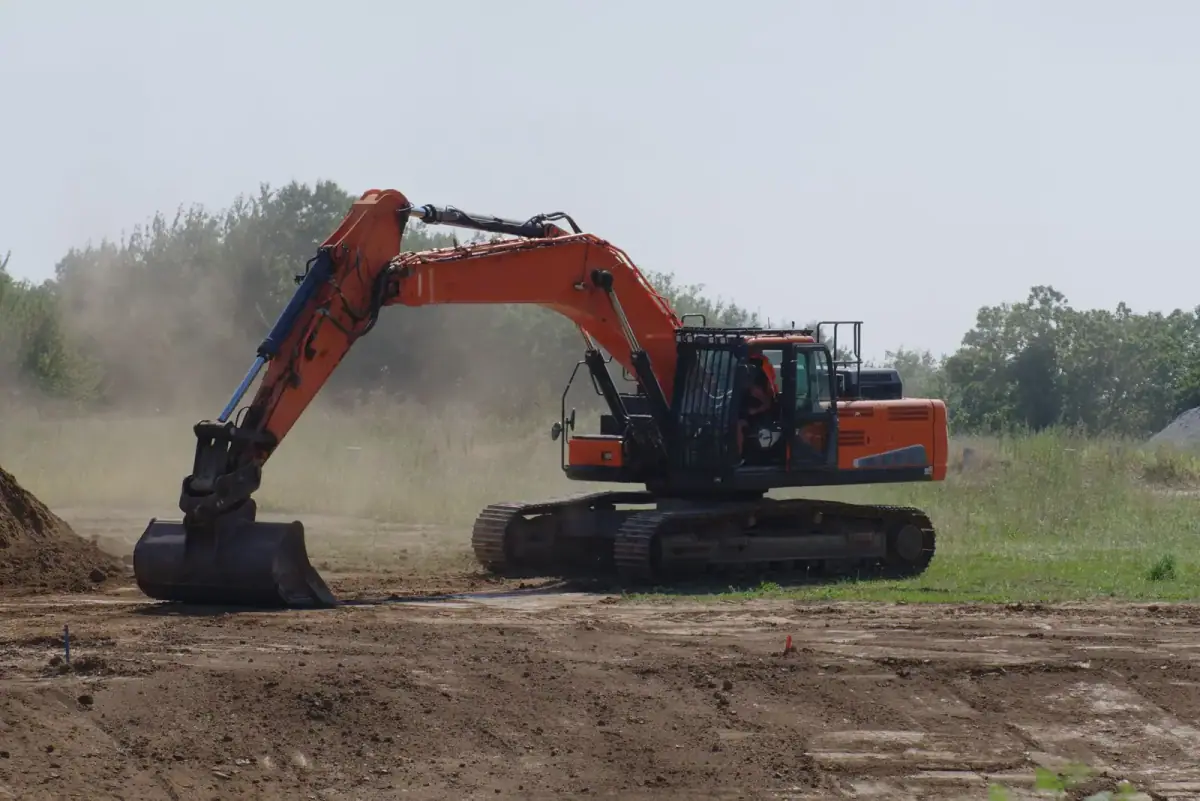
Dams and spillways
Small and mid-size dams, spillways and water control structures, including dam removals for stream restoration.
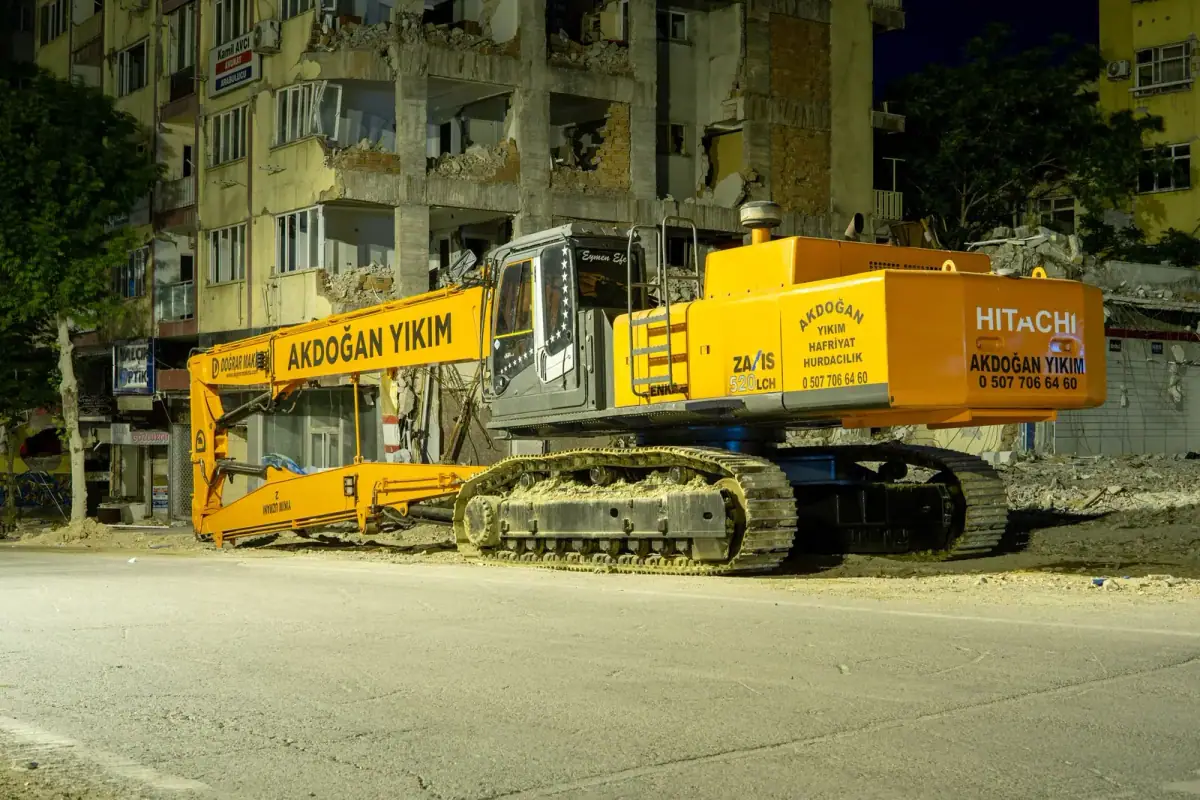
Parking decks
Precast and post-tensioned parking structures demolished level by level.
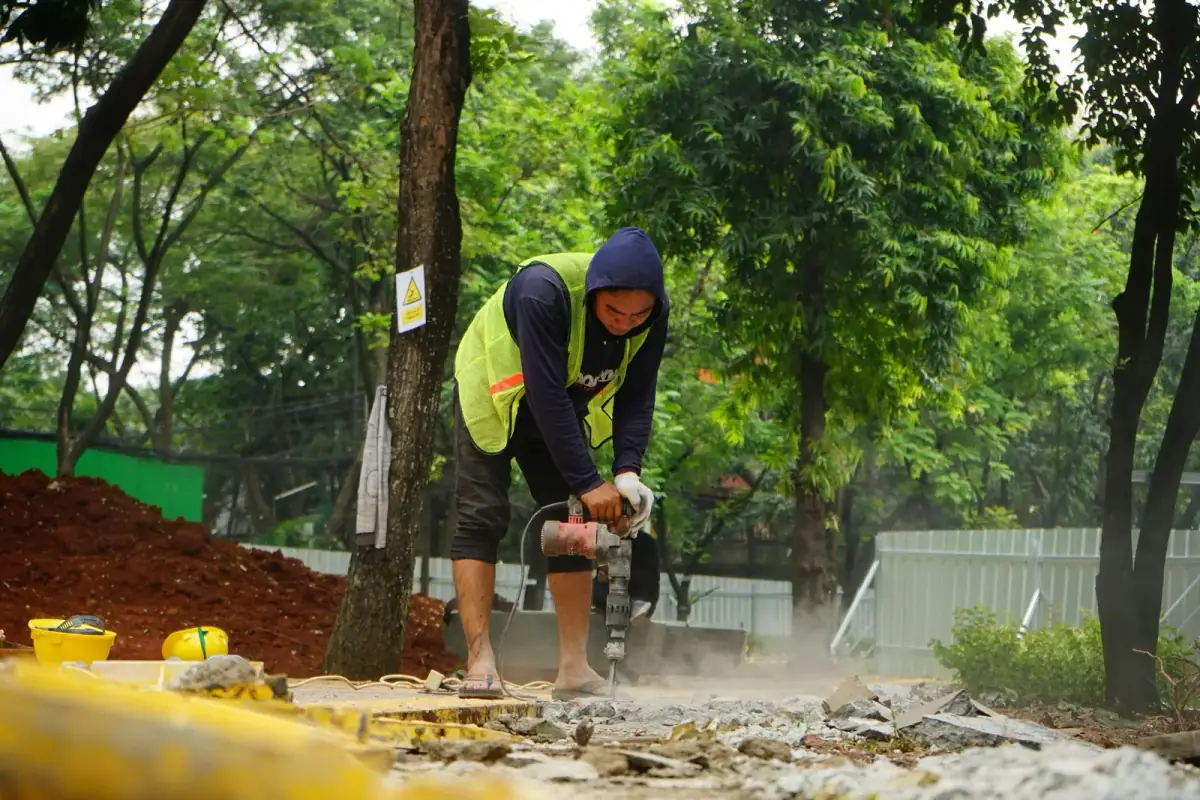
Roads and pavement
Highways, streets and parking lots removed and recycled.
Walls and abutments
Large retaining walls, wingwalls and bridge abutments.
What’s included in our civil demolition service
Civil demolition is a managed project with traffic, environmental and structural plans built in. Every Alpha Demolish civil project in North Carolina includes:
- 01Plan and permit review.
Contract documents, environmental permits and traffic requirements reviewed and confirmed.
- 02Demolition and containment plan.
Sequence, lifting plans, debris containment and environmental controls.
- 03Traffic control.
Detours, lane closures and flaggers approved by NCDOT or the local road owner.
- 04Environmental protection.
Turbidity curtains, cofferdams, containment platforms and erosion control.
- 05Staged structural removal.
Saw-cut and lift, hydraulic breaking and level-by-level deck demolition as suited.
- 06Substructure removal.
Piers, abutments and foundations removed to the depth the permits and plans require.
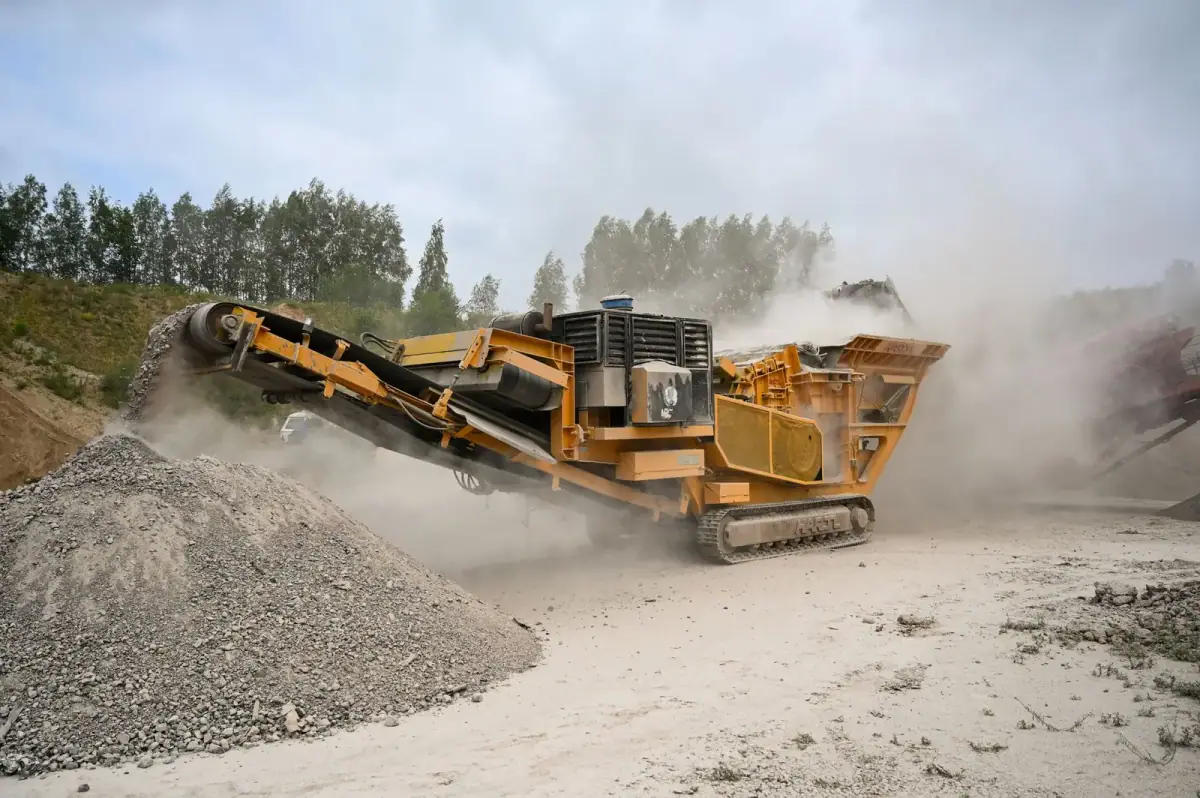
- 07On-site crushing and recycling.
Concrete crushed for reuse as fill or base, and steel recycled.
- 08Restoration.
Stream banks stabilized, site graded and handed over for new construction.
Our civil demolition process, step by step
Every civil project follows the same staged sequence, with traffic and environmental controls set up before removal begins.
Pre-con
Review plans and permits
Contract documents, environmental permits and traffic requirements.
Pre-con
Demolition and containment plan
Sequence, lifting plans, debris containment and environmental controls.
Mobilize
Traffic and site setup
Detours, closures, erosion control and containment installed.
Work
Staged removal
The structure is removed in the approved sequence.
Ongoing
Processing and recycling
Concrete crushed, steel recycled, debris hauled.
Handover
Restoration
Banks stabilized, site graded and handed over for new construction.
READY TO CLEAR THE SITE?
Tell us what needs to come down.
Send a few project details and our team will get back to you with the next steps.
Traffic control and heavy-structure methods
Traffic control and public safety
Civil work happens on live roads and next to the public, so traffic and safety are planned with the road owner first.
- Traffic control plans approved by NCDOT or the city
- Detours, lane closures and flaggers
- Night and weekend work to reduce disruption
- Protection for roads and railroads below the work
- Coordination with railroads over or near tracks
- Utility relocation for lines on or under structures
- Public exclusion from the work zone
- General liability and workers’ comp insurance
Methods for heavy concrete structures
Heavy, reinforced civil structures need the right method to stay safe and keep debris out of water and off roads below.
- Saw-cut and lift for decks and beams by crane
- Hydraulic breaking, pulverizing and shearing
- Level-by-level parking deck demolition
- Shoring where post-tensioned slabs require it
- On-site crushing into reusable aggregate
- Debris containment over roads and water
- Controlled sequencing to keep structures stable
- Cranes and rigging sized to the structure
What affects civil demolition cost
Civil demolition is priced from the contract plans and permit conditions. The biggest cost drivers are:
| Cost factor | Why it matters |
|---|---|
| Structure size and reinforcement | Heavy, reinforced concrete takes the most effort. |
| Water and environmental controls | Cofferdams, containment and permit conditions add scope. |
| Traffic control | Night work, detours and flaggers add cost. |
| Access and cranes | Crane size and setup locations affect price. |
| On-site recycling | Crushing for reuse can reduce hauling and material costs. |
| Seasonal windows | In-water restrictions can compress the schedule. |
How a civil demolition unfolds
Civil timelines are shaped by permits, traffic windows and seasonal in-water restrictions as much as by the demolition itself. A typical project runs like this:
| Stage | Typical duration |
|---|---|
| Plan and permit review | 1–3 weeks |
| Traffic and environmental setup | Days to weeks |
| Deck and superstructure removal | Days to weeks |
| Substructure and foundation removal | Days to weeks |
| On-site crushing and recycling | Ongoing |
| Bank and site restoration | Days to weeks |
Bridge removal, in stages
Bridge removals are the clearest example of staged civil demolition, keeping debris out of the water and traffic moving.
Deck removal
After a traffic switch or detour and utility relocation, the deck is saw-cut into sections and lifted out over containment.
Girders and beams
Girders and beams are rigged and removed by crane, keeping the load off the water and roads below.
Piers and abutments
The substructure is removed to the depth the permits and plans require, and stream banks are then restored and stabilized.
The same staged approach applies to culverts, parking decks and dams — the structure comes down in a controlled sequence with containment and environmental protection throughout.
Working in and over North Carolina waters
Bridge, culvert and dam removals almost always affect streams, rivers or wetlands, and each carries its own permits and conditions. We coordinate them with your engineer and permitting consultant:
- Section 404 and 401. Work in waters and wetlands generally needs authorization from the U.S. Army Corps of Engineers and a 401 water quality certification from the NC Division of Water Resources.
- Riparian buffers. In the Neuse, Tar-Pamlico, Jordan Lake and other buffer areas, work within stream buffers is regulated.
- Dam safety. Altering or removing dams regulated by the NC Dam Safety Program requires approval from NC DEQ.
- Coastal areas. Projects in coastal counties may need CAMA permits.
- Seasonal restrictions. In-water work may be limited during fish spawning seasons in some waters.
- Sediment and turbidity control. Debris containment, turbidity curtains, cofferdams and pumping keep concrete and sediment out of the stream.
On the water, we install debris containment, turbidity curtains and cofferdams and follow every permit condition so demolition protects, rather than harms, the waterway.
What we need to bid a civil project
The more of the contract documents we have up front, the tighter the bid. Helpful items include:
PLANNING A PROJECT?
Let’s scope your civil demolition
Send your plans, permits and traffic requirements and a project manager will prepare a staged removal plan and a detailed bid — no commitment needed.
On-site crushing and recycling
Civil structures are mostly concrete and steel, and we recycle as much as possible, often right on the project:
- Concrete. Crushed on site into recycled aggregate for reuse as fill or base, cutting trucking and material costs.
- Structural steel and rebar. Beams, girders and reinforcement are separated and recycled as scrap.
- Asphalt. Old pavement is milled or broken and reused in new paving.
- Diversion reporting. Recycled and disposed tonnage is documented for the contract.
On-site crushing is often the biggest single saving on a civil project, and we build it into the plan wherever the site and specs allow.