Pool removal across North Carolina
A swimming pool can be the highlight of a North Carolina summer, but many homeowners eventually find that an older pool costs more than it gives back. Resurfacing, new liners, pumps and heaters, chemicals, insurance and fencing add up, and an unused pool can become a safety hazard and a mosquito breeding ground.
Alpha Demolish removes in-ground and above-ground pools across North Carolina. We drain the pool responsibly, disconnect the equipment, remove or break up the shell, backfill with compacted soil and finish with topsoil so the space becomes usable yard again. We also provide the documentation buyers, inspectors and future builders ask for.
This page explains what our pool removal service includes, the difference between partial and full removal, the permit and stormwater rules that apply in North Carolina, what affects the cost and how to prepare.
When do homeowners remove a pool?
Owners across North Carolina call us to remove a pool for many reasons. The most common are:
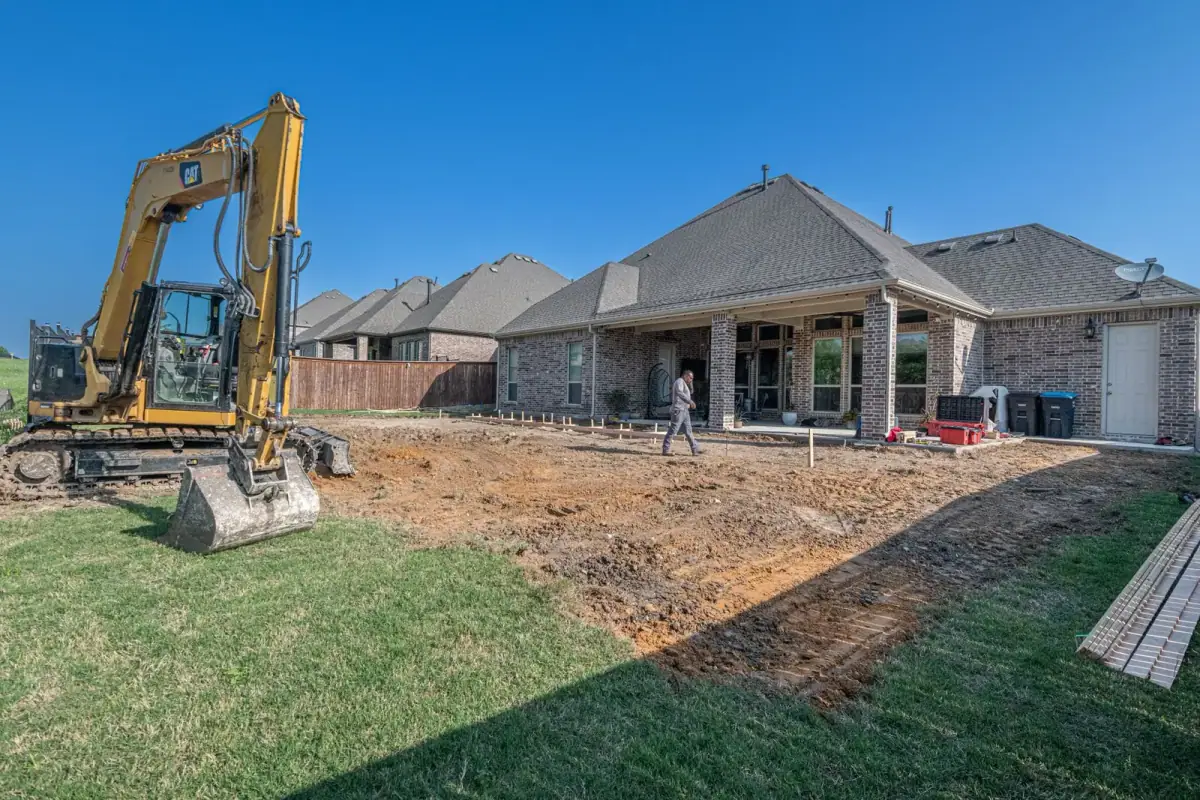
Cutting ongoing costs
Running costs, repairs, chemicals and insurance for an older pool can outweigh what it is worth to you.
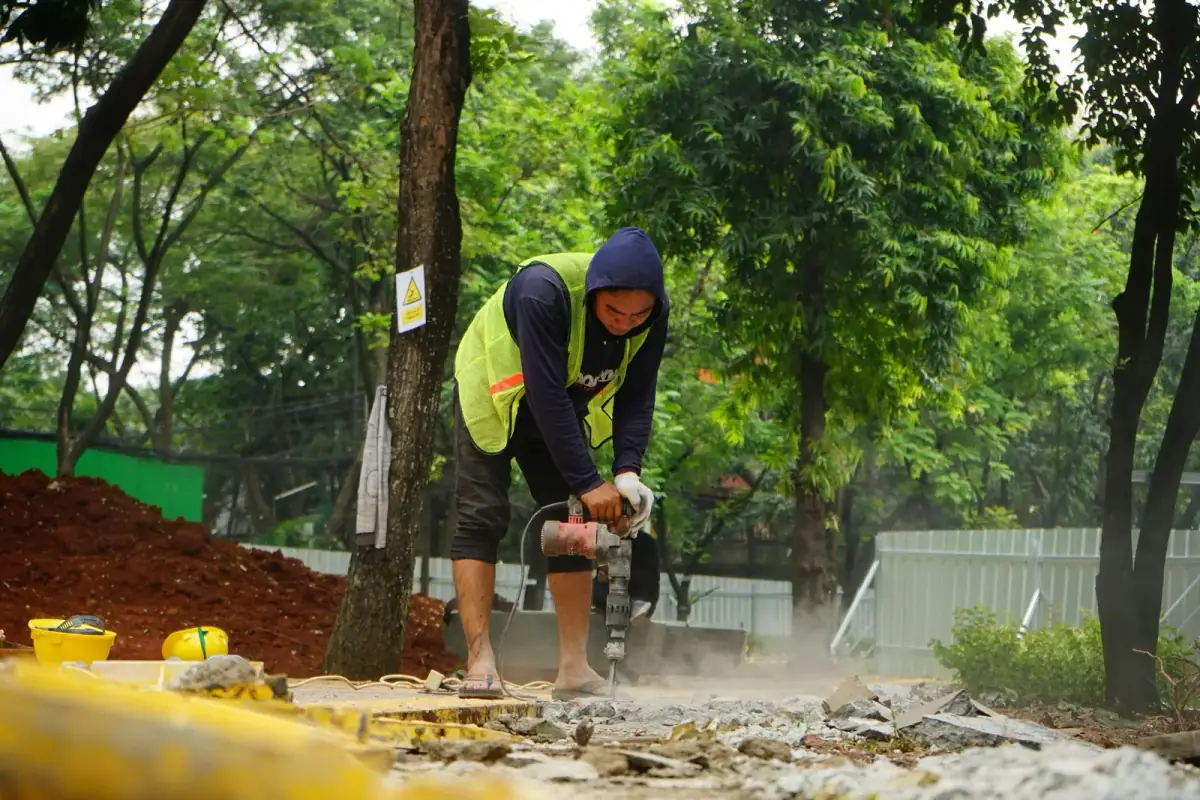
Failing or damaged pools
Cracked gunite shells, torn liners, lifted pools and failing equipment often cost more to fix than to remove.
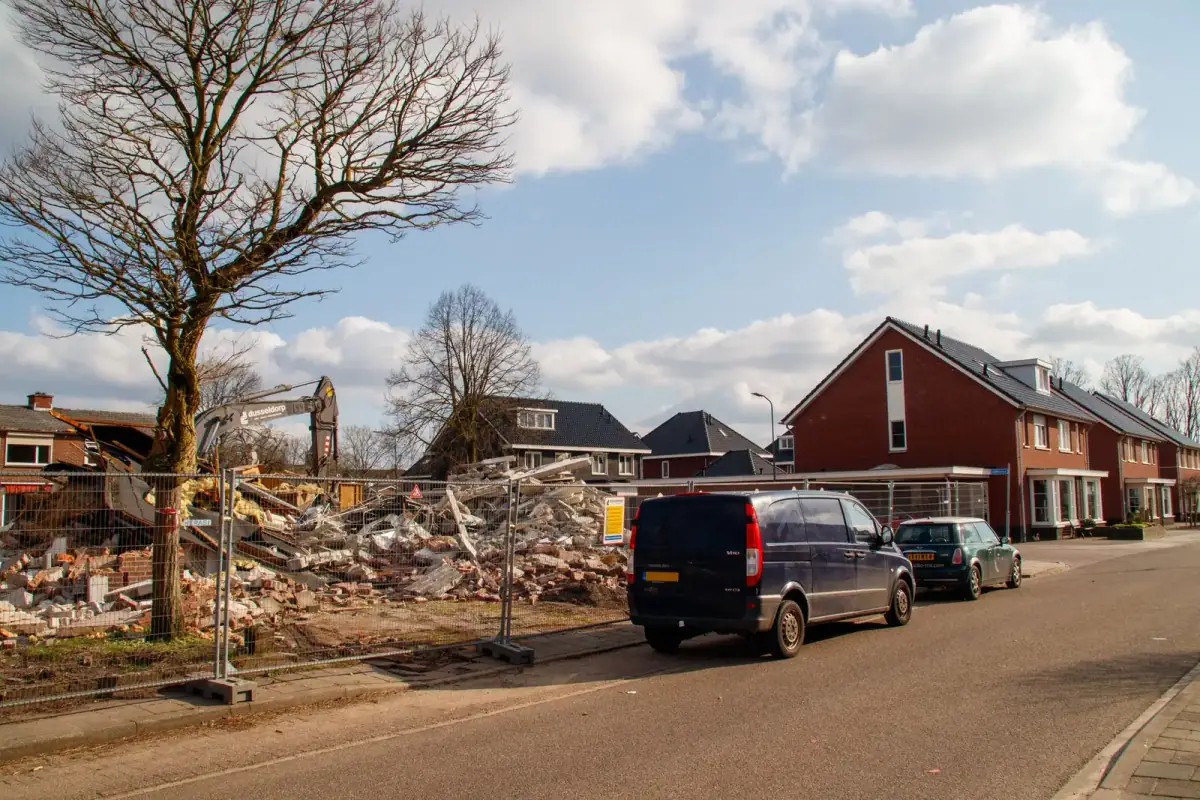
Safety
Families with young children, or owners of an unused pool, often prefer to remove the risk entirely.

More usable yard
Replace the pool with lawn, a garden, a patio or space for an addition.
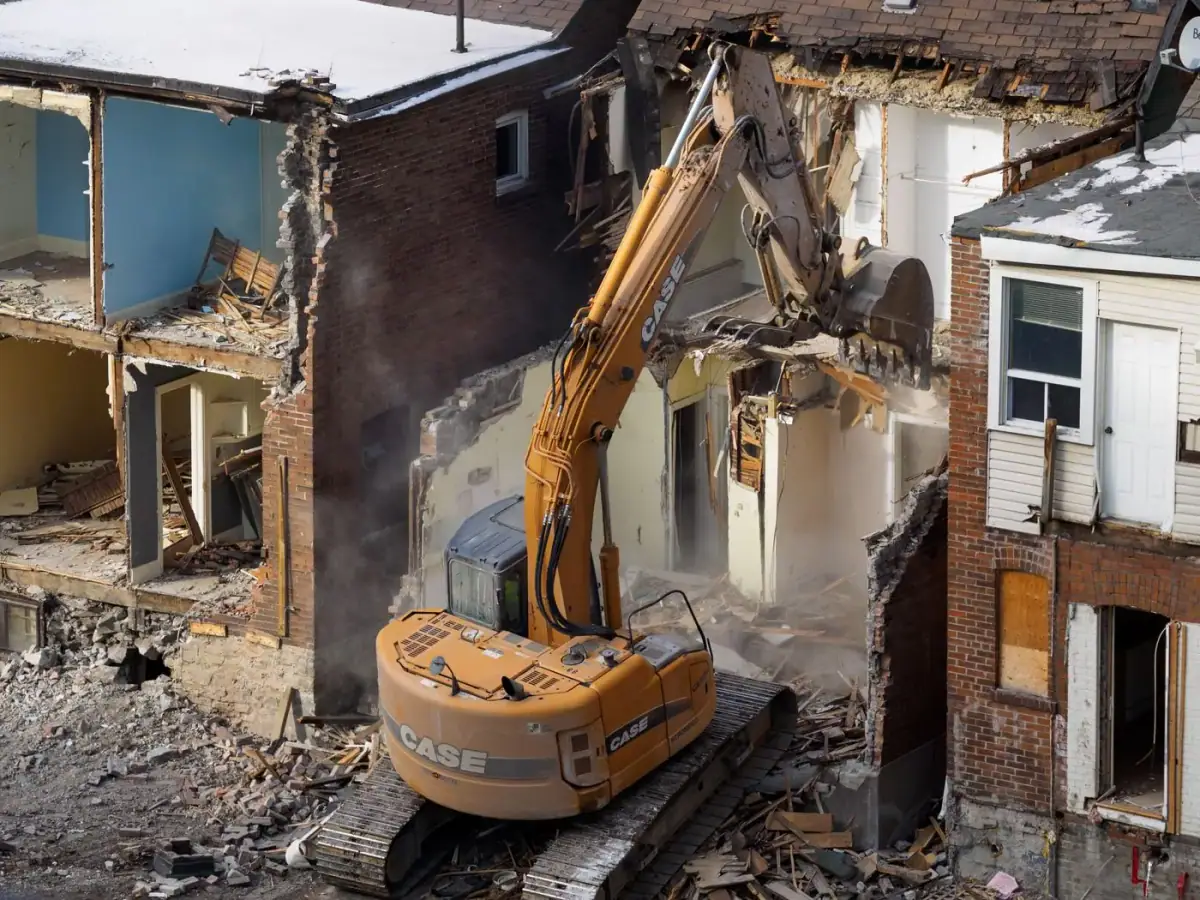
Selling the home
In some markets an old pool narrows the field of buyers. Removing it, with good records, can help a sale.

Storm damage
Pools damaged by flooding, fallen trees or hurricanes may be better removed than rebuilt.
What’s included in our pool removal service
A proper pool removal is a full sequence of work, not just filling a hole. Every Alpha Demolish pool removal in North Carolina includes:
- 01Site visit and plan.
We check access, pool type and size, and discuss partial versus full removal.
- 02Permit and utility disconnects.
We file any required permit and have electrical to pumps, lights and heaters, and gas to heaters, disconnected by licensed trades.
- 03Responsible draining.
The pool is dechlorinated and drained at a controlled rate under local stormwater rules.
- 04Equipment and deck removal.
Pump, filter, heater, ladders, diving board and slide are removed, plus the deck and coping if included.
- 05Shell demolition.
Walls are broken or removed, and the floor is broken for drainage or removed completely.
- 06Backfill and compaction.
Clean fill is placed in layers and compacted, with broken concrete kept out of the upper layers.
- 07Topsoil and grading.
Topsoil is spread and graded so water drains away from your home, ready for seed or sod.
- 08Records.
Permit, photos and any compaction reports for your files and a future sale.
Our pool removal process, step by step
Every pool removal follows the same proven sequence, scheduled so the shell is never left empty long enough to lift or crack.
Day 1
Site visit and plan
We check access, pool type and size, and discuss partial versus full removal.
Week 1–2
Permit and utilities
We file any required permit and have electrical and gas disconnected by licensed trades.
Day 1–2
Drain
The pool is dechlorinated and drained under local stormwater rules.
Demo
Equipment and deck
Pump, filter, heater, ladders and diving board are removed, plus the deck and coping if included.
Demo
Demolition
Walls are broken or removed, and the floor is broken for drainage or removed completely.
1–2 days
Backfill and compaction
Clean fill is placed in layers and compacted, with broken concrete kept out of the upper layers.
Handover
Topsoil, grading and handover
Topsoil is spread and graded away from your home, ready for seed or sod, and we walk it with you.
READY TO CLEAR THE SITE?
Tell us what needs to come down.
Send a few project details and our team will get back to you with the next steps.
What we remove and how we keep it safe
Types of pools we remove
We remove every residential pool type common in North Carolina, from heavy gunite to above-ground.
- Gunite and concrete in-ground pools
- Vinyl liner pools with steel or polymer walls
- Fiberglass shells
- Above-ground pools
- In-ground spas and attached hot tubs
- Pool decks, coping and equipment pads
- Pumps, filters, heaters and plumbing
- Ladders, diving boards and slides
Draining and site safety
Pool water contains chlorine or salt, which harm creeks and aquatic life, so draining is controlled and rule-based.
- Chlorine neutralized or allowed to dissipate
- Discharge rate controlled to prevent erosion
- No discharge into storm drains or streams
- Groundwater watched so the shell does not lift
- Electrical and gas disconnected by licensed trades
- Fence kept up until the pool is safely filled
- Floor broken so water drains, not pools
- General liability and workers’ comp insurance
Pool removal cost in North Carolina
Pool removal is priced after a site visit, because size, type, access and the amount of fill all matter. You receive a fixed, itemized quote.
| Cost factor | Why it matters |
|---|---|
| Size and depth | Bigger and deeper pools need more demolition and fill. |
| Pool type | Gunite takes more breaking than vinyl or fiberglass. |
| Partial vs. full | Full removal costs more but gives the most flexibility later. |
| Deck and coping | Removing surrounding concrete adds to the scope. |
| Site access | Backyards without equipment access may need a fence section removed. |
| Fill volume | Imported fill and topsoil are a major part of the cost. |
| Permits and testing | Local permit fees and optional compaction testing. |
How long does pool removal take?
Most in-ground pools take two to five days on site, plus permit lead time. Above-ground pools are usually removed in a day.
| Stage | Typical duration |
|---|---|
| Site visit and estimate | A few business days |
| Permit approval | A few days to a few weeks, by jurisdiction |
| Draining | 1–2 days |
| Demolition | 1–2 days |
| Backfill, compaction and topsoil | 1–2 days |
| Above-ground pool removal | Usually 1 day |
Partial removal, full removal, or above-ground?
There are two main ways to remove an in-ground pool. The right choice depends on what you want to do with the space and whether you might ever build there.
Partial removal (fill-in)
The top of the wall is removed, the floor is broken for drainage, and the shell is filled in place. Lower cost, usually 2–3 days, best for lawn, gardens and landscaping.
Full removal
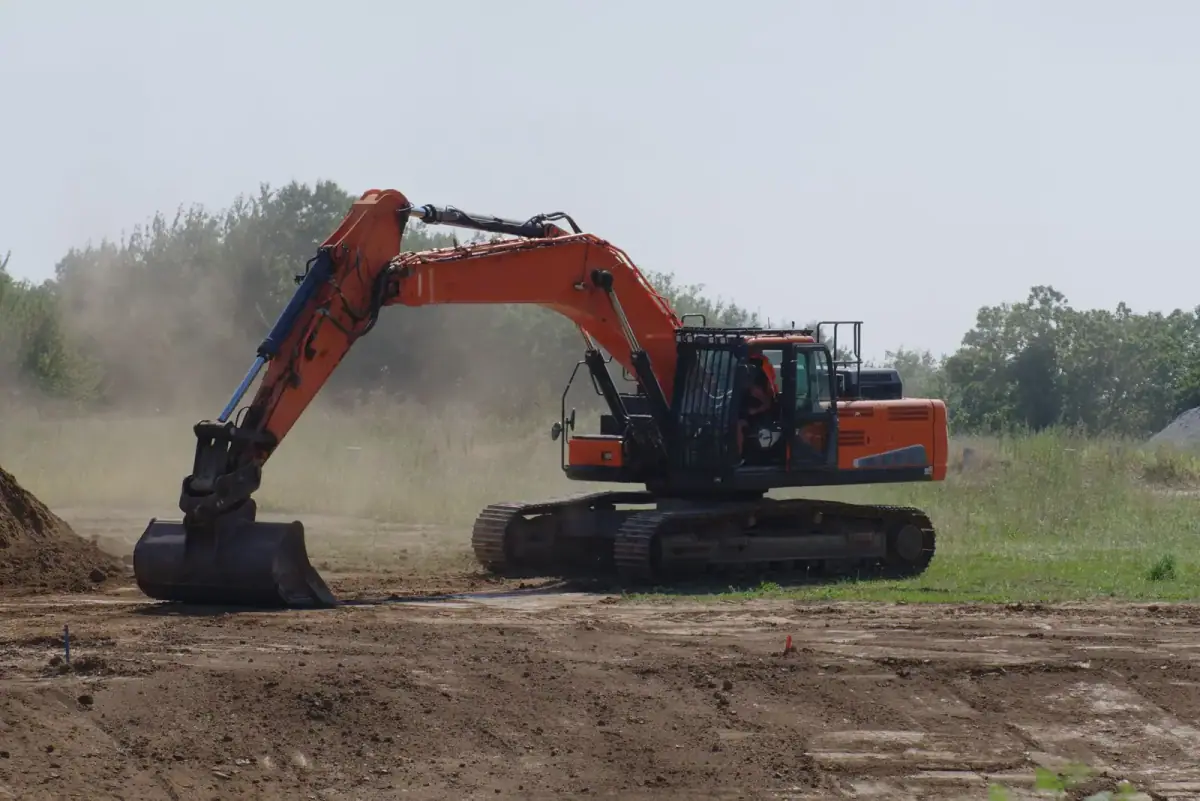
The entire shell, floor, walls and plumbing are removed and the hole is filled with compacted soil. Higher cost, usually 3–5 days, and buildable with proper compaction and testing.
Above-ground removal
The pool is drained, the frame and liner are dismantled, the metal is recycled and the ground is leveled, usually in a day.
For a partial removal, breaking up the floor is essential — an intact floor holds water like a bathtub, causing soggy ground and settlement. Building over a partial fill-in later usually needs engineering review, while a full removal with compacted, tested fill is buildable.
Pool removal permits and records in North Carolina
Pool removal touches several North Carolina rules. We confirm what applies to your address and handle the paperwork:
- Permit. Many NC jurisdictions require a permit to remove or fill in a pool, and some inspect the broken floor and backfill.
- Electrical and gas. Pool circuits and gas lines must be properly disconnected. In North Carolina, electrical and fuel gas work is done by licensed contractors.
- Stormwater. Draining chlorinated or salt water into storm drains, which flow to streams, is prohibited in many NC cities and counties. Draining must follow local rules.
- Fencing. Pool barrier rules no longer apply once the pool is gone, but keep the fence up until the work is finished.
- Records for resale. Keep the permit, photos and any compaction reports. Buyers, inspectors and lenders often ask about a former pool, especially one that was filled rather than fully removed.
Permits, licensed electrical and gas disconnects, stormwater-compliant draining and resale records are all part of our service. You approve the plan; we manage the process.
How to prepare for pool removal
A little preparation keeps your project on schedule. Before removal starts:
NOT SURE YET?
Let’s talk through your pool removal
Every pool and yard is different. Call us or send a few details and a specialist will walk you through partial vs. full removal, timing, records and a ballpark cost — no commitment needed.
Debris removal, recycling and your new lawn
We recycle what we can and finish the space so the old pool footprint disappears:
- Metals. Steel and polymer wall panels, bracing, ladders and equipment metal are separated for recycling.
- Concrete. Broken gunite and deck concrete are crushed and recycled, and kept out of the upper fill layers.
- Fiberglass and liners. Fiberglass shells and vinyl liners are cut down and disposed of at permitted facilities.
- Topsoil to finish. North Carolina has distinct turf regions — fescue in the mountains and Piedmont, warm-season grasses in the Sandhills and coast — and we finish with topsoil suited to seeding or sod.
We grade the area to match the surrounding yard and can provide disposal and compaction records on request.