Building demolition across North Carolina
Every building has a different story, and a different way it wants to come down. A two-story wood-frame office, a five-story masonry apartment block and a ten-story concrete tower each need their own method, sequence and safety plan. Getting that choice right is what keeps demolition fast, safe and within budget.
Alpha Demolish demolishes complete buildings across North Carolina for owners, developers, contractors and public agencies. We start with an engineering survey, choose the method that fits the structure and the surroundings, and carry the job through to foundation removal, recycling and a graded site.
This page explains what our building demolition service includes, how we choose the right method, the engineering and compliance behind it, how we protect neighbors, what affects the cost and what we need to quote your project.
Buildings we demolish
We demolish complete buildings of every height and construction across North Carolina:
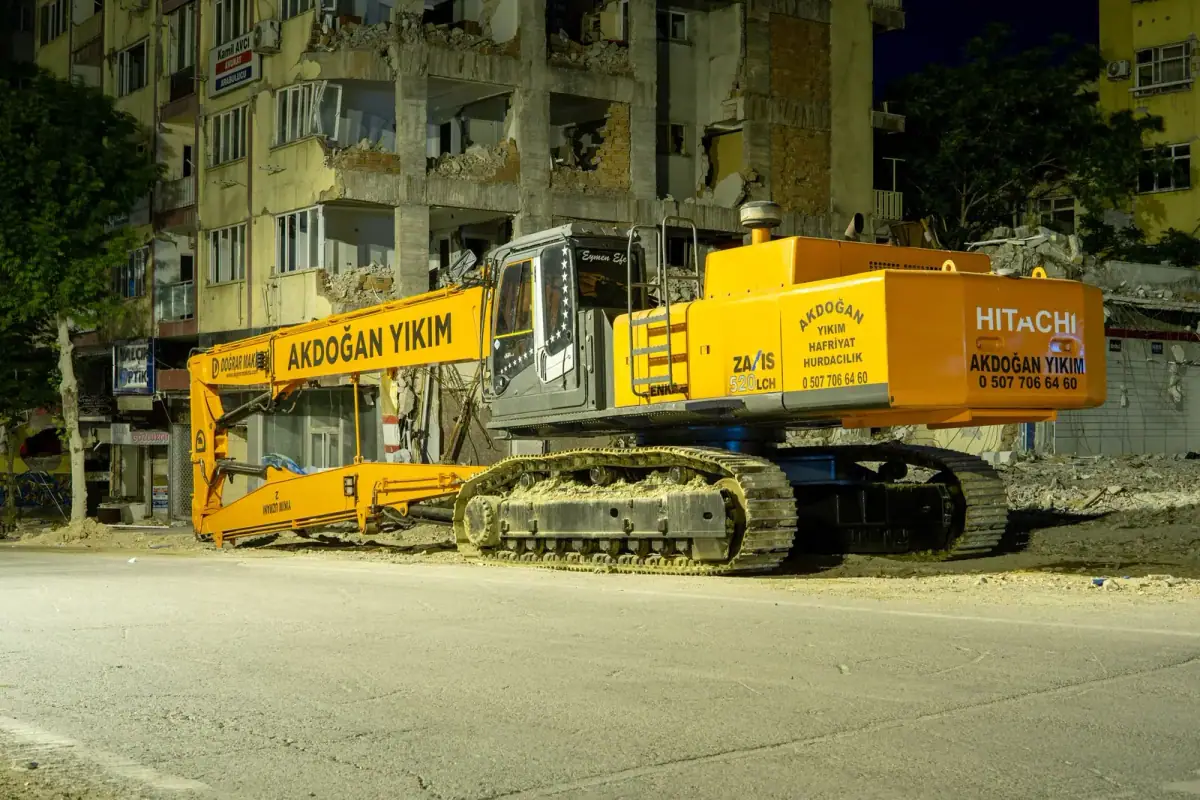
Low-rise buildings
Wood-frame and masonry offices, retail and small institutional buildings with space to work from the ground.
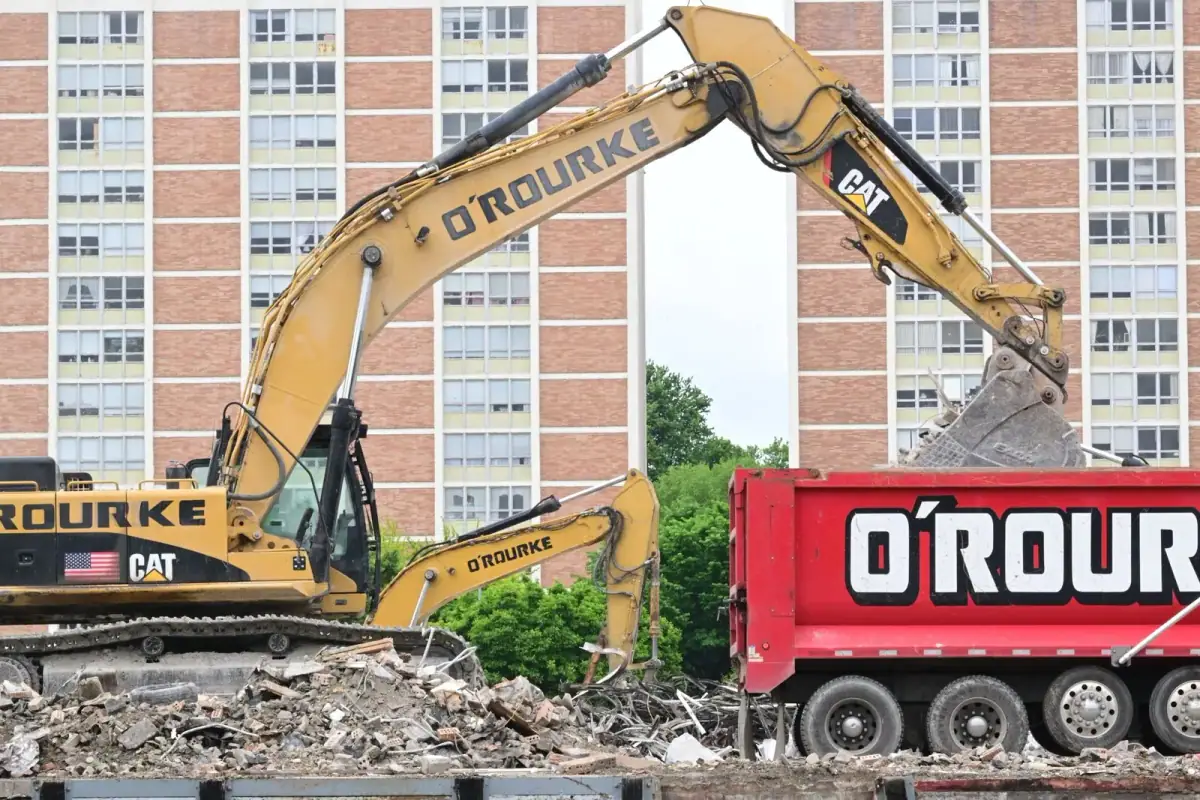
Mid-rise buildings
Masonry and concrete apartment blocks and offices taken down with high-reach excavators.
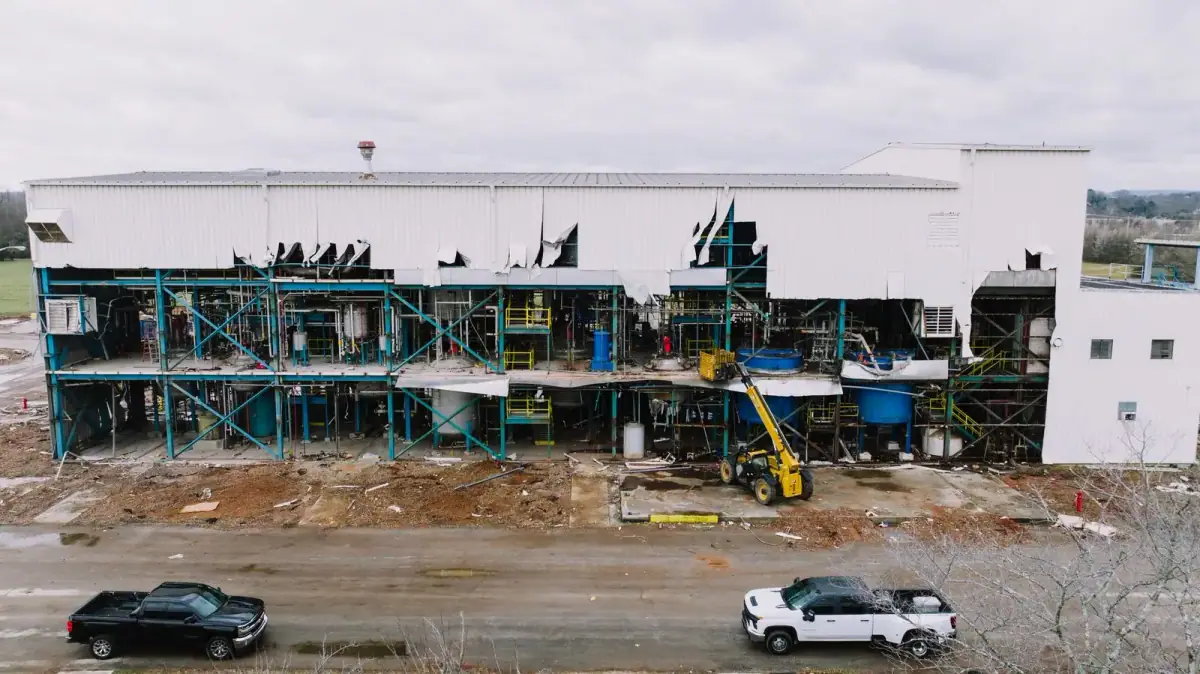
High-rise structures
Steel-frame and concrete towers on sites that allow top-down or high-reach methods.
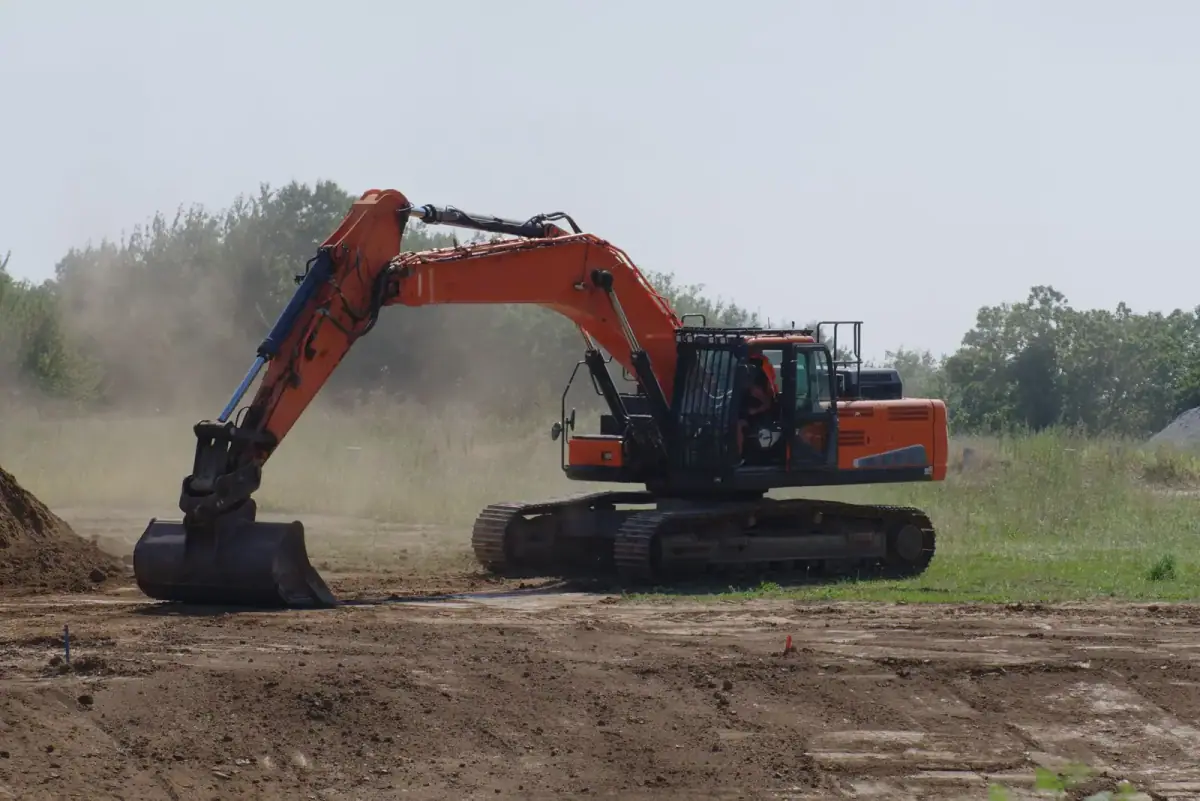
Redevelopment sites
Whole buildings cleared to make way for new construction and mixed-use projects.
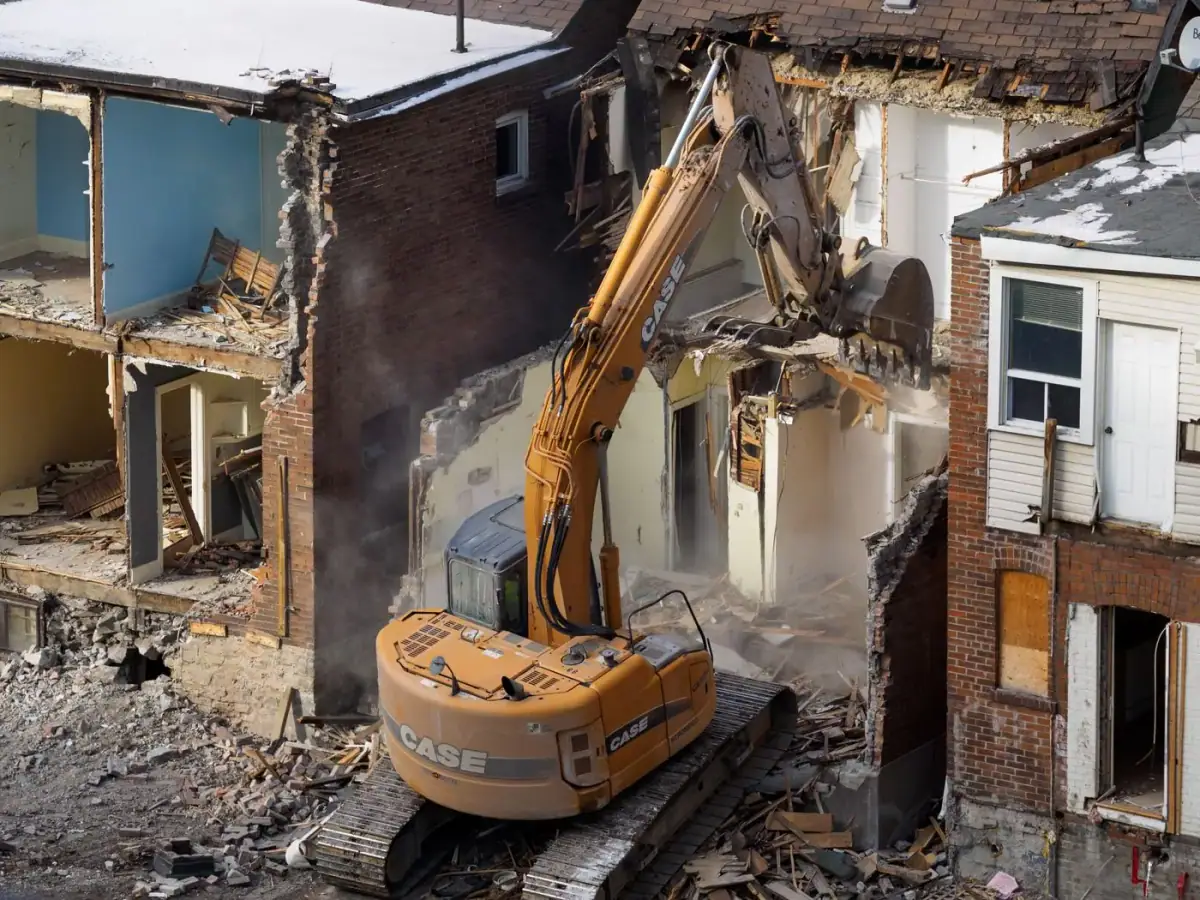
Storm- and fire-damaged buildings
Unsafe structures where an engineered, careful takedown is needed.
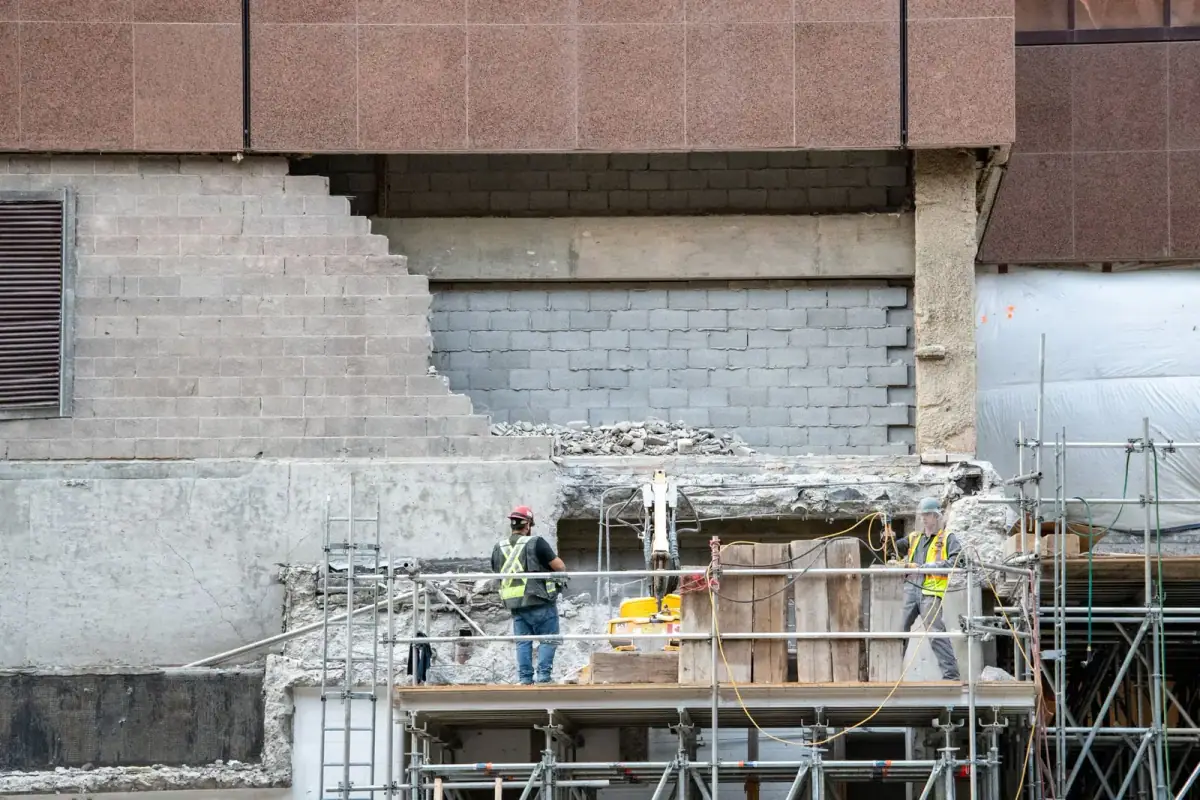
Campus and institutional
School, hospital and campus buildings removed around active operations.
What’s included in our building demolition service
Building demolition is a managed project from survey to graded site. Every Alpha Demolish building demolition in North Carolina includes:
- 01Engineering survey and demolition plan.
Method, sequence, exclusion zones and protection.
- 02Hazardous materials.
Asbestos, lead, universal waste and refrigerants addressed before demolition.
- 03Utility disconnection.
All services terminated and capped.
- 04Soft strip.
Interior materials removed to maximize recycling.
- 05Structural demolition.
Using mechanical, high-reach or top-down methods to suit the structure.
- 06Foundation removal.
Footings, slabs, basements and piles as scoped.
- 07Recycling.
Concrete crushed and steel recycled, with tonnage reports.
- 08Site restoration.
Backfill, compaction, rough grading and stabilization.
From survey to cleared site, step by step
Every building demolition follows the same proven sequence, built on the engineering survey.
Week 1
Survey and bid
Structural, hazardous materials and site review, and a method and price.
Weeks
Pre-demolition
Permits, notifications, abatement, utility disconnects and site protection.
Days–weeks
Soft strip
Interiors cleared and salvage removed to maximize recycling.
Days–months
Structural demolition
The building is taken down in the planned sequence with the chosen method.
Ongoing
Processing
Concrete and steel are sorted, processed and hauled to recyclers.
Handover
Restoration
Foundations removed, site graded and stabilized, and records delivered.
READY TO CLEAR THE SITE?
Tell us what needs to come down.
Send a few project details and our team will get back to you with the next steps.
Engineering, safety and neighbor protection
Engineering survey and safety
OSHA demolition rules, enforced by the NC Department of Labor, require an engineering survey by a competent person before demolition begins.
- Structural sequence that keeps the building stable
- Exclusion zones sized to height and method
- Protection for adjacent buildings and utilities
- Dust suppression and vibration monitoring
- Fall protection and safe worker access
- Daily inspections by a competent person
- Method matched to structure and surroundings
- Site-specific safety plan under NC OSH rules
Protecting neighbors and nearby buildings
Urban and close-quarters demolition is planned around the buildings, streets and people next door.
- Pre-demolition condition surveys and photos
- Vibration monitoring near sensitive structures
- Dust monitoring and water suppression
- Advance notice to neighbors and businesses
- Protection of shared and party walls
- Street sweeping and truck wash-down
- A named contact for questions or complaints
- General liability and workers’ comp insurance
What affects building demolition cost
Building demolition is priced from the engineering survey and a detailed scope. The biggest cost drivers are:
| Cost factor | Why it matters |
|---|---|
| Height and volume | Taller and larger buildings need bigger equipment and more hauling. |
| Structural system | Reinforced concrete takes more effort than wood or steel. |
| Site constraints | Tight urban sites and close neighbors require slower methods. |
| Hazardous materials | Asbestos abatement can be a major cost item. |
| Foundations | Basements, deep footings and piles add scope. |
| Salvage | Steel and metal value reduces net cost. |
| Method | High-reach and top-down cost more than open mechanical work. |
How long building demolition takes
A low-rise building can be down in days once abatement is complete; mid- and high-rise buildings take weeks to months. Pre-demolition compliance usually runs in parallel to protect the schedule.
| Stage | Typical duration |
|---|---|
| Survey, method selection and pricing | 1–3 weeks |
| Asbestos inspection, notification and abatement | 3–8 weeks or more, by building size |
| Permits and utility disconnection | 2–6 weeks, often in parallel |
| Structural demolition | Days for low-rise; weeks to months for high-rise |
| Foundation removal and site restoration | 1–4 weeks |
Choosing the right demolition method
The engineering survey and site constraints decide the method. Most North Carolina building demolitions combine a soft strip by hand, high-reach for the upper floors, and conventional excavators for the lower structure and foundations.
Mechanical demolition
For low-rise buildings with space around them, excavators with shears, grapples and breakers work from the ground.
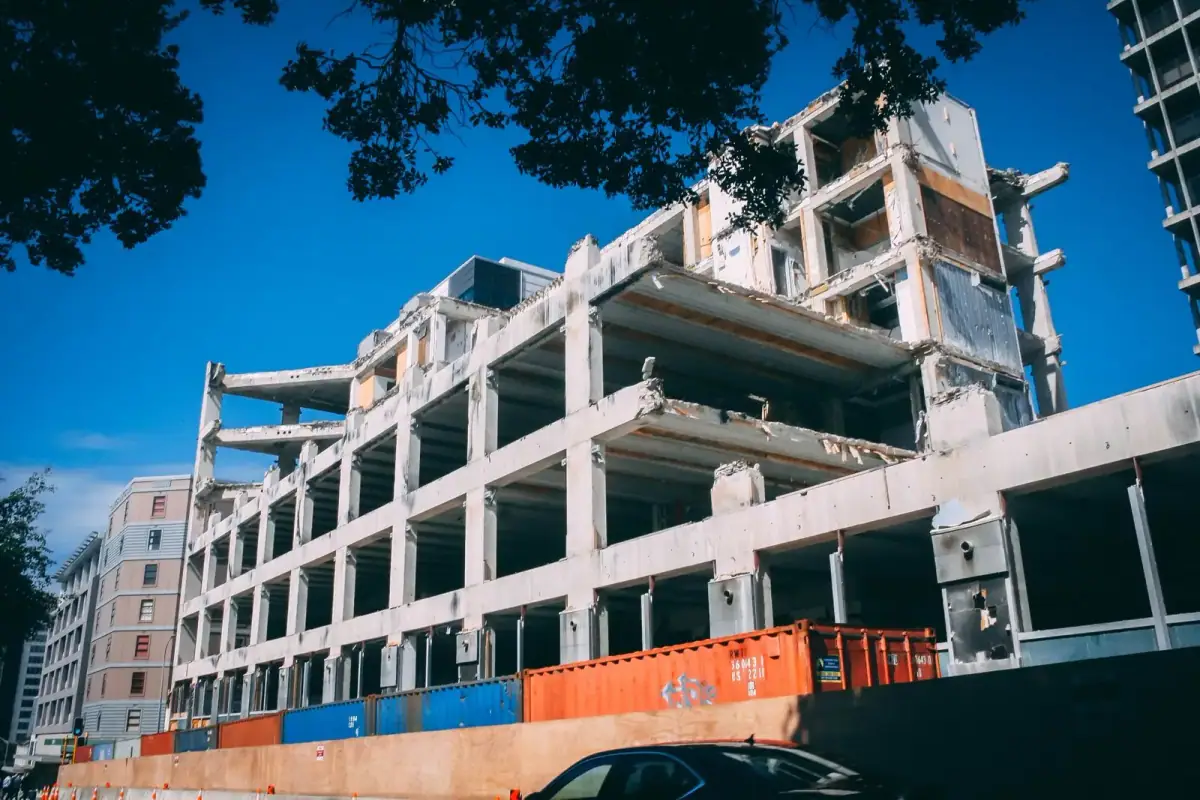
High-reach and top-down
For mid- and high-rise buildings, long-reach excavators take the structure down from the top, or machines work floor by floor on tight urban sites.
Selective or explosive
Selective dismantling next to sensitive neighbors or for salvage; explosive demolition for very tall or massive structures where the site allows an exclusion zone.
We compare the options honestly for cost, schedule, risk and community impact, and recommend the method that fits your structure and site.
Permits and compliance in North Carolina
Building demolition carries a full compliance program that we manage from the start. The key requirements are:
- Demolition permit. Issued by the local inspections department, typically after utilities are disconnected and hazardous materials are addressed.
- Asbestos and NESHAP. Non-residential buildings and larger residential buildings require an asbestos inspection and NESHAP notification at least 10 working days before demolition.
- Historic review. Buildings in local historic districts or designated landmarks may face a demolition delay of up to 365 days.
- Right-of-way. Street and sidewalk closures need permits from the city or NCDOT.
- Erosion and stormwater. Sites disturbing an acre or more need an approved erosion control plan and construction stormwater permit coverage.
- Worker safety. A pre-demolition engineering survey is required under the NC Department of Labor’s state OSH demolition standards.
Surveys, permits, asbestos notifications, right-of-way closures and erosion control are all part of our building demolition service. You approve the plan; we manage the regulators and paperwork.
What we need to price your project
The more we have up front, the faster and tighter your bid and schedule. Helpful items include:
PLANNING A PROJECT?
Let’s scope your building demolition
Send your drawings, reports and target dates and a project manager will recommend the right method and prepare a detailed scope, schedule and price — no commitment needed.
Recycling and diversion
Most of a building’s weight can be diverted from the landfill. We process and recycle as we go:
- Concrete and masonry. Crushed on or off site into recycled aggregate and base.
- Structural steel and metals. Steel framing, rebar and metals go to scrap recyclers, offsetting cost.
- Clean wood and materials. Diverted for reuse or recycling where facilities accept them.
- Diversion reporting. We track recycled and disposed tonnage for LEED and sustainability programs.
Salvage and recycling value is reflected in your pricing, and diversion reports form part of your close-out package.