What is hydro demolition?
Hydro demolition, also called hydrodemolition or hydro-blasting, uses robotic equipment to direct ultra-high-pressure water at a concrete surface. The water penetrates cracks and pores and breaks apart weak, deteriorated concrete, while sound concrete resists to the depth the operator sets.
It is the preferred method for concrete repair when the structure is staying in service. Unlike jackhammers, hydro demolition does not create micro-fractures in the remaining concrete, it cleans corrosion from the rebar instead of damaging it, and it leaves a rough, clean surface that new concrete bonds to strongly. Alpha Demolish provides hydro demolition across North Carolina for parking structures, bridges, dams and industrial facilities.
This page explains what our hydro demolition service includes, where it is used, how it compares with jackhammers, how the water is managed, what affects the cost and how a project is planned.
Where hydro demolition is used
Hydro demolition suits concrete repair where the structure stays in service and the reinforcing steel must be protected. Common applications are:

Parking decks
Removing chloride-contaminated and delaminated concrete from parking structures before overlays and repairs.
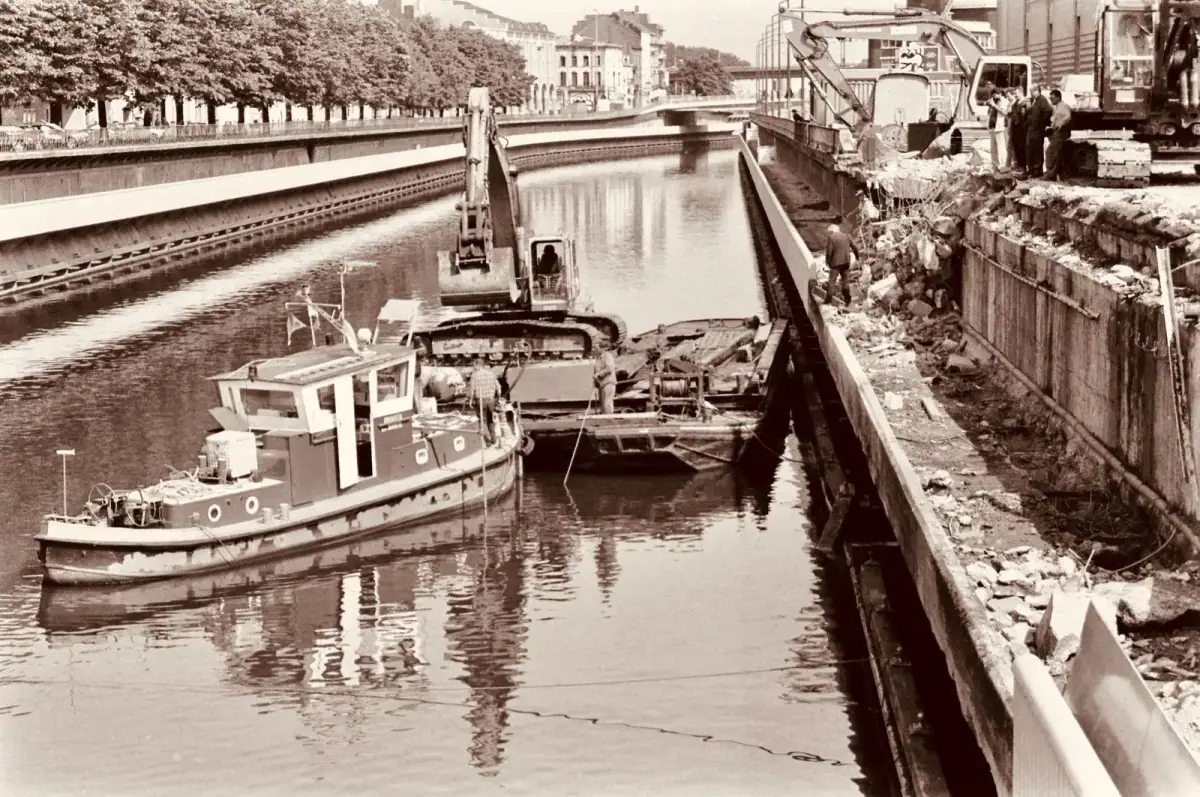
Bridge decks
Deck rehabilitation and overlay preparation for state and local bridges.
Dams and spillways
Removing deteriorated surface concrete before resurfacing.
Water and wastewater tanks
Repairing corroded concrete in treatment plants and tanks.
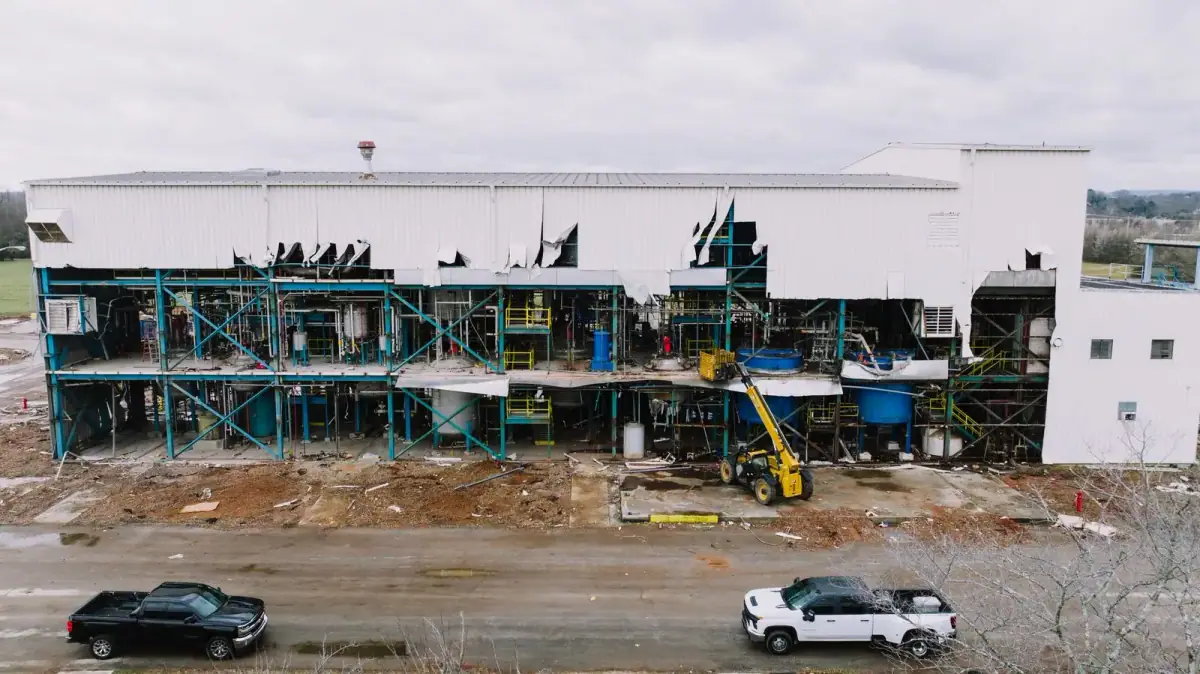
Industrial floors
Removing damaged concrete in plants without heavy impact near sensitive equipment.
Tunnels and walls
Vertical and overhead surfaces using specialized robot arms.
What’s included in our hydro demolition service
Hydro demolition is a precise, engineer-directed process. Every Alpha Demolish hydro demolition in North Carolina includes:
- 01Survey with the engineer.
Repair areas identified by sounding and testing.
- 02Robot calibration.
The robot calibrated on test areas to achieve the specified removal depth.
- 03Water collection set-up.
Containment, shielding and drain protection installed before jetting.
- 04Selective removal.
Deteriorated concrete removed to the set depth, with sound concrete left intact.
- 05Rebar cleaning.
Corrosion and scale cleaned from reinforcing steel without cutting or bending it.
- 06Slurry and debris clean-up.
Debris and slurry vacuumed and removed.
- 07Water treatment.
High-pH runoff collected, settled, pH-adjusted and discharged or disposed of properly.
- 08Surface hand-off.
A rough, clean, bond-ready surface handed over for inspection and new concrete.
How a hydro demolition project works, step by step
Every hydro demolition follows the same sequence, calibrated to the engineer’s specification.
Day 1
Survey
The engineer identifies repair areas, often by sounding and testing.
Setup
Calibrate
The robot is calibrated on test areas to achieve the specified depth.
Setup
Contain
Water collection, shielding and protection are installed.
Production
Remove
Concrete is removed across the repair areas.
Production
Clean-up
Debris and slurry are vacuumed and removed; water is treated.
Handover
Handover
The clean surface is ready for inspection and new concrete.
READY TO CLEAR THE SITE?
Tell us what needs to come down.
Send a few project details and our team will get back to you with the next steps.
Safety, access and specification
Safety and access
Hydro demolition is remote-operated, which keeps workers away from the jet, but the work area still needs careful control.
- Exclusion zones around the jetting area
- Shielding to contain flying debris
- Protection below decks for traffic and people
- Noise management for nearby occupants
- Remote operation away from the jet
- Less vibration and silica dust than breakers
- Coordination with structural engineers on depths
- General liability and workers’ comp insurance
What the specification defines
Hydro demolition is driven by the engineer’s specification, which we produce to and verify.
- Removal depth in each repair area
- Rebar clearance behind the steel
- Surface profile required for bonding
- Cleaning of slurry and loose material
- Inspection points before repairs continue
- Test areas to confirm calibration
- Areas to protect and leave intact
- Water handling requirements
What affects hydro demolition cost
Hydro demolition is priced by the area and depth of removal, the concrete strength and how the water is handled. The main factors are:
| Cost factor | Why it matters |
|---|---|
| Area and depth | Deeper removal takes more time and water. |
| Concrete strength | Harder concrete takes longer to remove. |
| Surface orientation | Vertical and overhead work is slower than horizontal. |
| Water handling | Collection and treatment requirements vary by site. |
| Access and phasing | Occupied decks and live traffic need phased work. |
| Rebar density | Congested steel affects removal behind the bars. |
Hydro demolition vs. jackhammers
For concrete repair on a structure that is staying in service, hydro demolition outperforms jackhammers on nearly every measure that matters:
| Hydro demolition | Jackhammers | |
|---|---|---|
| Micro-fractures | None in the remaining concrete | Often causes bruising and micro-cracking |
| Rebar | Cleaned and left intact | Can be damaged or debonded |
| Selectivity | Removes only unsound concrete to a set depth | Removes concrete indiscriminately |
| Speed on large areas | Much faster | Slow and labor-intensive |
| Worker exposure | Remote robot; less vibration and silica dust | High vibration and dust exposure |
| Bond surface | Rough, clean profile for strong bonding | Needs additional surface preparation |
Parking decks, bridges and structures
Hydro demolition keeps structures in service while damaged concrete is removed in phases.
Parking deck repair
Chloride- and salt-damaged concrete around corroded steel removed in phases, so most of the deck stays open to parkers before overlays go down.
Bridge and dam rehab
Deteriorated deck and spillway concrete removed and profiled for overlays, without harming the rebar.
Tanks and industrial floors
Corroded concrete in treatment tanks and plant floors removed near sensitive equipment with low vibration.
Parking decks deteriorate when water and chlorides — salt air near the coast, road brine inland — reach the reinforcing steel and corrode it; hydro demolition removes the damaged concrete and cleans the steel so repairs last.
Water management and site requirements
The defining site requirement for hydro demolition is handling the water, which picks up concrete fines and becomes highly alkaline. We manage it and the surrounding controls:
- Runoff collection. Water is collected rather than allowed into storm drains, which it cannot legally enter untreated.
- Solids and pH. Solids are settled out and the pH is adjusted before the water is discharged or disposed of as local and state rules allow.
- Drain protection. On decks and bridges, drains are protected and runoff is contained at the edges.
- Debris and slurry. Slurry and loose material are vacuumed and removed to permitted facilities.
- Structural coordination. Removal depths and phasing are coordinated with the structural engineer.
- Occupant protection. Exclusion zones, shielding and below-deck protection keep traffic and people safe.
High-pH hydro-demolition water cannot go into storm drains untreated. Collecting, treating and disposing of it correctly is built into every project.
Planning a hydro demolition project
A few details let us calibrate and price the work. Helpful items include:
REPAIRING CONCRETE?
Let’s plan your hydro demolition
Send your specification and structure details and a specialist will plan the calibration, water handling and phasing, and give you a price — no commitment needed.
Debris, slurry and water handling
Hydro demolition produces removed concrete, slurry and water, all of which are handled correctly:
- Removed concrete. The eroded concrete is collected and recycled as aggregate where clean.
- Slurry. Concrete slurry is vacuumed, dewatered and disposed of at permitted facilities.
- Treated water. High-pH water is collected, settled, pH-adjusted and discharged or disposed of per the rules.
- Clean rebar. Reinforcing steel is left clean and intact, ready to be surrounded by new concrete.
We keep the deck, drains and surrounding area clean throughout and hand over a bond-ready surface for the repair crew.