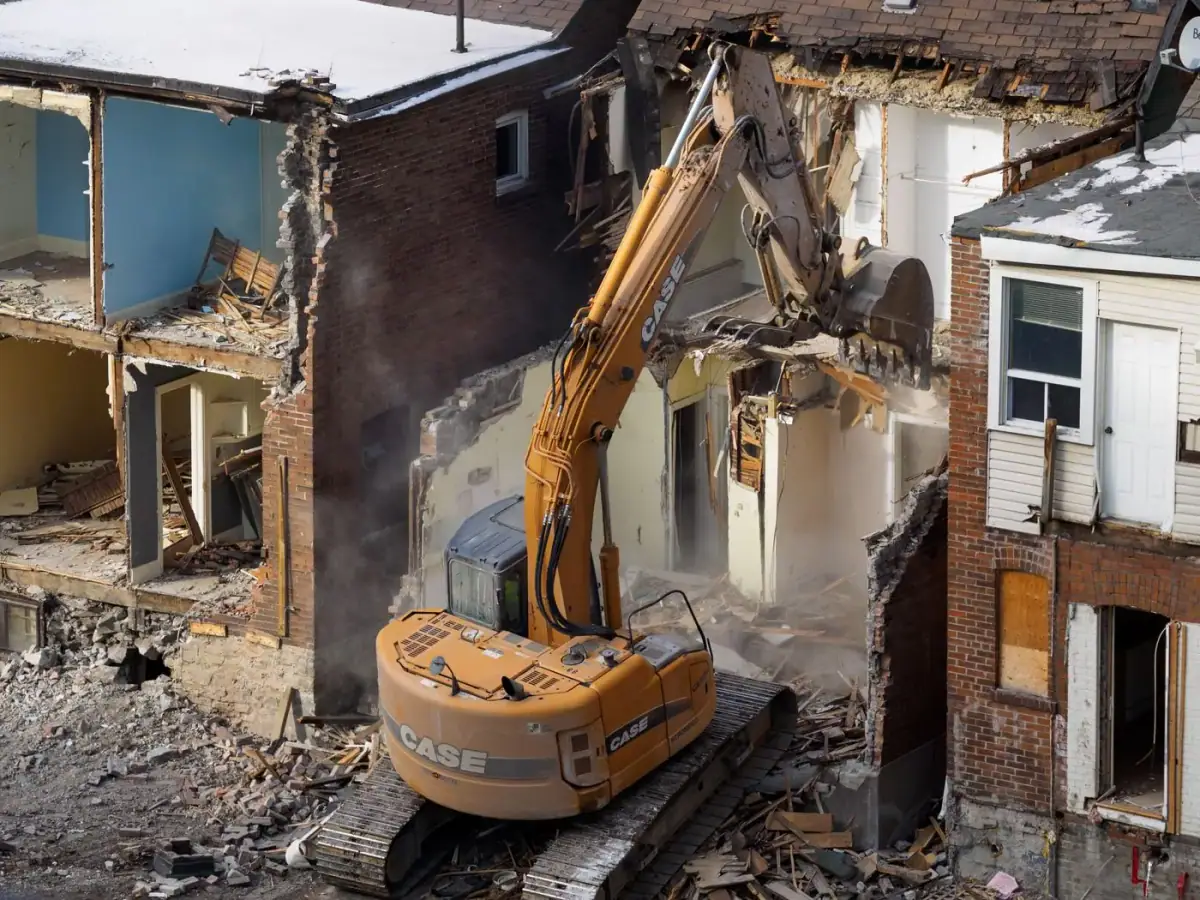
 01Residential Demolition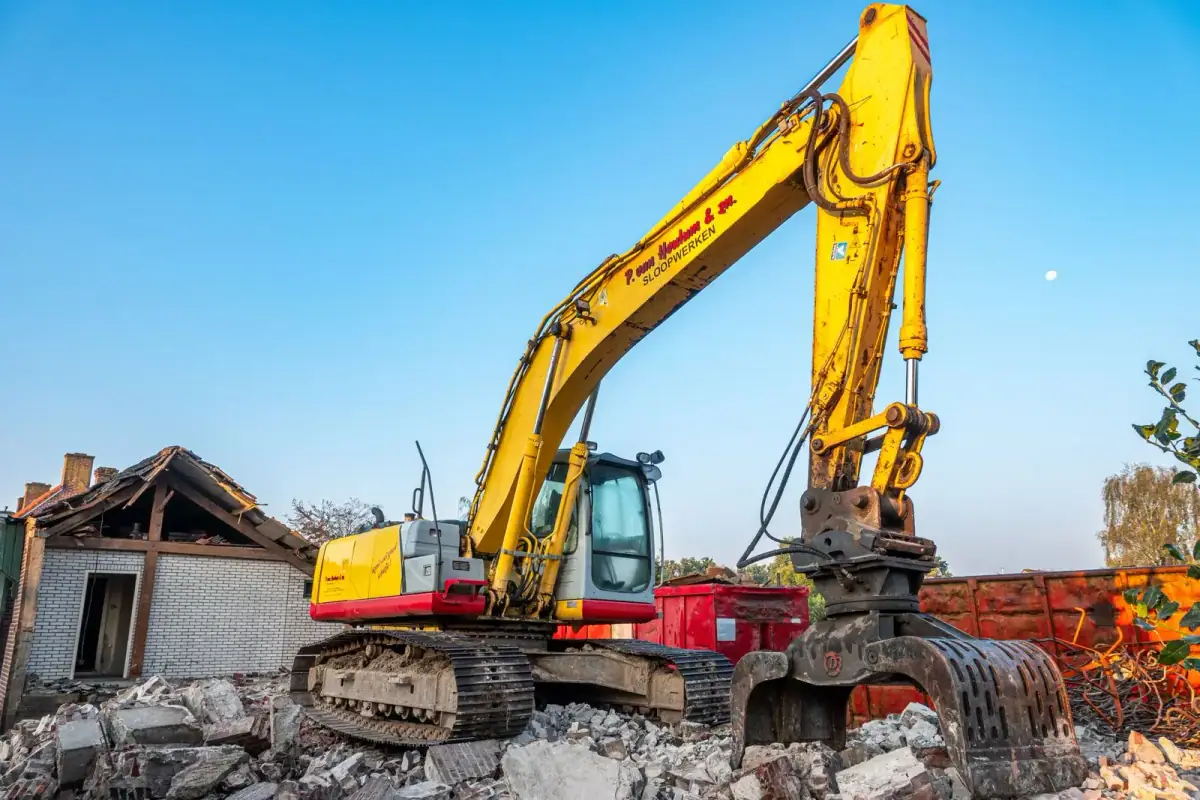


When homeowners call us
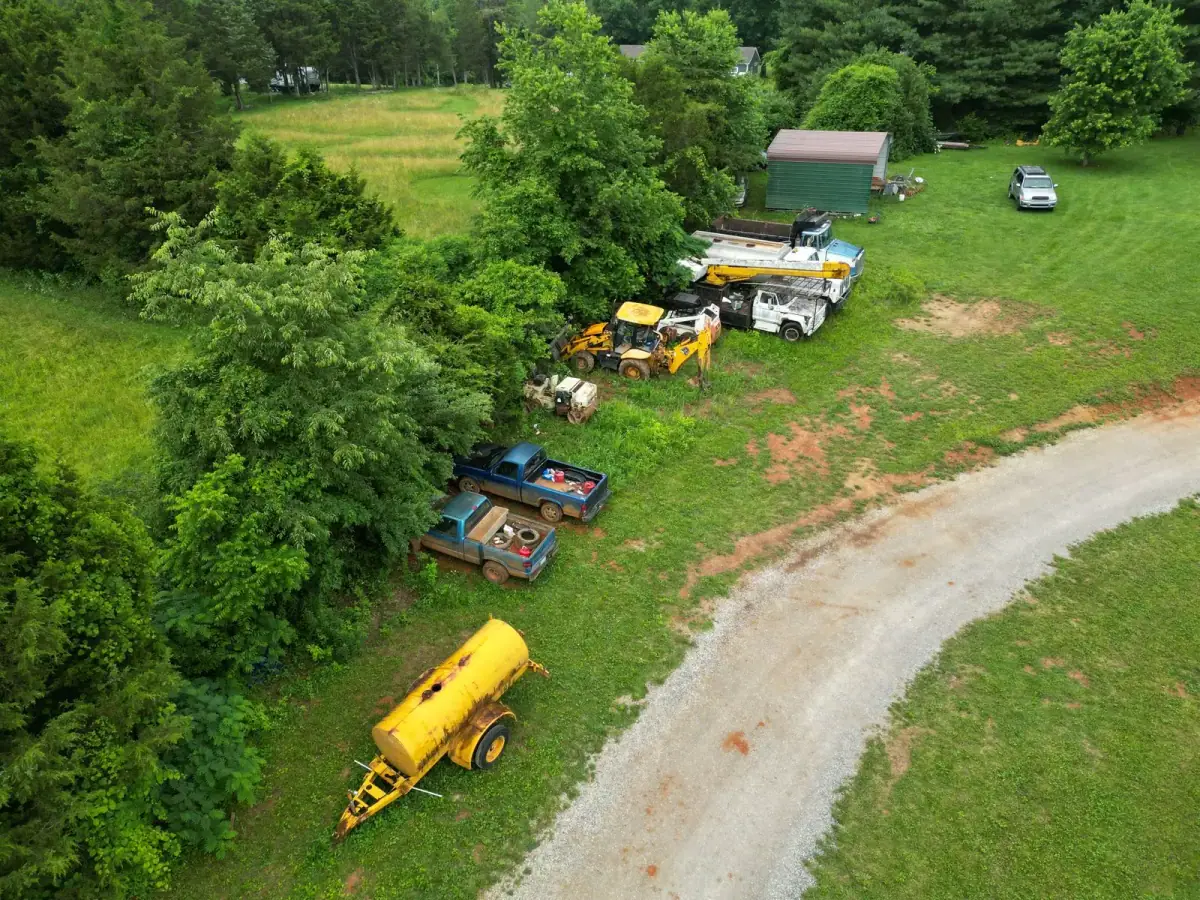
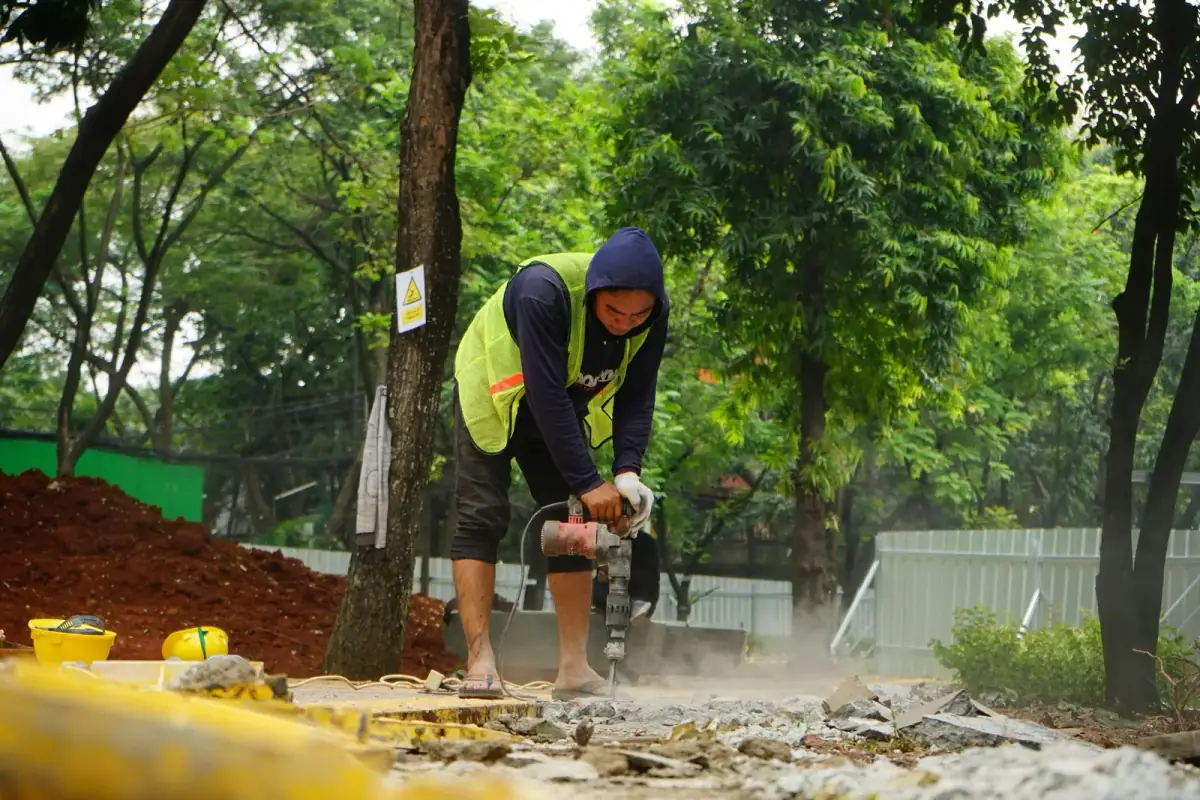
Residential demolition requests usually come from one of a handful of situations:
Knock-down rebuilds
In Charlotte, Raleigh, Durham, Cary and Wilmington the lot is often worth more than the house on it. Clearing the old structure and building new is frequently more predictable than a deep renovation.
Renovations and additions
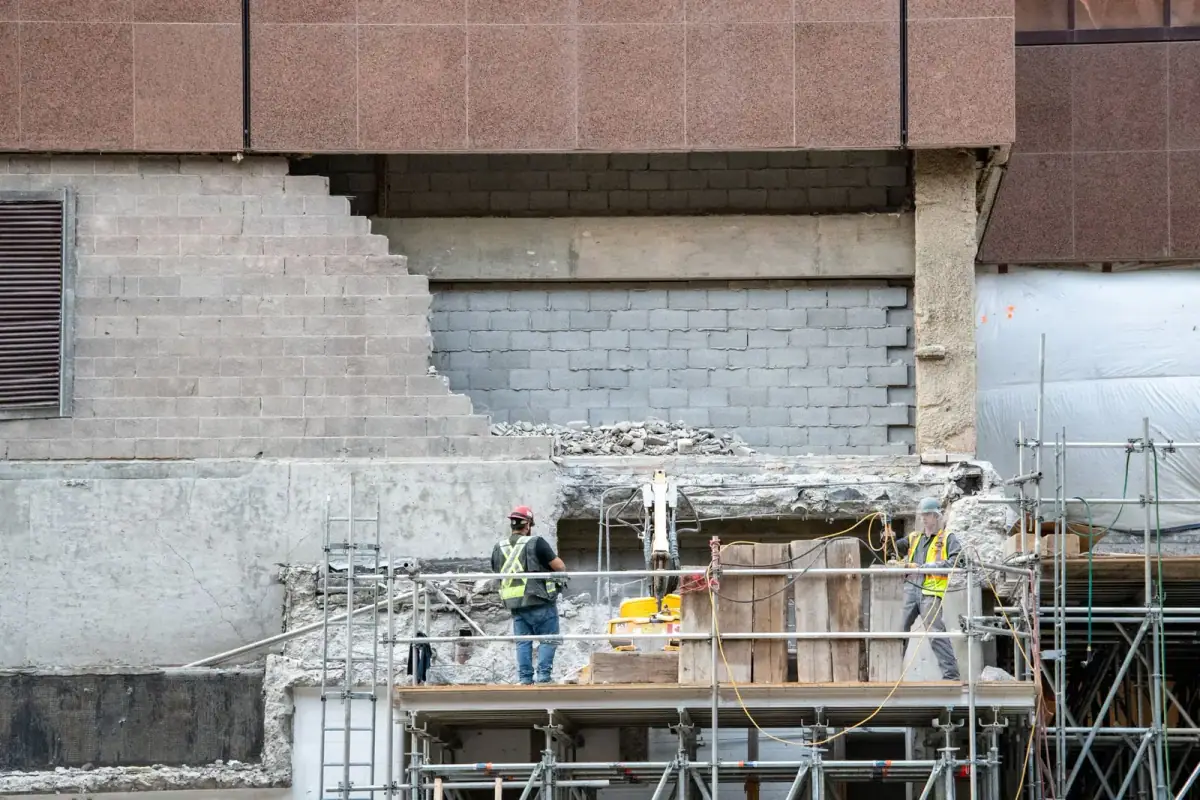
A rear addition, an attached garage, a second story or an interior wall has to come out before the new work starts, while the rest of the home stays intact and liveable.

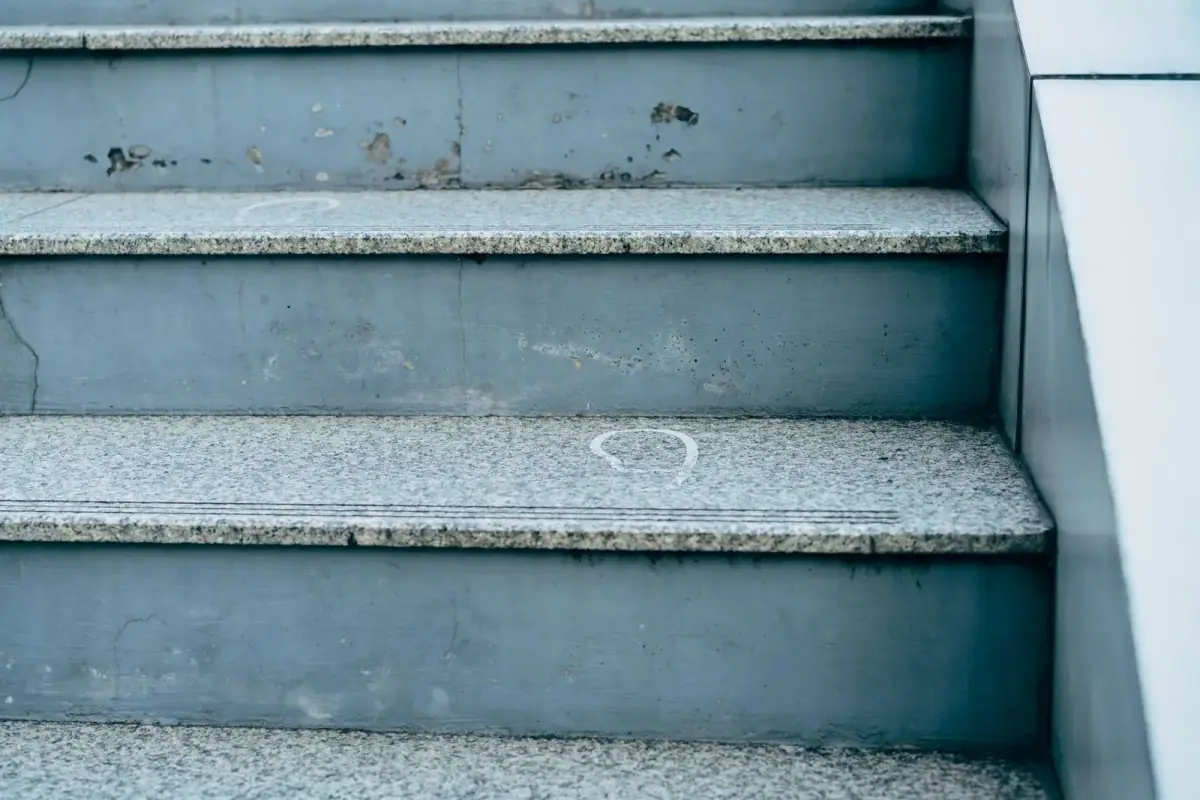
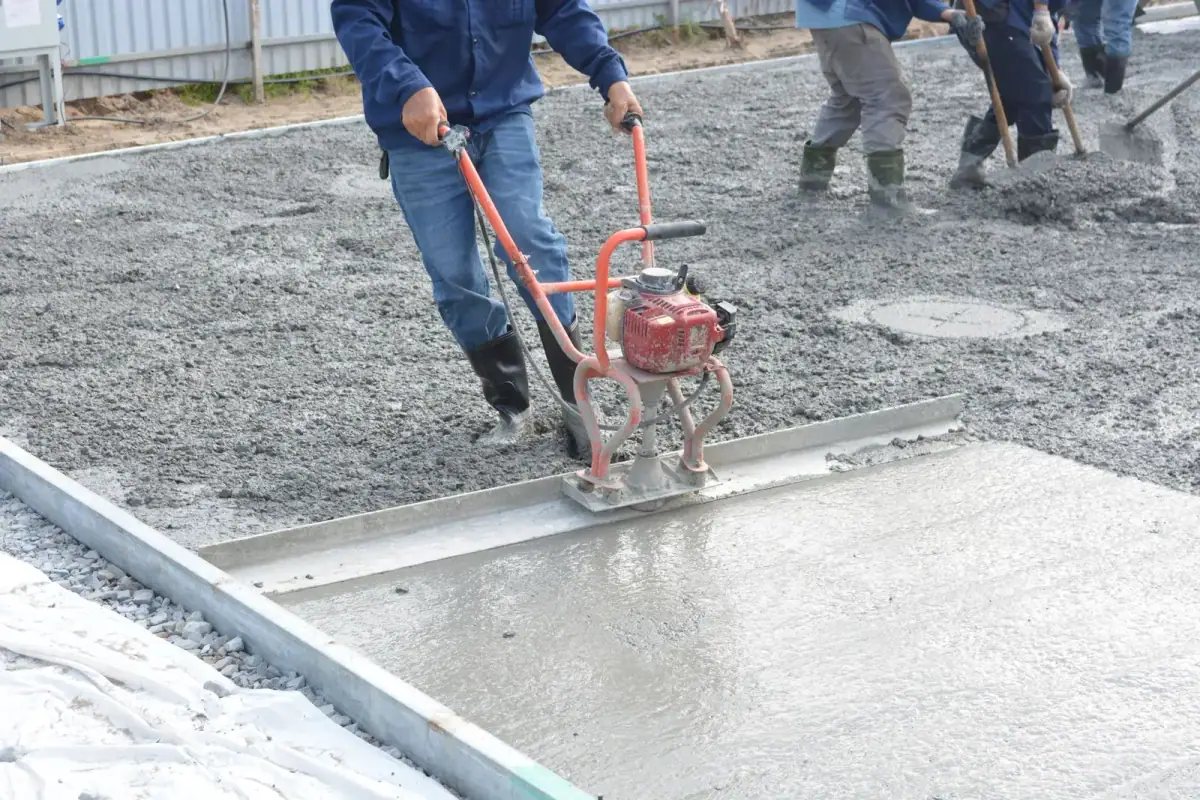
Outdated hardscape
Cracked driveways, sinking patios, crumbling steps, failing retaining walls and rotting decks get removed so a new surface or structure can go in.
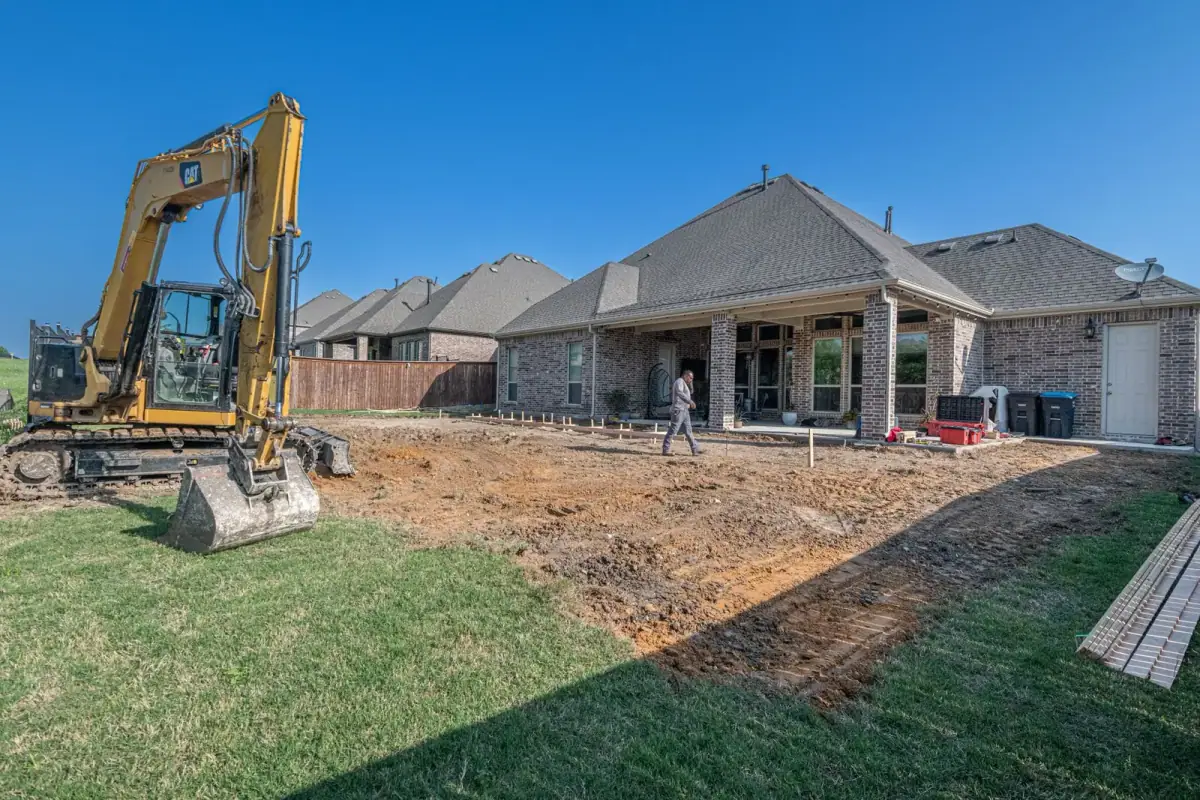
Reclaiming yard space
Pools that cost more to maintain than they are worth, sheds nobody uses and old concrete pads come out to give the yard back.
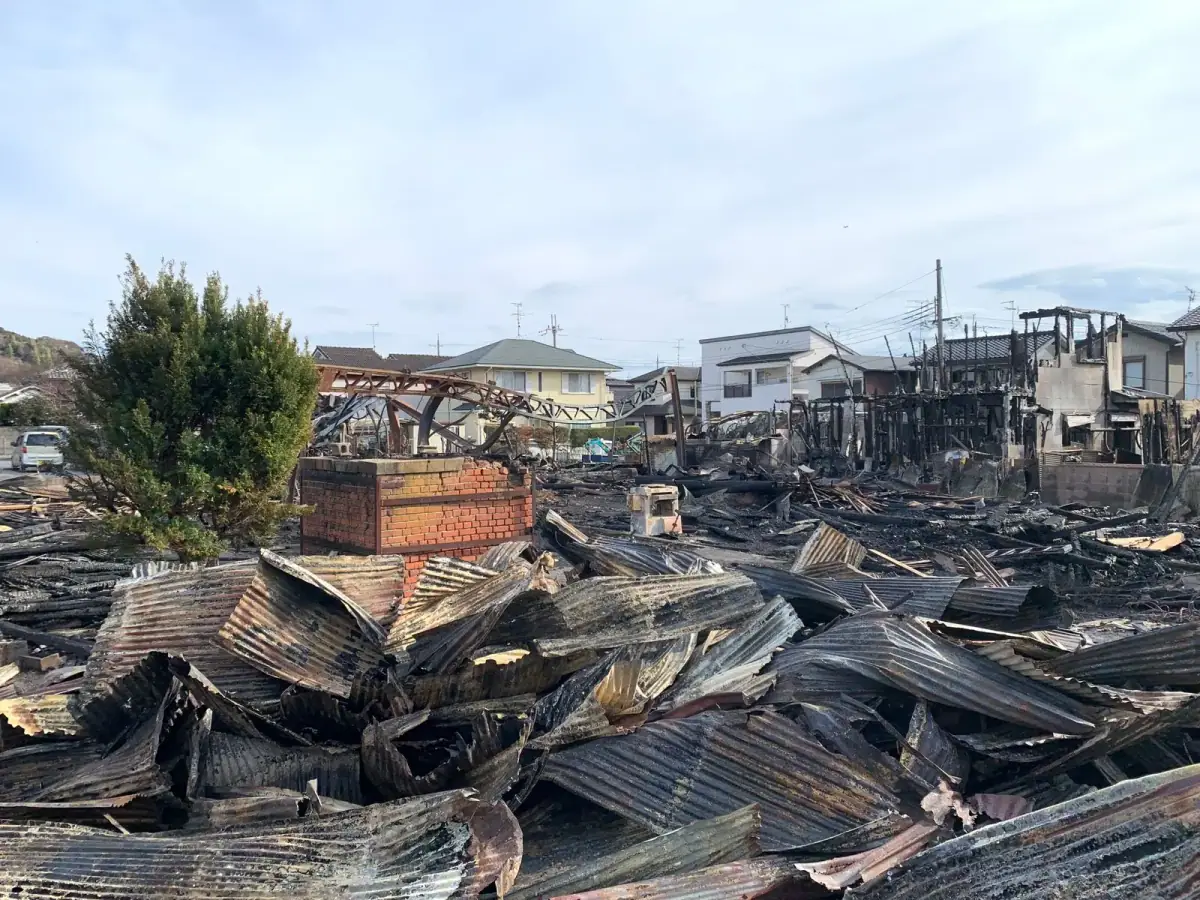
Storm, flood and fire damage
Homes and structures damaged beyond repair are removed, with the itemized documentation insurers and recovery programs ask for.
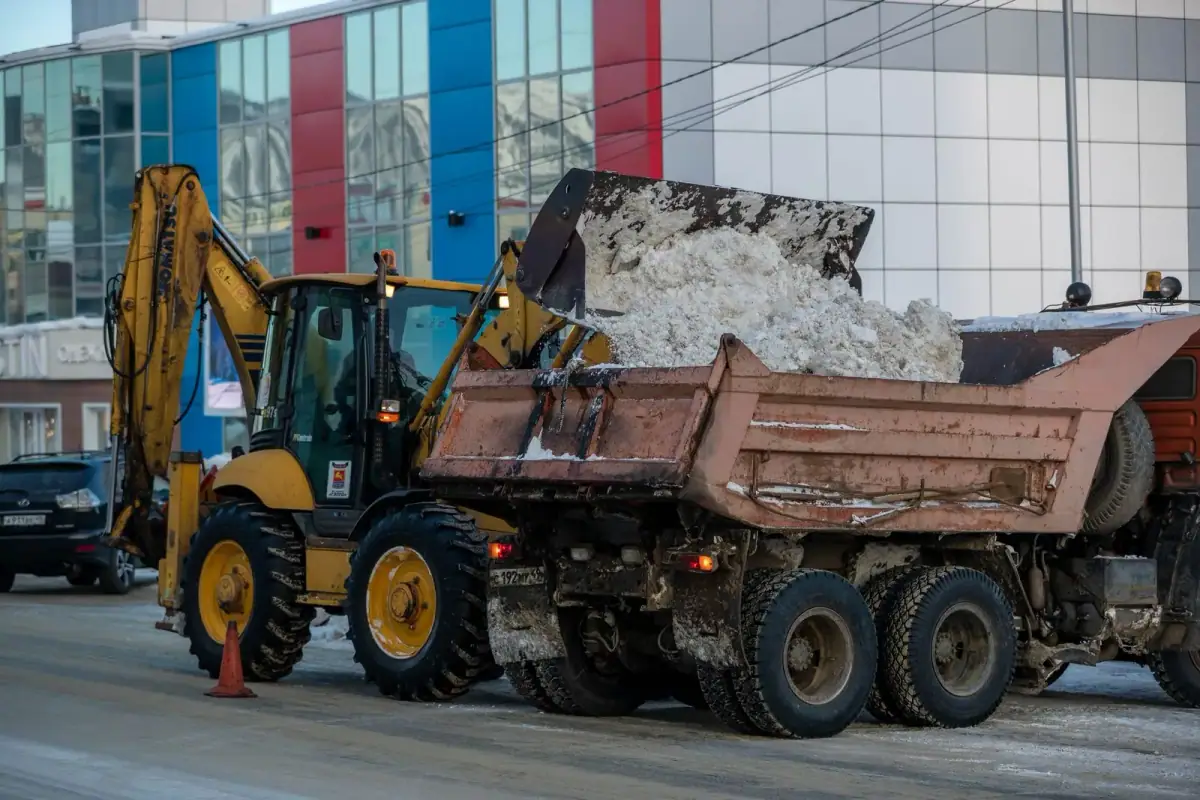
Estates and property sales
Executors and heirs clear derelict structures so land can be valued, divided, financed or sold. A clean lot shows far better than a liability.
What every residential project includes
Whatever the size of the job, the same scope applies, planned and priced before any machine arrives:
- 01Free on-site assessment.
We walk the property, measure what is coming out, check access for equipment and trucks, and note hazards such as basements, fuel tanks, septic systems and wells.
- 02Written, itemized estimate.
A fixed-scope proposal stating exactly what is removed, what stays, how debris is handled and what the finished site looks like.
- 03Permits.
We prepare and submit the demolition permit application to your city or county and coordinate the inspections they require.
- 04Asbestos inspection coordination.
For structural work, an NC-accredited inspector surveys before demolition. If asbestos is found, accredited abatement crews remove it first.
- 05Utility disconnection.
We coordinate with electric, gas, water, sewer, cable and phone providers so every service is safely disconnected and capped.
- 06NC 811 utility locate.
Before any digging we request a locate so buried lines are marked and protected.
- 07Property protection.
Trees, fences, driveways, septic fields, irrigation and neighbouring structures are identified and protected before work starts.
- 08Dust and noise control.
Water spray during demolition and loading, plus work hours that respect local noise ordinances and HOA rules.
- 09Debris sorting, hauling and recycling.
Concrete, brick, metal and clean wood separated for recycling. The rest goes to permitted C&D facilities.
- 10Backfill, compaction and grading.
Excavations backfilled with suitable soil, compacted in layers and rough-graded so water drains away from the site.
- 11Erosion control.
Silt fence, seed and straw where needed to keep soil out of streets, ditches and storm drains.
- 12Final walkthrough and records.
We walk the site with you and hand over photos, disposal records and inspection sign-offs for your files, lender or insurer.
One contractor, one schedule
Combining services — say a house, its driveway and a pool — means one permit package, one mobilization and one crew instead of three contractors blaming each other for the delay.
How a residential project runs
Small removals compress this into a single visit. Structural work follows every step.
01
Day 1
Site visit and estimate
We inspect the property, talk through your plans, and send a written itemized estimate, usually within a few business days.
02
Week 1–2
Asbestos inspection
For structures, an NC-accredited inspector samples suspect materials — vinyl flooring, siding, roofing, joint compound, pipe insulation. Anything found is abated first.
03
Week 2–4
Permits and utility disconnects
We file the permit, coordinate disconnection of electricity, gas, water, sewer and communications, and request an NC 811 locate.
04
Pre-demo
Site preparation
Fencing and erosion control installed, trees and neighbouring property protected, salvage and non-landfillable items removed.
05
Demo day
Demolition
The structure or surface comes out in a planned sequence with dust suppression and a defined safety zone. Materials are separated as we go.
06
1–3 days
Foundation removal and haul-off
Footings, slabs, basement walls and chimneys broken out. Debris loaded and hauled to recycling and C&D facilities.
07
Handover
Backfill, grading and handover
Excavations backfilled and compacted, site rough-graded, exposed soil stabilized, final walkthrough completed with you.
READY TO CLEAR THE SITE?
Tell us what needs to come down.
Send a few project details and our team will get back to you with the next steps.
Working next to people who live there
Protecting your property
Residential demolition happens in a lived-in yard, so we protect what stays before anything comes down.
- Construction fencing and signage around the work zone
- Water spray to control dust during demolition and loading
- Protection for trees, fences, driveways and irrigation
- Plywood or matting to protect driveways and lawns
- Neighbouring structures identified and protected
- Septic fields and wells marked and avoided
- Street sweeping to keep mud off public roads
- The parts that stay left exactly as we found them
Neighbors and safety
Tight infill lots put the work close to occupied homes, so safety and neighbour relations are planned in.
- Work hours that respect local noise ordinances and HOAs
- Advance notice to neighbours before heavy work
- Public kept out of the work zone at all times
- Experienced operators and daily safety briefings
- OSHA-compliant practices on every job
- A defined exclusion zone during demolition
- A named contact for questions or concerns
- General liability and workers’ compensation insurance
What residential demolition costs in North Carolina
Every property is different, so we quote a fixed price after a site visit. As general guidance, complete house demolition in North Carolina commonly runs about $4 to $15 per square foot including disposal. Smaller, simpler homes sit at the low end; basements, asbestos and difficult access push toward the high end. Individual removals — a deck, a patio, a set of steps — are usually priced as a flat job rather than by area.
| Cost factor | Why it matters |
|---|---|
| Size and construction | Larger structures, brick and block, and multiple stories create more debris and take longer to remove. |
| Foundation type | Basements and thick slabs take longer to break out and need far more backfill than crawl-space homes. |
| Asbestos and hazardous materials | An inspection is required for structures. Abatement adds cost when asbestos-containing materials are found. |
| Site access | Narrow lots, steep grades, overhead power lines and limited truck access all slow the work down. |
| Reinforcement | Heavily reinforced concrete and post-tensioned slabs take longer to break and separate than plain pours. |
| Debris volume and disposal | Tipping fees and haul distances to recycling and C&D facilities vary across the state. |
| Additional structures | Driveways, garages, pools, sheds and fences add scope — though bundling them lowers the cost of each. |
| Permits and local rules | Permit fees, erosion control and tree protection requirements differ by city and county. |
| Septic and well closure | Abandoning a septic tank or private well is a separate line item. |
| Backfill material | Importing engineered fill for a basement or pool cavity costs more than reusing suitable on-site soil. |
Recycling concrete, brick and metal reduces landfill fees, and those savings show up in your estimate. Insurance claims, lenders and recovery programs generally need an itemized quote, and we provide one on request.
How long it takes
The demolition itself is usually the fastest part. Preparation — inspection, abatement, utility disconnects and permit approval — is what sets the overall schedule.
| Project | Typical time on site |
|---|---|
| Shed, deck, patio or concrete steps | 1 day |
| Driveway, patio slab or above-ground pool | 1–2 days |
| Garage, retaining wall or chimney | 1–3 days |
| In-ground pool removal and backfill | 2–4 days |
| House demolition and foundation removal | 2–5 days |
| Basement removal, backfill and compaction | 3–6 days |
| Permits, asbestos and utility disconnects (before any of the above) | 2–6 weeks |
North Carolina permits and regulations
North Carolina has no single statewide demolition permit. Demolition is permitted locally by your city or county inspections department, with several state rules layered on top. Requirements vary between jurisdictions, so we confirm the exact list for your address during the estimate.
- Local demolition permit. Issued by the building inspections office covering your address. Most NC jurisdictions want proof of utility disconnection and a completed asbestos inspection before they issue it. Small non-structural work such as a patio or deck often does not need one.
- Asbestos inspection and notification. Run by the Health Hazards Control Unit of NC DHHS. Inspections must be by NC-accredited inspectors and removal by NC-accredited abatement workers. Mecklenburg, Forsyth and Buncombe counties have local air quality agencies with additional notification rules.
- NC 811 before digging. State law requires notifying NC 811 at least three full working days before excavating so underground utilities can be located and marked.
- Historic district review. If the property is in a local historic district or is a designated landmark, the preservation commission may need to approve the demolition and can delay it by up to 365 days.
- Erosion and sedimentation control. Under the NC Sedimentation Pollution Control Act, disturbing one acre or more requires an approved plan. Many cities apply stricter local thresholds, and even small lots need measures to keep mud out of storm drains.
- Septic systems and wells. Septic systems are regulated by county environmental health. Private wells going out of use must be permanently abandoned under NC well construction rules.
- Pool removal rules. Many jurisdictions treat pool demolition as its own permit and care how the shell is perforated and backfilled, because an improperly filled pool can settle years later.
- Tree protection. Charlotte, Raleigh and others have ordinances protecting certain trees during demolition and redevelopment, especially in the street right-of-way.
- HOA and neighbourhood rules. Associations may restrict work hours, require advance notice to neighbours, or set rules for fencing, dumpsters and parking.
We handle the paperwork
Permit applications, asbestos coordination, utility disconnect letters and NC 811 requests are part of the service. You approve the plan; we manage the process.
How to prepare your property
A little preparation keeps the project on schedule:
NOT SURE YET?
Let’s talk through your residential project
From a whole house to a single deck, call us or send a few details and a project specialist will walk you through options, permits, timing and a ballpark cost — no commitment needed.
Debris removal and recycling
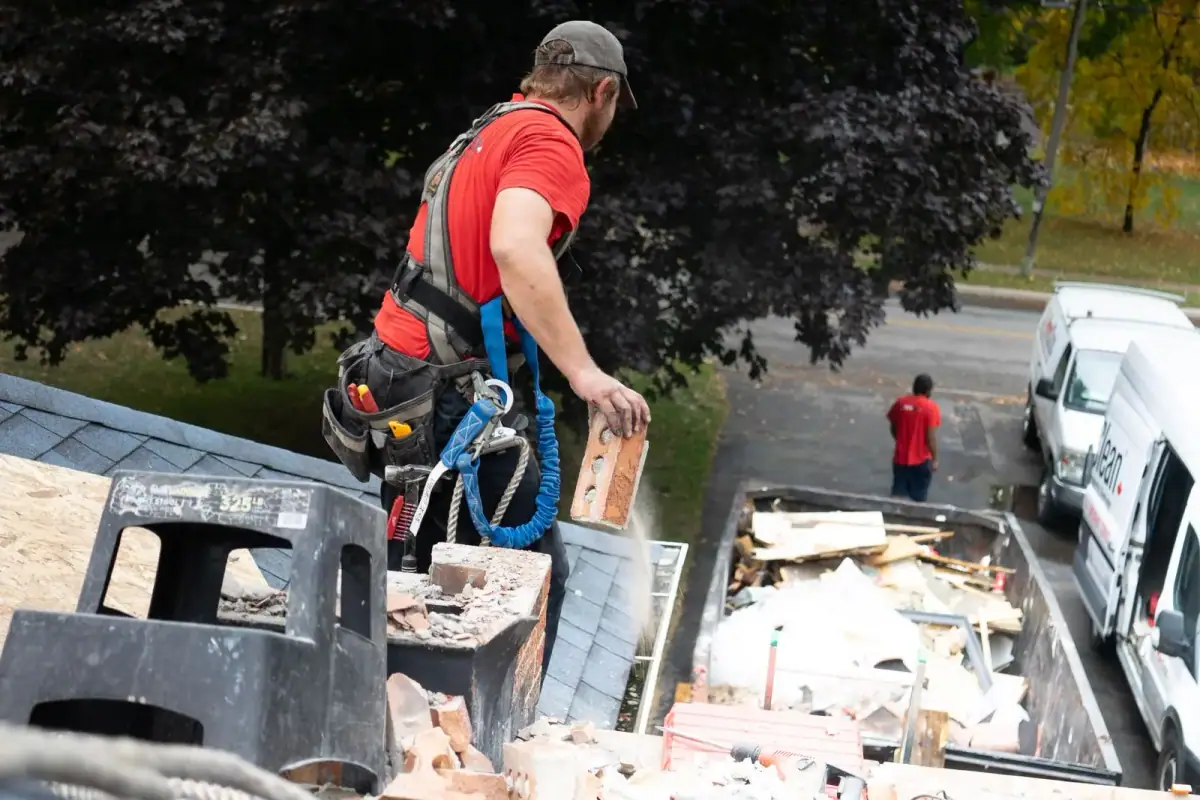
An average house produces many tons of debris. Rather than landfilling all of it, we sort on site:
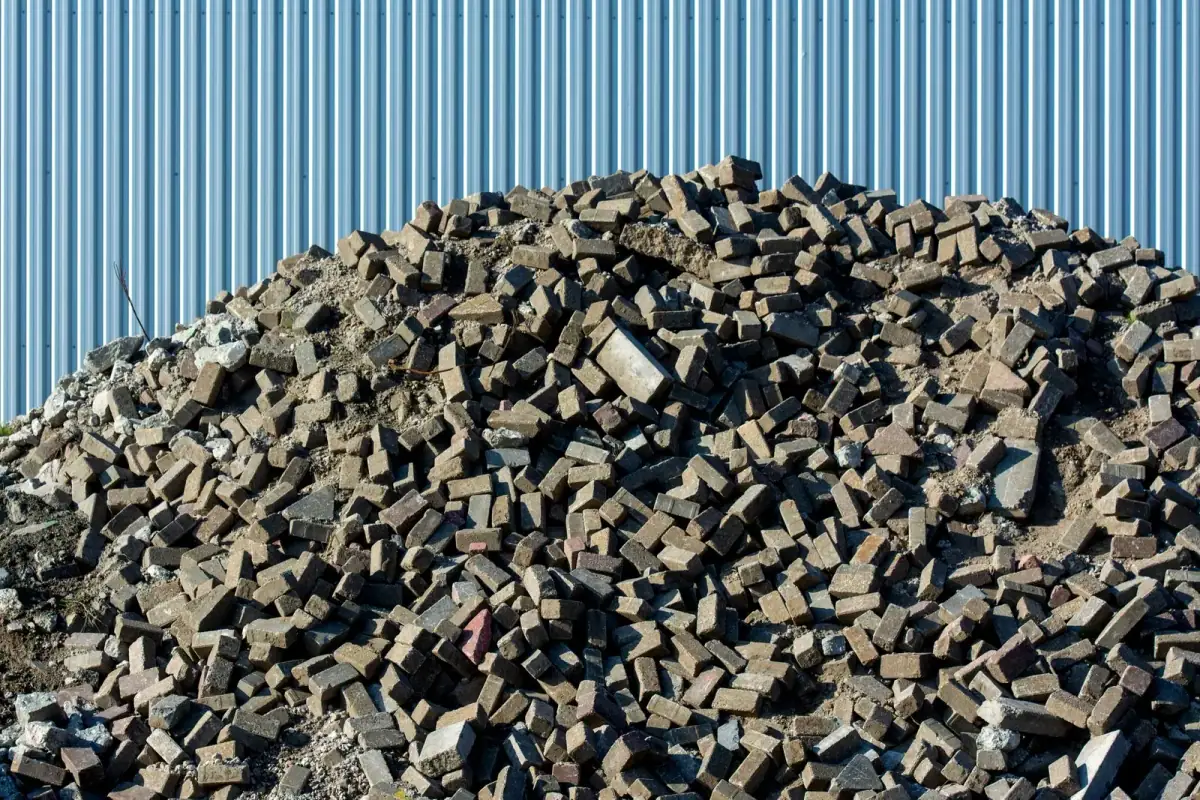
- Concrete, brick and block. Crushed and reused as aggregate, base and fill — often back into the same site as backfill.
- Metals. Steel, copper, aluminium and wiring go to scrap recyclers.
- Clean wood. Diverted for mulch, fuel or reuse where local facilities accept it.
- Appliances and electronics. Recycled separately. North Carolina bans white goods and many electronics from landfills.
Remaining mixed debris goes to permitted construction and demolition landfills or transfer stations. We keep weight tickets and disposal records, which are useful for green building programs, lenders and insurers.
Residential demolition service areas
Alpha Demolish works throughout North Carolina, from the mountains to the coast, including:
Charlotte metro
Charlotte • Concord • Gastonia • Huntersville • Matthews • Mint Hill • Mooresville • Cornelius • Indian Trail • Monroe
Research Triangle
Raleigh • Durham • Cary • Chapel Hill • Apex • Wake Forest • Holly Springs • Garner • Morrisville • Fuquay-Varina
Piedmont Triad
Greensboro • Winston-Salem • High Point • Burlington • Kernersville • Thomasville
Coastal North Carolina
Wilmington • Jacksonville • New Bern • Morehead City • Greenville • Outer Banks
Western North Carolina
Asheville • Hendersonville • Hickory • Boone • Morganton • Waynesville
Sandhills & Eastern NC
Fayetteville • Southern Pines • Pinehurst • Sanford • Goldsboro • Rocky Mount • Wilson
Don’t see your town? We work across the state. Contact us and we’ll confirm availability for your address.
Why North Carolina homeowners choose Alpha Demolish
One contractor, start to finish
Permits, asbestos, utilities, demolition, haul-off and grading managed by one team and one project manager.
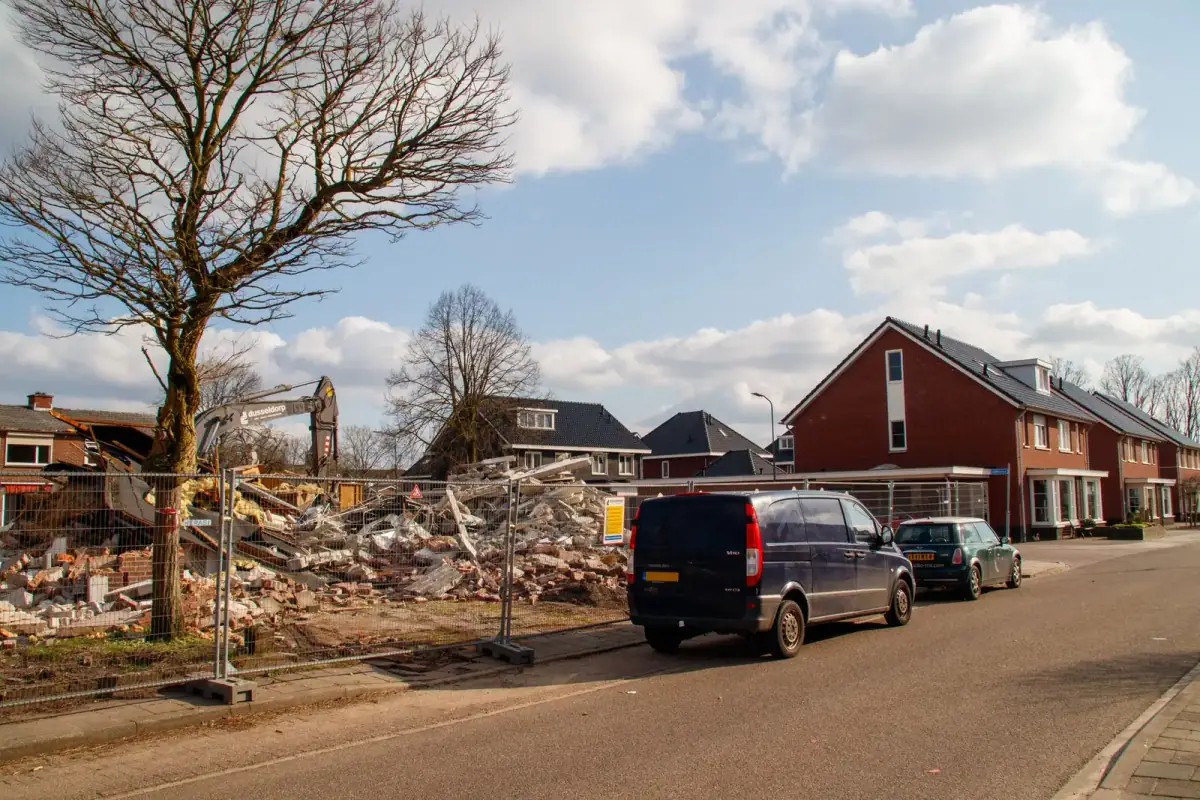
Fixed, itemized pricing
Your estimate lists every part of the scope, so you know exactly what you are paying for before work starts.
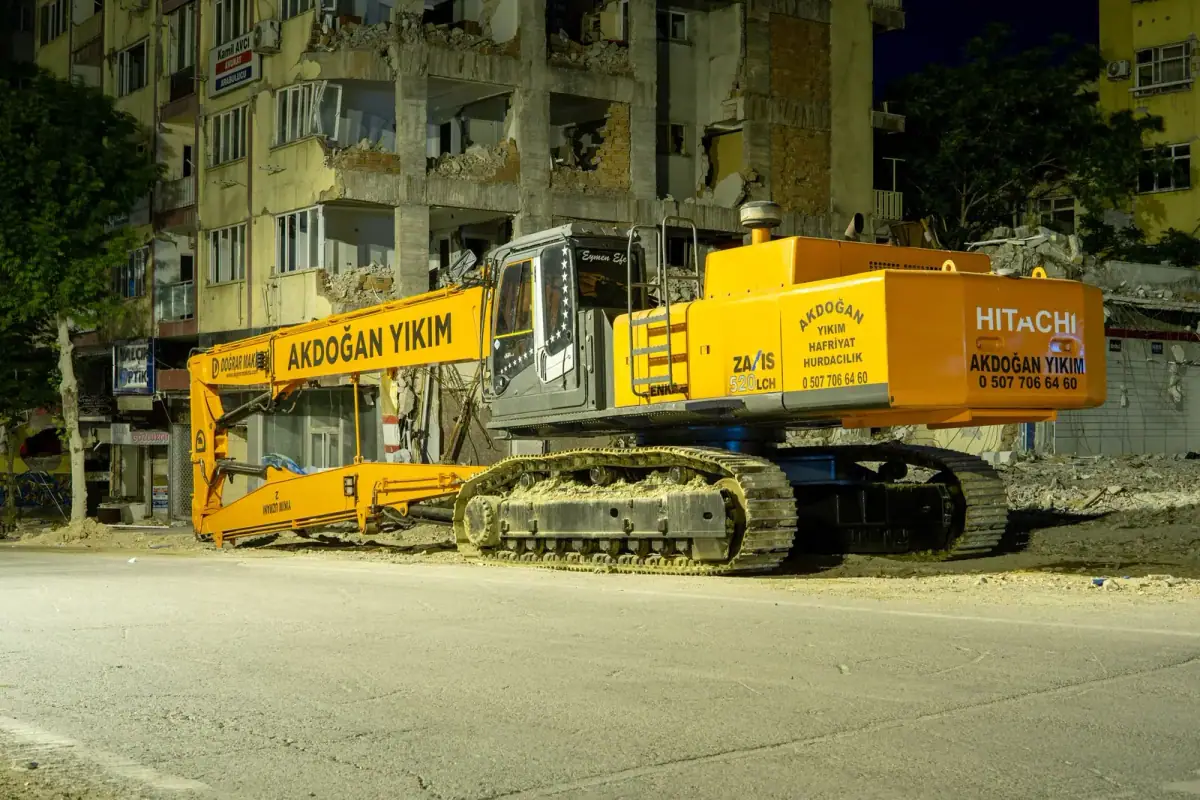
Local regulatory knowledge
We know how demolition permits, asbestos rules and erosion requirements actually work in different NC cities and counties.
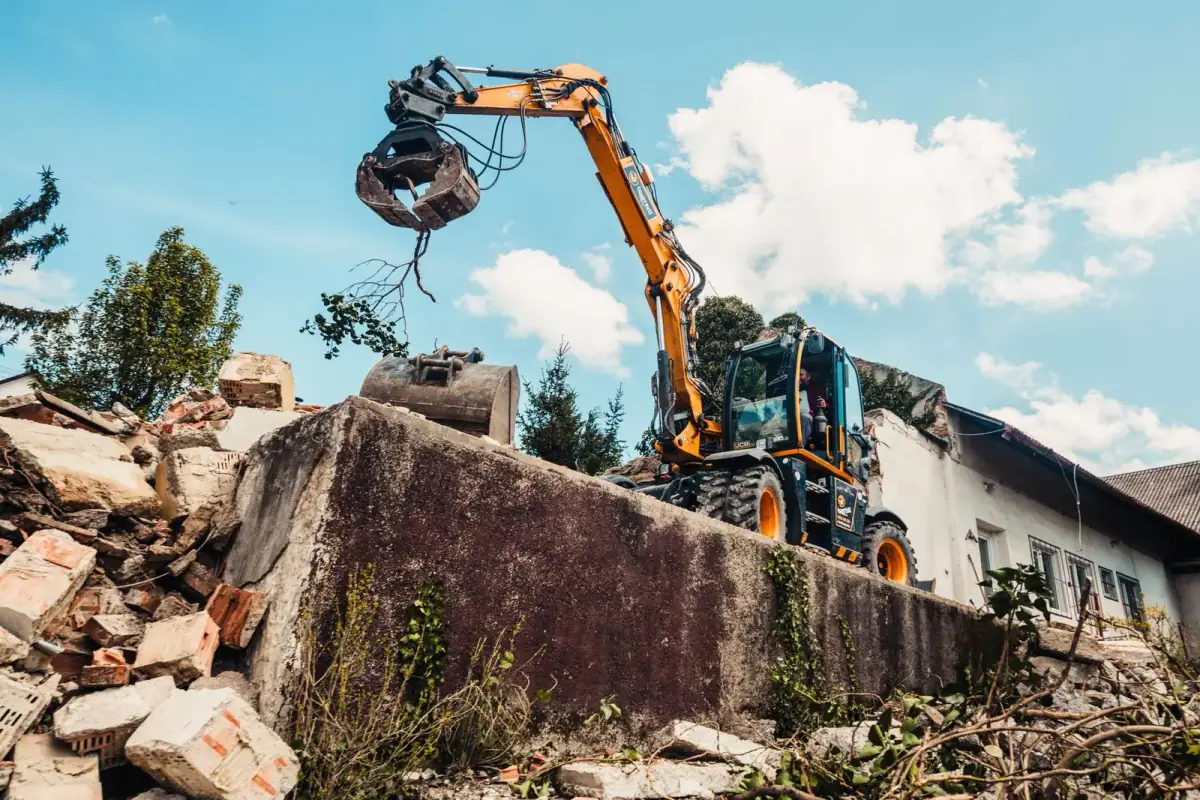
Respect for the property
Driveways, lawns, trees, fences and neighbours are protected. We leave the parts that stay exactly as we found them.
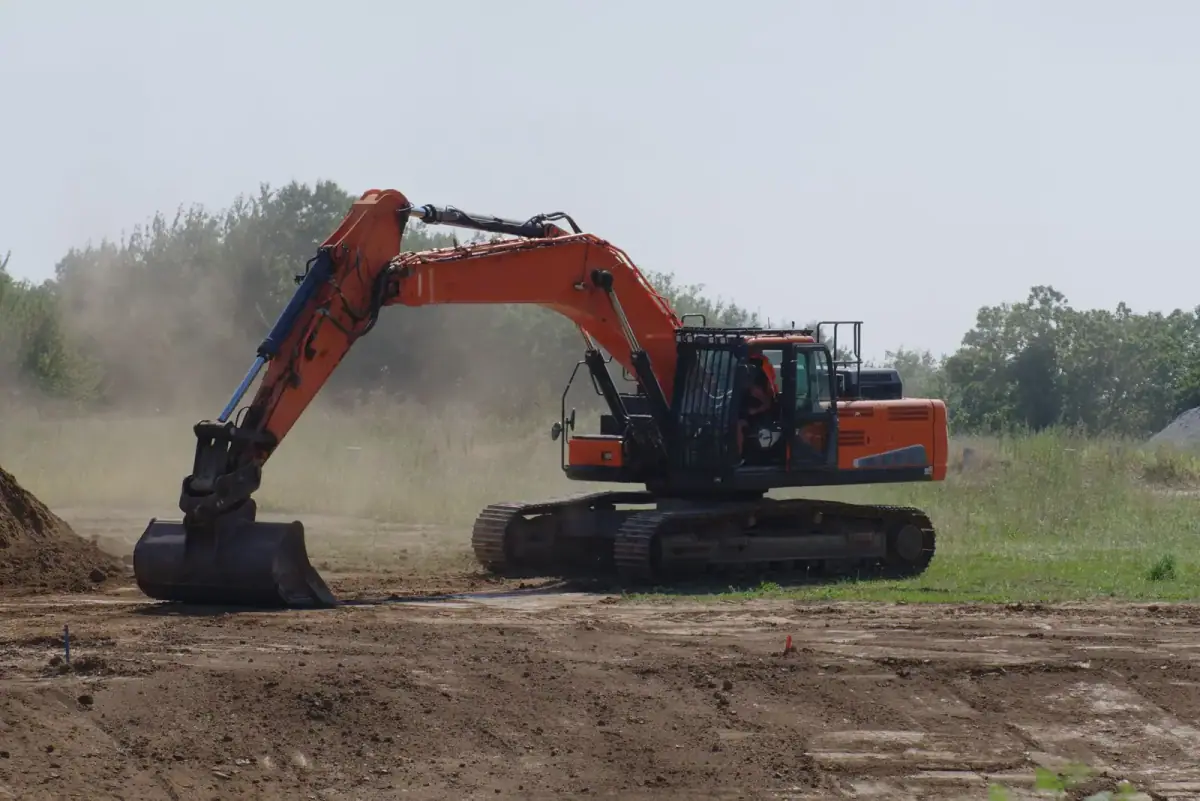
Build-ready sites
We finish with a backfilled, compacted and rough-graded site so your builder or landscaper can start sooner.
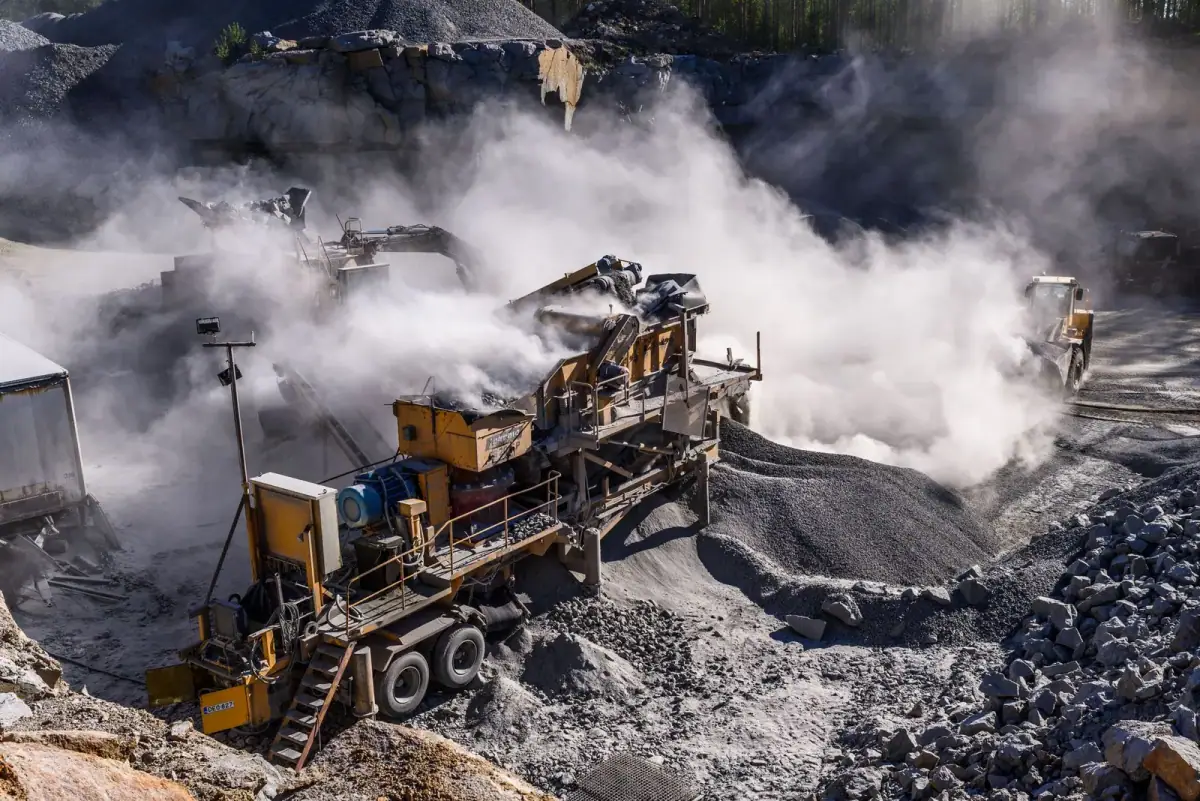
Responsible recycling
Concrete, metal and other materials are diverted from landfills wherever possible, with records to prove it.