Basement removal in North Carolina
When a house with a basement is demolished, the hole left behind is often the most important part of the project. How that space is emptied, filled and compacted decides whether your next foundation sits on solid ground or settles and cracks within a few years.
In North Carolina, basements are most common in the mountains and the hilly parts of the Piedmont, where sloping lots make walk-out basements practical. They are rare in the coastal plain, where the water table is high. Alpha Demolish removes basement walls and floors, deals with water and old utilities, and backfills with suitable soil compacted in layers, so builders get a stable, documented site.
This page explains what our basement removal service includes, the North Carolina fill rules that apply, how the process works, what affects the cost and how to prepare the site.
When does a basement need to be removed?
Owners and builders across North Carolina call us to remove or fill a basement for several reasons. The most common are:
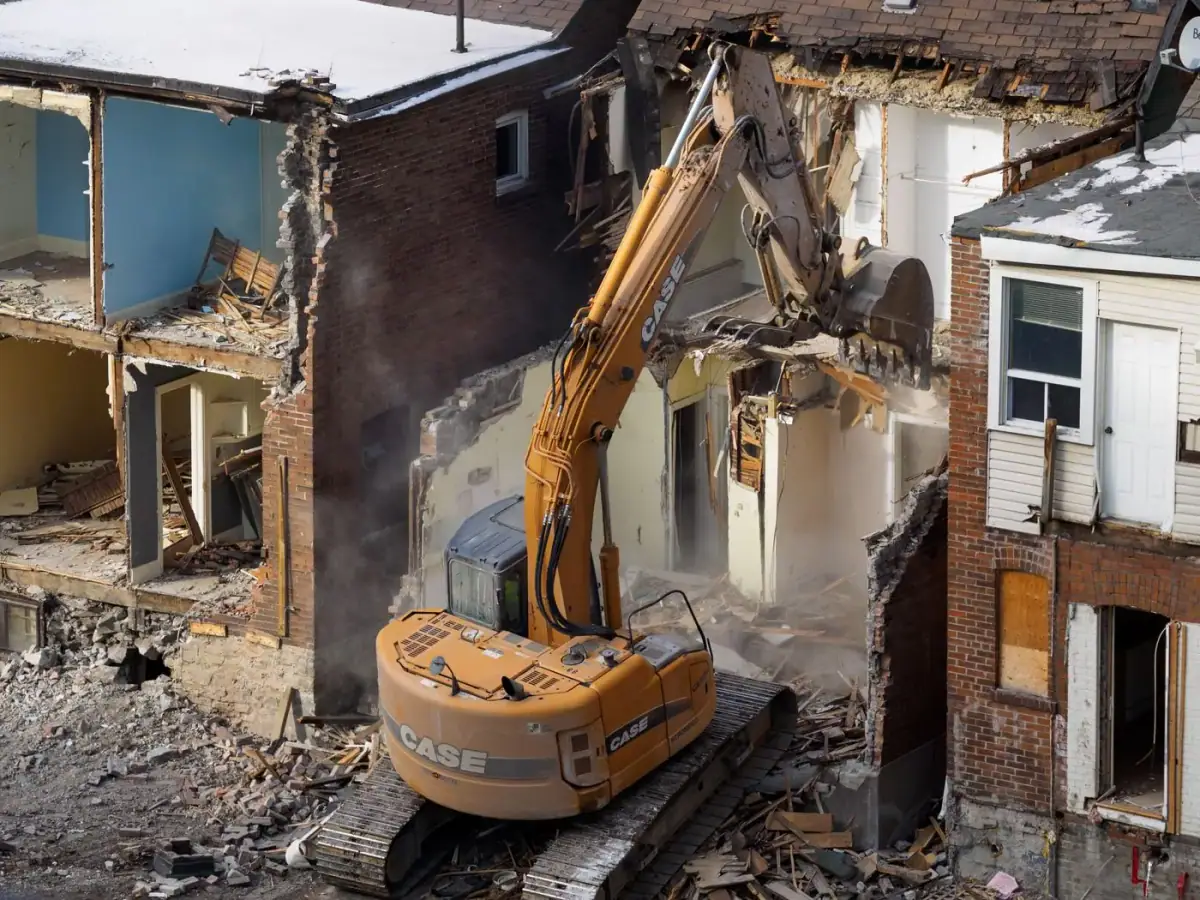
After a house demolition
The basement walls and floor usually need to come out before the lot can be sold or rebuilt.
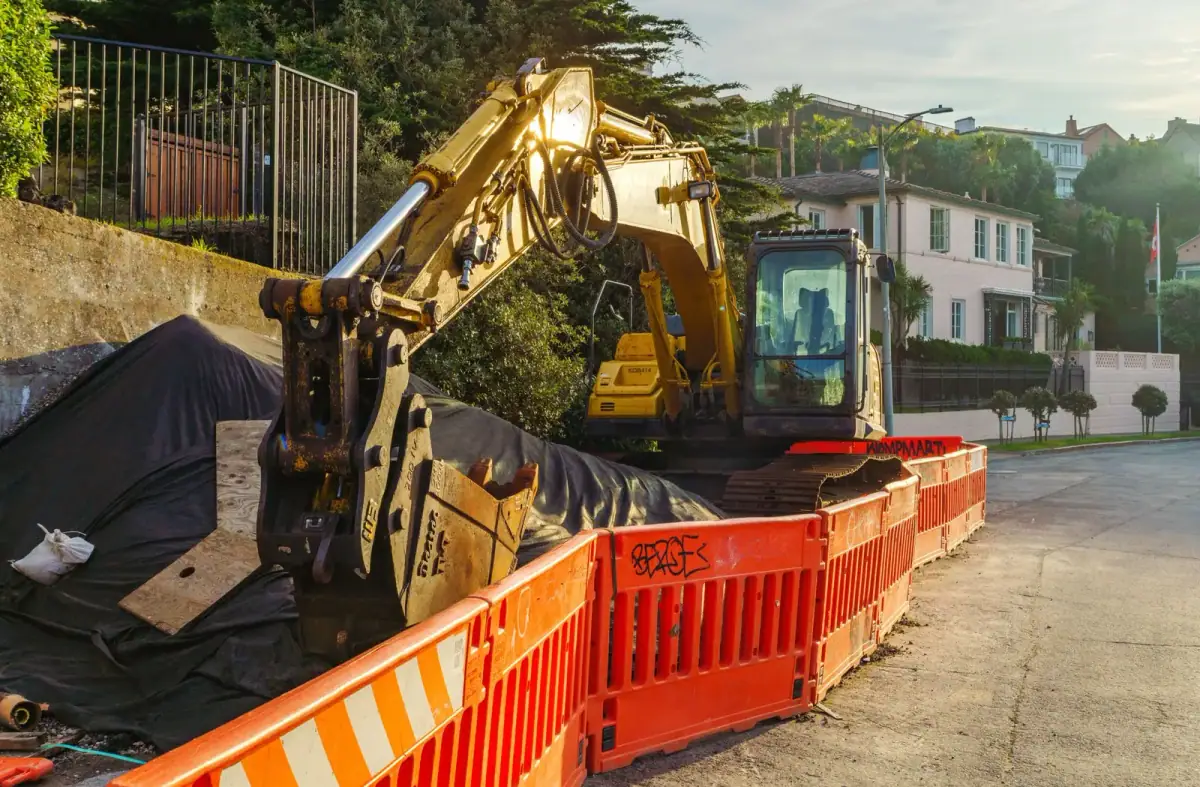
Failing basement walls
Bowing, cracking or leaking walls in older homes that are not worth repairing.

Chronic water problems
Basements that flood repeatedly, where filling is better than years of pumping and patching.
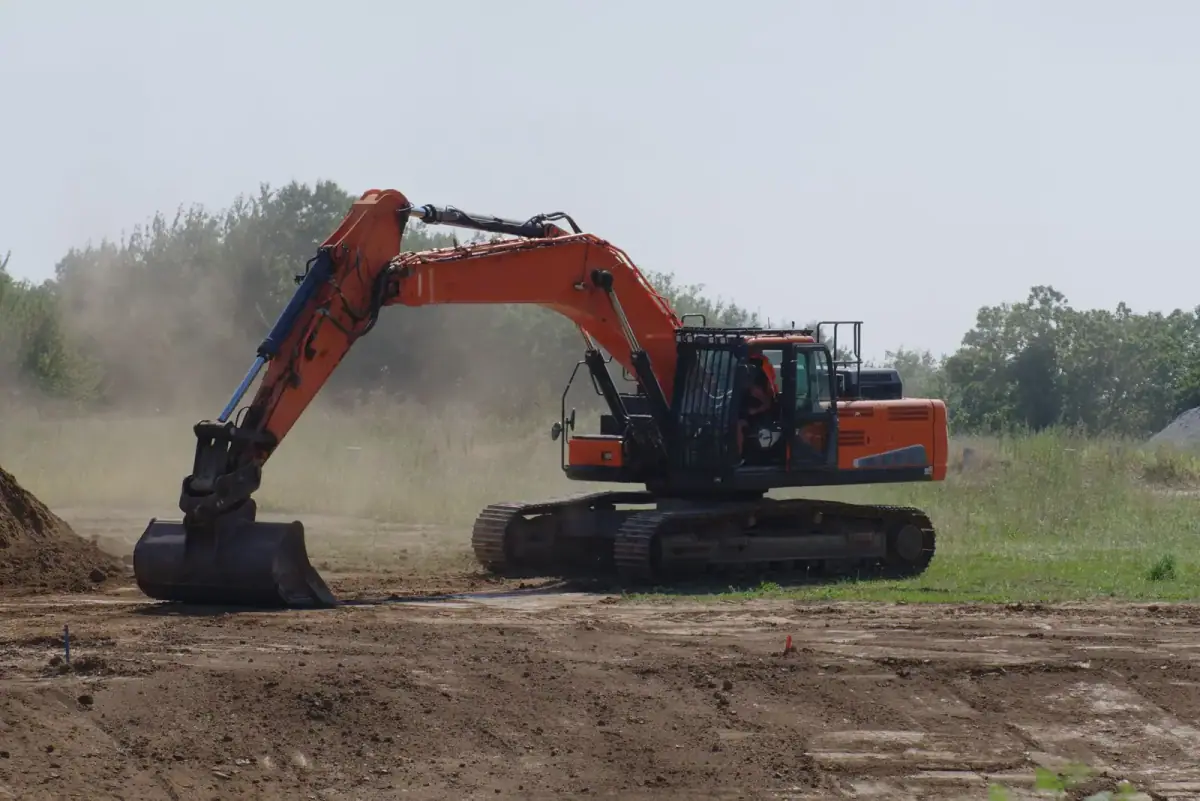
A new design
A new house may call for a slab or crawl space instead, or a basement in a different spot.
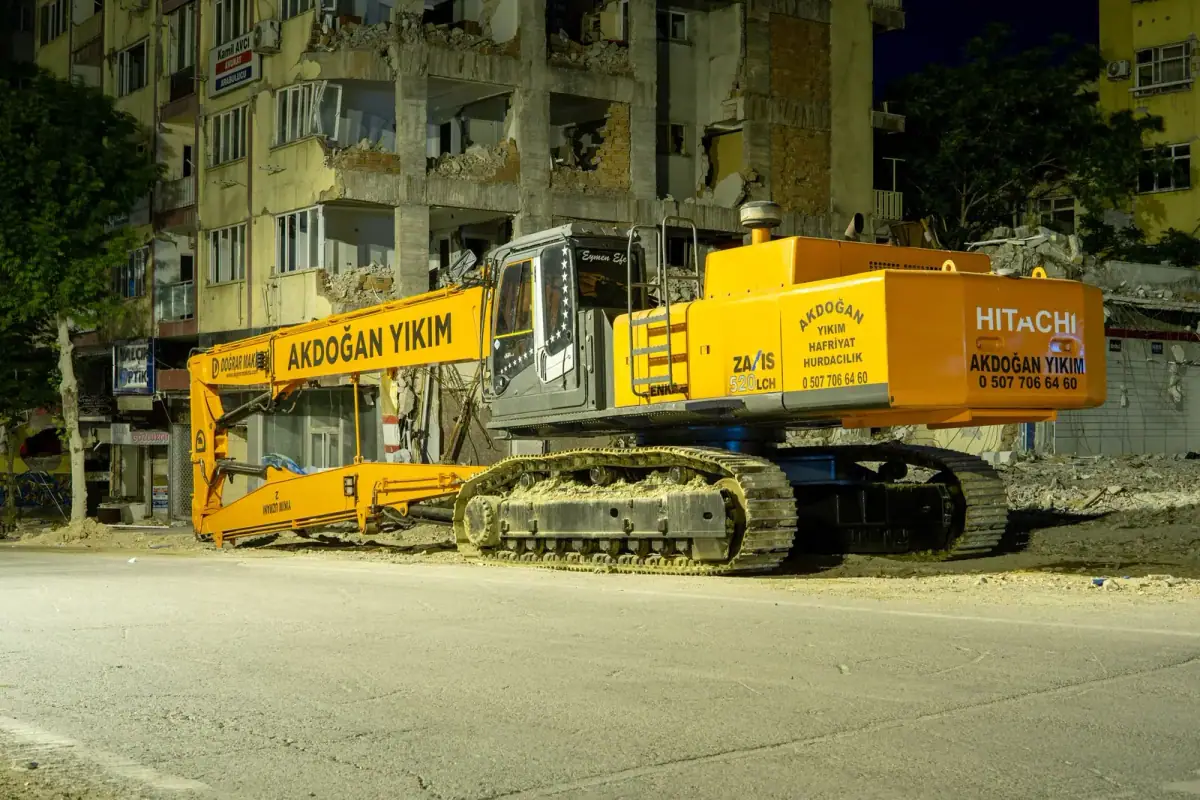
Old buried basements
Infill lots sometimes hide an old cellar or basement from a house removed decades ago, filled with debris that has to be dug out and properly refilled.

Preparing a lot for sale
A filled, documented and graded site is easier to market, finance and build on than an open hole.
What’s included in our basement removal service
A proper basement removal is about far more than filling a hole. Every Alpha Demolish basement removal in North Carolina includes the following scope, planned and documented up front:
- 01Site assessment.
We review the basement size, depth, wall type, water conditions and your plans for the site.
- 02Utility and water checks.
Utilities are confirmed dead, standing water is pumped out, and drain tile and sump pits are located.
- 03Oil tank handling.
Fuel oil tanks are emptied, cleaned and removed, and any signs of a leak are reported to NC DEQ as required.
- 04Asbestos abatement coordination.
Pipe insulation, boiler wrap and floor tiles that contain asbestos are abated by NC-accredited workers first.
- 05Wall and floor demolition.
Block or poured walls are broken out with excavator-mounted breakers, and the floor slab is removed.
- 06Debris sorting.
Steel, wood and all non-inert debris are separated and hauled to permitted facilities.
- 07Backfill in compacted layers.
Suitable clean soil is placed in layers, typically 8 to 12 inches thick, and each layer is compacted before the next.
- 08Drainage and grading.
Old drain tile and sump lines are capped, and the final grade is sloped for drainage away from the site.
- 09Testing and records.
Compaction testing by a geotechnical firm is available, along with photos, fill tickets and disposal manifests.
Our basement removal process, step by step
Every basement removal follows the same proven sequence, documented at each stage so builders and lenders have a clear record.
Day 1
Assessment and estimate
We review the basement size, depth, wall type, water conditions and your plans, and send a fixed estimate.
Pre-demo
Utilities and water
Utilities are confirmed dead, standing water is pumped out, and drain tile and sump pits are located.
Pre-demo
Hazards handled
Oil tanks are removed and any asbestos is abated by accredited workers before demolition.
Demo
Wall and floor demolition
Block or poured walls are broken out with excavator-mounted breakers, and the floor slab is removed.
1–3 days
Backfill in layers
Suitable soil is placed in 8-to-12-inch layers and each layer is compacted before the next.
Handover
Testing, grading and handover
Compaction testing is available, the site is graded for drainage, and you receive photos and records.
READY TO CLEAR THE SITE?
Tell us what needs to come down.
Send a few project details and our team will get back to you with the next steps.
What we handle and how we do it right
What we find in NC basements
Older basements hold hazards and old systems that must be dealt with before the space is filled.
- Fuel oil tanks, emptied, cleaned and removed
- Asbestos pipe insulation, boiler wrap and floor tiles
- Coal bins and ash deposits in older homes
- Sump pumps and drain tile, cut off and capped
- Radon mitigation pipes and fans
- Standing water and active seepage
- Buried debris in old, previously filled cellars
- Reported leaks handled per NC DEQ rules
Backfill and compaction done right
Loose fill settles. A basement filled in one pass with uncompacted soil can crack whatever is built on top of it for years.
- Compacted in layers, never dumped in one pass
- Moisture controlled for Piedmont clay
- Large concrete pieces kept out of upper layers
- Proof-rolled to find soft spots
- Density tests by an independent lab on request
- Compaction matched to the engineer’s standard
- Drainage handled so the fill stays dry
- General liability and workers’ comp insurance
Basement removal cost in North Carolina
Basement removal is often priced as part of a full home demolition, but we also remove basements separately for builders and owners. You receive a fixed, itemized quote after a site visit.
| Cost factor | Why it matters |
|---|---|
| Size and depth | Larger and deeper basements need more demolition and much more fill. |
| Wall type | Reinforced poured walls take longer than block. |
| Water | High groundwater or constant seepage requires pumping and drier fill. |
| Fill volume | Imported soil is often the largest single cost. |
| Compaction testing | Geotechnical density testing is an optional line item. |
| Tanks and hazards | Oil tanks and asbestos add separate steps. |
| Access | Tight or sloped lots may need smaller equipment and more time. |
How long does basement removal take?
Most residential basements take two to five days on site. Water, imported fill and compaction testing are the factors most likely to extend the schedule.
| Stage | Typical duration |
|---|---|
| Site visit and estimate | A few business days |
| Oil tank / asbestos handling (if needed) | A few days to 2 weeks |
| Wall and floor demolition | 1–2 days |
| Debris sorting and haul-off | Same day as demolition |
| Backfill in compacted layers | 1–3 days |
| Compaction testing and final grade | Same day to 1 extra day |
What can go back in the hole? North Carolina fill rules
Pushing demolition debris into a basement used to be common. Today it causes problems for buyers, builders and lenders, and it is restricted by North Carolina’s solid waste rules. What goes back in depends on the material:
Clean, inert fill (allowed)
Uncontaminated soil, rock, brick and unpainted concrete can be used as beneficial fill in many cases, kept out of floodplains and wetlands, with large voids avoided so it compacts.
Debris (not allowed)
Wood, drywall, insulation, roofing, metal, plastic and household trash cannot be buried. It must go to a permitted facility.
Engineered fill
Where a new foundation will bear on or near the fill, the builder’s engineer may require specific soil, controlled compaction and no debris at all.
Buried wood and trash rot, leaving voids that cause settlement, and unknown buried debris can derail a sale or construction loan. We document exactly what goes into the fill so you have a clear record.
North Carolina rules, tanks and documentation
Basement removal touches several North Carolina rules beyond the demolition permit itself. We confirm what applies to your site during the estimate:
- Demolition permit. When the basement is part of a house demolition, the local demolition permit covers the work. Standalone basement fill projects may still need local approval.
- Solid waste fill rules. Only clean, inert material may be used as fill under North Carolina solid waste rules. Wood, drywall, metal and general debris must go to permitted facilities.
- Oil tanks and NC DEQ. Fuel oil tanks are emptied, cleaned and removed. If there are signs of a leak, it is assessed and reported to the NC Department of Environmental Quality as required.
- NC 811 before digging. An NC 811 locate is requested before excavation so buried utilities are marked and protected.
- Erosion and sediment control. Exposed soil is stabilized so sediment stays on your property and out of storm drains and streams.
- Engineered documentation. Where a new foundation will bear on the fill, compaction is done to your engineer’s standard and documented with density tests.
Photos of each stage, fill source tickets, compaction reports and disposal manifests protect your sale, satisfy lenders and give your builder confidence in the ground they are building on.
How to prepare for basement removal
A little preparation keeps the project on schedule and gives your builder what they need:
NOT SURE YET?
Let’s talk through your basement project
Every basement and lot is different. Call us or send a few details and a project specialist will walk you through fill, compaction, testing, timing and a ballpark cost — no commitment needed.
Debris removal and recycling
Because debris cannot be buried in the fill, everything that comes out of a basement is sorted for recycling or permitted disposal:
- Concrete and block. Broken walls and floor slabs are crushed and reused as aggregate and fill where clean and inert.
- Steel and metal. Reinforcement, pipe and metals are separated and sent to scrap recyclers.
- Non-inert debris. Wood, drywall, insulation and trash go to permitted construction and demolition facilities, never into the fill.
- Hazardous materials. Oil tank residue and any asbestos are handled and documented under the relevant NC rules.
We keep disposal manifests and fill records, which support your sale, your lender and your builder’s engineer.