Historic building demolition in North Carolina
North Carolina’s older buildings, from Piedmont textile mills and tobacco warehouses to downtown storefronts, churches and farmhouses, carry history and materials that cannot be replaced. When one of them has to come down, or be partly removed for a new project, the work should be handled very differently from ordinary demolition.
Alpha Demolish performs historical and architectural demolition across North Carolina. We guide owners through local and state review, take buildings apart carefully to recover valuable materials, retain facades and features where required, and support documentation so the building’s record survives even when the building does not.
This page explains what our historic demolition service includes, the review process in North Carolina, deconstruction and salvage, the alternatives to full demolition, what affects the cost and how to plan.
Historic buildings we work on
We handle historic and architecturally significant buildings of every kind across North Carolina:
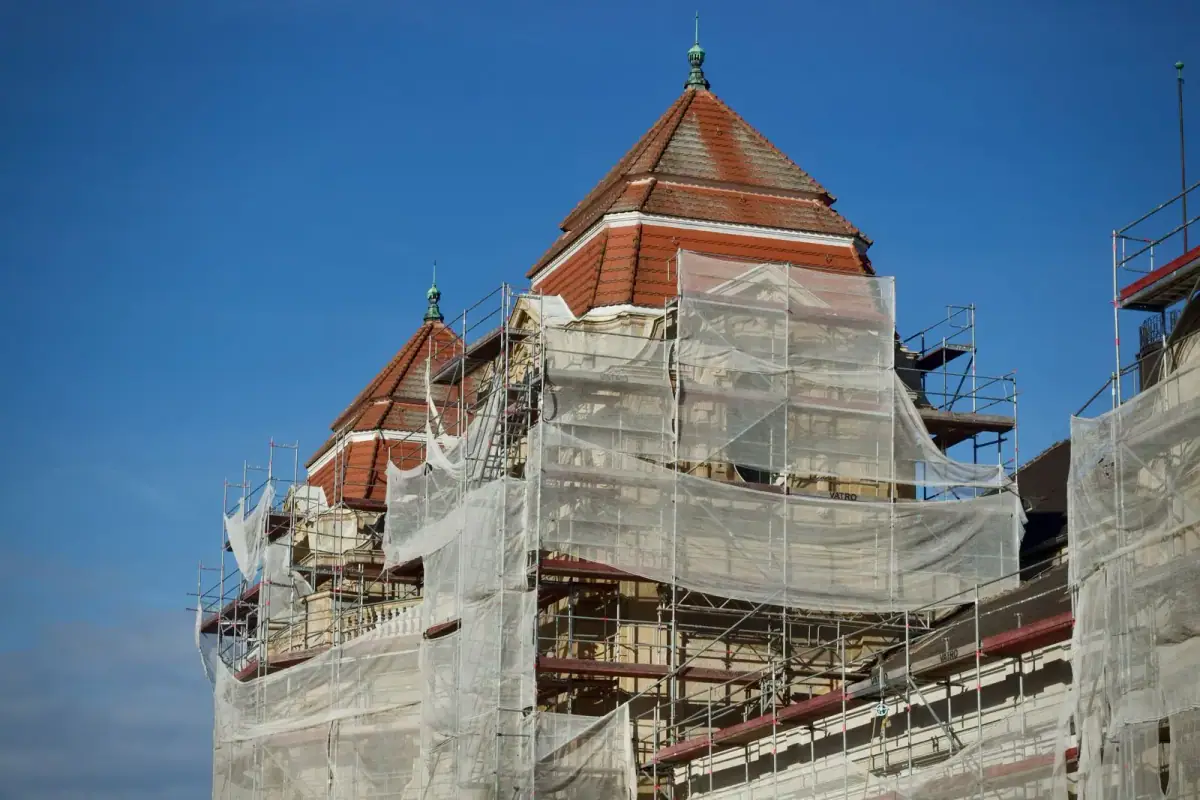
Textile mills
Piedmont mills with heavy timber or concrete floors and salvageable heart pine and brick.
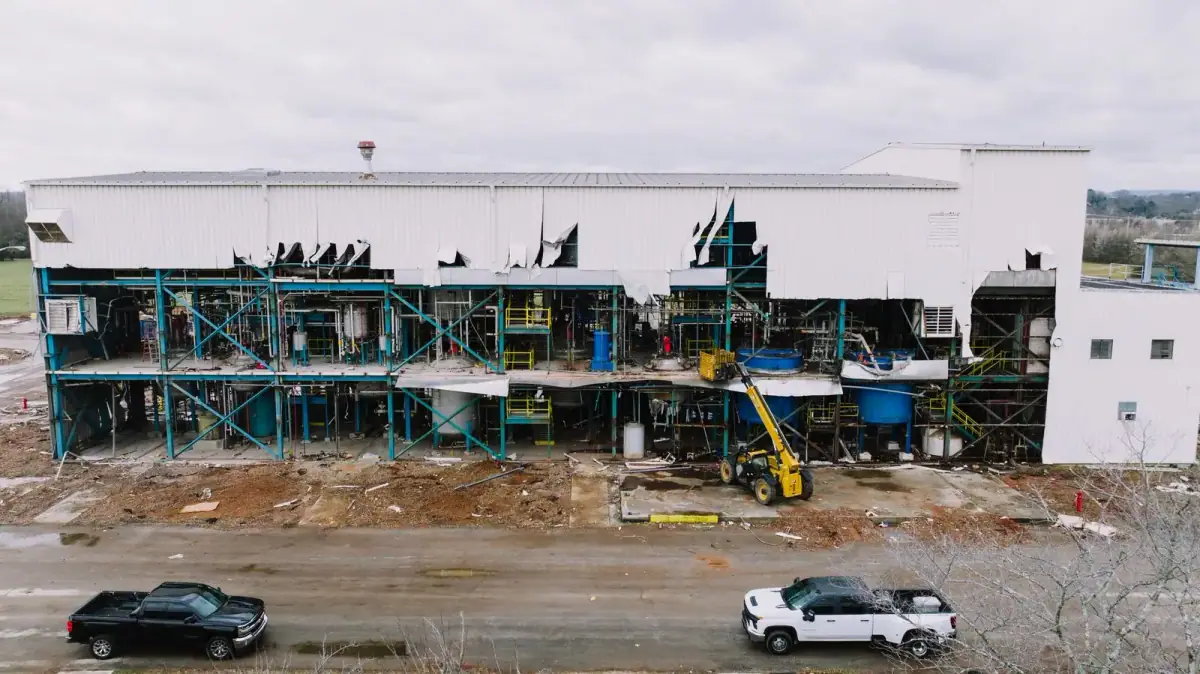
Warehouses
Tobacco and industrial warehouses being removed or converted.
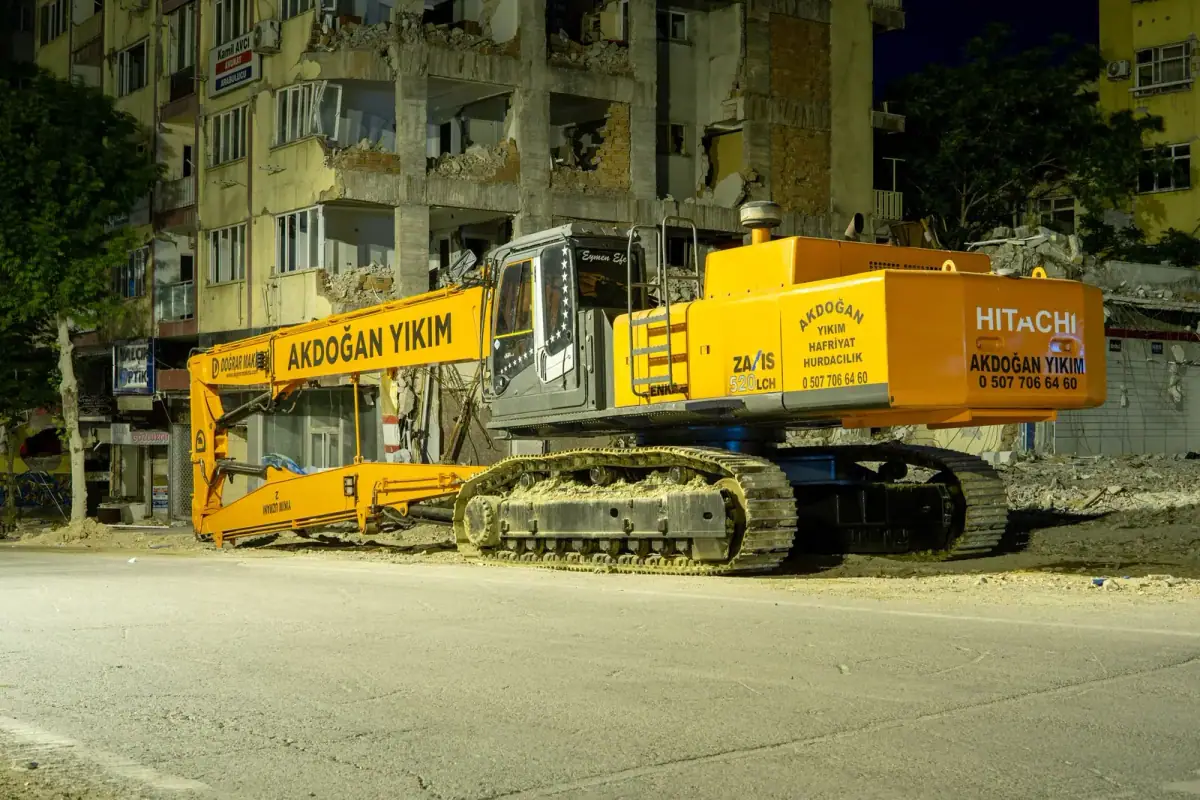
Churches and institutions
Churches, halls and civic buildings with significant architectural features.
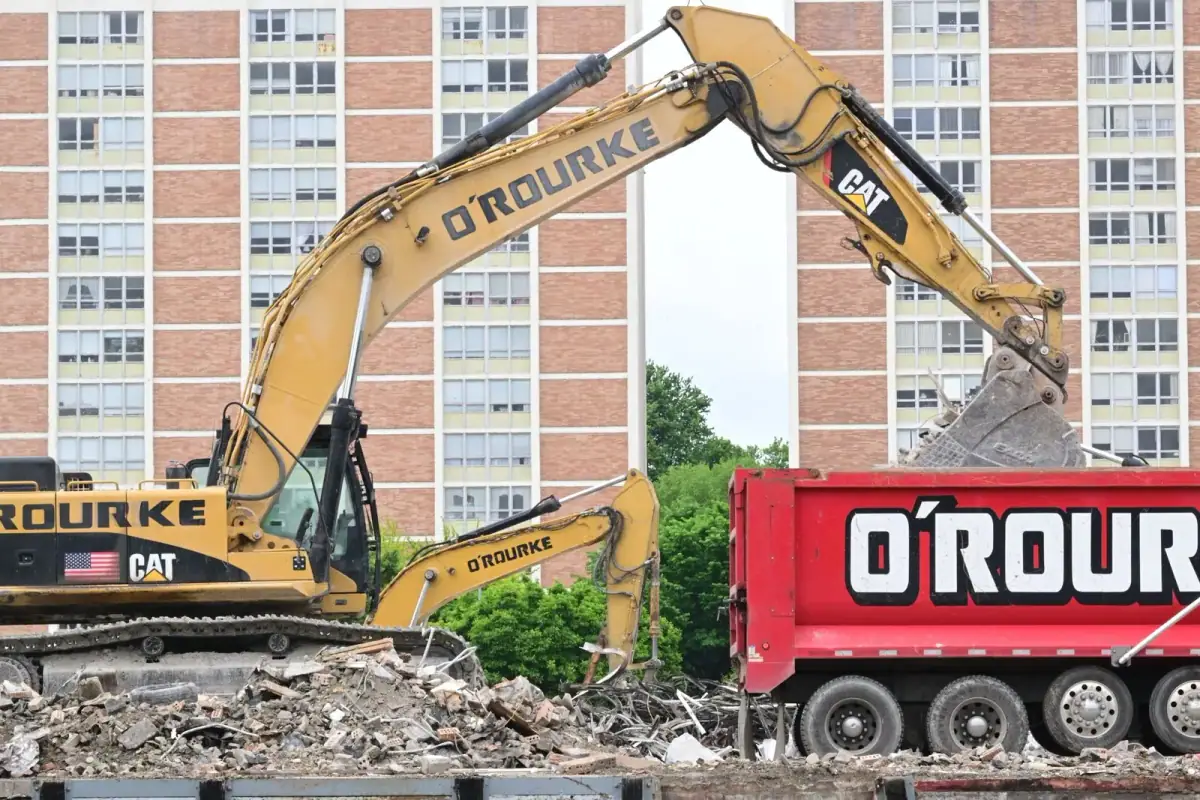
Downtown storefronts
Historic commercial fronts, sometimes retained while the building behind is rebuilt.
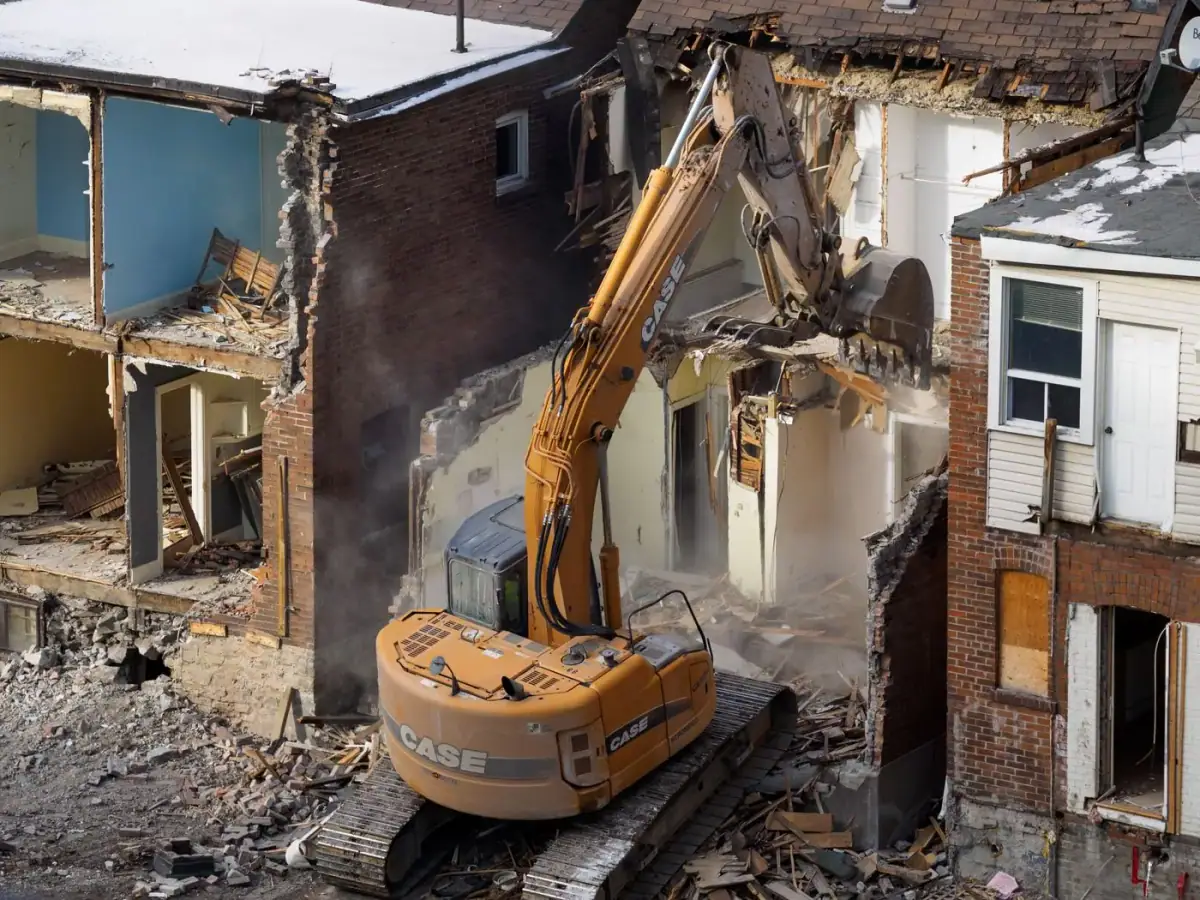
Farmhouses and barns
Rural buildings with old-growth timber and handmade brick.
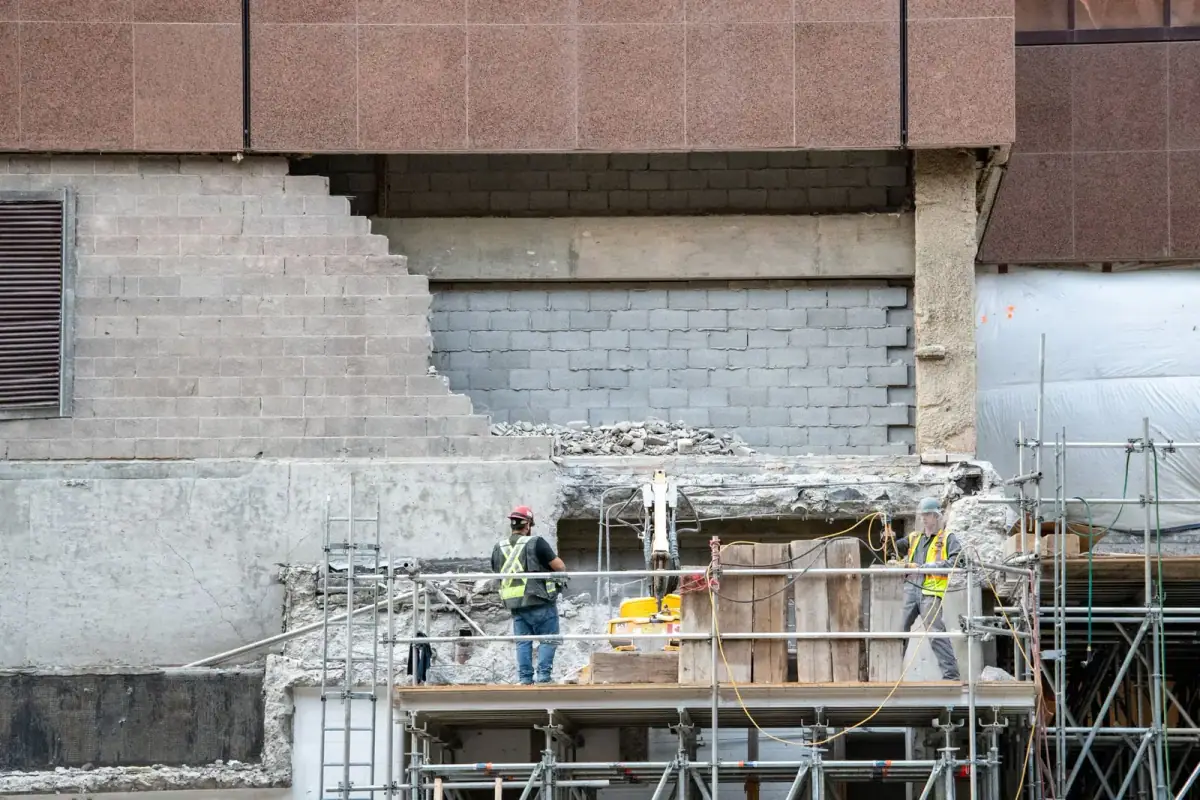
Landmark homes
Designated homes in local historic districts needing careful handling.
What’s included in our historic demolition service
Historic demolition is a careful, documented process from review to salvage. Every Alpha Demolish historic project in North Carolina includes:
- 01Assessment.
Condition, significance, salvageable materials and hazardous materials reviewed.
- 02Review support.
Information prepared for preservation commissions and SHPO consultation.
- 03Documentation coordination.
Access and schedule arranged for photography and recording before work begins.
- 04Hazard abatement.
Lead paint and asbestos handled before deconstruction.
- 05Deconstruction by hand.
The building taken apart in reverse order so features come out intact.
- 06Salvage recovery.
Heart pine, brick, mantels, doors, ironwork and details recovered, de-nailed and palletized.
- 07Facade or feature retention.
Retained elements braced and protected where required.
- 08Demolition and site restoration.
Remaining structure removed and the site cleared and graded.
Our historic demolition process, step by step
Every historic project follows the same careful sequence, with review and documentation before any material is disturbed.
Phase 1
Assessment
Condition, significance, salvageable materials and hazardous materials.
Phase 1
Review support
Information for preservation commissions and SHPO consultation.
Phase 2
Documentation
Photography and recording before work begins.
Phase 2
Hazard abatement
Asbestos and lead paint handled first.
Phase 3
Deconstruction
Salvage by hand, with features removed intact.
Handover
Demolition or retention
Remaining structure removed, or retained elements braced and protected.
READY TO CLEAR THE SITE?
Tell us what needs to come down.
Send a few project details and our team will get back to you with the next steps.
Deconstruction, salvage and hazards
Deconstruction and salvage
Deconstruction takes a building apart in roughly the reverse order it was built, so materials come out intact.
- Longleaf heart pine flooring, joists and timbers
- Handmade and early machine-made brick
- Granite and stone foundations and steps
- Mantels, doors, windows, trim and staircases
- Pressed tin ceilings and decorative ironwork
- Storefronts, signage and architectural details
- Materials de-nailed, sorted and palletized
- Salvage value credited against the cost
Hazards in older buildings
Older buildings carry hazards that must be handled before careful dismantling begins.
- Lead-based paint on most older surfaces
- Asbestos in flooring, roofing, insulation and plaster
- Bird and bat droppings in vacant mills
- Rotted floors and roofs
- Structural assessment before anyone enters
- Protective equipment for dust and biohazards
- Abatement by accredited workers first
- General liability and workers’ comp insurance
What affects the cost
Historic demolition is priced by the level of salvage, review requirements and hazards, offset by salvage value. The main factors are:
| Cost factor | Why it matters |
|---|---|
| Level of salvage | Careful deconstruction takes more labor than mechanical demolition. |
| Salvage value | Heart pine, brick and features can offset costs. |
| Facade retention | Engineered bracing and protection add scope. |
| Review requirements | Documentation and mitigation measures. |
| Hazardous materials | Lead paint and asbestos are common in older buildings. |
| Structure condition | Rotted floors and roofs slow safe access. |
How a historic project unfolds
Historic review is usually the longest lead item — a local commission can delay demolition for up to 365 days — so it should start early. A typical project runs like this:
| Stage | Typical timing |
|---|---|
| Assessment and significance review | Weeks |
| Local historic review / certificate | Weeks to up to 365 days |
| Section 106 consultation (if applicable) | Weeks to months |
| Documentation | Before work begins |
| Abatement and deconstruction | Weeks, by size and salvage |
| Demolition or retention and restoration | Days to weeks |
Alternatives to full demolition
Full demolition is not always the answer. Review often leads to an alternative that keeps part of the building or its history.
Facade retention
The historic street front is braced and kept while the building behind it is replaced.
Partial preservation and reuse
The most significant portion stays and later additions are removed, or selective demolition prepares the building for adaptive reuse — where NC historic rehabilitation tax credits may help.
Relocation
Some smaller buildings can be moved to a new site rather than demolished.
When a building is removed, documentation preserves its record — measured drawings, large-format photography and written history, sometimes to federal HABS standards — and we coordinate access for the documentation team before any work begins.
Historic review in North Carolina
Historic buildings carry review requirements that can reshape a project schedule. We guide owners through them from the start:
- Local historic districts and landmarks. Demolition of a building in a local historic district, or of a designated landmark, typically needs a certificate of appropriateness, and the commission can delay demolition for up to 365 days to explore alternatives.
- National Register listing. Listing does not by itself prevent a private owner from demolishing a building, but it can trigger review when public funds or permits are involved.
- Section 106 review. When a project uses federal funding, permits or licenses, federal agencies must consider effects on historic properties in consultation with the NC State Historic Preservation Office (SHPO).
- Mitigation. Review can lead to agreements for documentation, salvage, facade retention or interpretive displays.
- Rehabilitation tax credits. North Carolina’s historic rehabilitation tax credits may make adaptive reuse viable for eligible buildings.
- Documentation standards. Recording may be required to Historic American Buildings Survey (HABS) standards.
A 365-day demolition delay can reshape a project schedule. Talk to the local preservation staff before you close on a property or finalize plans.
Planning a historic project
The earlier we and the reviewers are involved, the smoother a historic project runs. Helpful items include:
A HISTORIC BUILDING?
Let’s handle it the right way
Tell us about the building and its status and a specialist will walk you through review, salvage and the alternatives to full demolition — no commitment needed.
Reclaimed heart pine, brick and materials
Salvage is at the heart of historic demolition, keeping irreplaceable materials in use and offsetting the cost of careful work:
- Reclaimed heart pine. Dense, resinous old-growth flooring, joists and timbers, far more stable than new pine and highly sought after.
- Handmade brick and stone. Early brick, granite and stone recovered for reuse.
- Architectural features. Mantels, doors, windows, staircases, tin ceilings and ironwork saved intact.
- Buyers and reuse. Reclaimed lumber dealers, architectural salvage stores, builders and designers buy salvaged materials, crediting value against the project.
Value depends on size, length, condition and how many nails and bolt holes each piece has; we de-nail, sort and palletize salvaged lumber and brick so it can be sold or reused.